Goal
Provide aircraft propulsion using a compact steam engine that is silent, fire-safe and capable of reversible thrust for braking.
Problem
The need for a quieter, less fire-prone alternative to gasoline engines in aircraft, and a means to obtain braking without wheel brakes.
Concept Summary
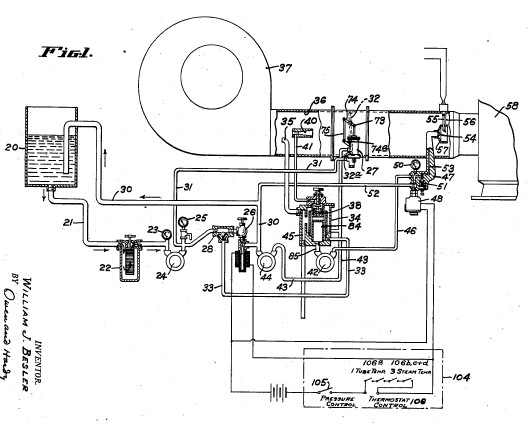
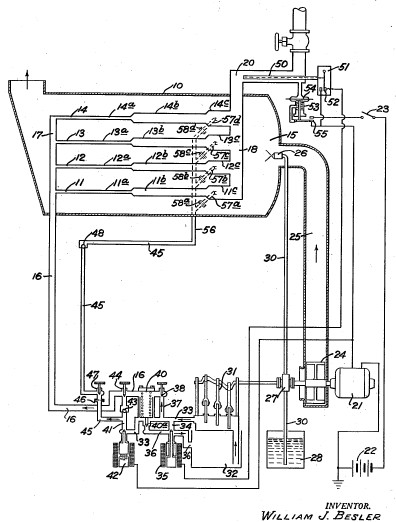
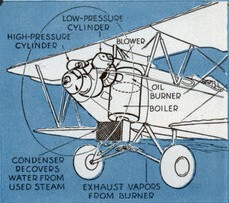
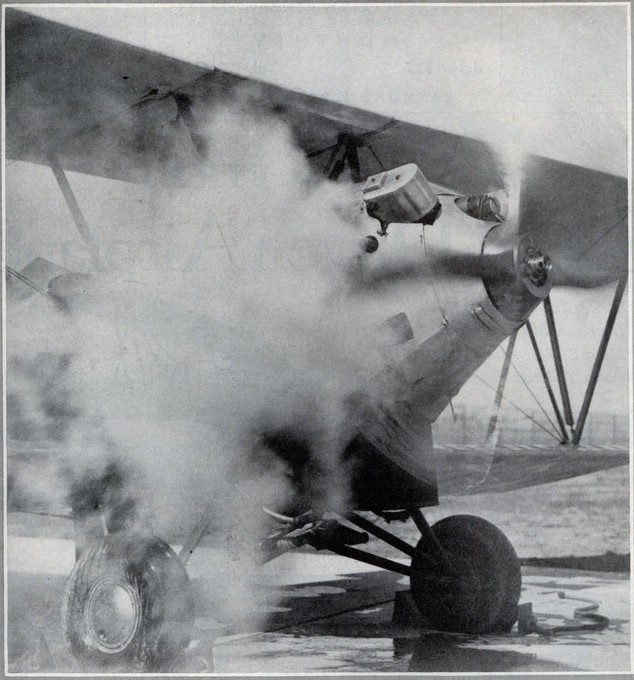
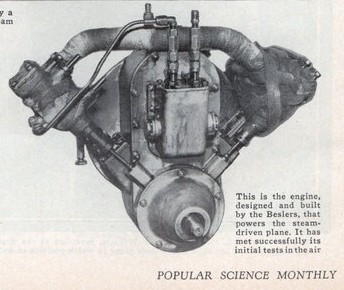
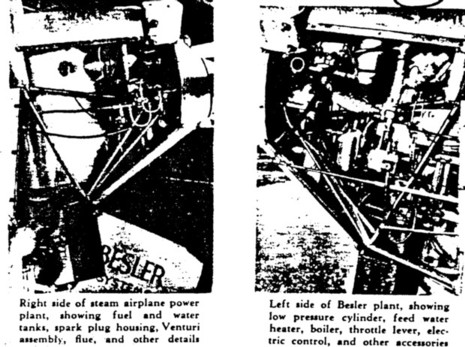
A two-cylinder, double-acting, compound V-type steam engine (~=150 hp, 180 lb) drives a propeller on a conventional biplane. Water is heated in a high-efficiency oil-burner boiler, expanded in the cylinders, and then condensed (~=90 % recovery) for reuse. An electric blower supplies combustion air; a reversible engine provides propeller-brake capability.
Detailed Description
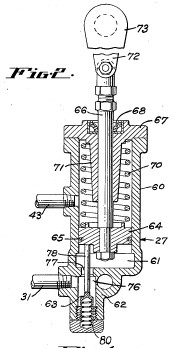
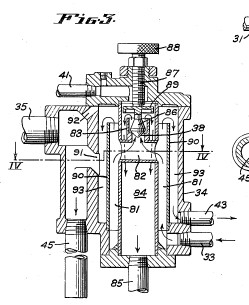
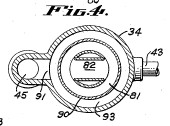
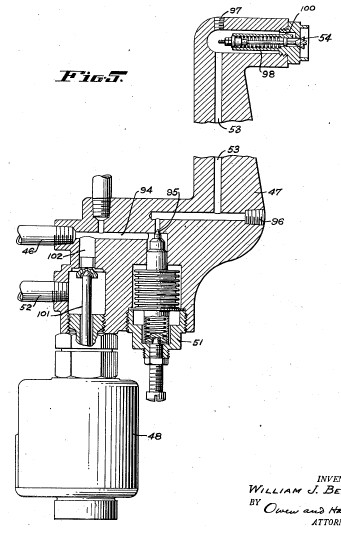
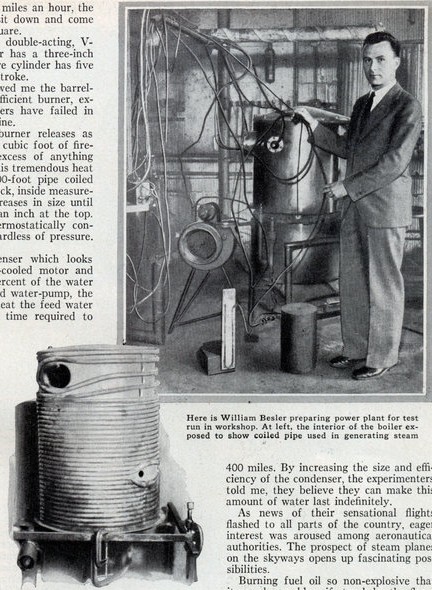
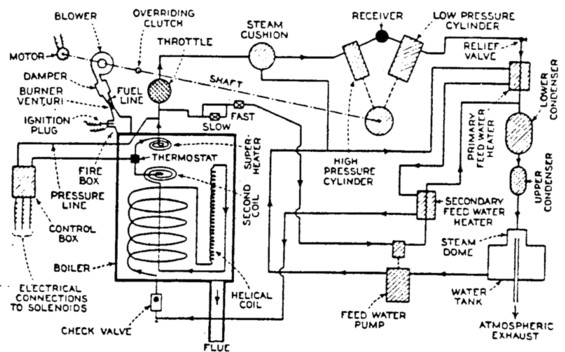
The engine uses a 2-cylinder compound V-type layout with high-pressure (3-in bore) and low-pressure (51/4-in bore) cylinders, each 3 in stroke, double-acting. A barrel-shaped metal boiler contains a 500-ft coiled pipe heated by a super-efficient vaporized-fuel-oil burner (~=3 million BTU/ft^3). An electric blower forces air-oil mixture through the burner; ignition is via spark plug. Steam at ~=1500 psi and 800 deg F drives the engine, delivering 150 hp at 1625 rpm. Condensers (radiator-type) recover >90 % of water; a steam-fed pump pre-heats feed water using exhaust steam. The pilot can reverse the engine to spin the propeller backward, providing a powerful brake and reducing landing roll to <100 ft. Tests reported 5-minute flights at 100 mph, 400 mile range with 10 gal water, and silent operation.
Principles
- Thermodynamics (steam cycle)
- Compound double-acting reciprocating engine
- Condensation and water recovery
- Fuel-oil combustion
- Reverse-thrust braking
Scientific Domains
Materials
- Steel (boiler, engine block)
- Copper (coiled pipe)
- Aluminum (insulation sheets)
- Wool (metallic wool insulation)
- Fuel oil (vaporized)
- Water
Mechanisms of Action
- Combustion of vaporized fuel oil to heat water
- Steam expansion in high- and low-pressure cylinders
- Reciprocating motion converted to rotary propeller drive
- Reversible engine operation for propeller braking
- Condensation of exhaust steam and pre-heating of feed water
Energy Sources
Applications
- Aircraft propulsion
- Silent military aircraft
- High-altitude transport
Claimed Performance
150 hp engine weighing 180 lb; aircraft speed ~=100 mph; landing roll <100 ft; 5-minute flight per run; 400 mile range claimed with 10 gal water; steam pressure 1500 psi at 800 deg F.
Experimental Evidence
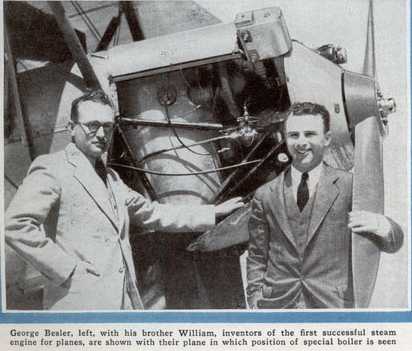
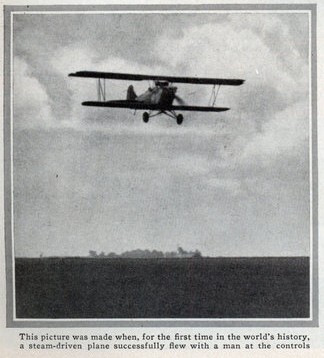
Successful flights reported in July and September 1933: aircraft took off, flew for up to 5 minutes, landed with propeller-brake, and demonstrated silent operation. Tests showed 10 gal water sufficient for a 400-mile flight (claimed).
Replication Status
Only demonstrated by the Besler brothers; no independent replication reported.
Limitations
- Weight penalty (engine ~300 lb overweight for the airframe)
- Water consumption and boiler size
- Complexity of boiler and condenser system
- Limited flight duration in early tests
Red Flags
- Claims of indefinite water reuse are optimistic without independent verification