Goal
Enhance the well-being of living organisms, improve plant growth, extend shelf life of organic products, and aerate water using audible sound frequency modulated electrical signals applied in a non-acoustic manner.
Problem
Traditional acoustic speakers used for sonic agriculture produce loud, disruptive noise; a quieter, underground method is needed to deliver beneficial sound vibrations to soil, crops, and perishable goods.
Concept Summary
The invention generates an electrical signal modulated at audible frequencies (16 Hz-20 kHz), amplifies it, and applies the amplified signal to soil, plants, food, or water via underground plates/antennas. The signal propagates through the molecular structure of moist soil (molecular propagation) rather than through air, delivering a silent, non-acoustic stimulus that promotes root growth, oxygenation, earth-worm activity, and shelf-life extension.
Detailed Description
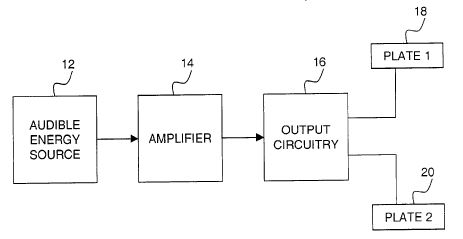
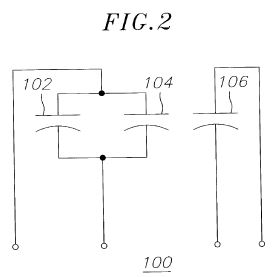
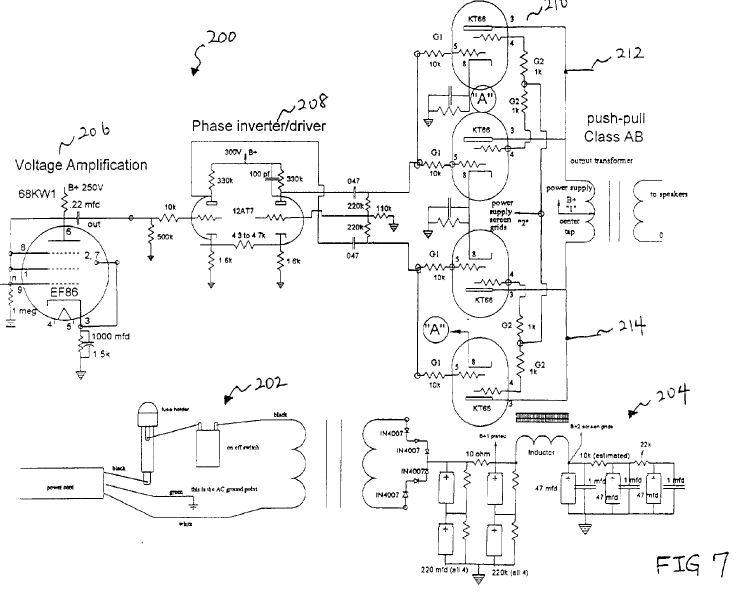
A block-diagram system includes an audible energy source (e.g., MP3 player, radio, IC chip) that produces a modulated electrical signal, a high-power amplifier, and output circuitry with blocking capacitors. Two metal plates (antennas) are placed underground at a distance (30-60 m) and coupled to the output circuitry. The amplified signal is injected into the soil moisture, where it propagates molecularly, stimulating plant roots to penetrate hardpan, increasing oxygenation, cooling the soil, and attracting beneficial insects. The same principle can be applied to harvested produce, pharmaceuticals, and bodies of water to delay spoilage or aerate the water. Power can be supplied from AC mains, batteries, or solar panels, making the system potentially self-contained.
Principles
- Audible frequency modulation of electrical signals
- Molecular propagation through moist media
- Non-acoustic (silent) energy delivery
- Bio-electric stimulation
Scientific Domains
Materials
- Metal plates/antennas (e.g., copper or steel)
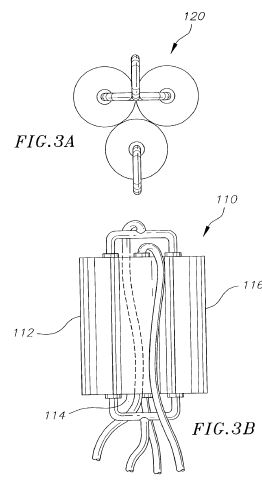
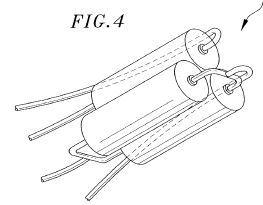
- Capacitors (0.25 uF blocking capacitors)
- Electrical wiring and connectors
Mechanisms of Action
- Amplified audible-frequency electrical signal induces vibrations in soil moisture
- Vibrations enhance root oxygenation and penetration of hardpan
- Increased earth-worm activity improves soil aeration and humus production
- Low-frequency stimulation slows microbial spoilage of organic products
Energy Sources
Applications
- Crop yield improvement
- Food preservation
- Water aeration
- Therapeutic bio-electric stimulation for animals/humans
Claimed Performance
Earlier sprouting, larger plants, substantially increased yield; oxygen production in plants increased by 60-100 %; earth-worm humus production equal to their weight per 24 h; shelf-life extension of perishable goods with little or no refrigeration.
Experimental Evidence
Observations of root penetration of hardpan and increased earth-worm activity when audible frequencies are applied; no quantitative data or independent replication provided.
Limitations
- Lack of quantitative experimental data
- Installation of underground antenna plates may be costly
- Optimal frequency and power parameters not defined
- Effectiveness may depend on soil moisture and composition
Red Flags
- Claims of significant biological effects without peer-reviewed data
- No independent replication or third-party validation reported
- Potential overstatement of shelf-life extension capabilities