Goal
Local treatment of solid tumours (cancer) in animals and humans
Problem
Cancer (solid tumours) with limited effective local therapies
Concept Summary
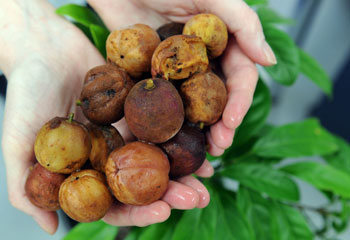
EBC-46 is a novel small-molecule natural product isolated from the fruit of the Australian blushwood shrub (Blushwood). It is administered by intralesional injection or topical application directly onto a tumour, where it rapidly liquefies and destroys cancer cells with minimal side-effects. The drug has shown rapid tumour knock-down in veterinary patients and is in late pre-clinical development for human use.
Detailed Description
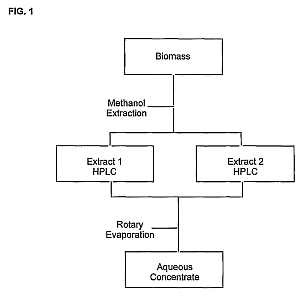
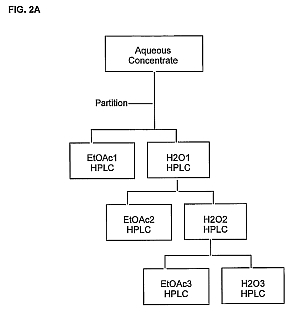
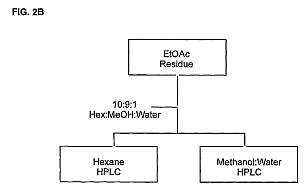
EBC-46 (also called tiglien-3-one derivative EBI-46) is extracted from Fontainea picrosperma (Blushwood) and formulated for local delivery. In veterinary use, a single dose injected into the tumour or applied topically has resulted in tumour liquefaction within 24 hours and complete healing of the site in dogs, cats and horses, with no significant long-term adverse effects. The compound works locally at the site of delivery; systemic efficacy against metastasis has not been demonstrated. QBiotics is conducting veterinary trials and plans to advance to human Phase II trials after regulatory approval. The invention also covers related tiglien-3-one derivatives (EBI-47, EBI-59, etc.) for potential use as anti-cancer, anti-parasitic, antibiotic, or agrochemical agents.
Principles
- Targeted local cytotoxicity
- Natural product drug discovery
- Intralesional injection
- Topical drug delivery
Scientific Domains
Materials
- Blushwood shrub fruit extract
- Tiglien-3-one derivative (EBI-46 / EBC-46)
- Related tiglien-3-one derivatives (EBI-47, EBI-59, etc.)
Mechanisms of Action
- Induction of rapid tumour cell necrosis
- Disruption of tumour extracellular matrix
- Stimulation of local wound-healing response
Applications
- Veterinary treatment of solid tumours
- Potential human treatment of skin, breast, colon, prostate and other solid cancers
Claimed Performance
Tumour destruction typically within 24 hours; effective in >100 dogs, cats and horses with no significant long-term adverse effects; rapid healing observed.
Experimental Evidence
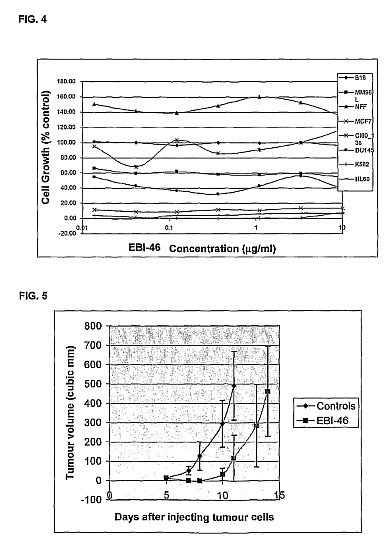
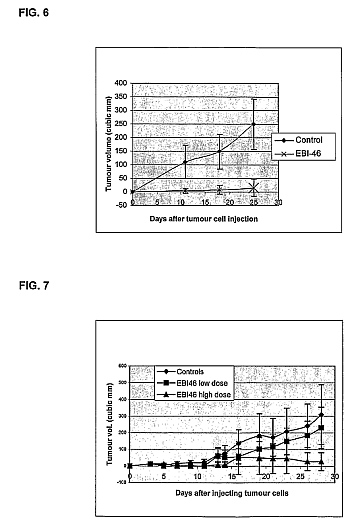
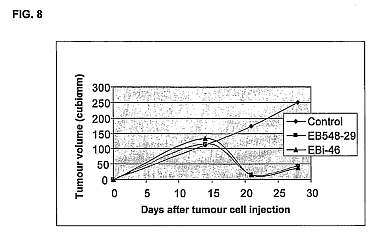
Successful treatment of 50 critically ill dogs and about a dozen cats and horses; intralesional injection ablated or palliated advanced tumours in over 100 animals; topical formulation treated ulcerative squamous cell carcinomas in cats and horses; pre-clinical mouse cancer models showed proof-of-concept efficacy.
Replication Status
Veterinary trials ongoing; human clinical trials not yet started but planned for Phase II.
Limitations
- Only effective when the tumour can be accessed for direct injection or topical application
- No demonstrated systemic efficacy against metastatic disease
- Human clinical data not yet available
- Regulatory approval pending
Red Flags
- Claims of a "cure" without peer-reviewed clinical data
- Potential hype in media coverage
- Limited publicly available trial data