Goal
Generate usable electrical power and heat through low-energy nuclear transmutation of zirconium oxide.
Problem
Provides a compact, low-temperature source of electricity and heat; claims to also enable nuclear waste remediation via transmutation.
Concept Summary
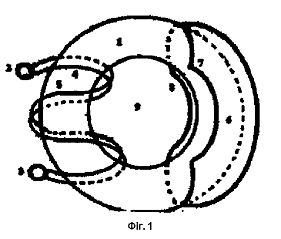
A tabletop reactor is filled with zirconium oxide and a liquid metal. Nanosecond electric pulses create an arc in the liquid metal, allegedly inducing transmutation of zirconium into iridium and palladium and directly producing electrical power and excess heat.
Detailed Description
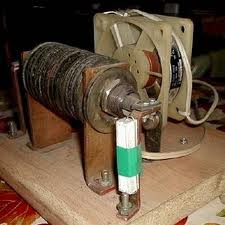
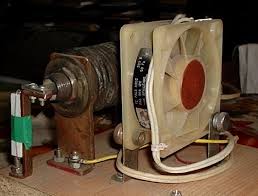
The reactor (table-top size) is pulsed with a nanosecond pulse generator. Electrical pulses travel into a cell containing a "liquid metal" and zirconium oxide. The arc generated in the liquid metal triggers a nuclear transmutation process that converts zirconium into heavier elements (iridium, palladium). The process yields direct electrical output as well as thermal energy. Demonstrations reported 100 W of input producing 300 W of electrical output plus heat; another claim is 60 W input -> 20 kW output.
Principles
- Cold fusion / low-energy nuclear reactions
- Element transmutation
- Nanosecond high-voltage pulse discharge
- Arc discharge in liquid metal
Scientific Domains
Materials
- Zirconium oxide (ZrO_2)
- Liquid metal (unspecified, likely low-melting alloy)
- Iridium (product)
- Palladium (product)
Mechanisms of Action
- Electric arc induces nuclear transmutation of ZrO_2
- Transmuted nuclei release energy as electricity and heat
- Direct conversion of nuclear energy to electrical power
Energy Sources
Applications
- Compact power generation
- Heat supply
- Production of rare metals (iridium, palladium)
- Potential nuclear waste remediation
Claimed Performance
Demonstrated 100 W input -> 300 W electrical output + heat; claimed 60 W input -> 20 kW output.
Experimental Evidence
A demonstration on 25 Mar 2011, witnessed by Prof. Pawlak Halina-Kruczek (University of Technology, Warsaw) and Dr. Hanna Bartoszewicz-grumbles (Institute of Power Engineering, Warsaw). The tabletop reactor was pulsed with a nanosecond generator; observers reported 100 W input producing 300 W pure electrical output plus heat.
Replication Status
Only a single, non-independent demonstration reported; no peer-reviewed replication.
Limitations
- No independent, peer-reviewed verification
- Vague description of the liquid metal and exact operating parameters
- Potential radiation hazards from transmutation products
- High claimed license cost (15 M EUR) and unclear scalability
- Unclear long-term stability of the reactor
Red Flags
- Extraordinary overunity claims without quantitative, peer-reviewed data
- Reliance on anecdotal eyewitness accounts
- High license fee suggesting commercial motive
- Mention of "electrino" particle, a non-standard concept
- Potential radiation hazards not quantified