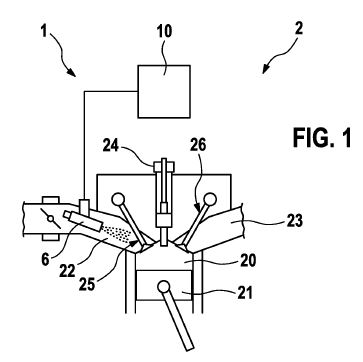
Goal
Reduce fuel consumption and increase engine performance by cooling the intake charge with water injection.
Problem
Engine overheating and fuel waste in gasoline engines, especially at high load and speed.
Concept Summary
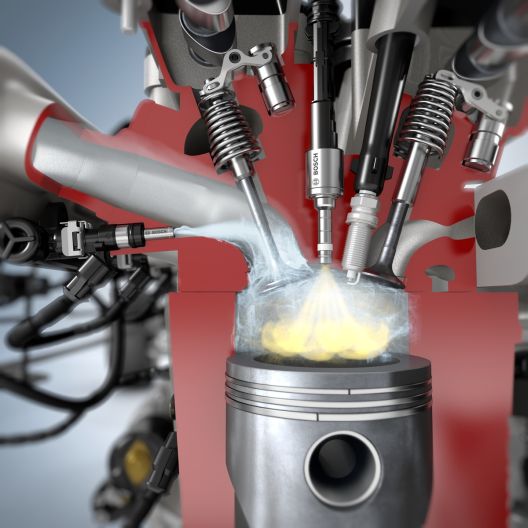
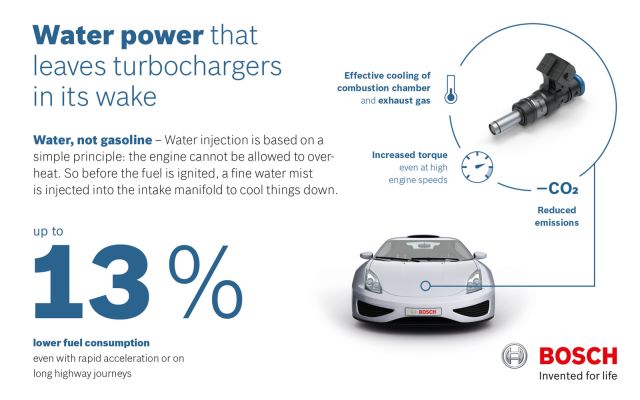
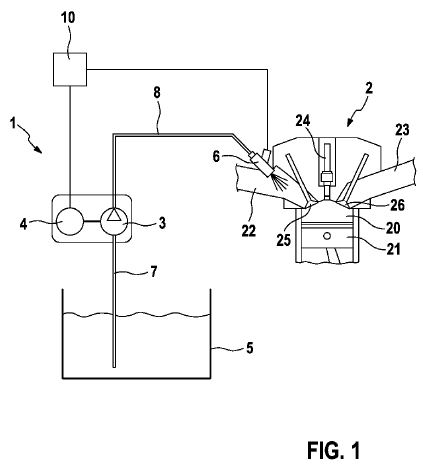
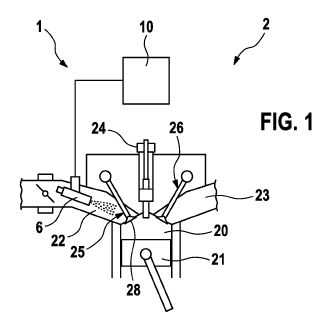
A fine mist of distilled water is injected into the intake duct before combustion. The high latent heat of vaporization cools the air-fuel mixture, reduces knocking, allows earlier ignition timing, and improves turbocharger efficiency, resulting in lower fuel consumption (up to 13 %), higher power (up to 5 %), and reduced CO_2 emissions (up to 4 %).
Detailed Description
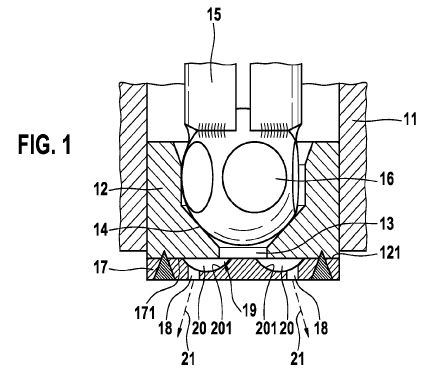
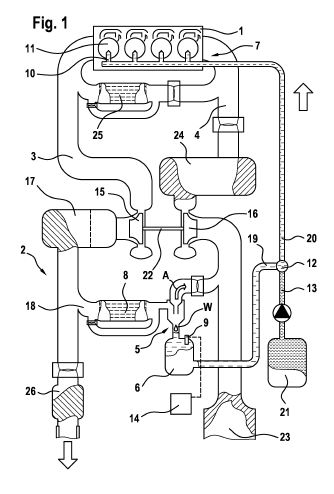
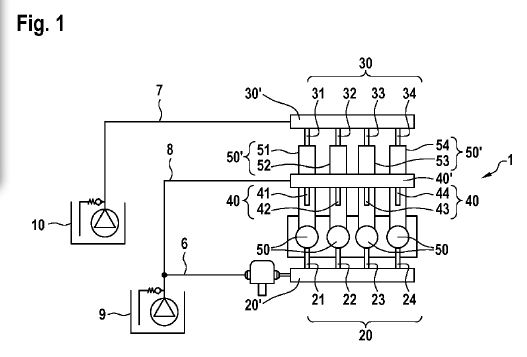
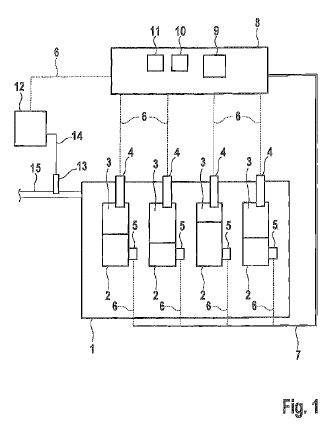
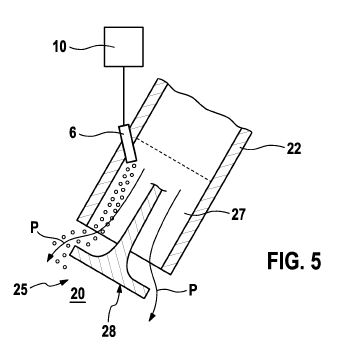
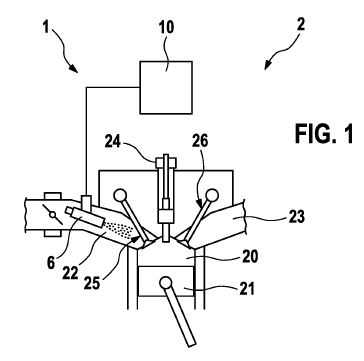
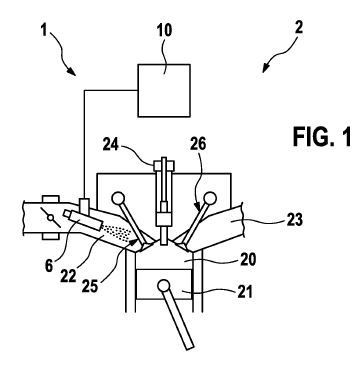
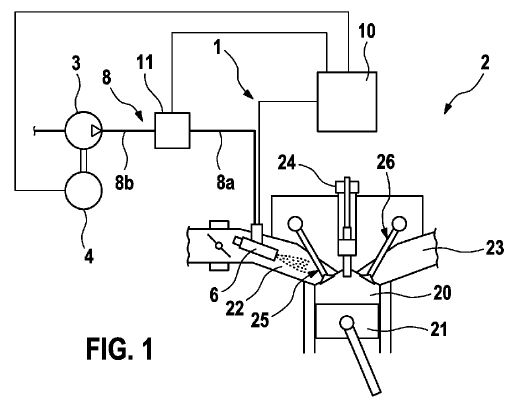
The system consists of a compact tank storing de-mineralised/distilled water, a pump/ delivery element, one or more water injectors positioned in the intake port, and a control unit that synchronises injector opening with engine operation. A pressure sensor and heating element prevent injector icing and water freezing. Water is sprayed as a micro-fine mist into the intake charge, cooling it before combustion. The water evaporates completely, leaving no residue, and the exhaust contains only water vapor. The tank is refilled every ~3 000 km with a few hundred millilitres of water.
Principles
- Latent heat of vaporisation cooling
- Charge-air temperature reduction
- Knock suppression
- Earlier ignition timing
- Turbocharger efficiency enhancement
- Thermodynamic cycle improvement
Scientific Domains
Materials
- Distilled water
- Demineralised water
Mechanisms of Action
- Water spray cooling of intake air
- Absorption of heat during water evaporation
- Reduction of knock tendency
- Enabling higher compression/boost without detonation
Energy Sources
Applications
- Automotive gasoline engines
- Turbocharged passenger cars
Claimed Performance
Up to 13 % fuel consumption reduction, up to 5 % power increase, up to 4 % CO_2 reduction, improved torque at high load.
Experimental Evidence
WLTC test shows up to 4 % fuel saving; real-world driving shows up to 13 % reduction; BMW M4 GTS production vehicle equipped with the system; Bosch claims up to 5 % more horsepower and up to 4 % less CO_2.
Replication Status
In production - first used in the BMW M4 GTS.
Limitations
- Requires periodic refilling with distilled water
- Water may freeze in the tank when engine is off
- Applicable only to gasoline engines with compatible intake systems
- Adds system complexity and weight