Goal
To investigate and compare the electrical and mechanical responses of living organisms and inorganic substances when subjected to various stimuli.
Problem
The lack of a unified understanding of how electrical activity arises in both biological tissues and non-living materials and how stimulus intensity relates to response magnitude.
Concept Summary
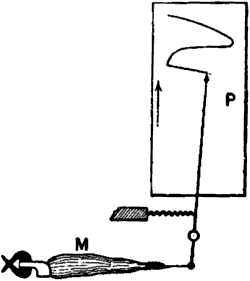
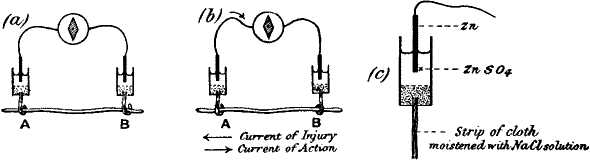
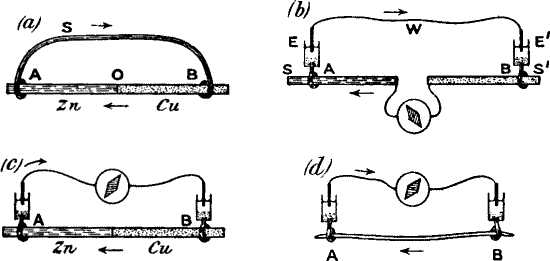
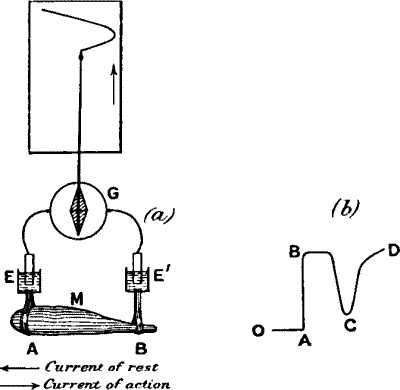
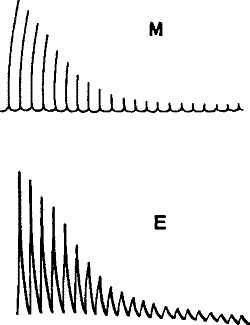
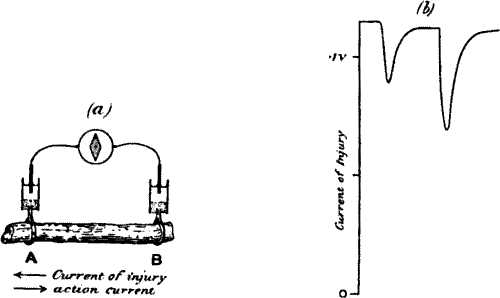
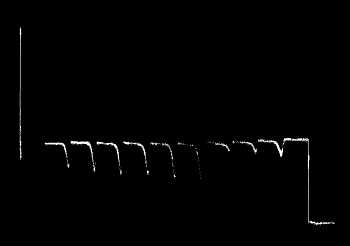
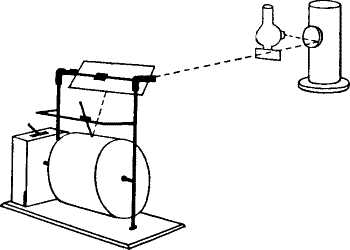
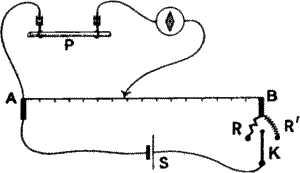
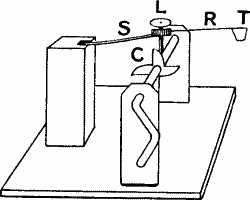
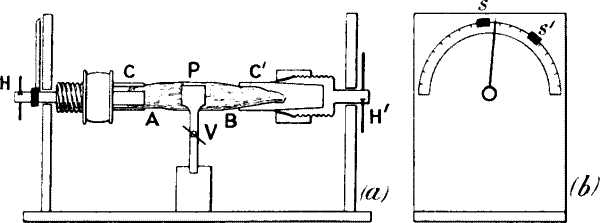
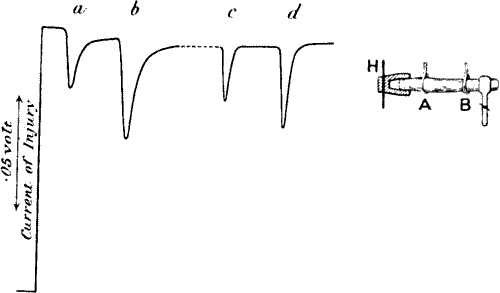
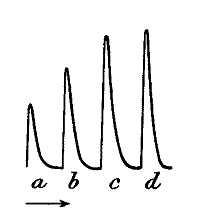
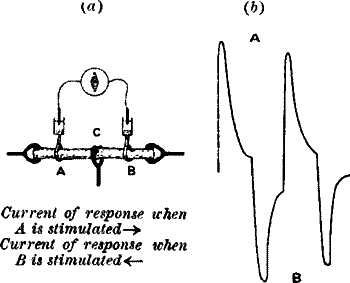
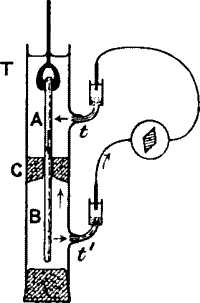
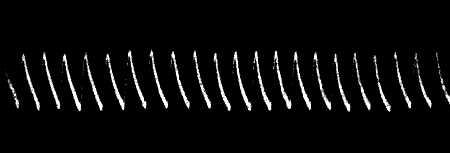
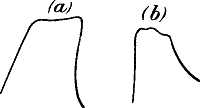
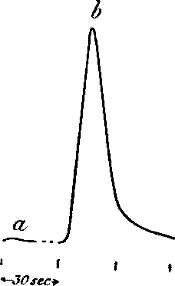
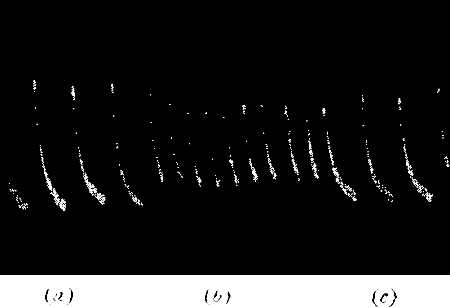
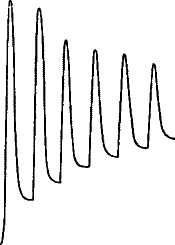
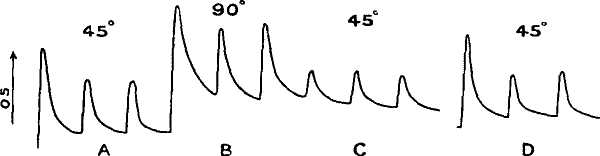
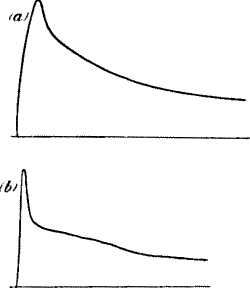
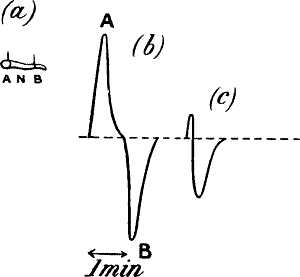
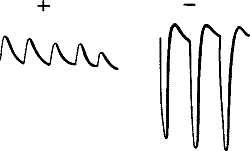
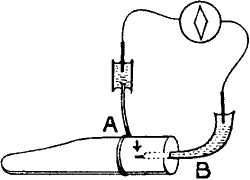
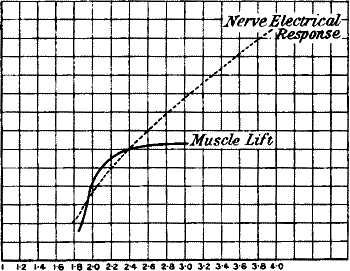
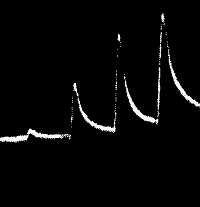
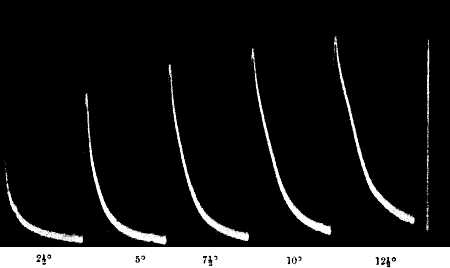
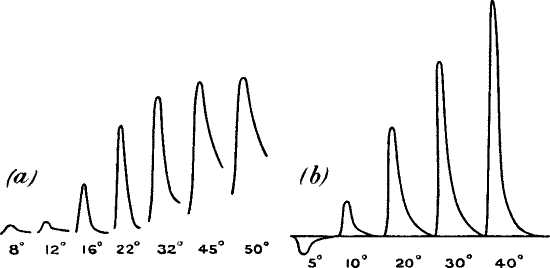
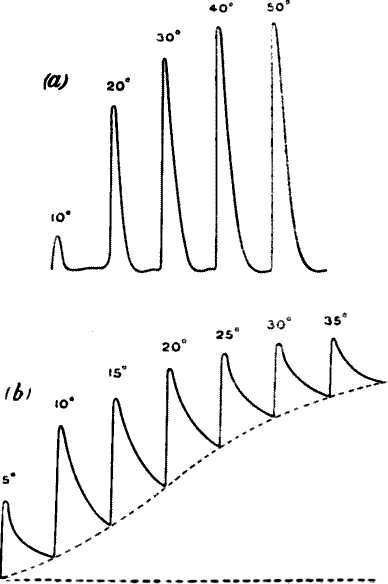
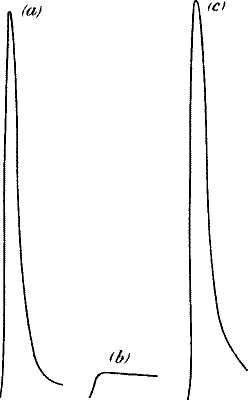
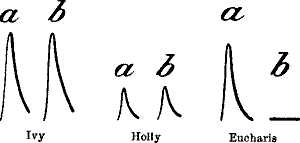
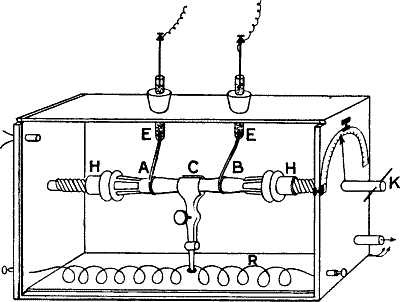
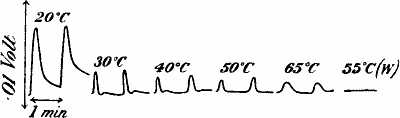
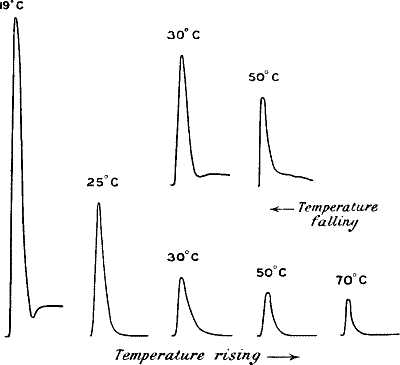
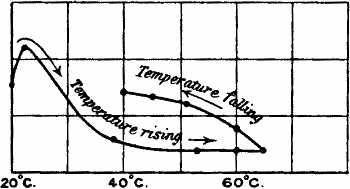
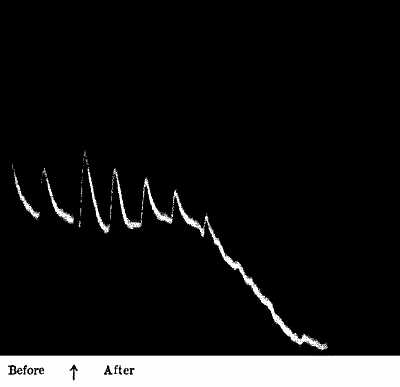
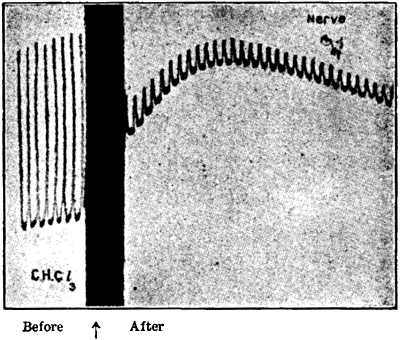
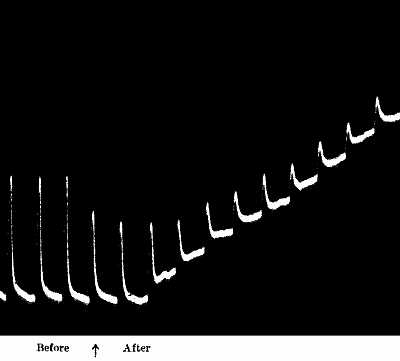
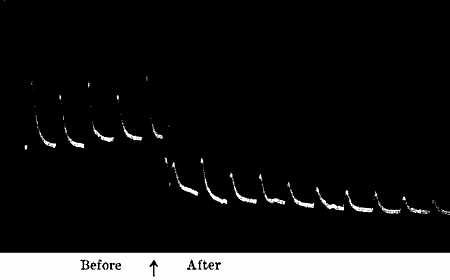
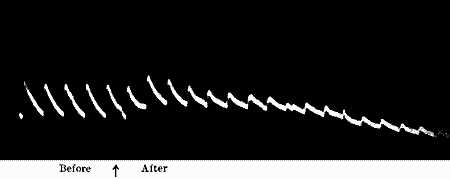
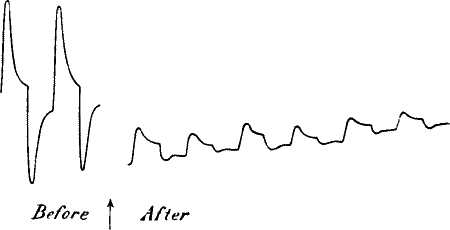
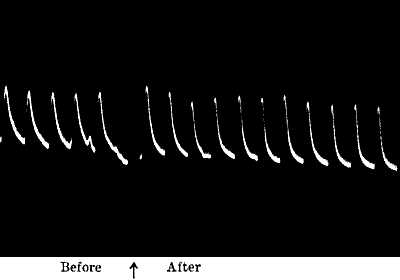
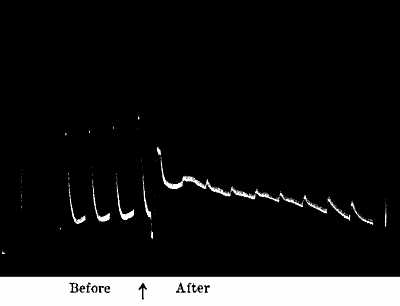
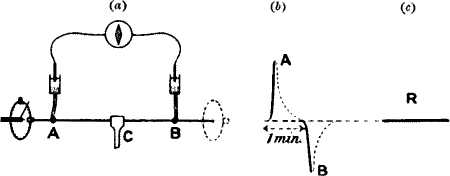
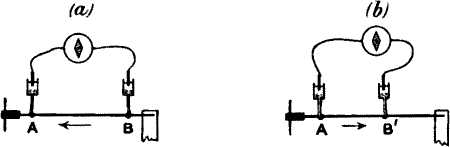
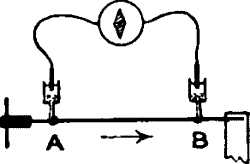
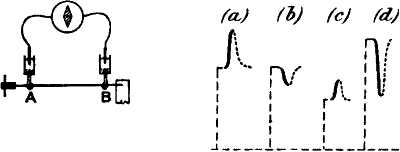
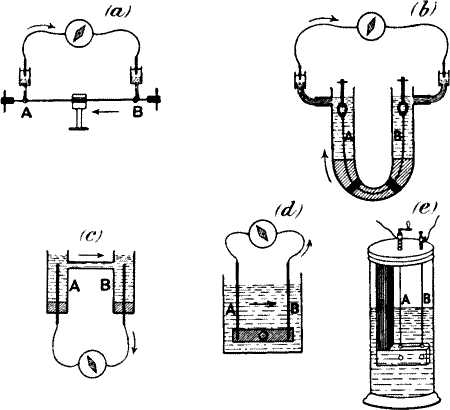
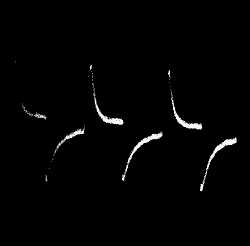
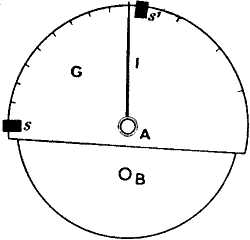
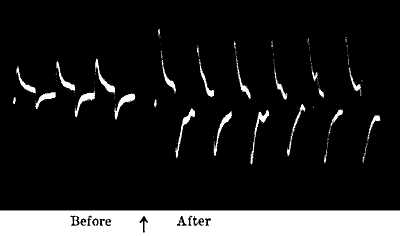
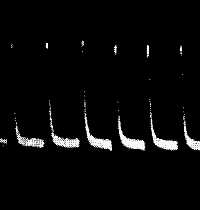
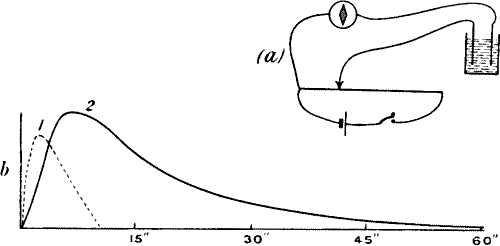
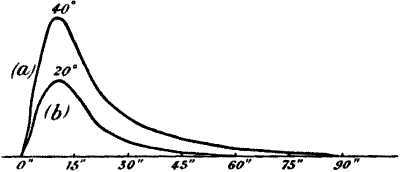
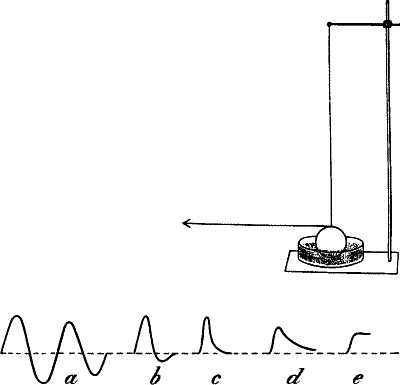
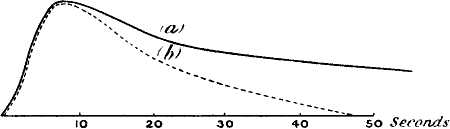
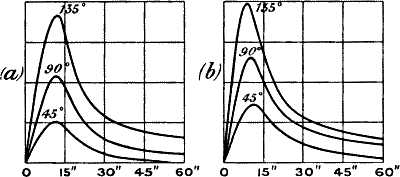
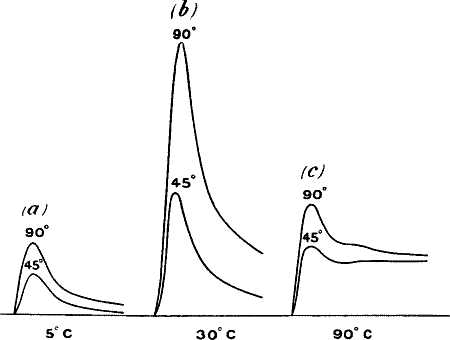
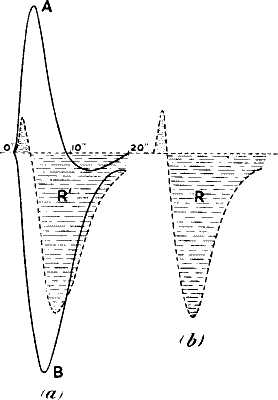
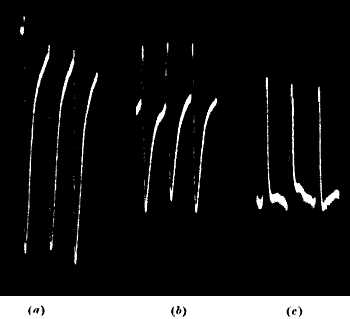
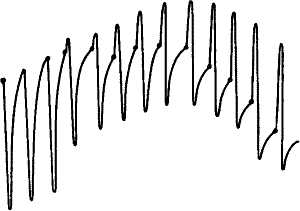
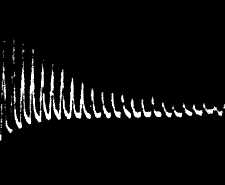
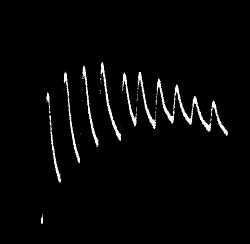
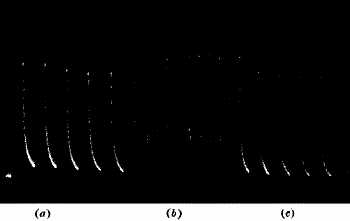
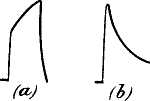
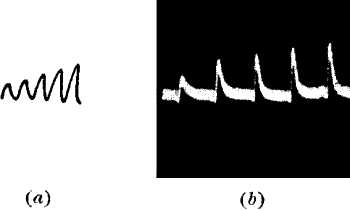
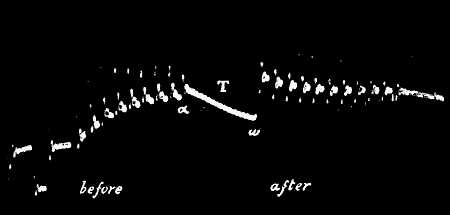
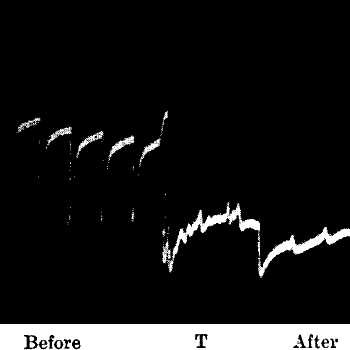
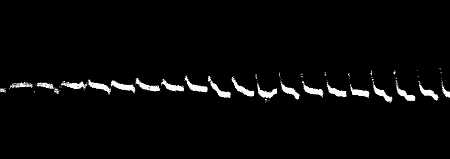
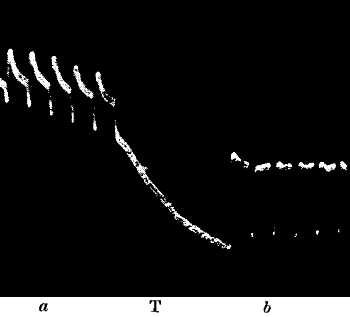
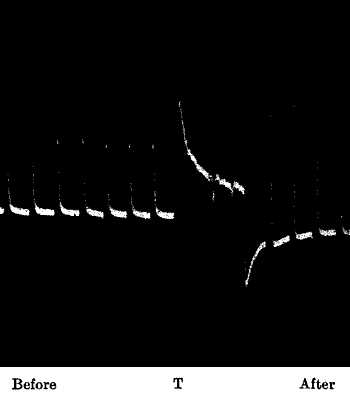
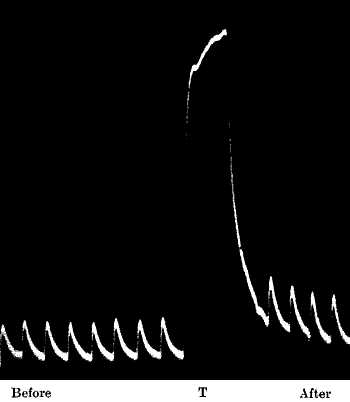
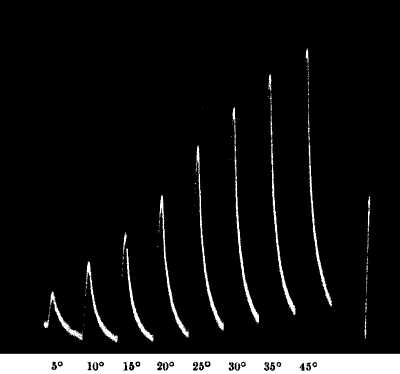
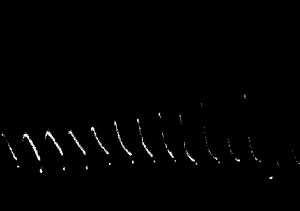
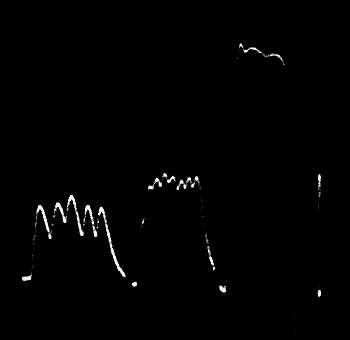
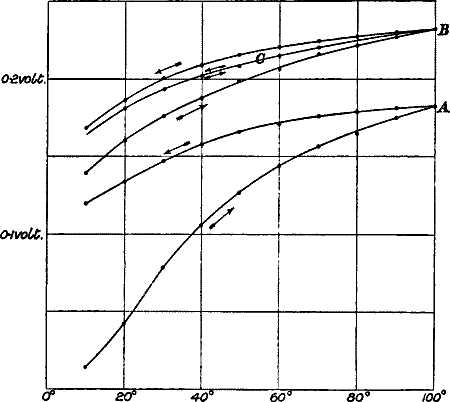
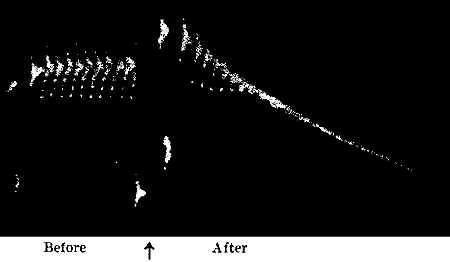
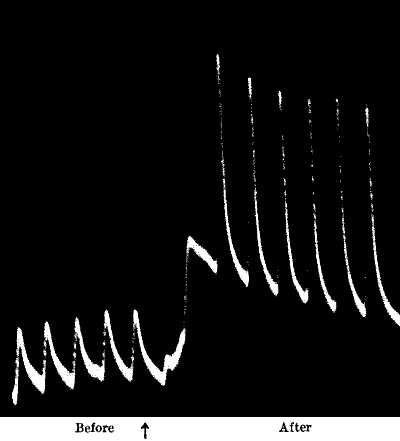
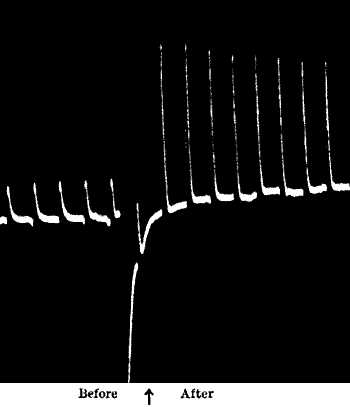
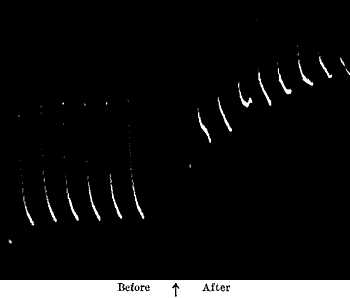
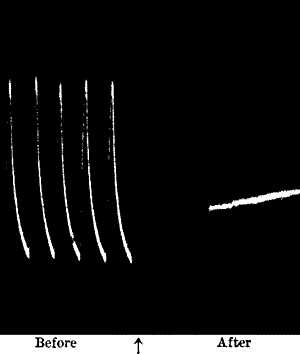
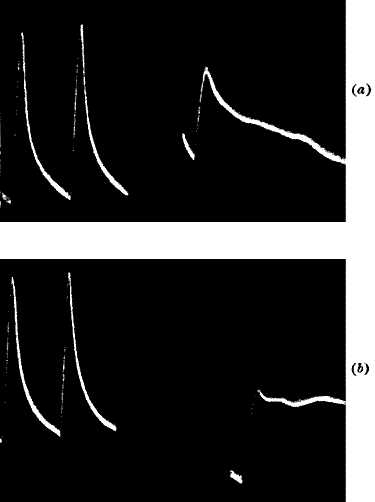
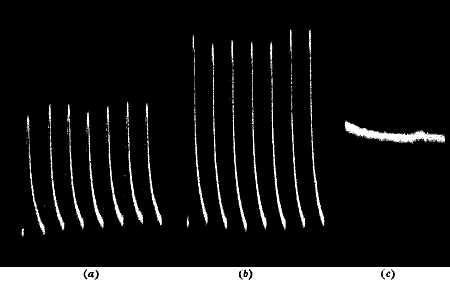
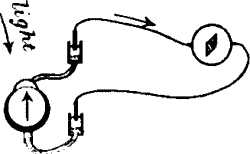
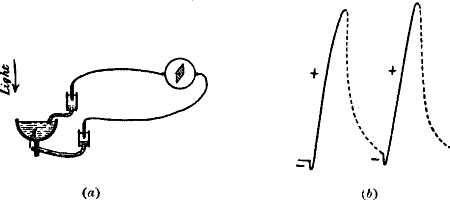
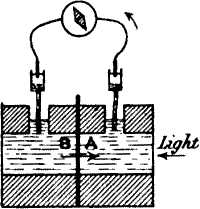
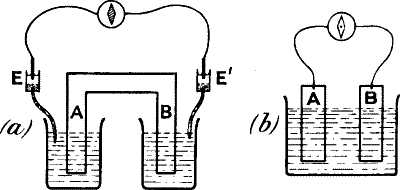
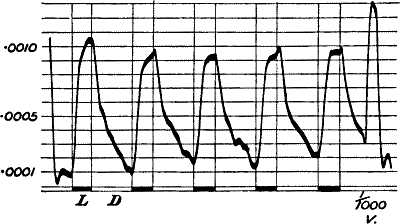
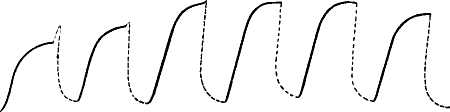
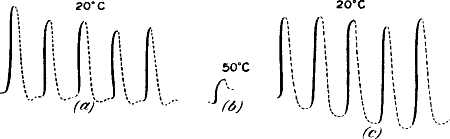
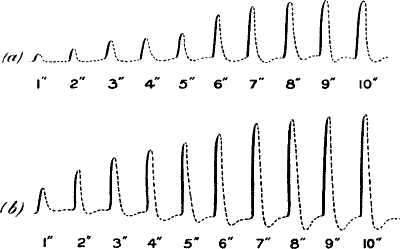
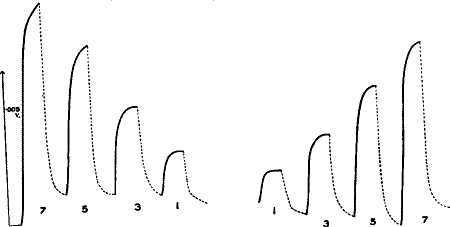
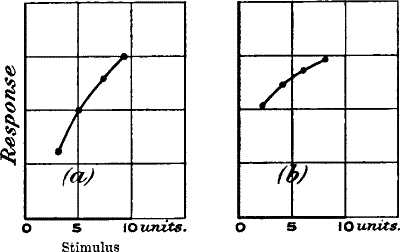
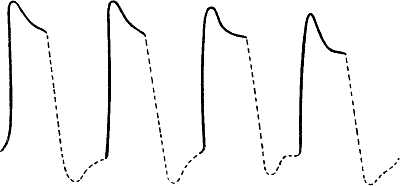
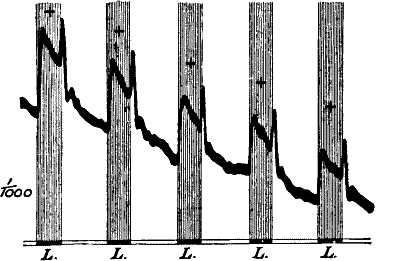
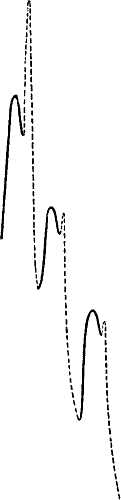
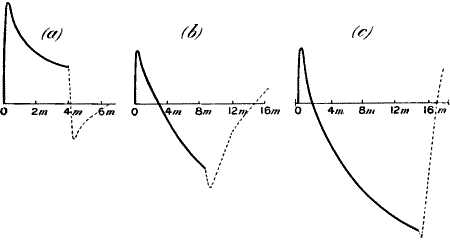
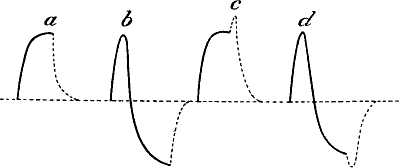
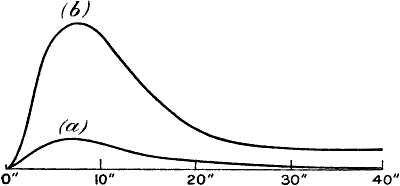
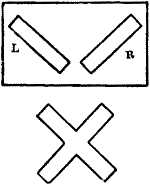
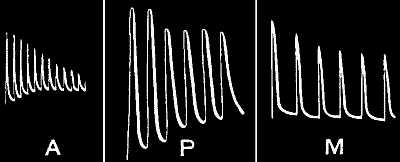
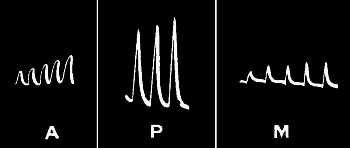
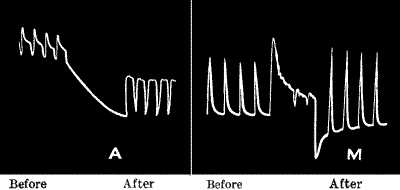
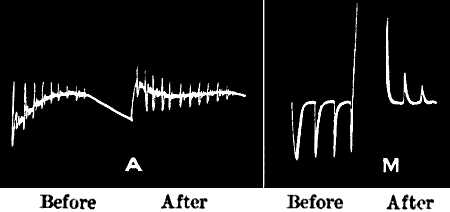
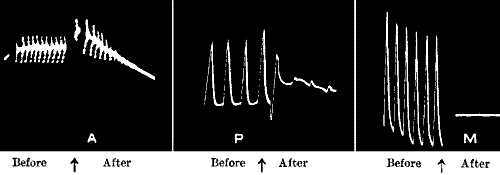
Bose systematically studied the electrical signals generated by plants, nerves, muscles and metals when they were mechanically tapped, vibrated, heated, cooled or exposed to chemicals. Using a set of recording devices (mechanical lever recorder, electric recorder, spring-tapper, torsional vibrator, vibration cell, and a 'block method' apparatus) he demonstrated that living and inorganic matter exhibit similar stimulus-response curves, including phenomena such as fatigue, diphasic variation, and after-effects. The work proposes that molecular mobility and electro-chemical disturbances underlie these universal responses.
Principles
- Electro-chemical transduction
- Mechanical-to-electrical conversion
- Molecular mobility and inertia
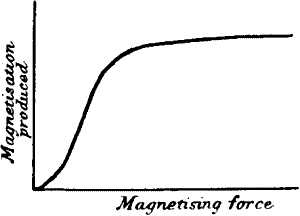
- Stimulus-response linearity and saturation
Scientific Domains
Materials
- Tin wire
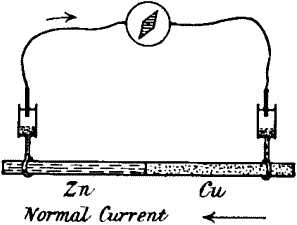
- Zinc-copper couple
- Plant specimens (celery, carrot, radish, etc.)
- Electrolyte solution
- Glass electrodes
Mechanisms of Action
- Mechanical deformation induces electrical potentials in conductive media
- Electro-chemical reactions at metal-electrolyte interfaces generate measurable currents
- Temperature and chemical reagents modulate molecular mobility, altering response amplitude
Energy Sources
Applications
- Fundamental biophysical research
- Material testing for electrical sensitivity
- Educational demonstrations of stimulus-response phenomena
Claimed Performance
Ability to detect minute electrical responses in both living and inorganic samples, with observable patterns such as diphasic variation, fatigue, and after-effects.
Experimental Evidence
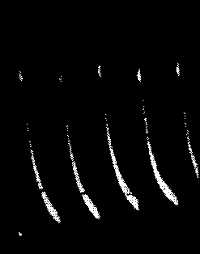
The monograph contains dozens of recorded experiments on plants, nerves, metals and inorganic substances, describing the apparatus used, stimulus conditions, and observed electrical traces.
Limitations
- Qualitative rather than quantitative measurements
- Limited to small-scale laboratory setups
- No modern electronic amplification; sensitivity constrained by era's instrumentation