Goal
Increase fuel economy, simplify engine construction, reduce manufacturing cost, and improve durability.
Problem
High fuel consumption, complex engine designs with many moving parts, high manufacturing cost, and piston wear in conventional internal-combustion engines.
Concept Summary
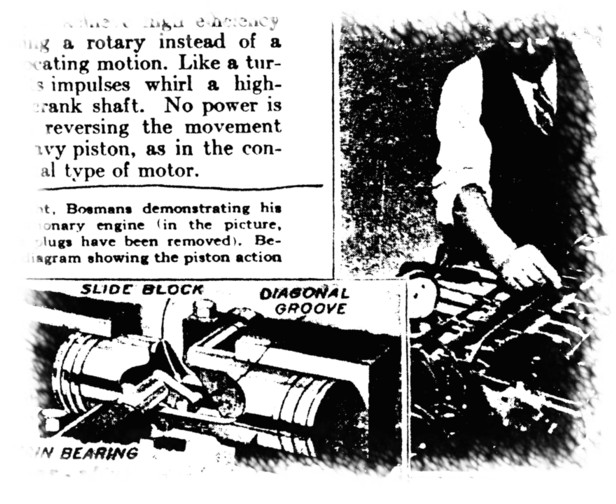
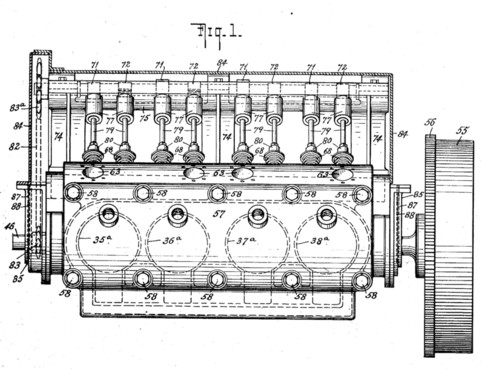
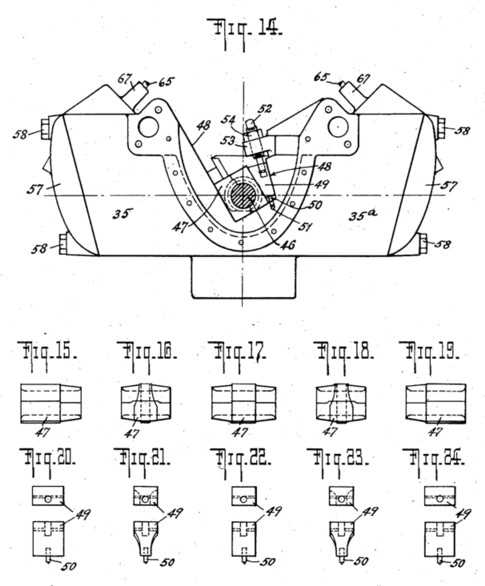
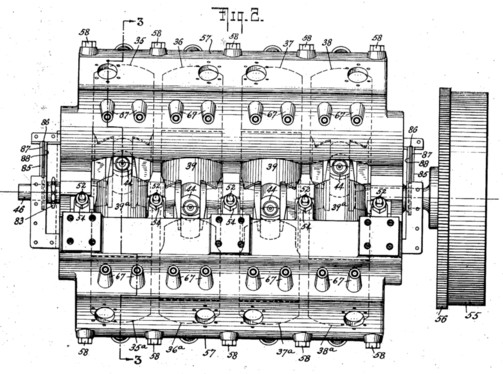
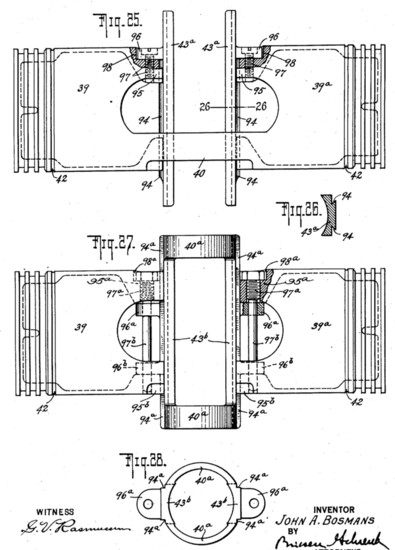
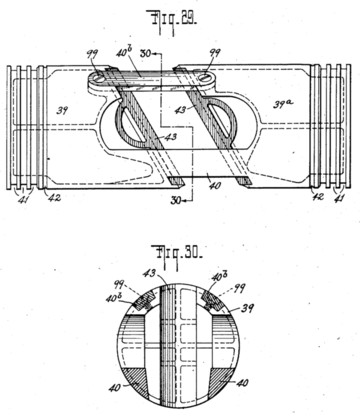
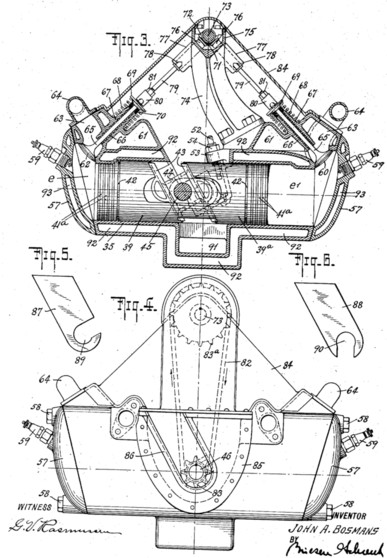
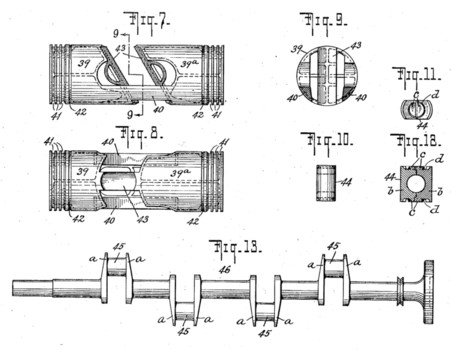
The invention is a horizontal-block, eight-cylinder internal-combustion engine that uses four double-headed pistons, each serving two opposite cylinders. When one cylinder fires, the opposite cylinder's gas is compressed, and the cycle reverses. Power is transmitted through a four-sided bearing that slides in a diagonal groove inside the piston, with the crankshaft entirely contained within the hollow piston shell. The design eliminates connecting rods, wrist pins, and a conventional crankcase, claiming a 20 % mileage increase and roughly doubled efficiency.
Principles
- Double-headed pistons operating in opposite cylinders
- Opposing-cylinder compression cycle
- Four-sided bearing sliding in a diagonal groove within the piston
- Crankshaft contained inside a hollow piston shell
- Elimination of connecting rods, wrist pins, and conventional crankcase
Scientific Domains
Mechanisms of Action
- When a cylinder fires, the opposite cylinder's gas is compressed, providing a balanced reciprocating motion.
- The diagonal-groove bearing transfers linear piston motion to rotational motion of the crankshaft.
- The hollow piston shell houses the crankshaft, reducing vibration and wear.
Energy Sources
Applications
- Automotive vehicles
- Light-weight power plants
Claimed Performance
20 % more mileage per gallon of gasoline, roughly doubled efficiency, and manufacturing cost reduced to a fraction of conventional engines.
Limitations
- No quantitative experimental data provided
- Claims are based on design description rather than tested prototypes
- Manufacturing complexity of the diagonal-groove bearing not addressed
Red Flags
- Performance claims (doubling efficiency, 20 % mileage gain) lack supporting data
- No independent verification or replication mentioned