Goal
Create a lightweight, high-power-to-weight two-stroke engine with only two moving assemblies, no oil-mixed fuel, low emissions and improved efficiency.
Problem
Inefficiencies, high friction, oil consumption, emissions and limited power-to-weight of conventional two-stroke and four-stroke internal-combustion engines.
Concept Summary
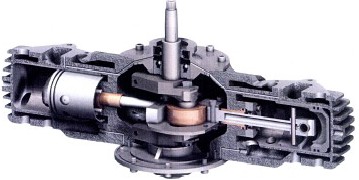
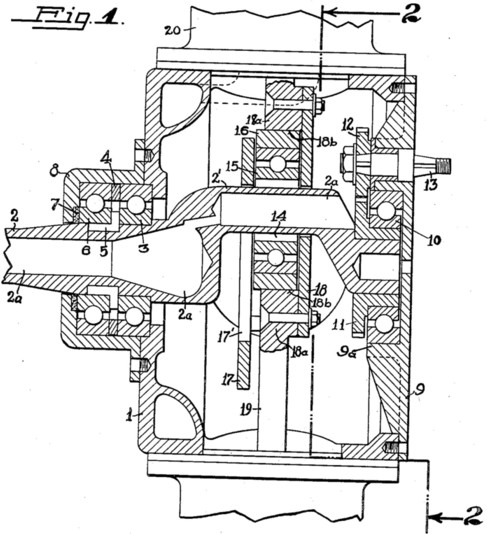
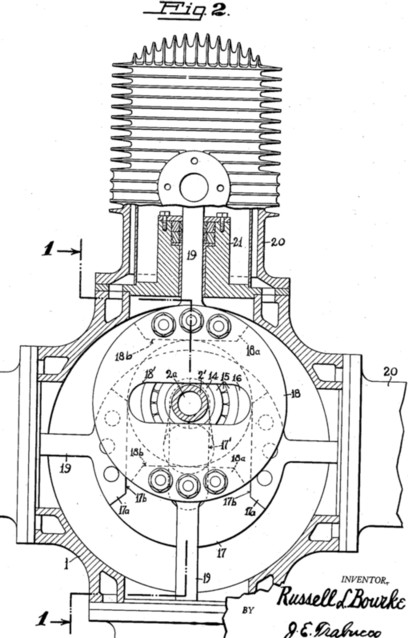
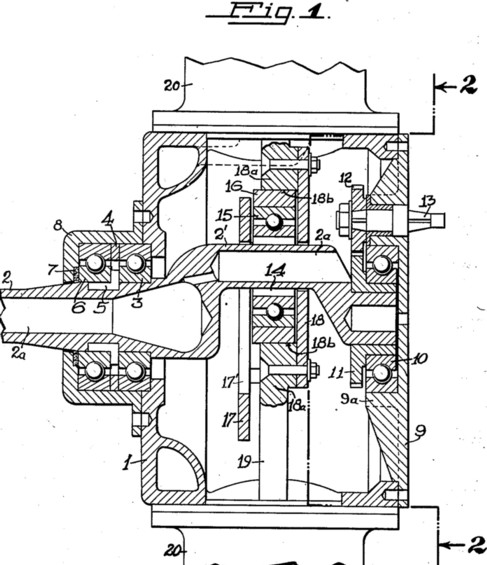
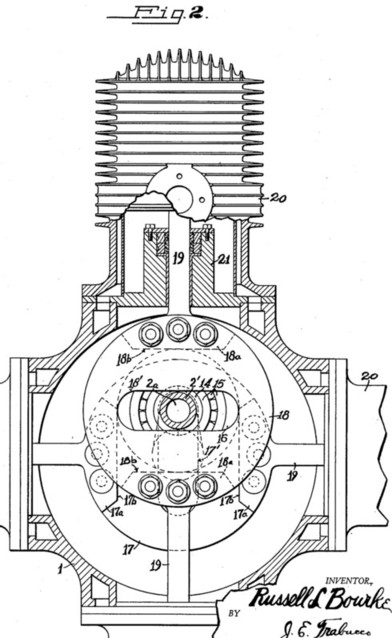
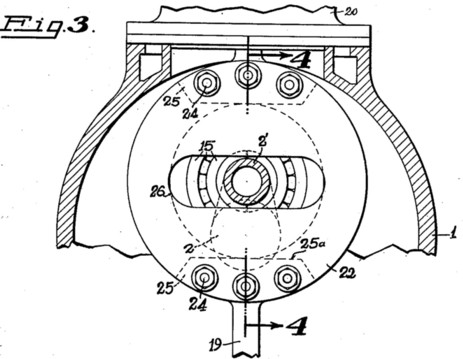
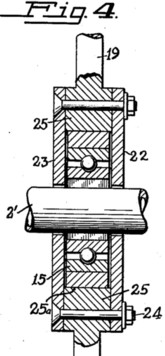
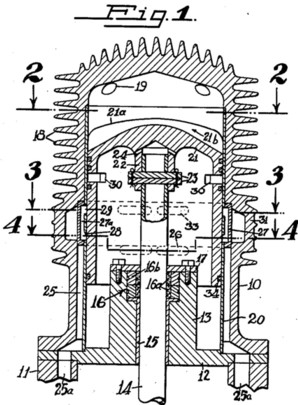
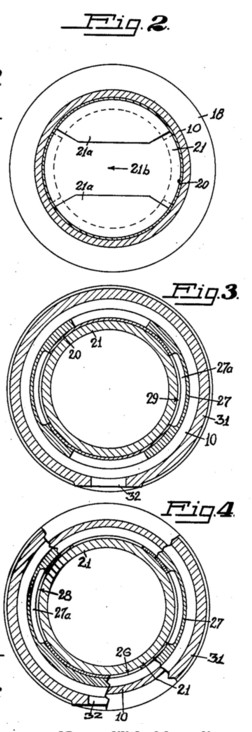
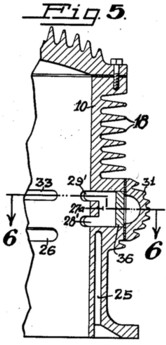
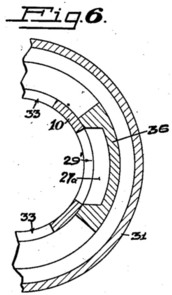
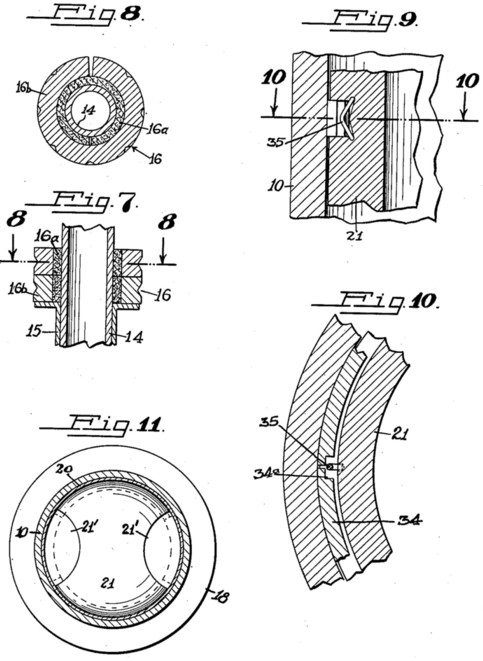
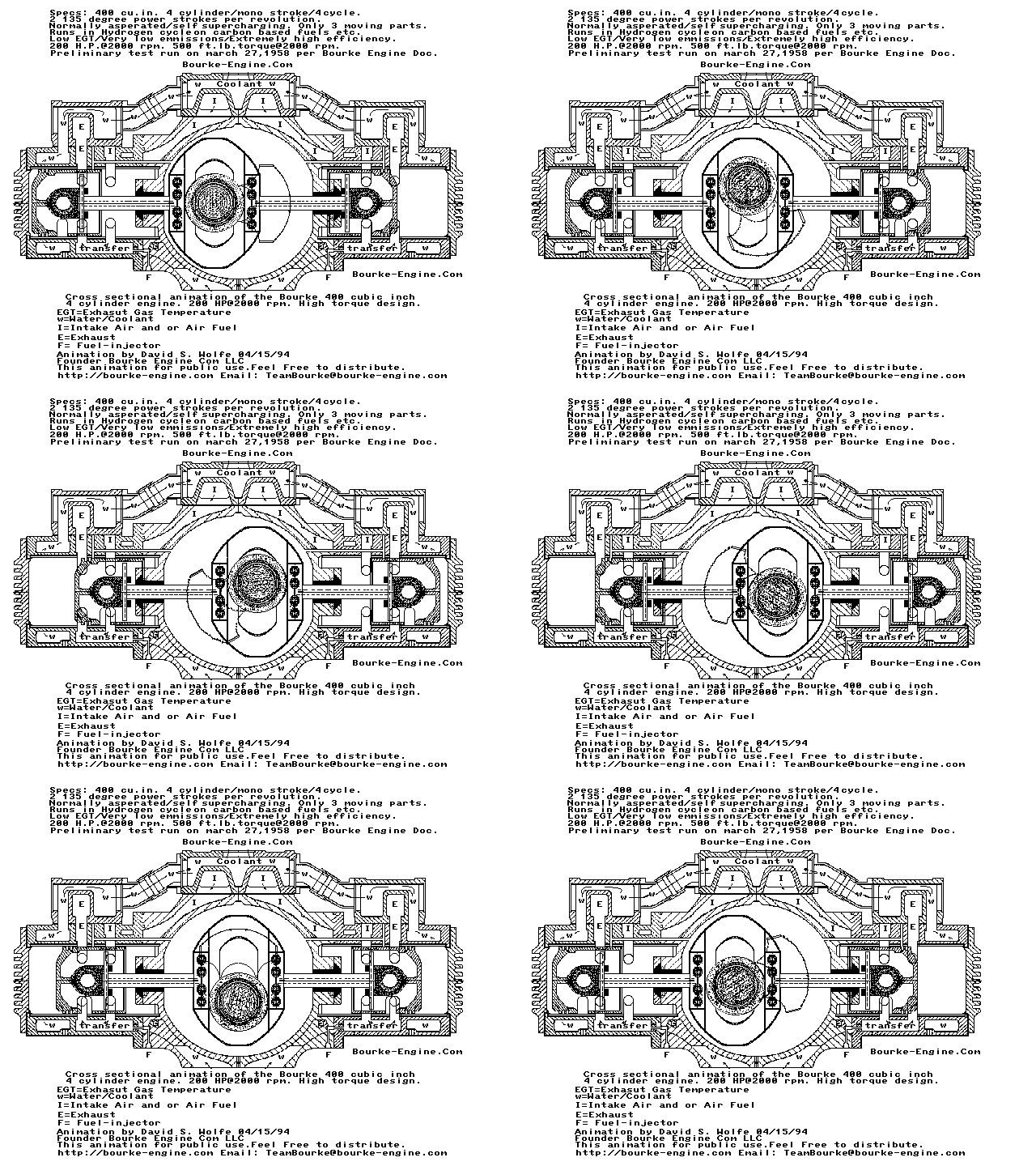
The Bourke Engine uses a pair of horizontally opposed pistons driven by a Scotch-Yoke mechanism, eliminating a crankshaft. Fuel is directly injected into the transfer port and the engine runs on auto-ignition (dieseling) after warm-up, with a dwell at top dead centre for hydrogen-detonation or complete combustion. The design features a sealed compression chamber, O-ring seals, hydrodynamic fluid bearings and low-temperature exhaust components.
Principles
- Scotch Yoke motion conversion
- Opposed piston arrangement
- Direct fuel injection
- Auto-ignition (dieseling)
- Hydrogen detonation at TDC
- Lean-burn combustion
- Reduced friction via O-ring seals
Scientific Domains
Materials
- Steel
- Aluminum
- Rubber O-rings
- Hydrodynamic fluid bearing material
- Plastic (exhaust components)
Mechanisms of Action
- Linear piston motion is converted to rotary motion by a Scotch-Yoke
- Compressed air-fuel charge ignites without a spark due to high temperature and hot metal surfaces
- Hydrogen-rich mixture detonates at top dead centre, extending dwell time for more complete burn
- Direct injection and turbulence promote fuel-air stratification
Energy Sources
Applications
- Lightweight power generation
- Marine propulsion
- Vehicle engines
- Industrial machinery
Claimed Performance
Efficiency claimed 0.25 lb/h per hp (~55.4 % thermodynamic); measured 0.9 lb/h per hp (~12.5 %). Power-to-weight claimed 0.9-2.5 hp/lb. Emissions reported <=80 ppm HC and <=10 ppm CO.
Experimental Evidence
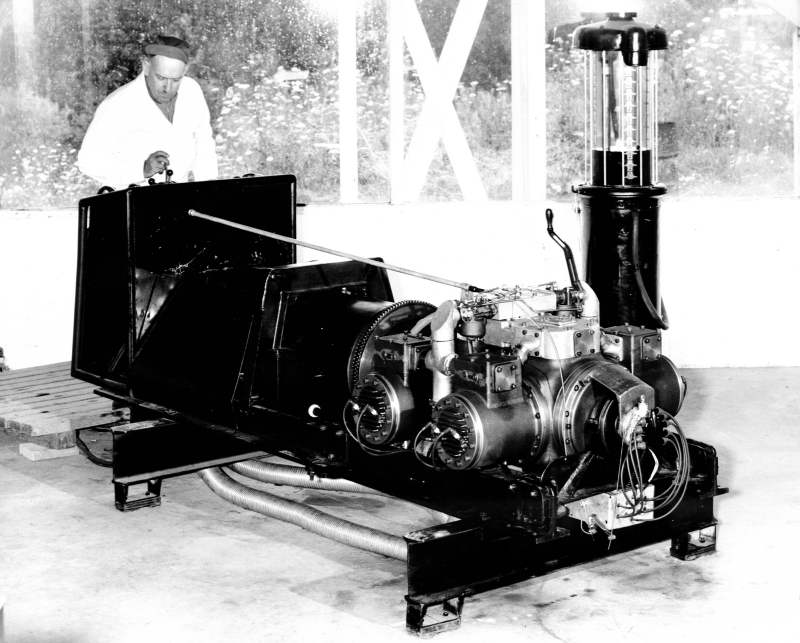
A third-party test observed fuel consumption of 1.1 hp/lb/h (~=0.9 lb/h per hp). Eyewitness videos show the engine running. Published test results list very low HC and CO emissions, but no power data.
Replication Status
No independent replication documented; performance claims remain unverified.
Limitations
- Lack of independent, peer-reviewed testing
- Potential high friction and sealing losses
- Weight may increase due to strong construction required for high pressures
- Imbalance of pistons moving in same direction
- Efficiency loss from detonation shock heating
Red Flags
- Contradictory performance claims (high efficiency vs measured low efficiency)
- Reliance on anecdotal eyewitness accounts rather than systematic data
- No independent replication or peer-reviewed validation
- Potential over-estimation of emissions reductions