Goal
Increase fuel economy and reduce emissions of internal combustion engines by supplementing with hydrogen/oxygen gas.
Problem
Low fuel efficiency, high emissions, and reliance on fossil fuels in transportation and power generation.
Concept Summary
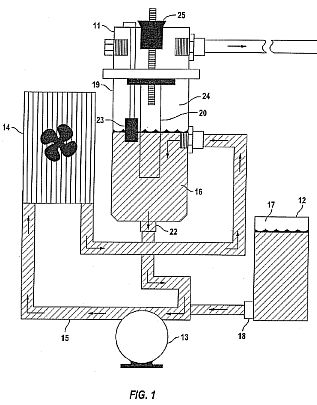
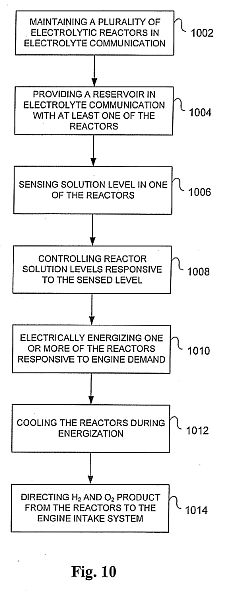
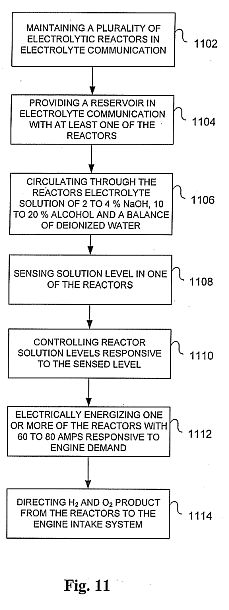
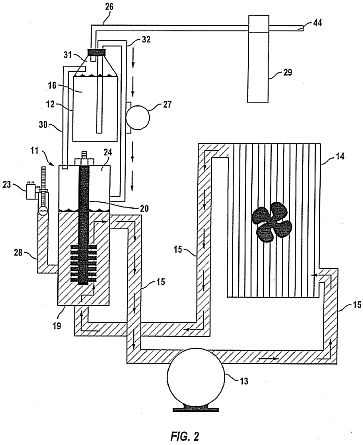
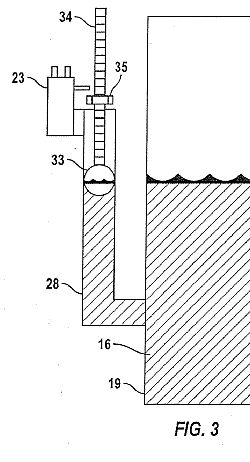
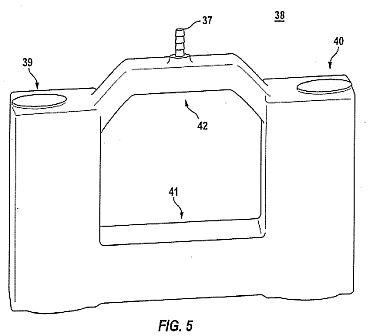
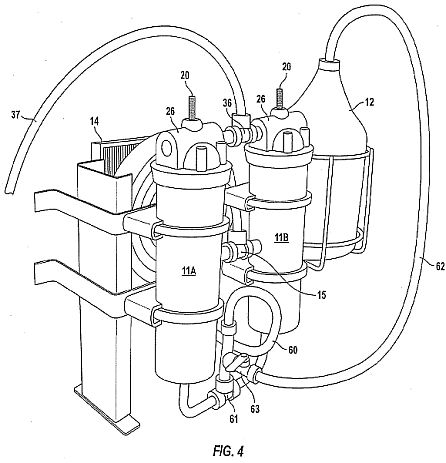
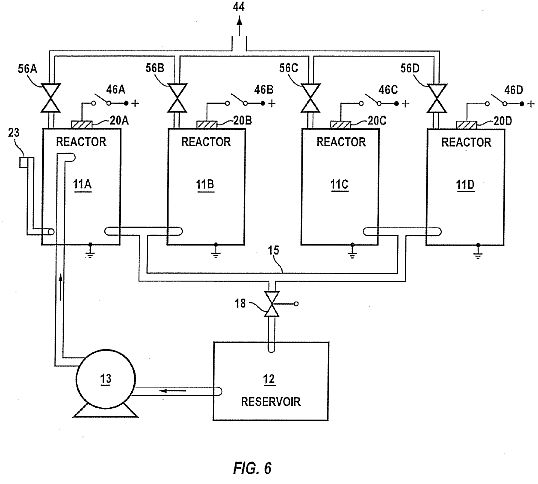
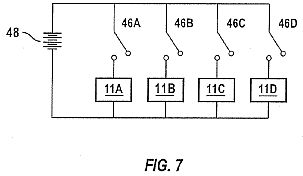
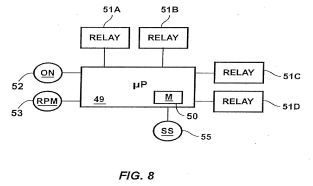
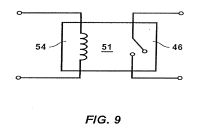
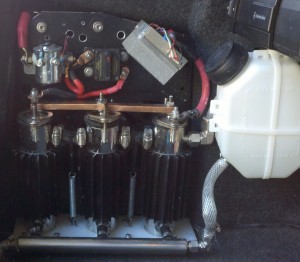
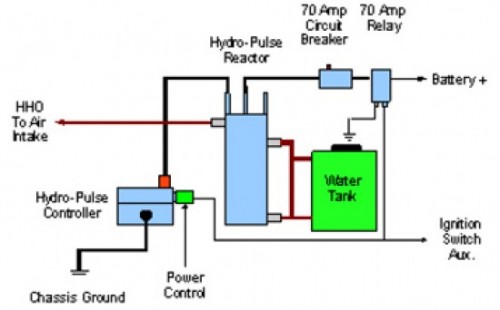
An electrolytic hydrogen generator (HHO generator) uses electricity (from the engine or an independent source) to split water (including seawater) into hydrogen and oxygen. The resulting gas mixture is injected into the engine intake, where it combines with the hydrocarbon fuel, improving combustion efficiency, reducing emissions, and purportedly doubling fuel economy.
Principles
- Electrolysis of water to produce H2 and O2
- Demand-controlled gas generation
- Injection of HHO into engine intake air
Scientific Domains
Materials
- Water (including seawater)
- Electrolyte solution
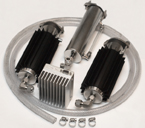
- Stainless-steel electrodes
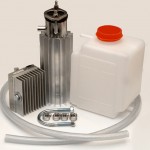
- Plastic hose and clamps
- Particulate/water filter
- Metal housing
Mechanisms of Action
- Electrolytic splitting of water
- Supplemental hydrogen/oxygen combustion
- Improved fuel-air mixture burn efficiency
Energy Sources
Applications
- Automotive fuel-economy improvement
- Power generation (coal, oil, diesel, natural-gas, nuclear plants)
- Industrial furnaces and smelters
- Marine propulsion
Claimed Performance
Produces 25-33 L HHO per minute; doubles (or more) the fuel economy of most automobiles.
Experimental Evidence
The company reports "very successful in obtaining desirable test results with the ME-1 hydrogen unit," but no quantitative data or independent verification are provided.
Limitations
- Explosion risk from pressurized H2/O2 mixture
- Energy input for electrolysis may offset fuel savings
- Dependence on reliable electrical power source
- Lack of peer-reviewed performance data
Red Flags
- Claims of "free" or dramatically increased fuel economy without independent verification
- Absence of quantitative test data or third-party replication
- Potential safety hazards associated with on-board hydrogen generation