Goal
Achieve self-running, over-unity operation (COP > 1) for mechanical power generation.
Problem
Low efficiency of conventional electric motors and the need for free-energy/over-unity power sources.
Concept Summary
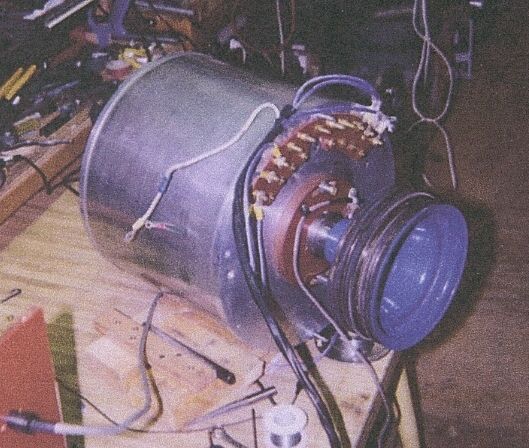
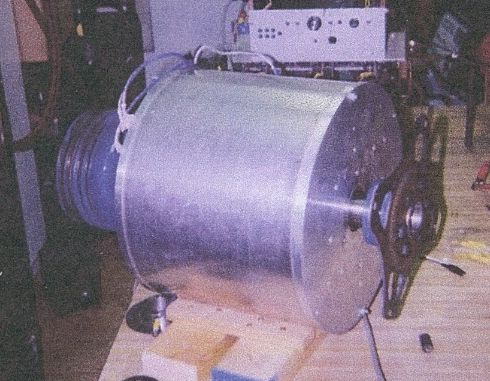
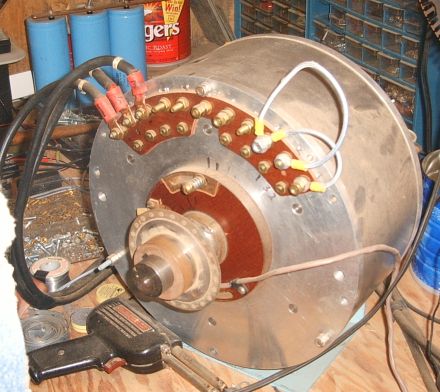
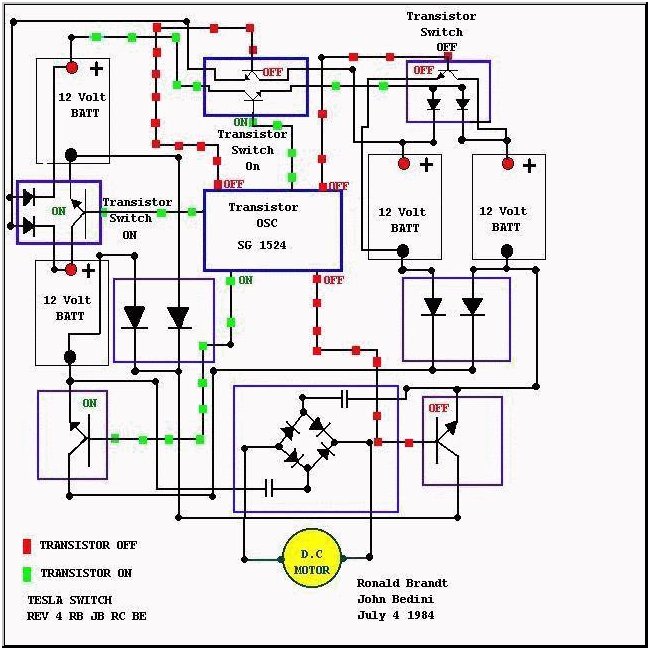
A permanent-magnet BLDC motor coupled with a custom electronic controller that switches between battery packs and harvests back-EMF surges, allegedly tapping zero-point or dipolar fields to produce output power far exceeding input electrical power.
Principles
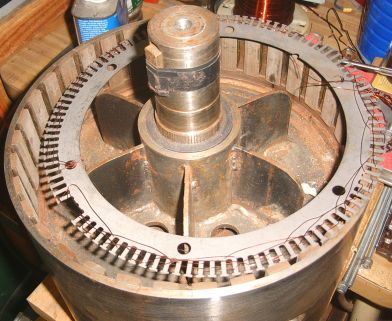
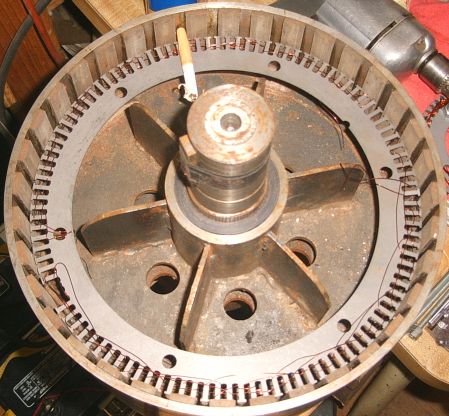
- Permanent-magnet motor construction
- Electronic switching / pulse-width modulation
- Back-EMF harvesting
- Dipolar/parapolar field interaction
Scientific Domains
Materials
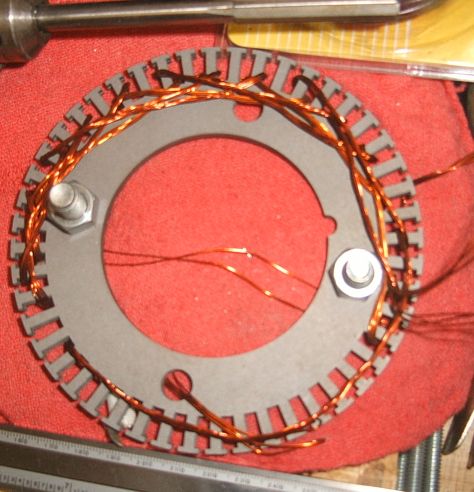
- Copper wire
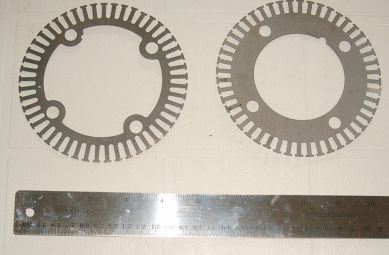
- Lamination steel sheets
- Permanent magnet material (e.g., NdFeB)
- Yarn (for winding identification)
- Performance fluid (Freon-type refrigerant)
- Fluorinert
Mechanisms of Action
- Magnetic field interaction between permanent magnets and stator windings
- Rapid electronic switching to synchronize with back-EMF peaks
- Alleged tapping of zero-point or dipolar energy fields
Energy Sources
Applications
- Vehicle propulsion
- Standalone power generation
- Compact high-power motor for industrial use
Claimed Performance
COP up to 932x (~=93 200 % efficiency); 60 hp output with <1 A input at 48 V; 400 % efficiency reported initially; 500 hp demonstrated on a dynamometer.
Experimental Evidence
Dynamometer (Prony brake) tests reported 60 hp output with <1 A input (48 V) yielding COP ~= 932; earlier reports of 400 % efficiency; comparison with Joseph Newman's tests showing efficiencies up to 700 % at higher voltages.
Replication Status
No independent replication documented; attempts with lower-grade commercial electronics have not achieved consistent over-unity.
Limitations
- Requires high-grade surplus military electronics; lower-grade parts have not reproduced over-unity
- Claims rely on anecdotal reports and unpublished test data
- No peer-reviewed validation or independent replication
Red Flags
- Extraordinary over-unity performance claims without quantitative, peer-reviewed data
- Heavy reliance on personal testimonies and unpublished PDFs
- Potential for scam or false advertising given high controversy level