Goal
Disarm MRSA bacteria by inhibiting quorum-sensing and toxin production without killing the microbes.
Problem
Antibiotic-resistant Staphylococcus aureus (MRSA) skin infections.
Concept Summary
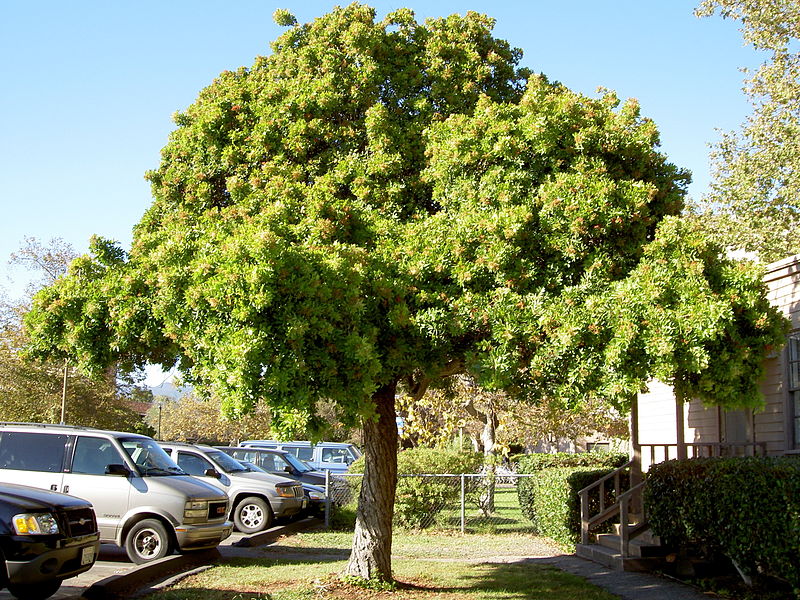
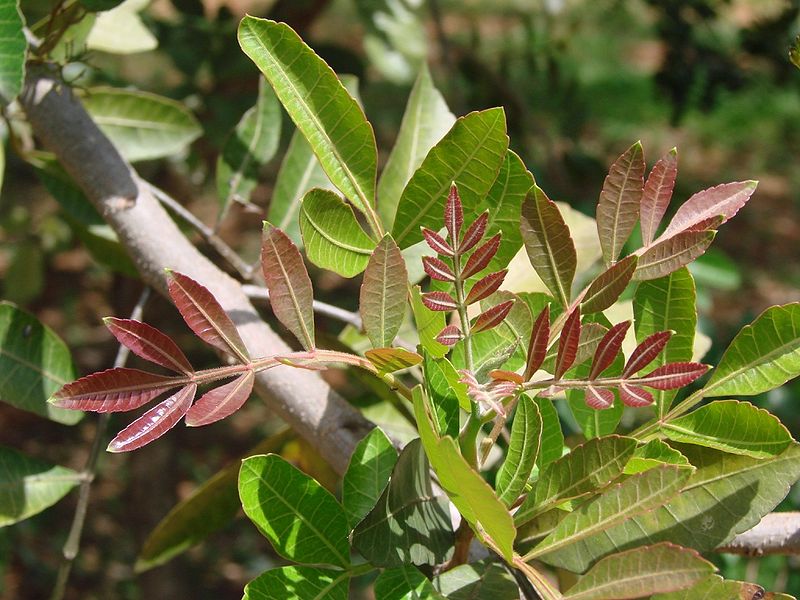
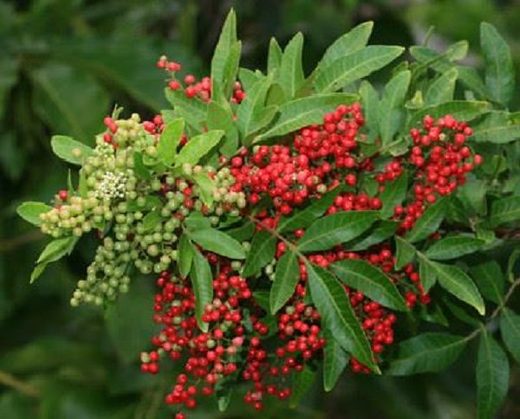
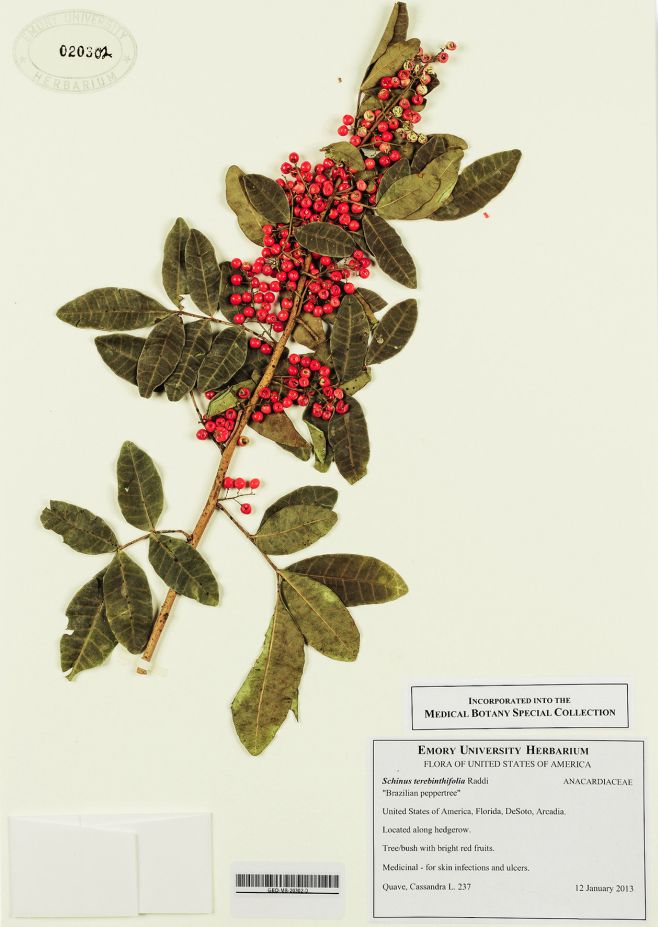
A flavone-rich extract derived from the berries of the Brazilian peppertree (Schinus terebinthifolius) represses a gene required for bacterial communication (quorum sensing). This "quorum-quenching" blocks toxin secretion, preventing skin lesions in a mouse MRSA infection model while leaving normal skin flora unharmed.
Detailed Description
Researchers at Emory University isolated the chemical constituents of Brazilian peppertree berries and identified a flavone-rich fraction that inhibits the expression of a quorum-sensing gene in MRSA. In mice infected with MRSA, topical application of the refined extract reduced skin lesion formation and did not damage mouse skin or beneficial skin bacteria. The mechanism is anti-virulence rather than bactericidal, aiming to "disarm" the pathogen and allow the host immune system to clear the infection.
Principles
- Quorum quenching
- Anti-virulence therapy
- Flavone phytochemical activity
- Gene repression
Scientific Domains
Materials
- Brazilian peppertree berries (Schinus terebinthifolius)
- Flavone-rich plant extract
Mechanisms of Action
- Inhibits quorum-sensing gene expression in MRSA
- Reduces toxin production
- Disarms bacterial collective behavior
Applications
- Topical treatment of MRSA skin infections
- Anti-virulence therapeutic development
- Wound care adjunct
Claimed Performance
In mouse studies the flavone-rich extract prevented MRSA-induced skin lesions and did not harm mouse skin or normal skin microbiota.
Experimental Evidence
The researchers demonstrated that a refined, flavone-rich composition extracted from the berries inhibits formation of skin lesions in mice infected with MRSA, working by repressing a quorum-sensing gene rather than killing the bacteria.
Limitations
- No human clinical data yet
- Potential skin irritation from plant compounds (e.g., urushiol-like phenols)
- Standardization of extract composition required
Red Flags
- Possible dermatitis from Anacardiaceae phenols (urushiol, cardol)