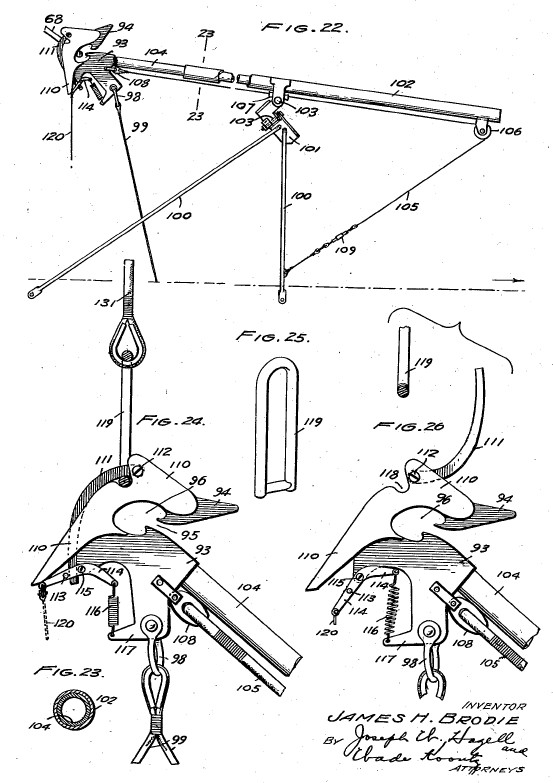
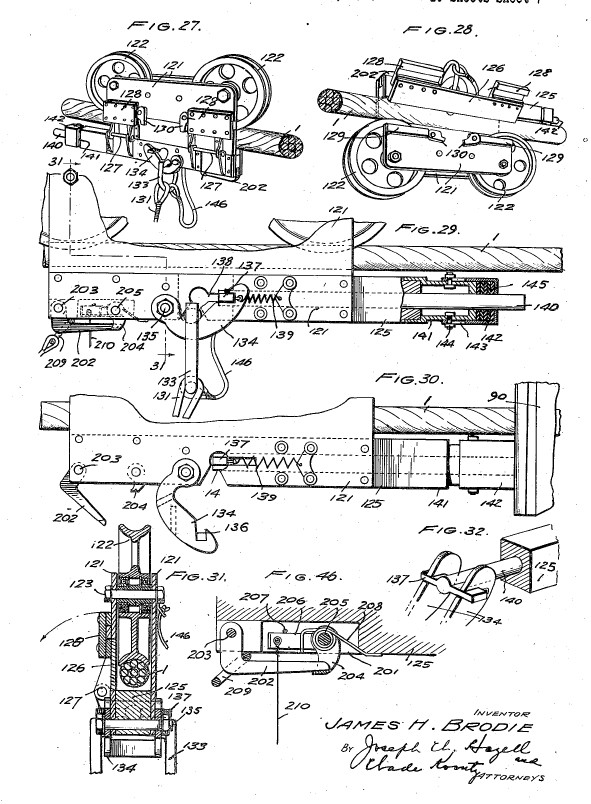
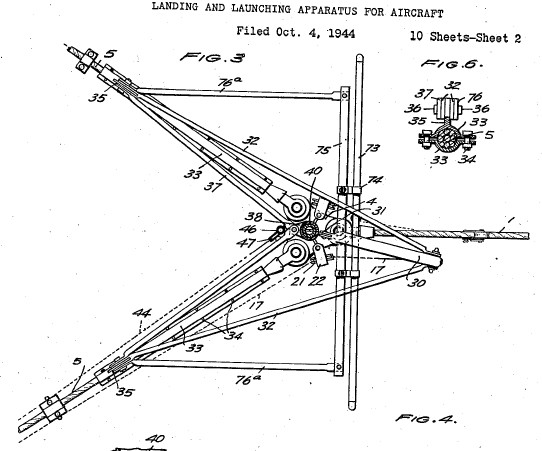
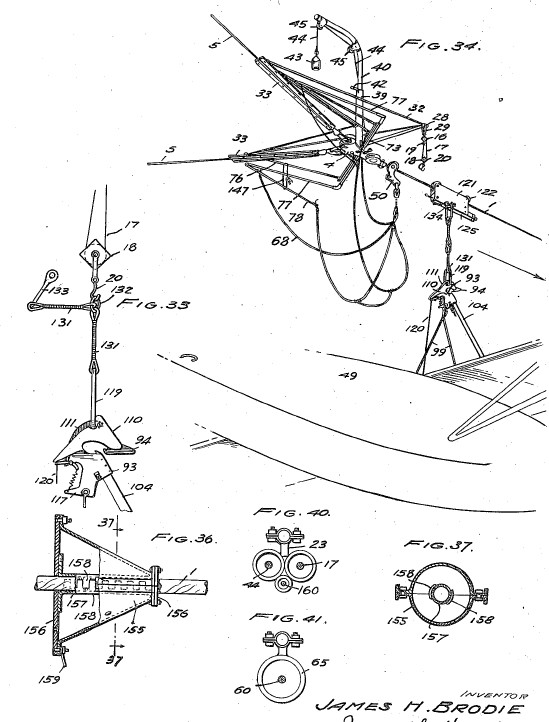
Goal
Provide a lightweight, quickly deployable runway for aircraft take-off and landing without the need for a conventional ground strip.
Problem
Lack of suitable airfields in remote, maritime, or winter-bound locations and the difficulty of installing permanent runways on ships or rugged terrain.
Concept Summary
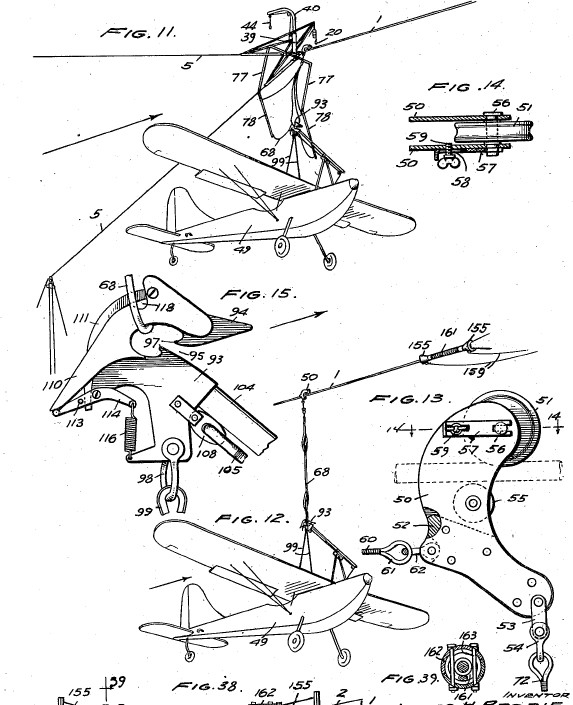
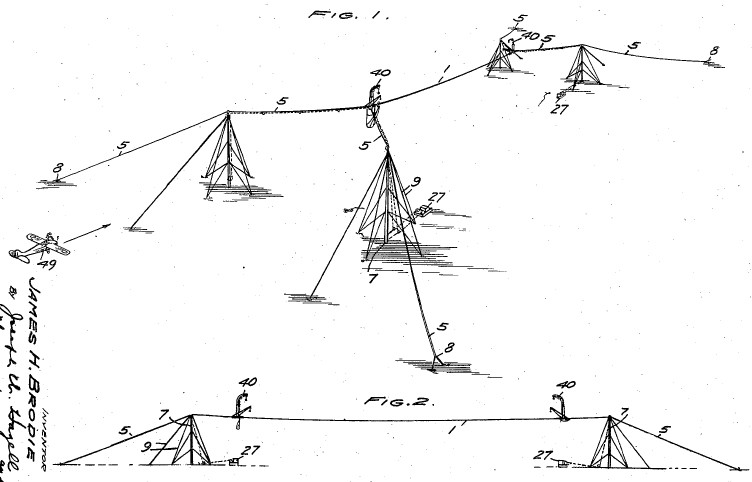
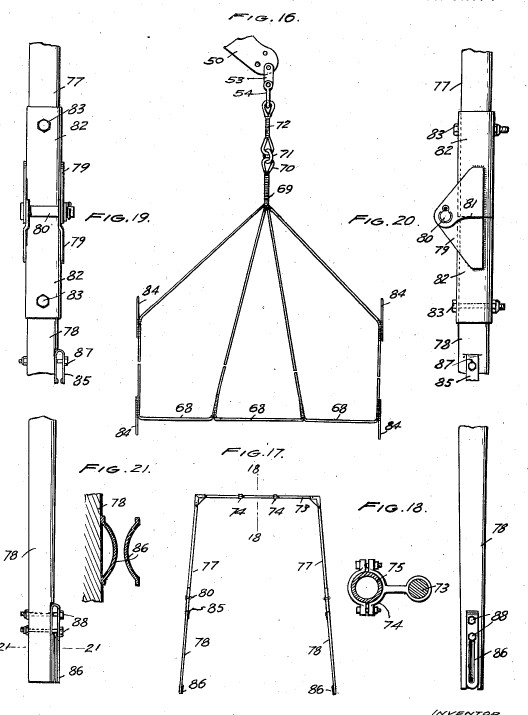
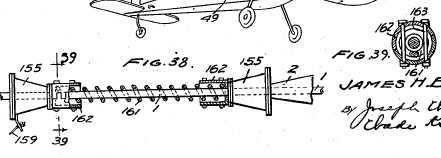
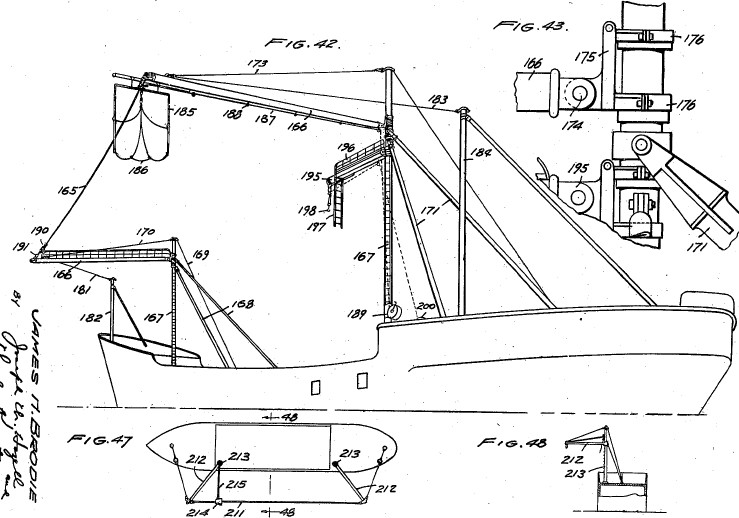
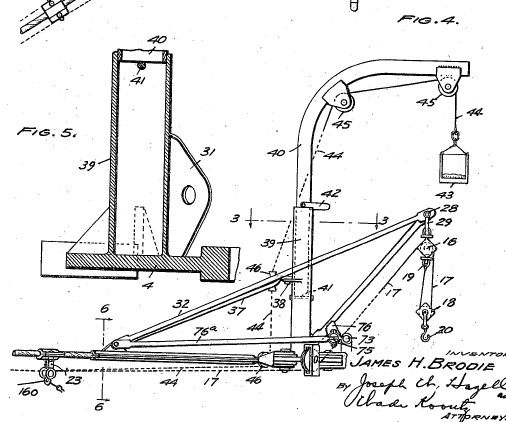
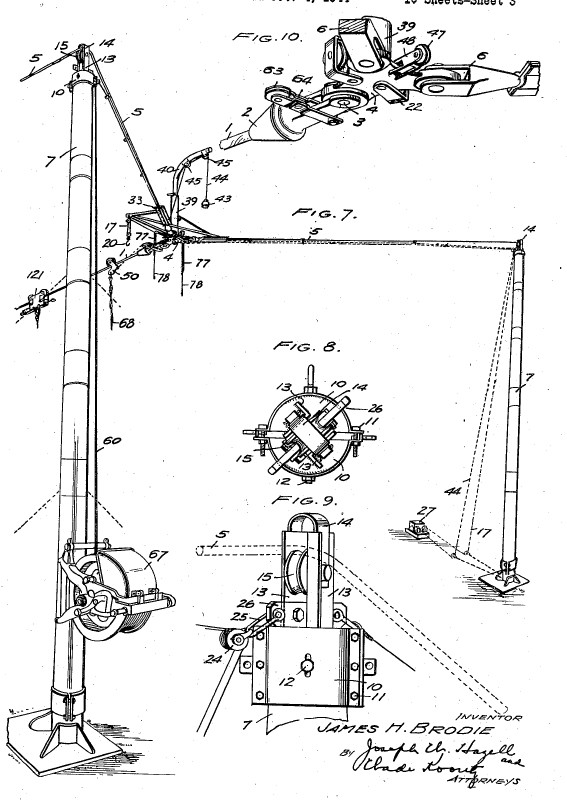
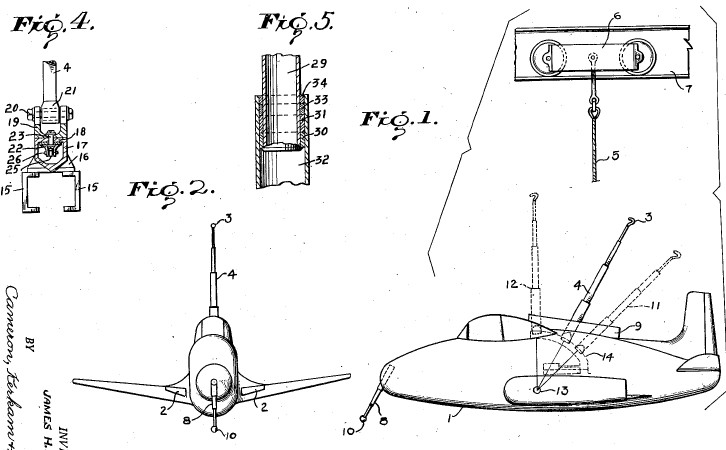
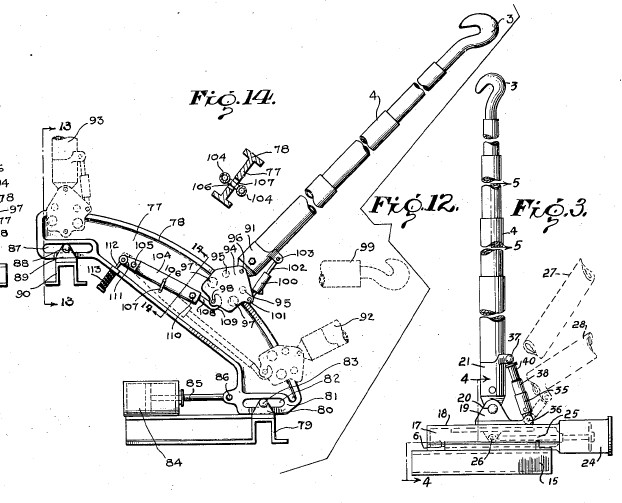
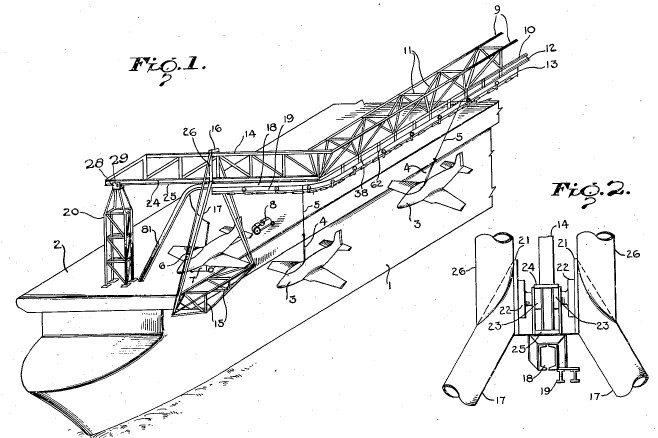
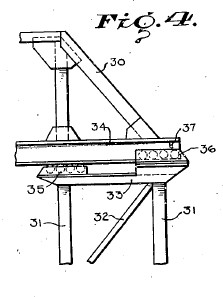
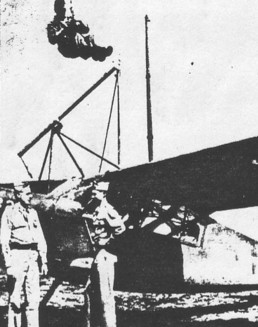
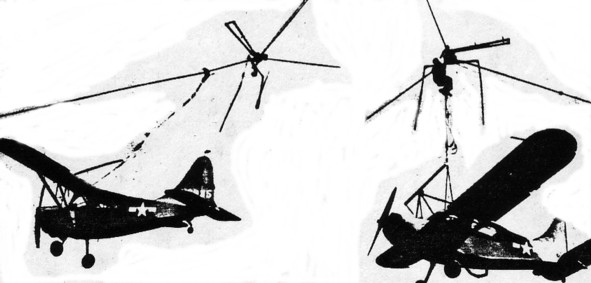
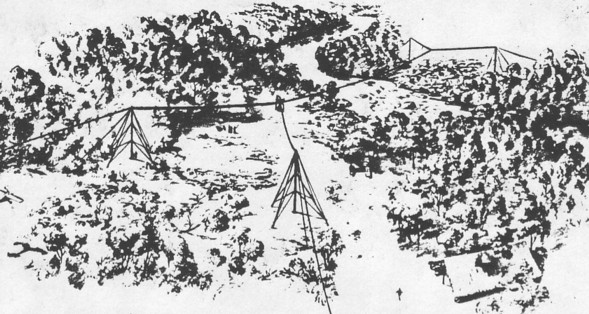
A cable-rigged system suspended between four tall masts (or ship booms) that forms a taut 'skyhook' on which light aircraft can land and launch. The entire structure weighs about 6,000 lb, can be packed, parachuted, and erected by a small crew within a few hours, turning any ship, mountain valley, or building roof into a temporary airstrip.
Principles
- Cable tension and support
- Mechanical load distribution
- Aircraft aerodynamic lift combined with cable hook engagement
- Gravity-assisted descent and thrust-assisted launch
Scientific Domains
Materials
- Steel cable
- Aluminum or steel masts
- Wooden or steel boom extensions
- Parachute fabric for transport
Mechanisms of Action
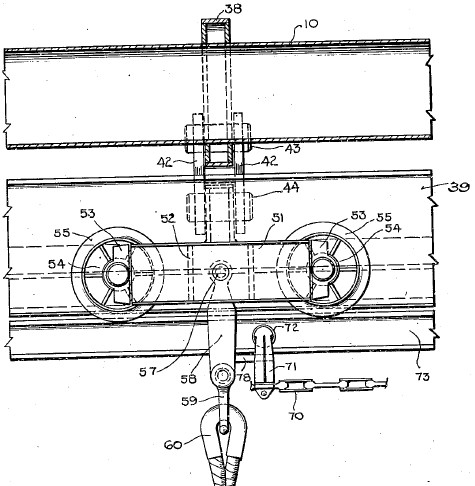
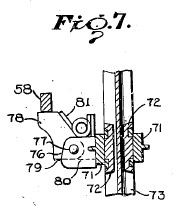
- Aircraft descends onto a taut steel cable using a hook or wheel that engages the cable.
- Cable tension bears the aircraft weight while the masts or ship booms provide vertical support.
- For launch, the aircraft accelerates along the cable, using its own thrust to overcome drag and lift off.
Applications
- Ship-to-shore passenger and mail ferrying
- Emergency winter airports where ground runways are snowbound
- Mountain-valley or remote-area airstrips
- Urban rooftop air commuter stations
Claimed Performance
Portable airfield weighs ~6,000 lb; can be packed, parachuted, and set up by a 6-man crew in a couple of hours; supports light planes for take-off and landing.
Experimental Evidence
First field test in New Orleans, September 1943; sea trial in December 1943 using the rig strung between two long booms over the motor ship *City of Dalhart* in the Gulf of Mexico.
Limitations
- Weight (~6,000 lb) limits rapid redeployment
- Requires four tall masts or equivalent ship booms
- Suitable only for light aircraft with low landing speeds
- Performance dependent on cable tension and wind conditions
Red Flags
- No independent third-party verification of performance claims
- Safety concerns for aircraft-cable interaction at higher speeds