Goal
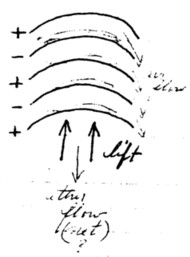
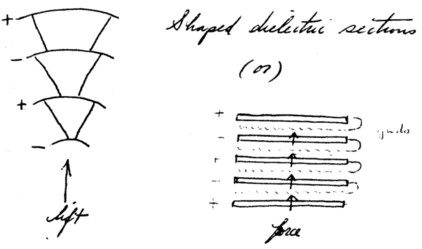
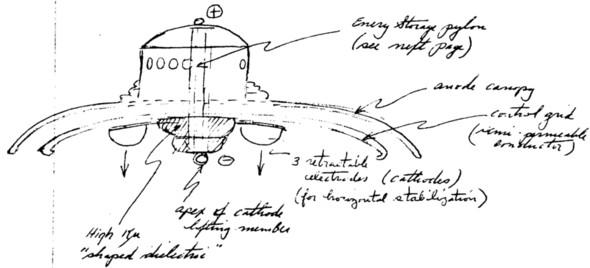
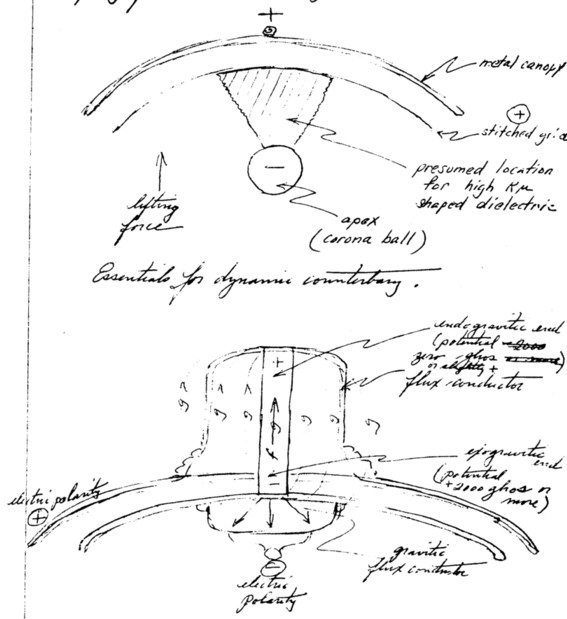
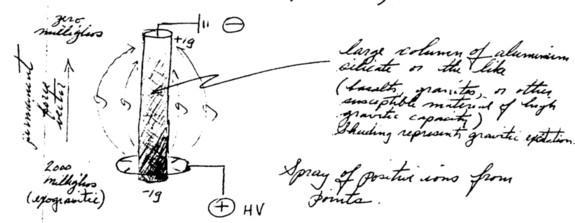
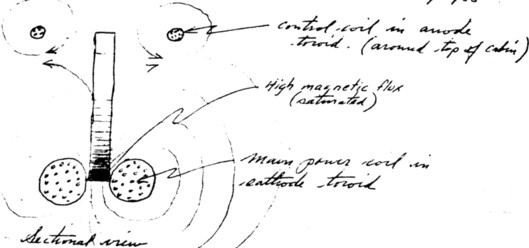
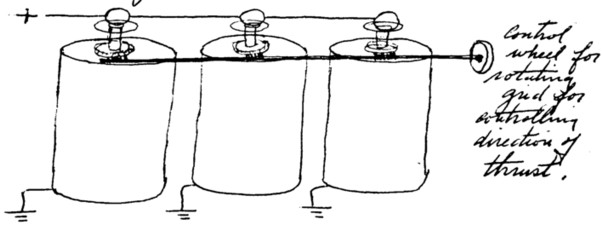
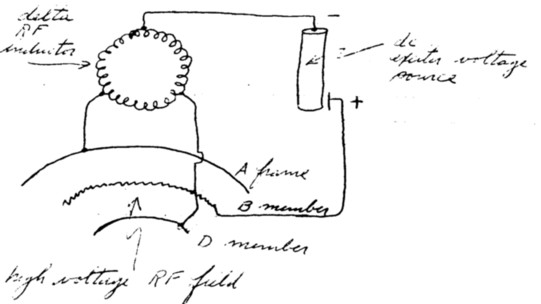
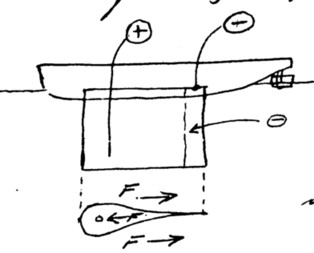
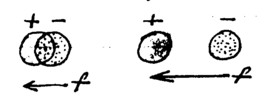
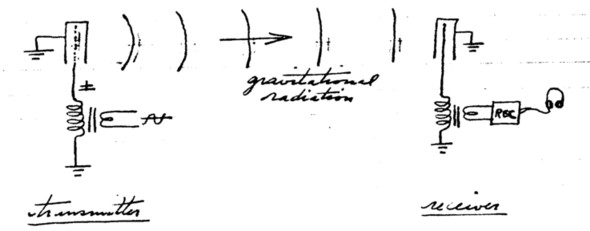
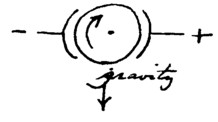
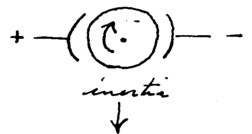
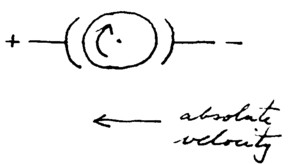
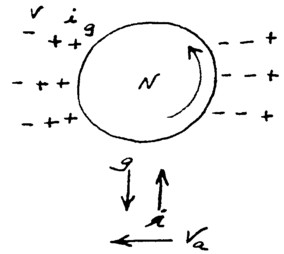
Produce thrust or apparent weight change by coupling high-voltage electrical fields with hypothesized gravitational isotopes.
Problem
Lack of efficient, low-cost propulsion and gravity-control methods for space travel and other applications.
Concept Summary
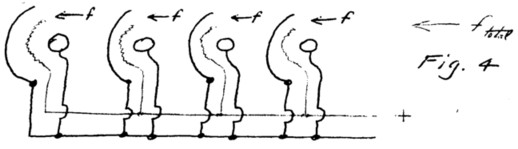
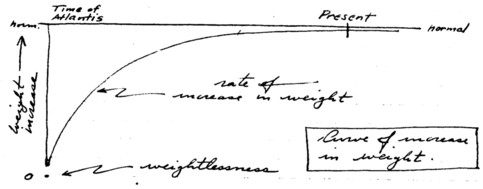
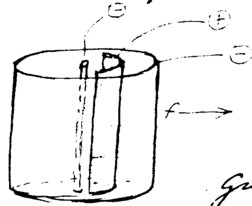
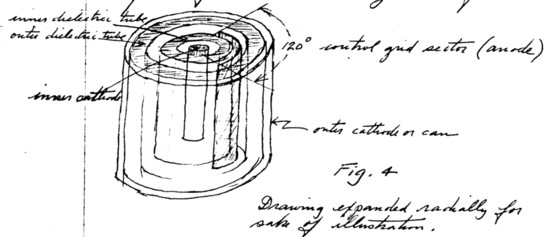
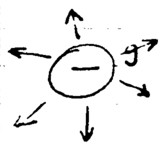
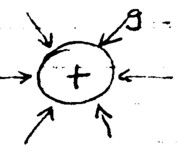
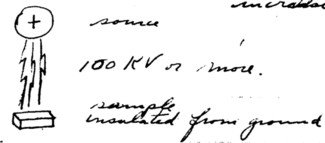
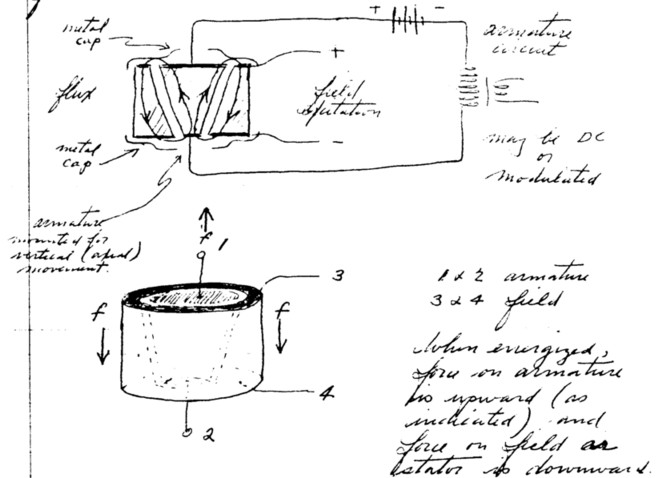
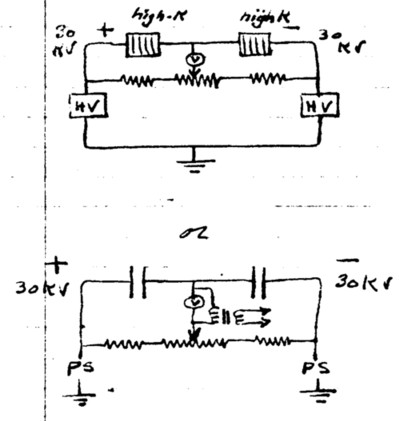
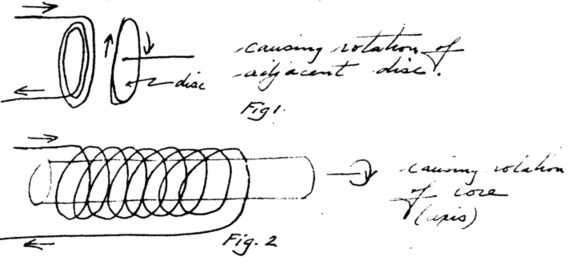
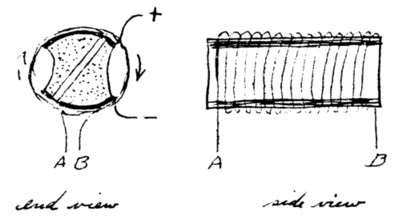
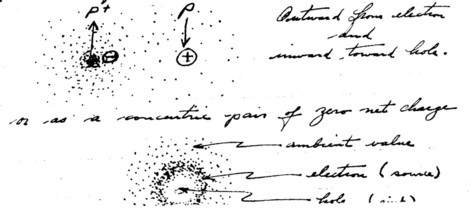
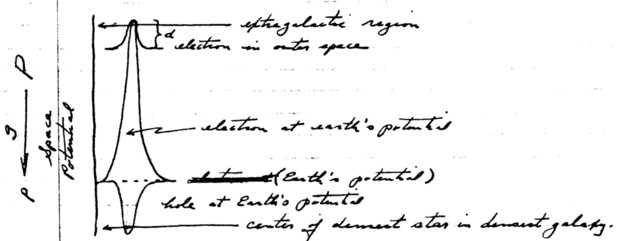
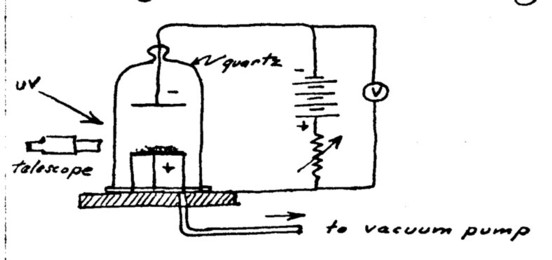
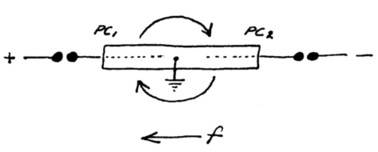
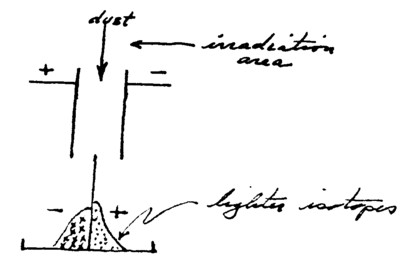
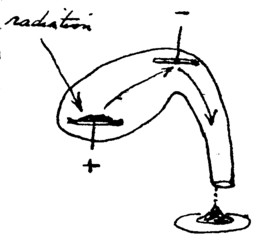
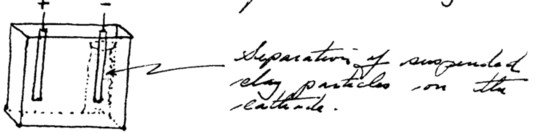
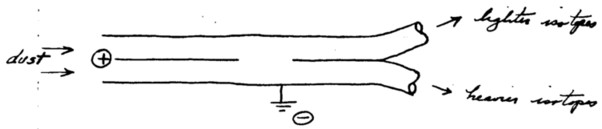
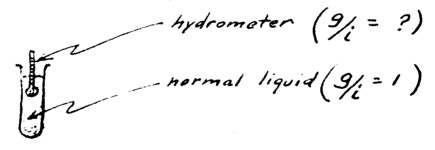
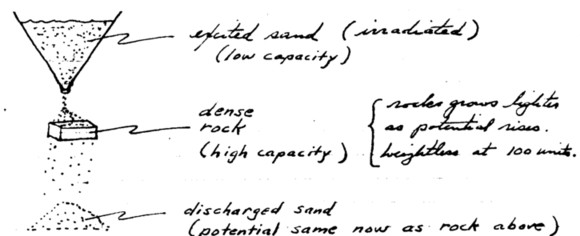
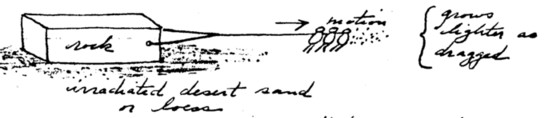
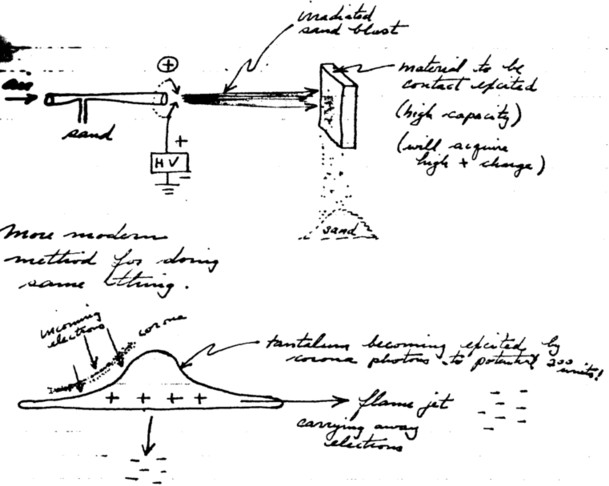
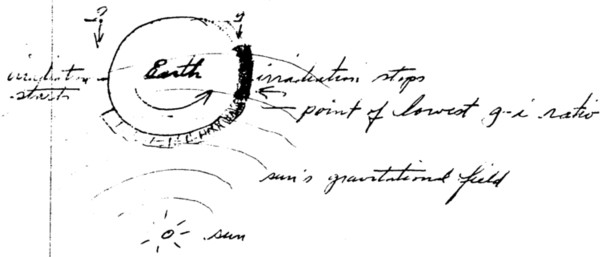
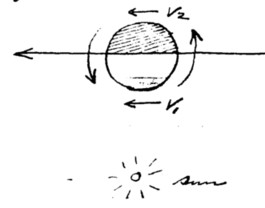
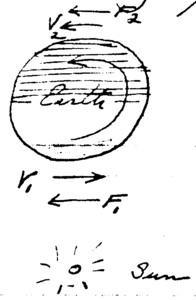
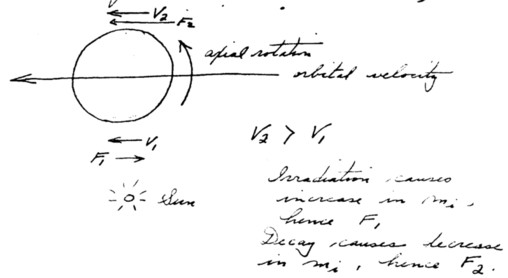
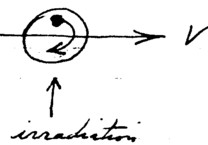
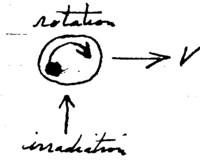
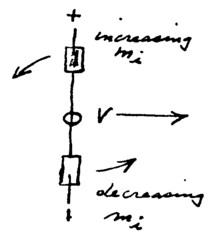
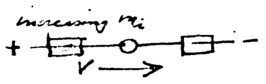
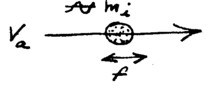
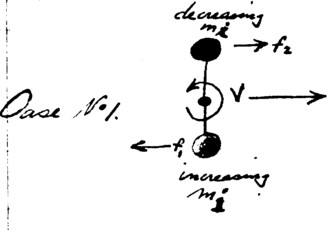
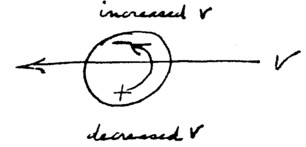
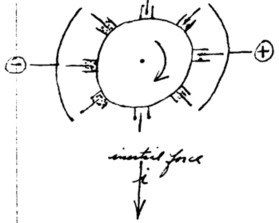
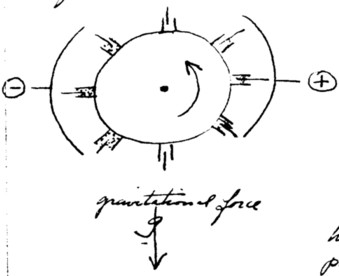
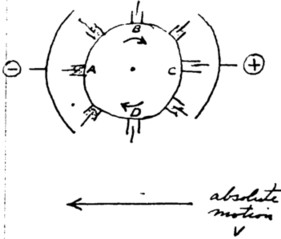
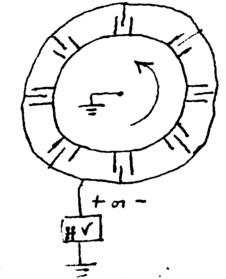
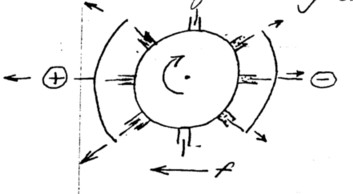
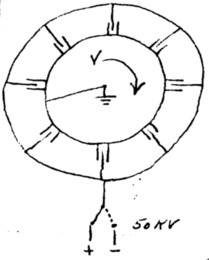
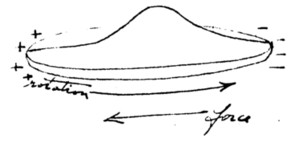
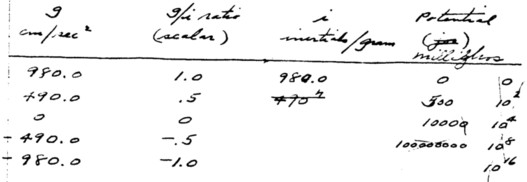
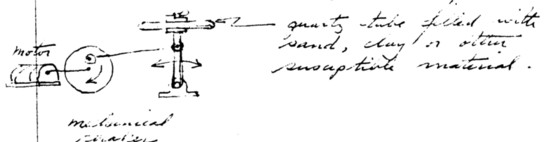
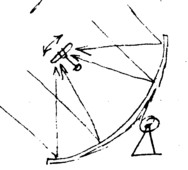
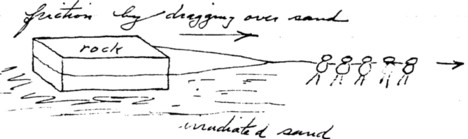
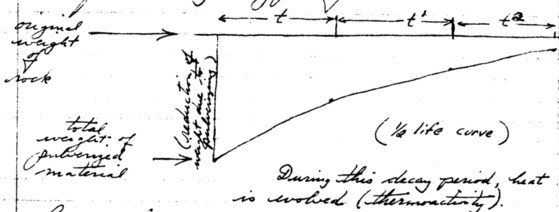
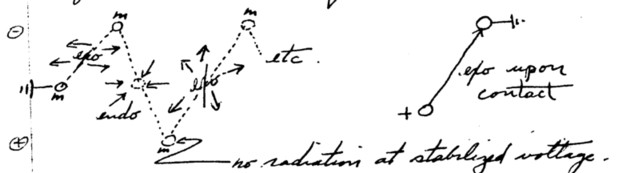
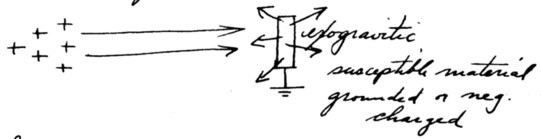
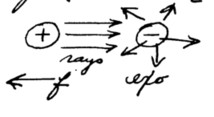
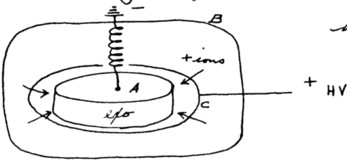
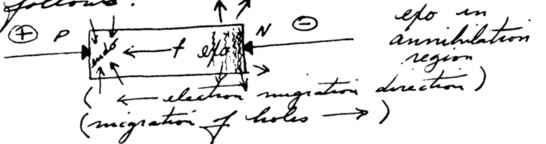
Brown hypothesises that matter contains 'gravitational isotopes' whose inertial and gravitational masses can be altered by electrical potentials, photon irradiation, or friction. By applying high-voltage fields, UV light, or charged particle impacts to materials such as quartz or silicates, he reports weight loss, thrust, or dielectric effects that could be harnessed for propulsion or energy generation.
Principles
- Electrogravitic coupling between electric fields and gravitational mass
- Photon-induced excitation of photo-isotopes
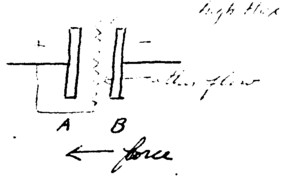
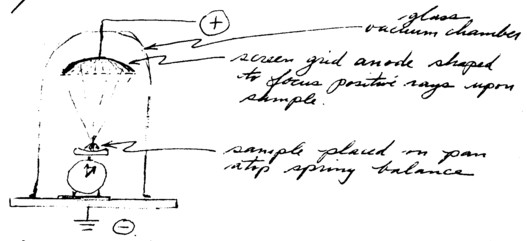
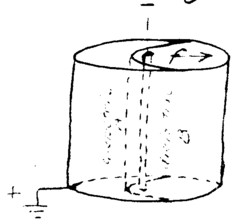
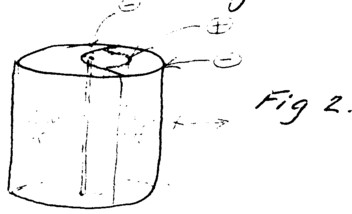
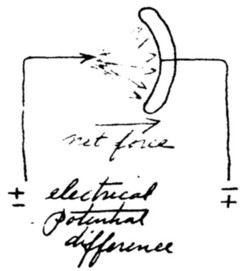
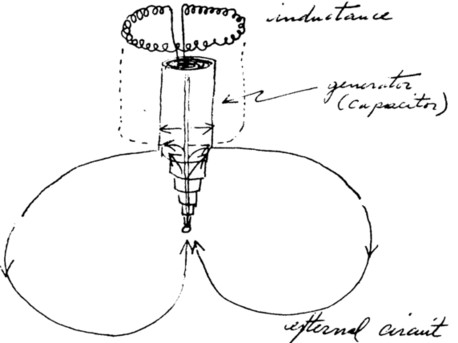
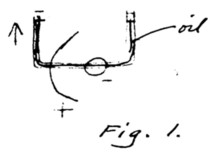
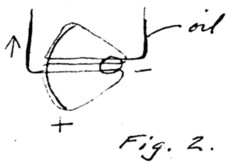
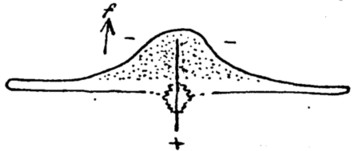
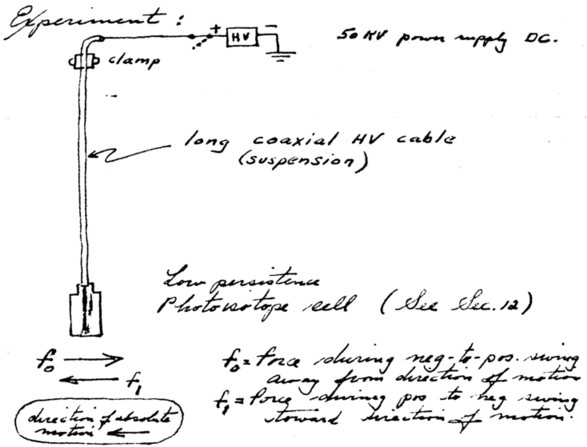
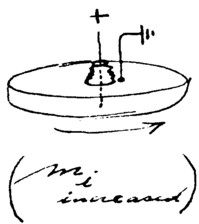
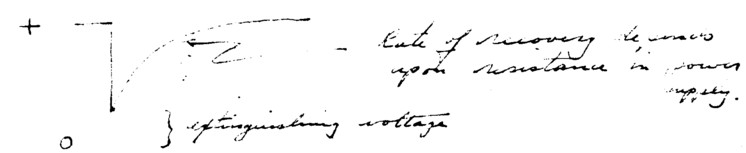
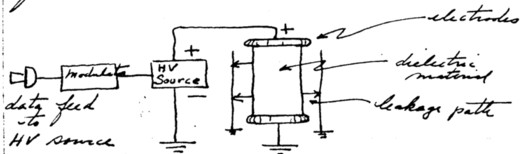
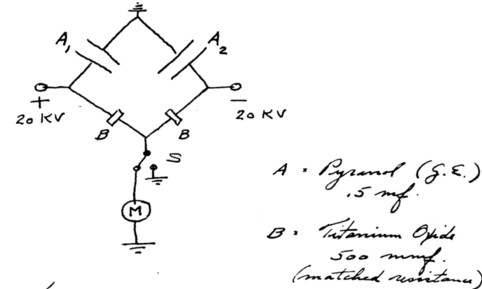
- High-voltage capacitor discharge in vacuum (impulse effect)
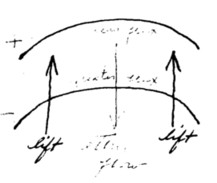
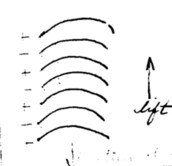
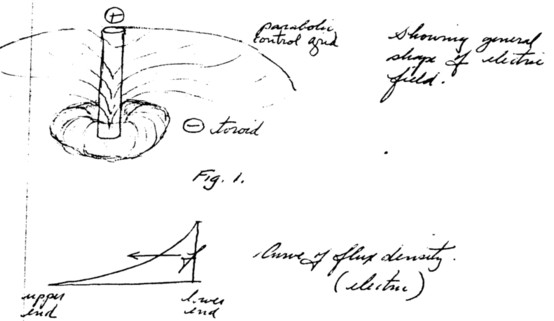
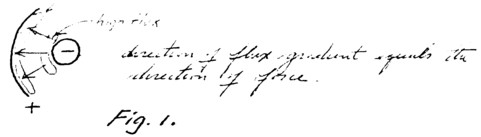
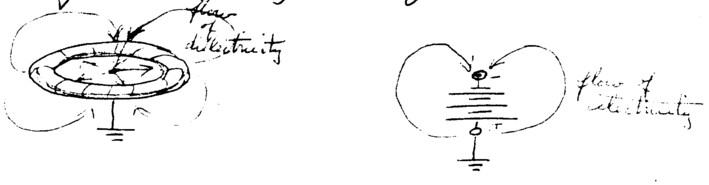
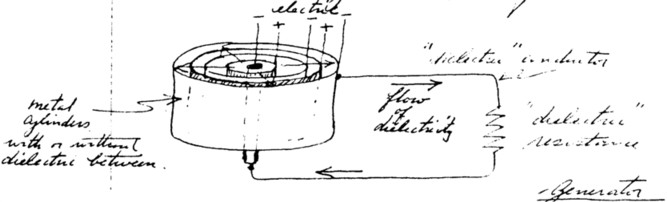
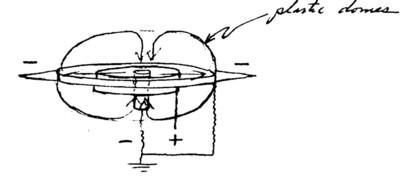
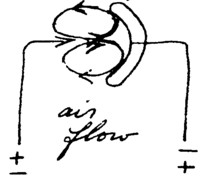
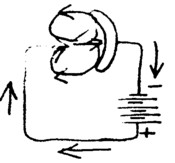
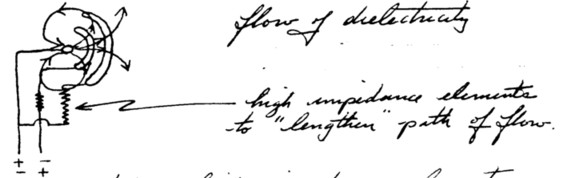
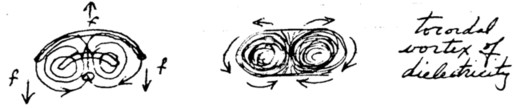
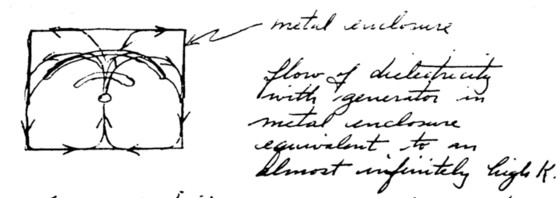
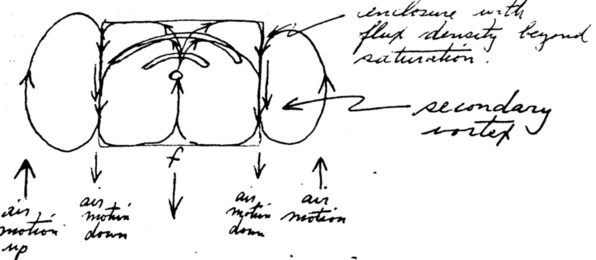
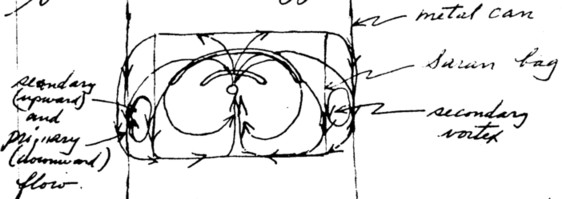
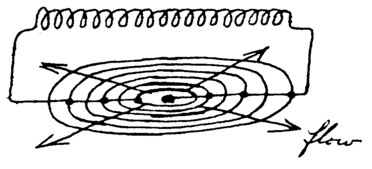
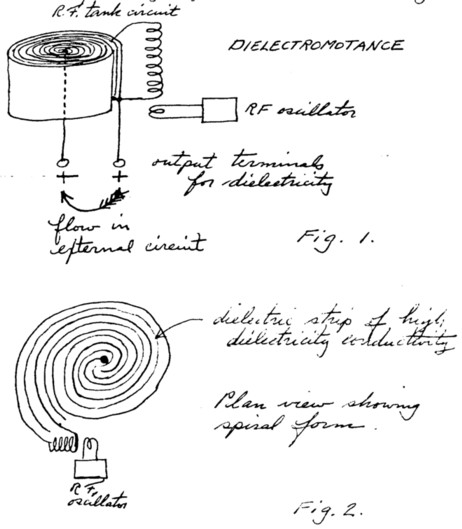
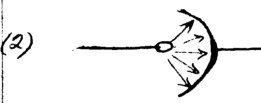
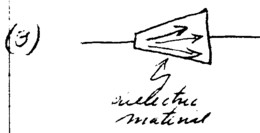
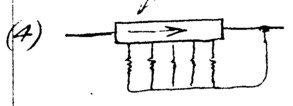
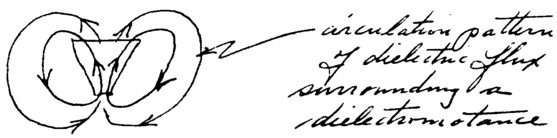
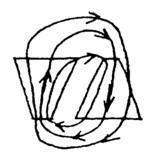
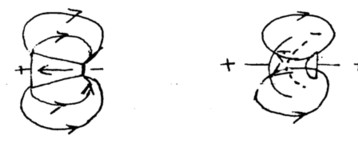
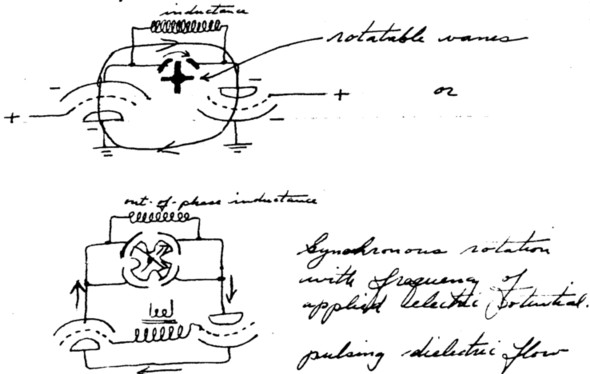
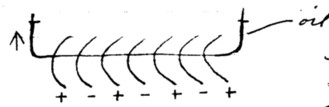
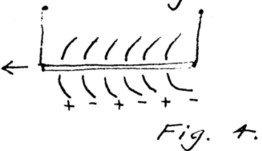
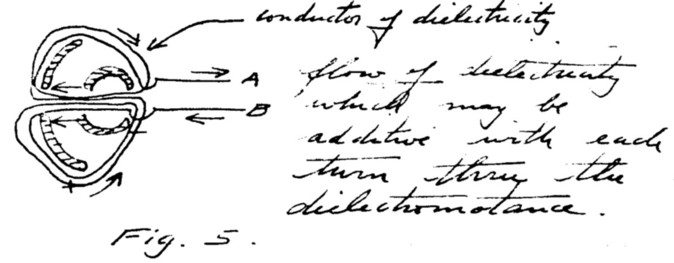
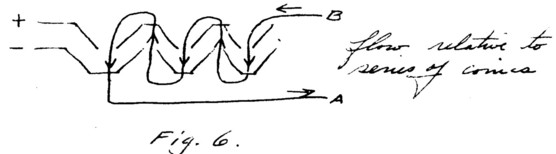
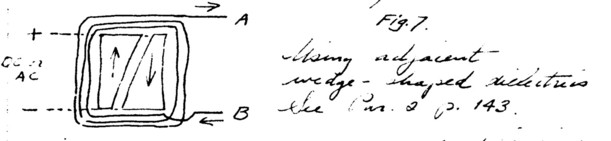
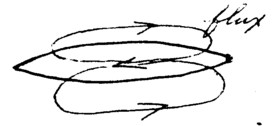
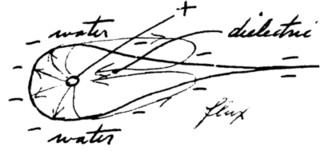
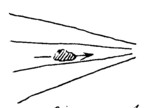
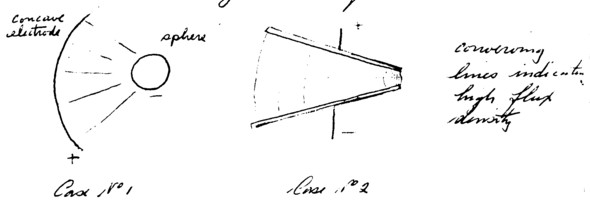
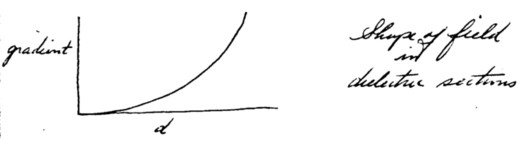
- Dielectric flux and dielectric wind generation
Scientific Domains
Materials
- Quartz
- Silicates / natural clays
- Photovoltaic / photosensitive isotopes
- Dielectric ceramics
Mechanisms of Action
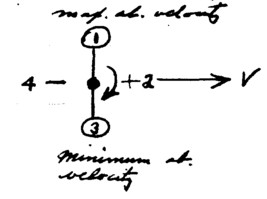
- Electrical potential modifies effective gravitational mass of isotopic fractions
- UV photon absorption changes mass distribution in photosensitive isotopes
- Capacitor discharge creates a transient impulse in vacuum
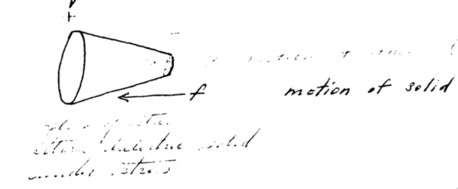
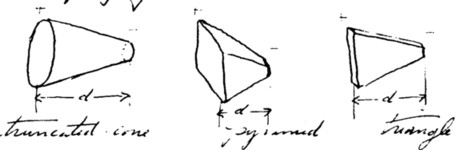
- Dielectric motion creates thrust (dielectric wind)
Energy Sources
Applications
- Spacecraft propulsion
- Gravity manipulation
- Energy generation via dielectric effects
Claimed Performance
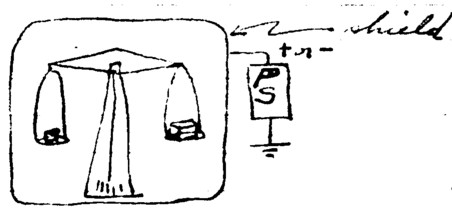
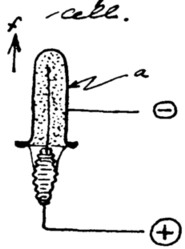
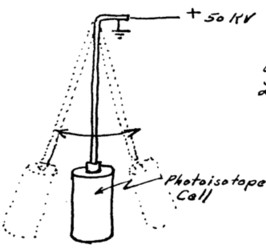
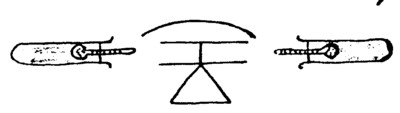
Weight loss of quartz capsules containing a photosensitive isotope when irradiated by UV light.
Experimental Evidence
Observed loss of weight of quartz capsules under UV irradiation; impulse force from a simple capacitor discharged in vacuum.
Limitations
- No quantitative performance data
- Lack of independent replication
- Mechanistic explanations remain speculative
Red Flags
- Extraordinary claims without peer-reviewed evidence
- Reliance on anecdotal notebook entries
- Absence of independent verification