Confidence
0.85
Practicability
0.40
Evidence
0.20
Fringe Score
0.70
Risk
0.30
TRL
3
Goal
Generate lift and horizontal thrust using shaped electrostatic fields and ion streams without conventional engines.
Problem
Provide a propulsion method that creates thrust through electrostatic pressure and ion repulsion, eliminating the need for moving mechanical parts.
Concept Summary
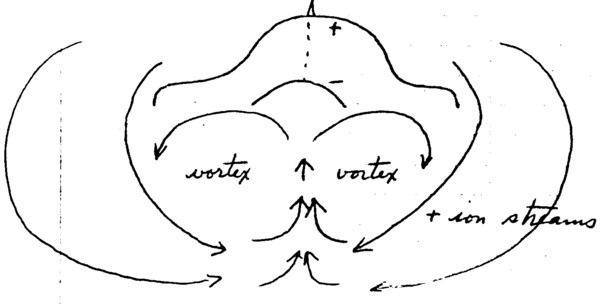
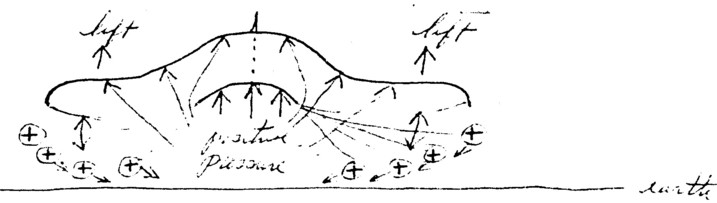
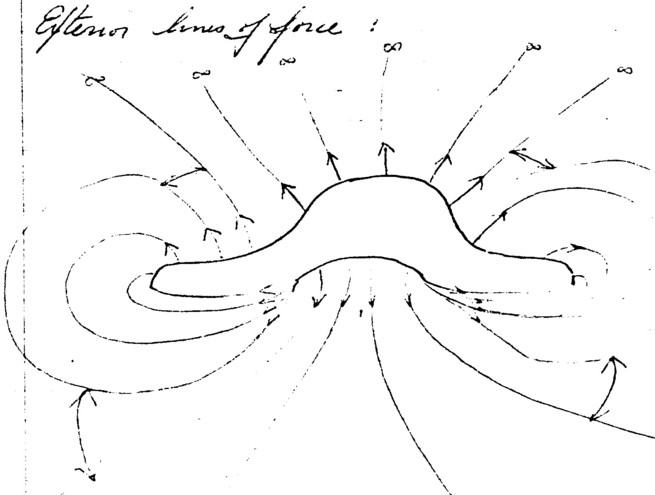
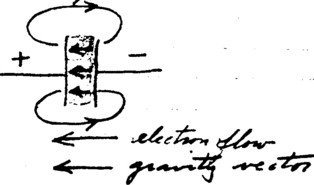
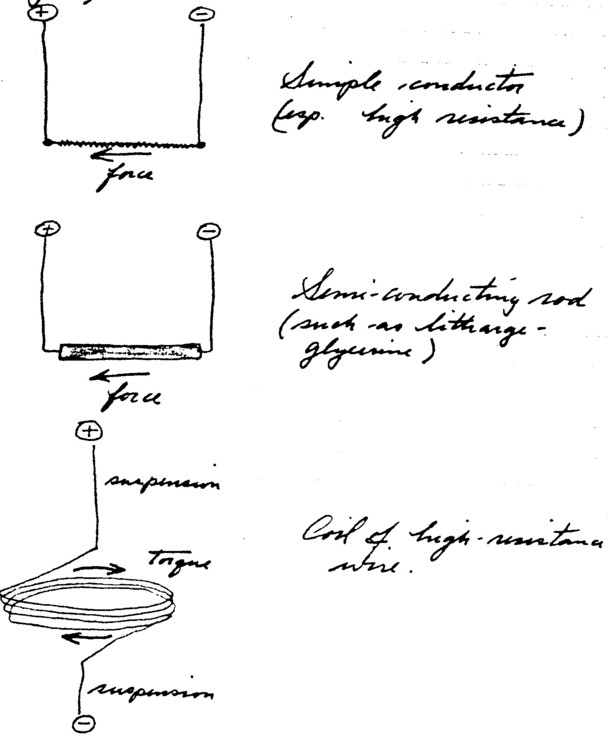
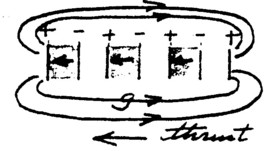
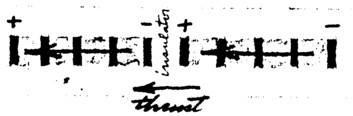
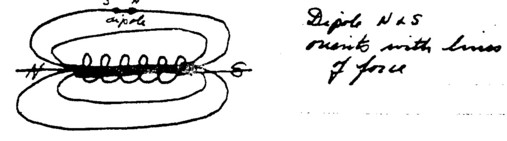
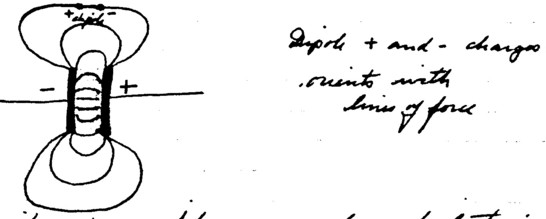
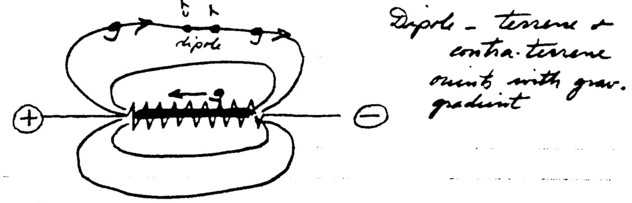
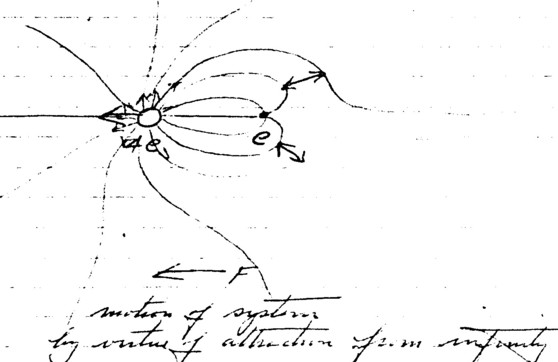
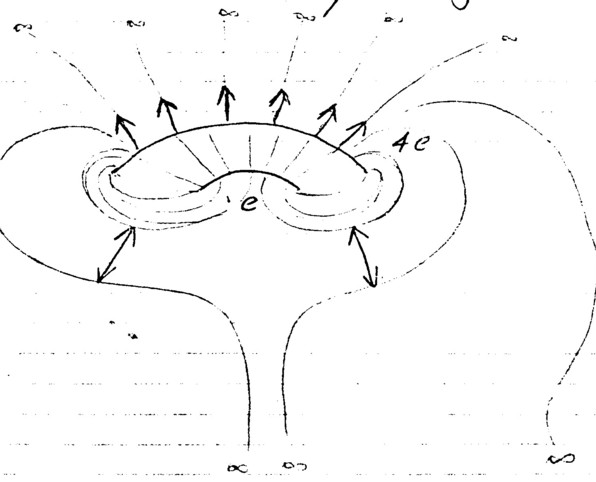
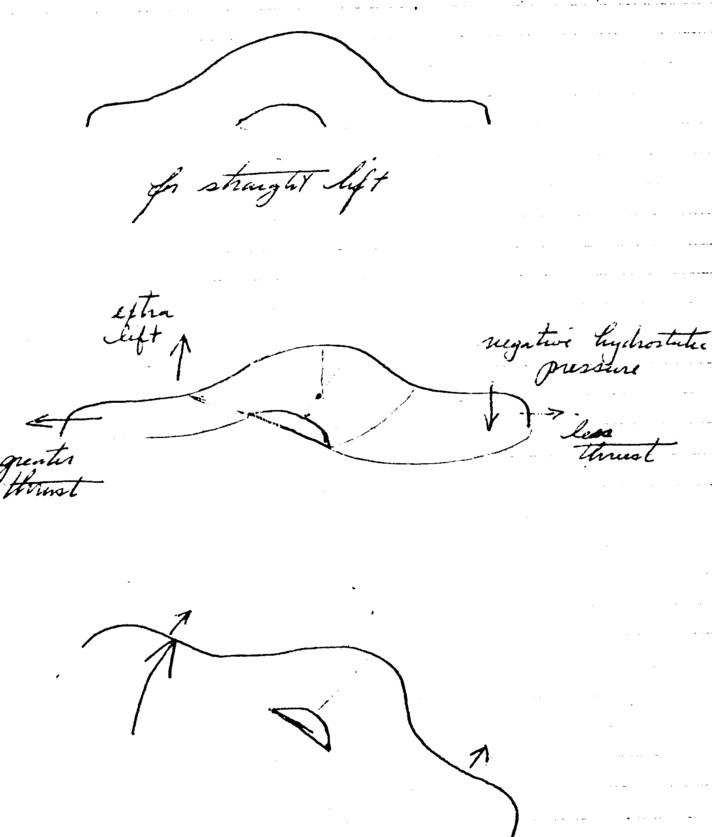
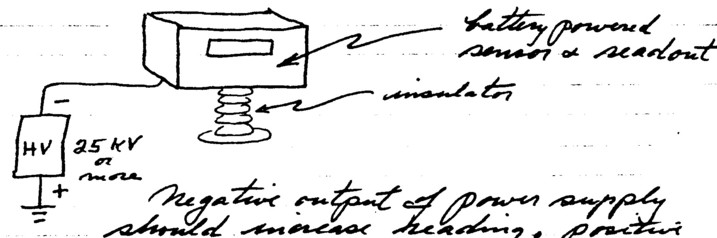
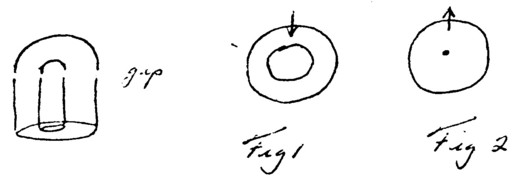
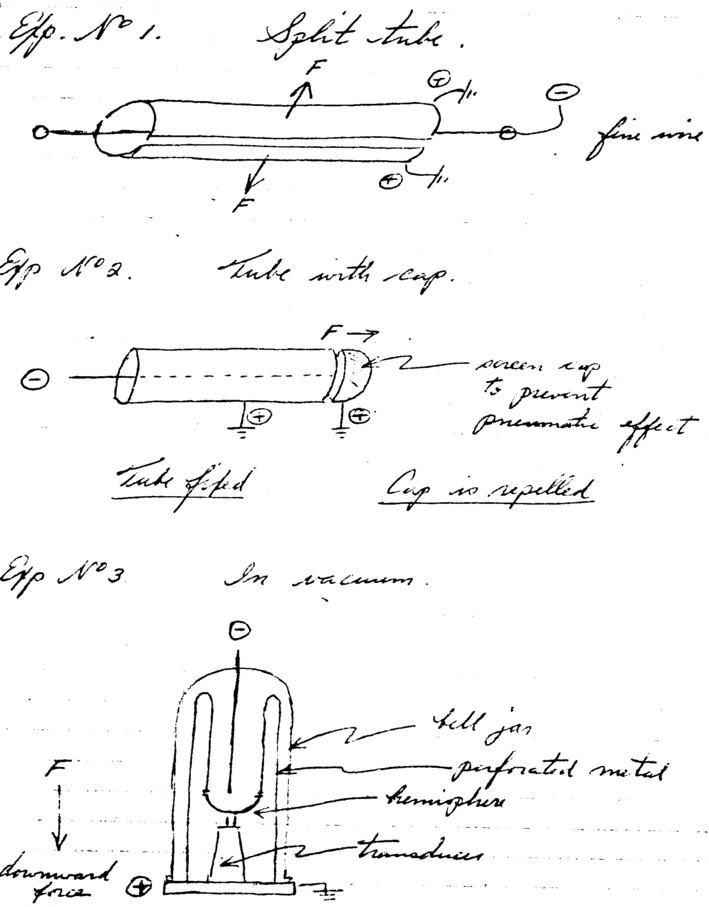
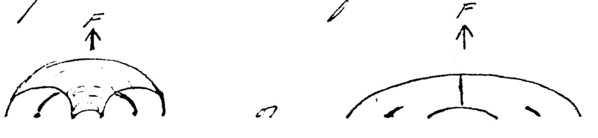
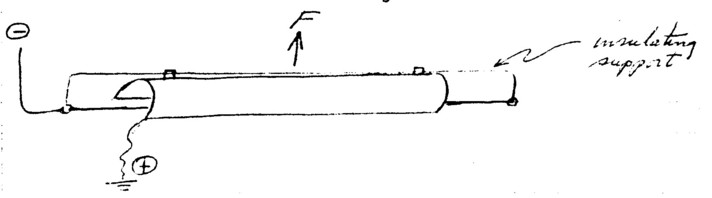
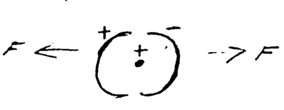
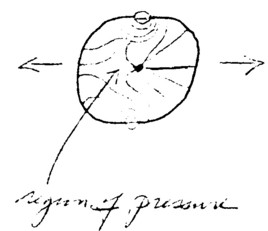
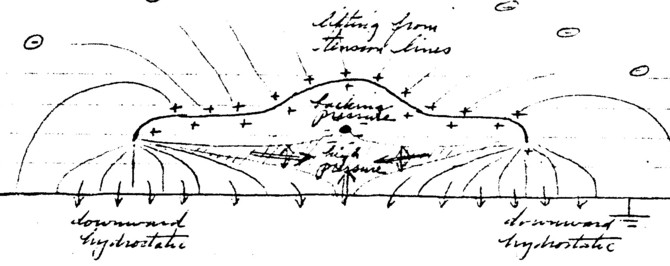
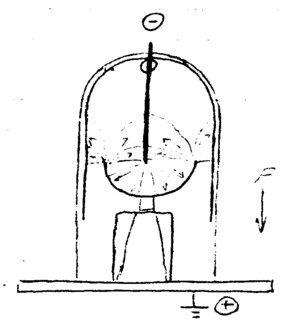
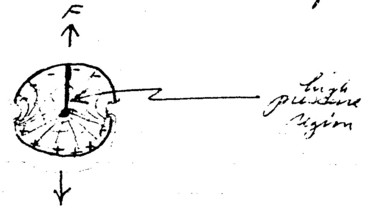
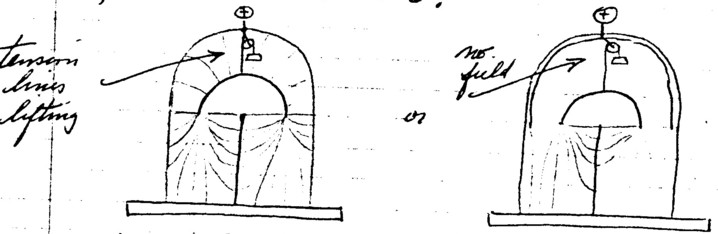
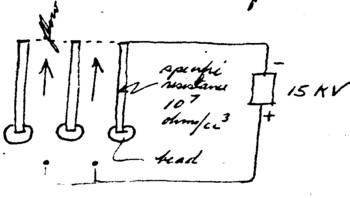
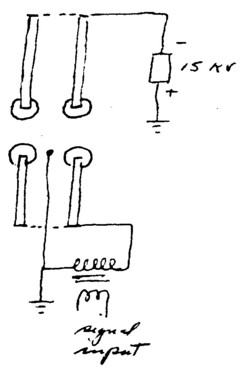
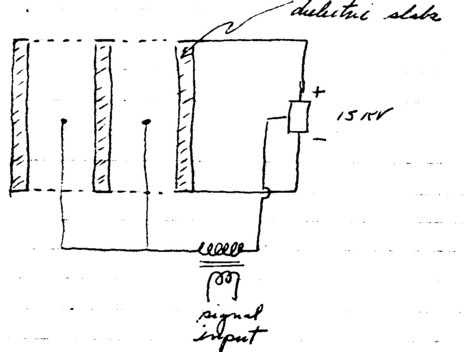
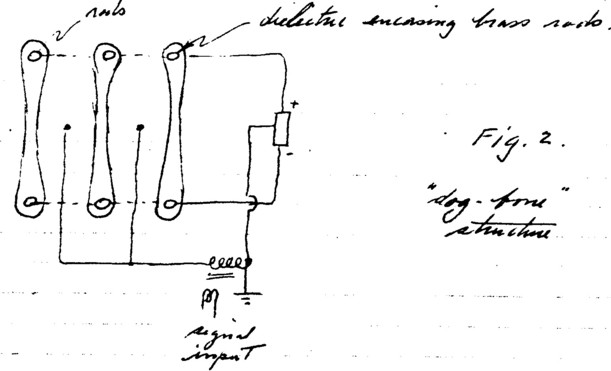
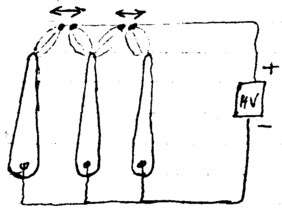
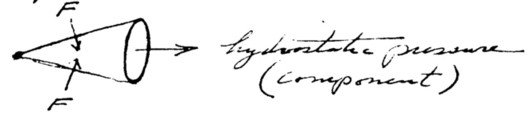
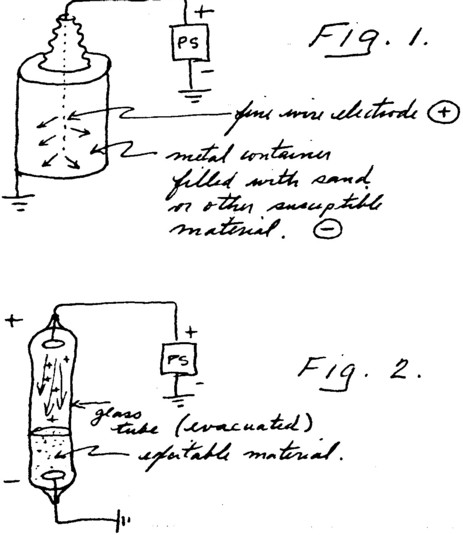
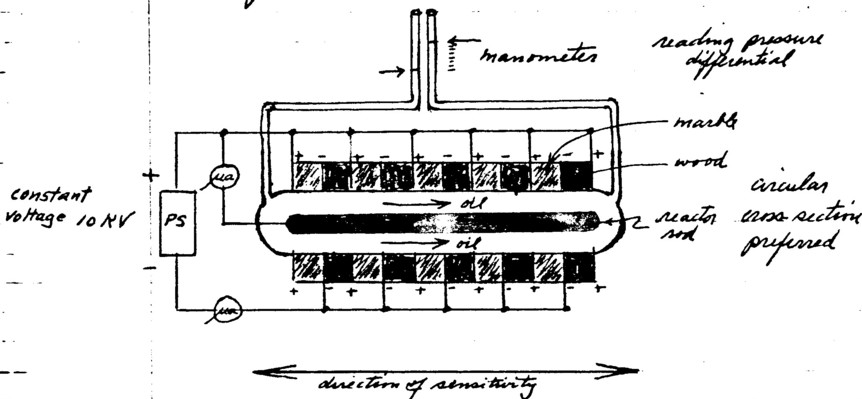
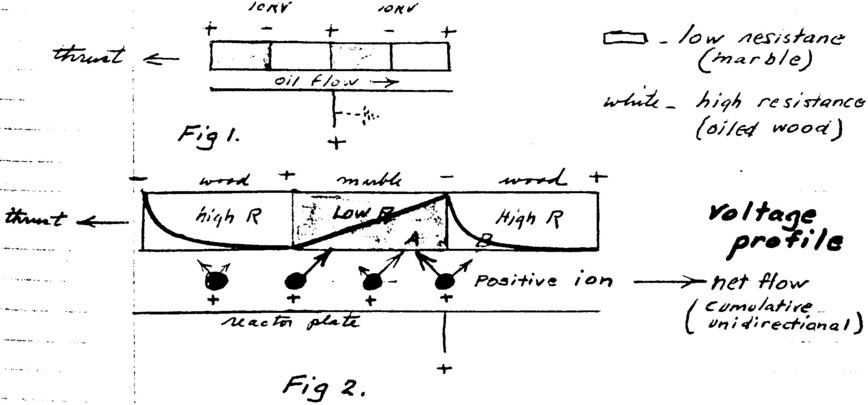
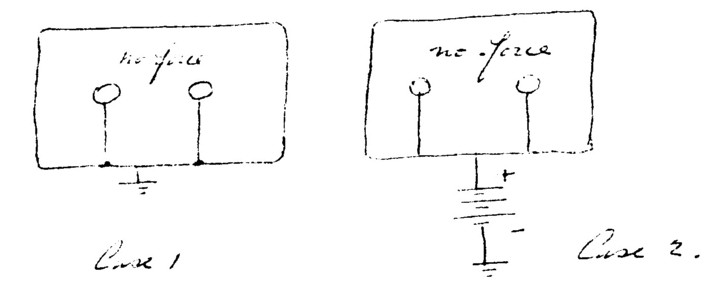
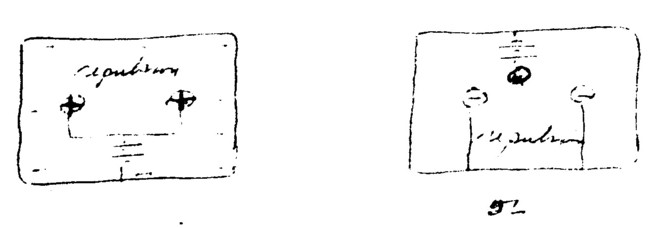
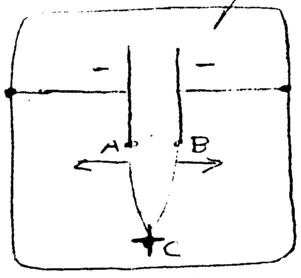
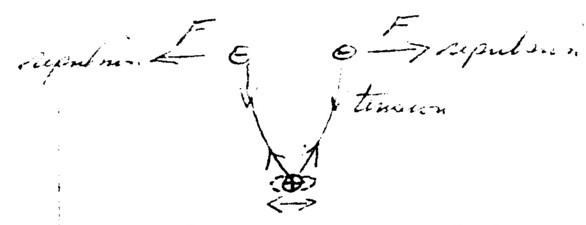
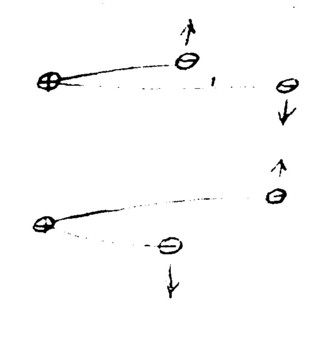
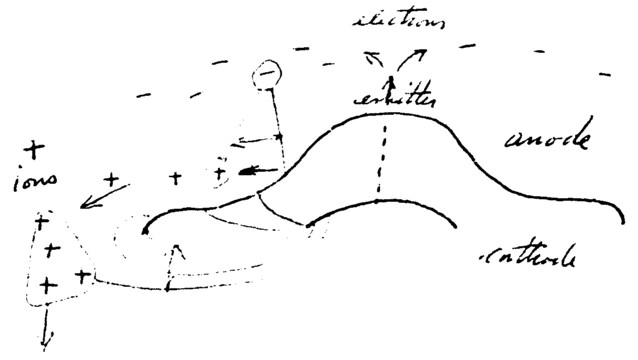
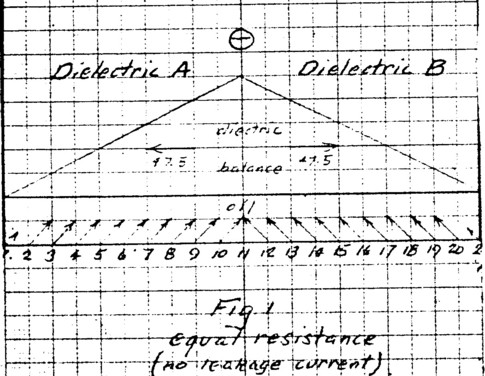
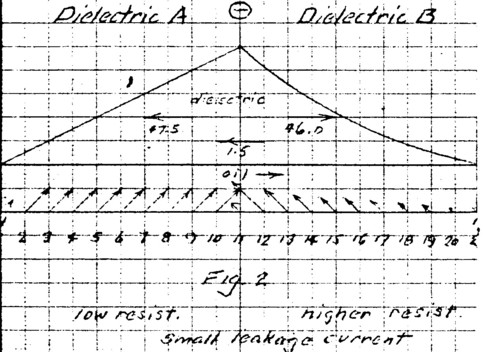
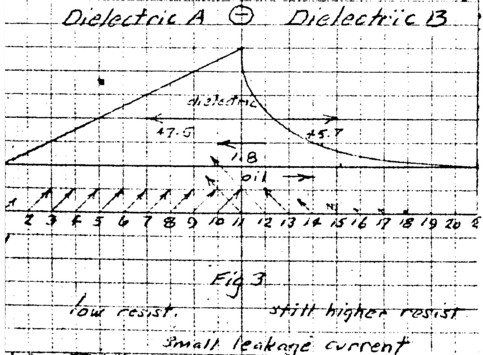
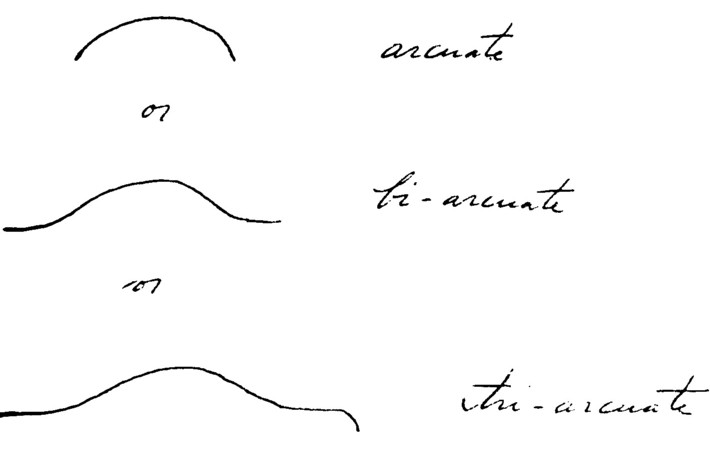
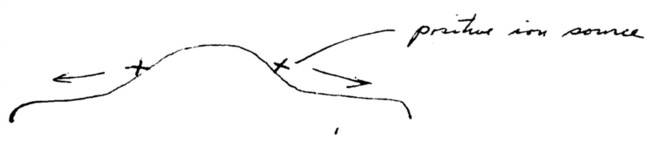
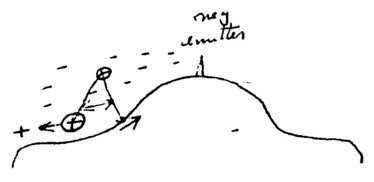
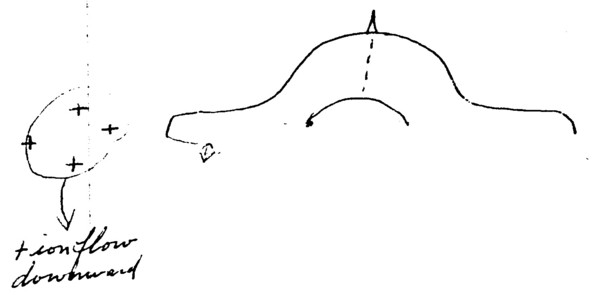
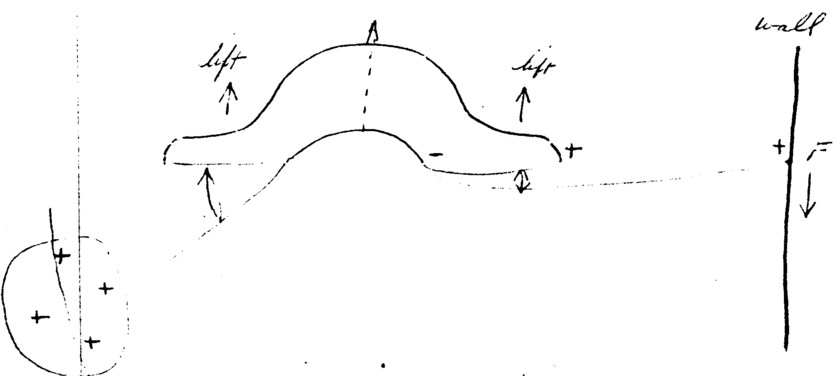
The design uses a conical arrangement of electrodes to shape electric fields, creating hydrostatic pressure and transverse ion repulsion. Positive ions are emitted from a side-mounted source and are repelled outward by electrons and negative ions, producing a net upward and horizontal thrust. The anode and cathode geometry is tuned to maximize field-shaping and pressure distribution, allowing lift in atmosphere and increased pressure when approaching a surface.
Principles
- electrostatic pressure
- ion repulsion
- hydrostatic pressure generation
- field shaping
- transverse propulsion
Scientific Domains
Materials
- conductive metal electrodes
- dielectric medium (air)
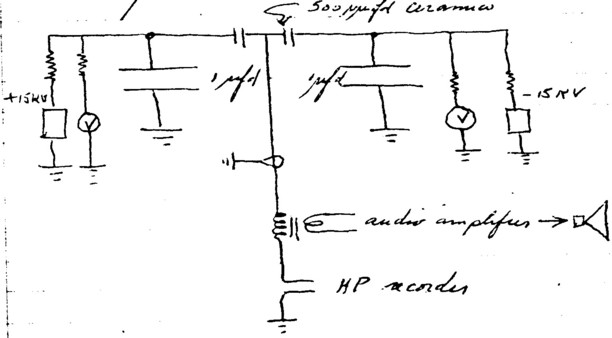
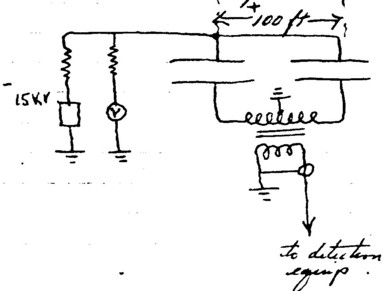
- high-voltage insulation
- ion-generating corona source
Mechanisms of Action
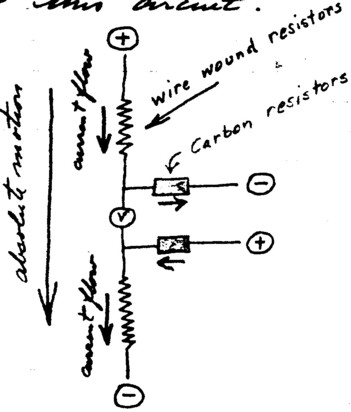
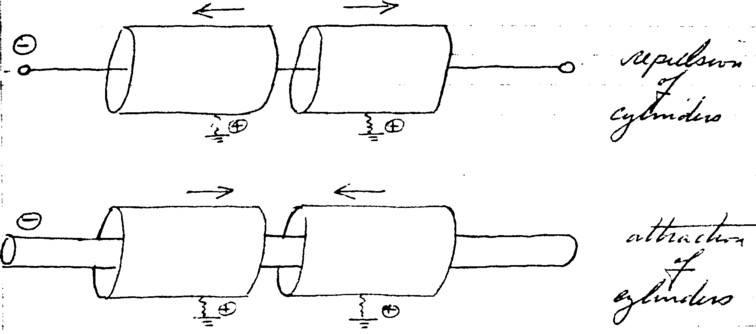
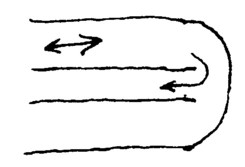
- repulsion between parallel electric field lines
- acceleration of positive ions outward
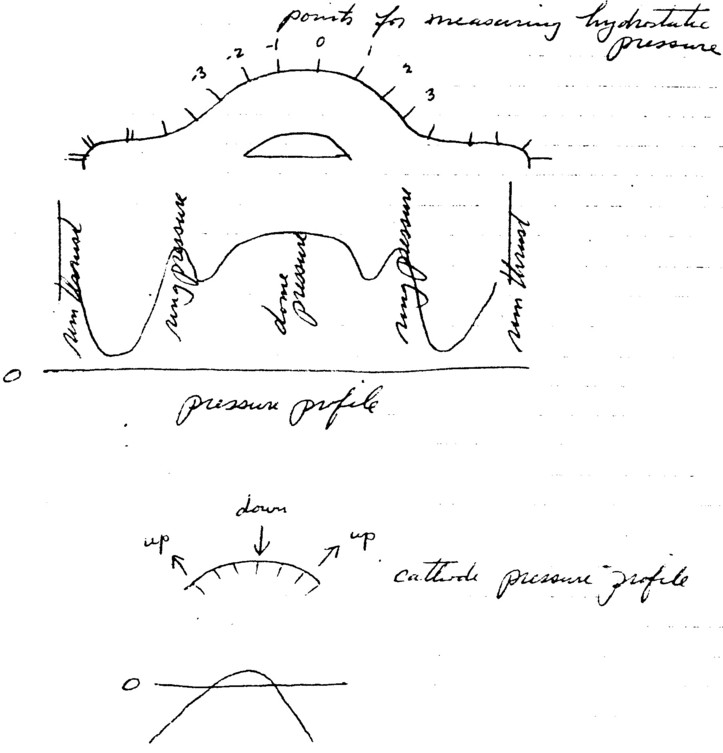
- creation of outward hydrostatic pressure in dielectric (air)
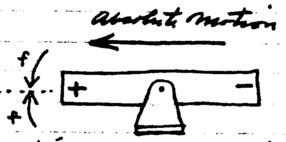
- asymmetric electrode geometry to direct thrust
Energy Sources
Applications
- aircraft propulsion
- hovercraft lift
- spacecraft attitude control
Limitations
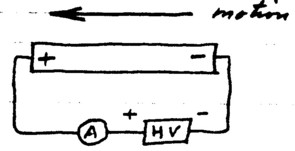
- Requires high-voltage power
- No quantitative thrust data provided
- Effect may depend on ambient air density
- Scalability and efficiency unknown
Red Flags
- Absence of peer-reviewed experimental data
- No independent replication reported
- Potential exaggeration of thrust without measurements