Goal
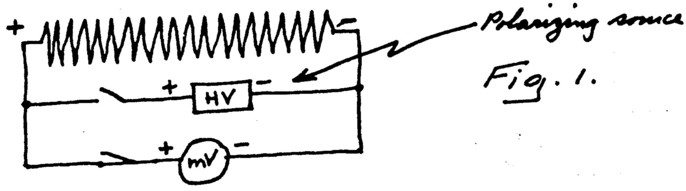
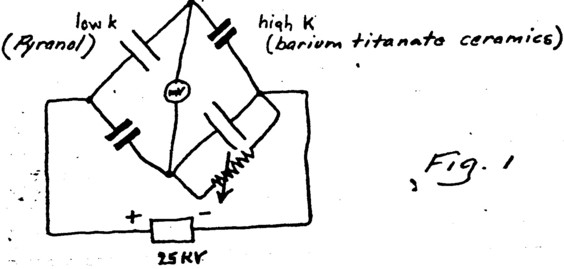
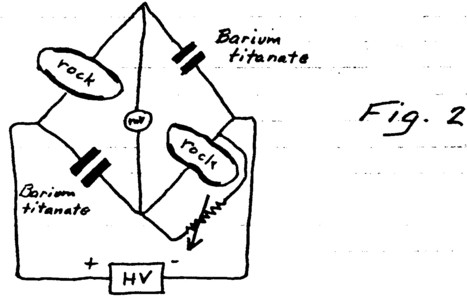
Generate usable DC electricity by converting ambient high-frequency radiation (gravitational, RF, or thermal) using polarized resistive materials such as granite.
Problem
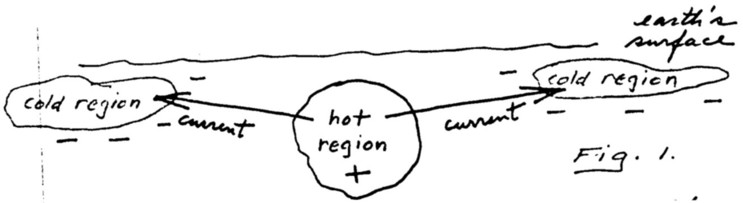
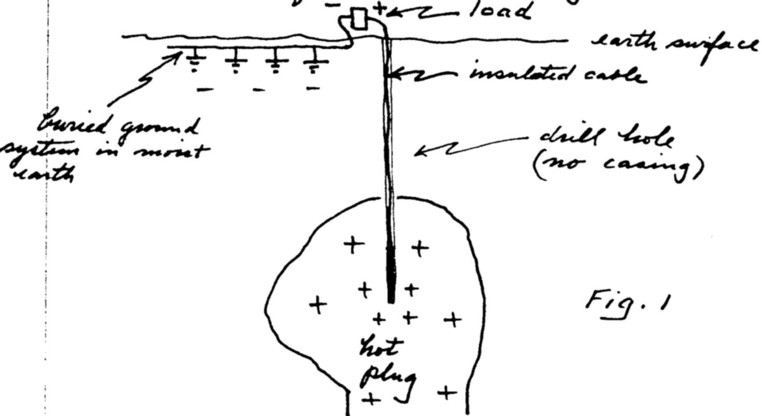
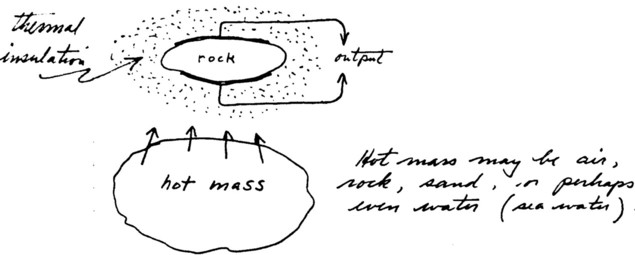
Current energy conversion relies on steam turbines or conventional thermoelectric generators that need hot and cold junctions; there is no known method for direct conversion of ambient radiation or in-hole geothermal heat to electricity.
Concept Summary
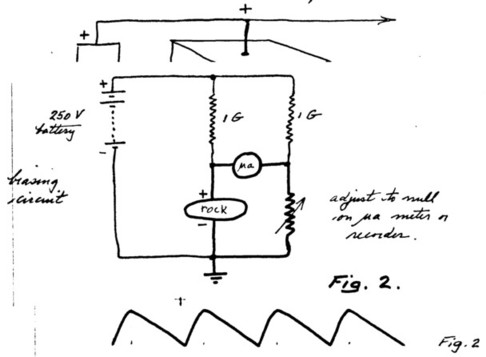
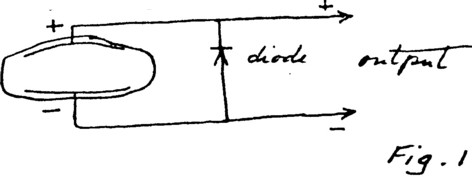
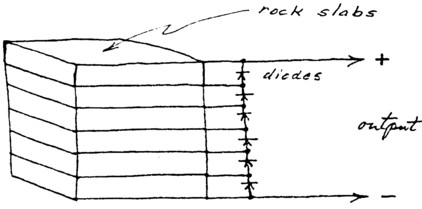
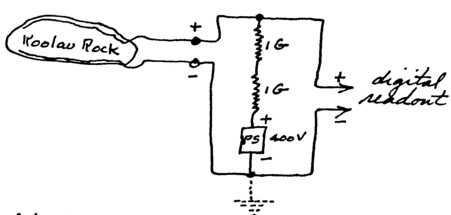
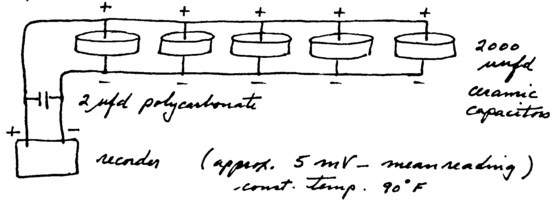
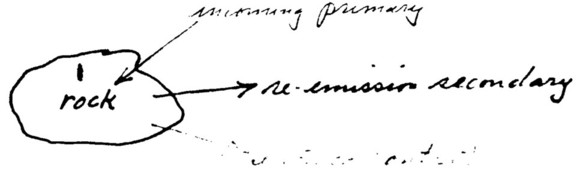
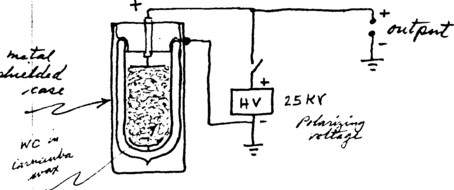
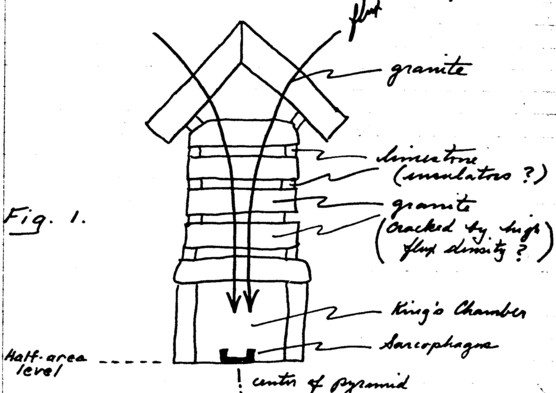
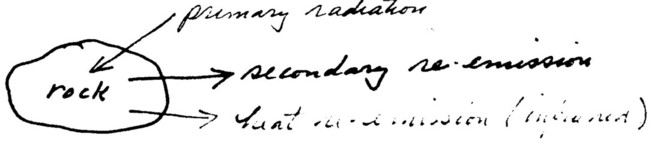
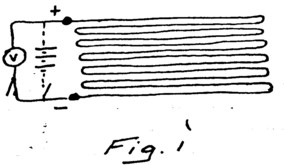
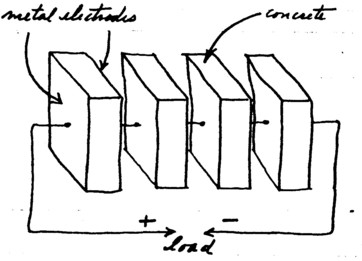
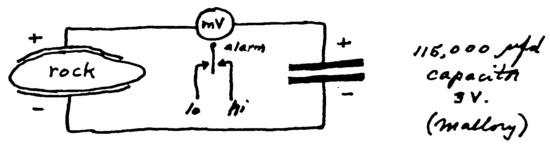
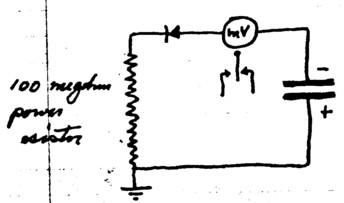
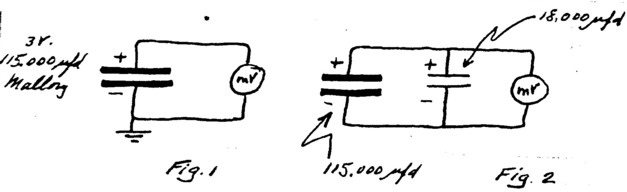
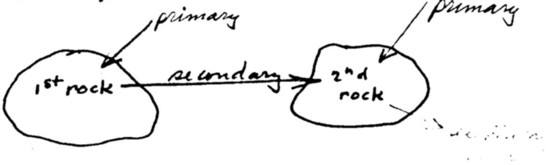
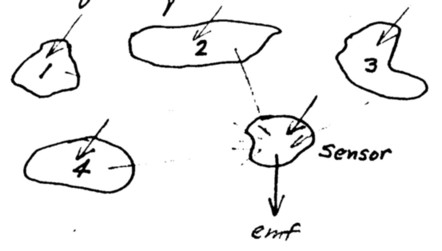
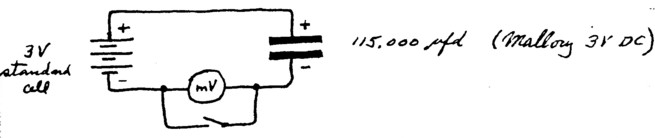
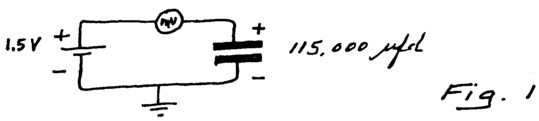
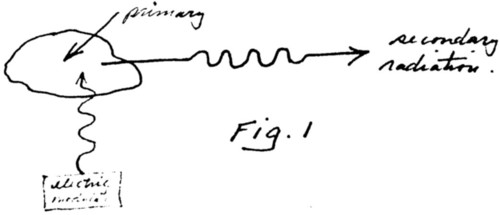
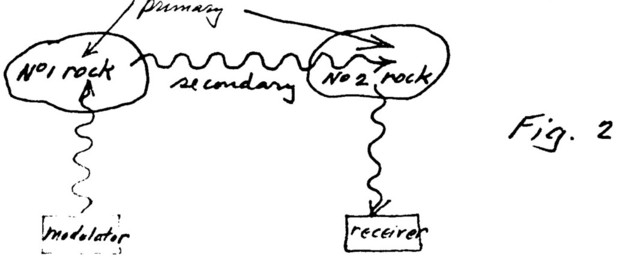
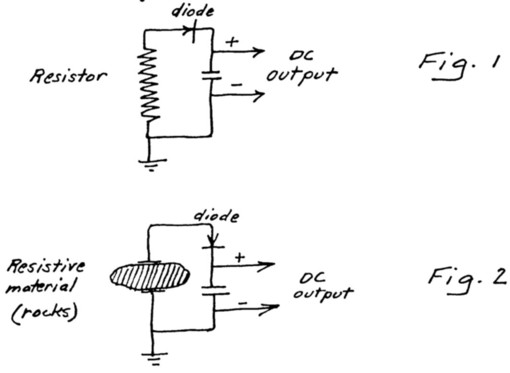
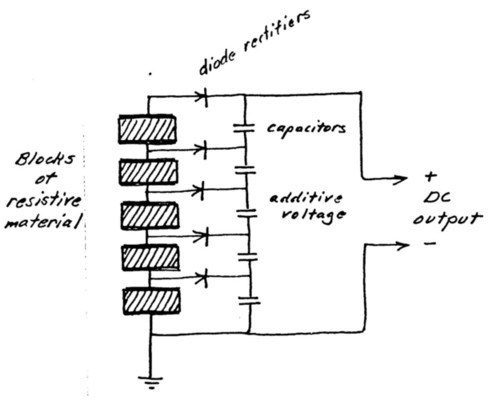
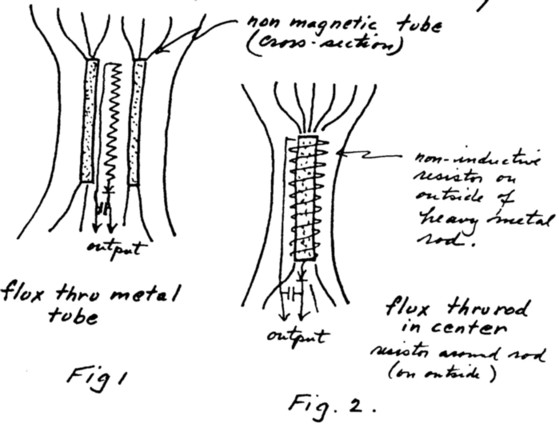
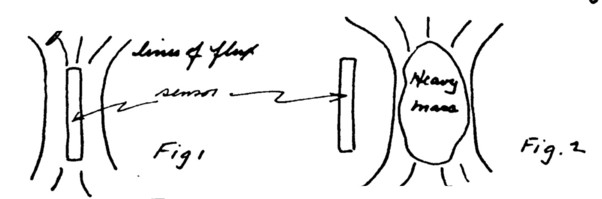
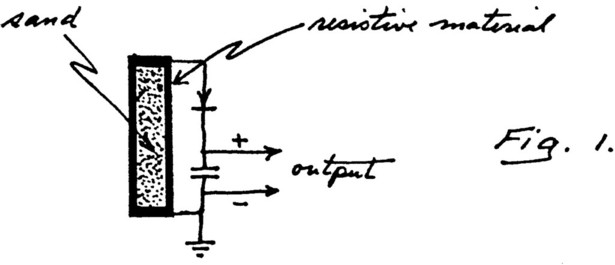
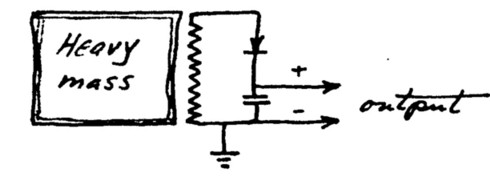
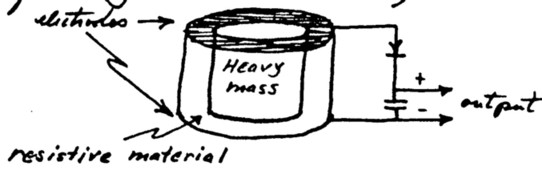
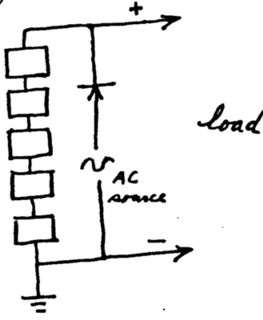
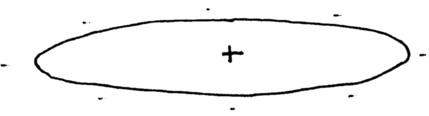
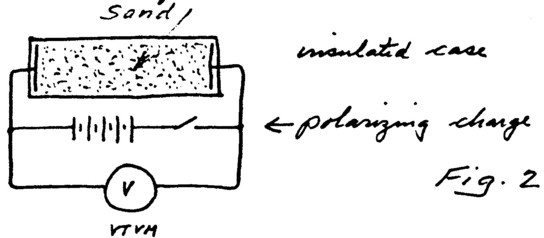
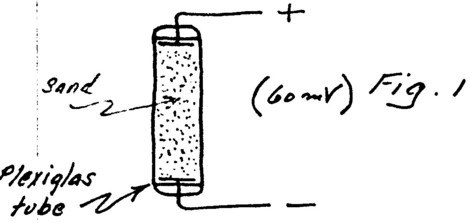
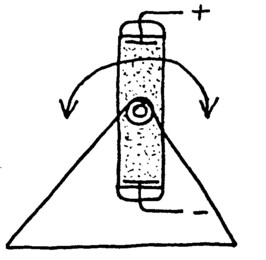
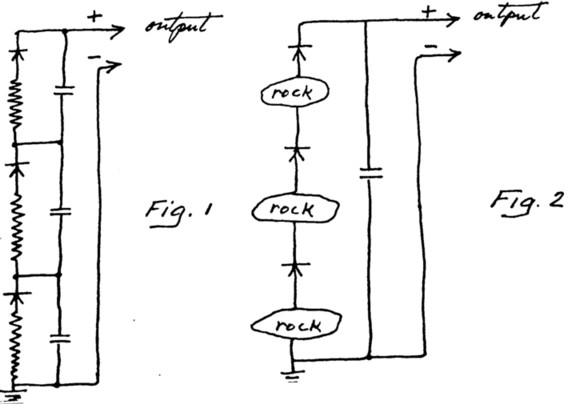
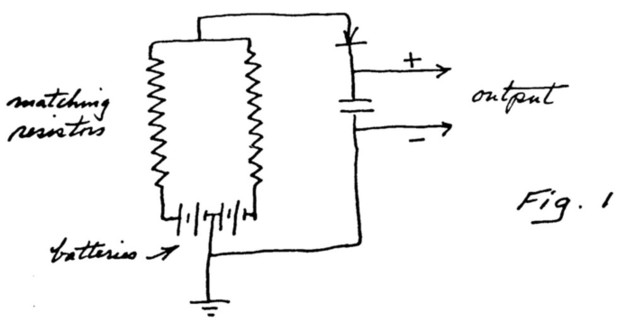
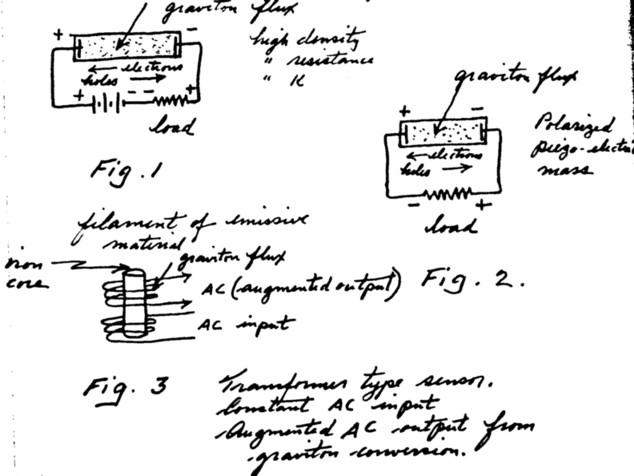
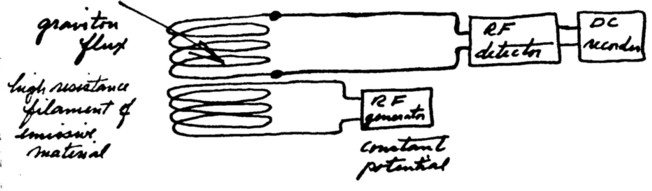
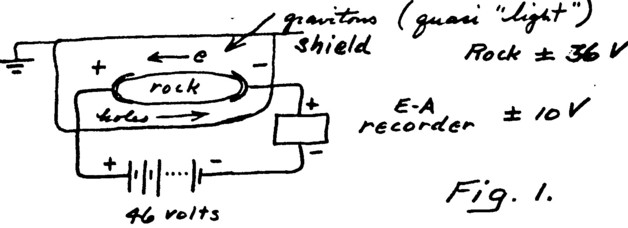
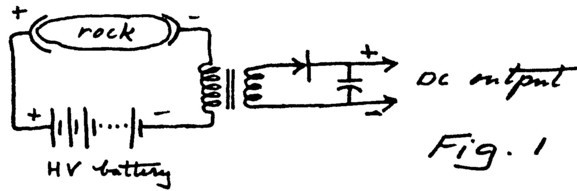
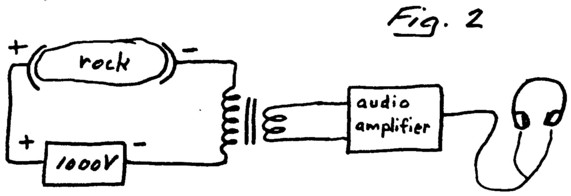
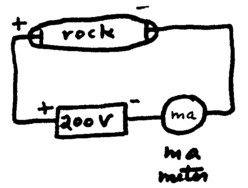
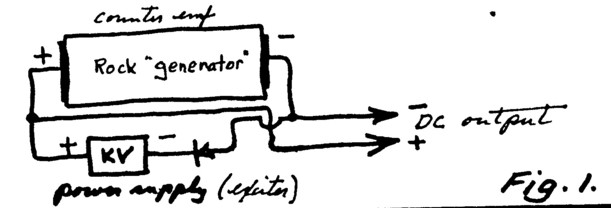
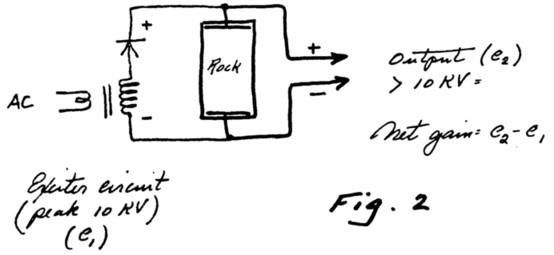
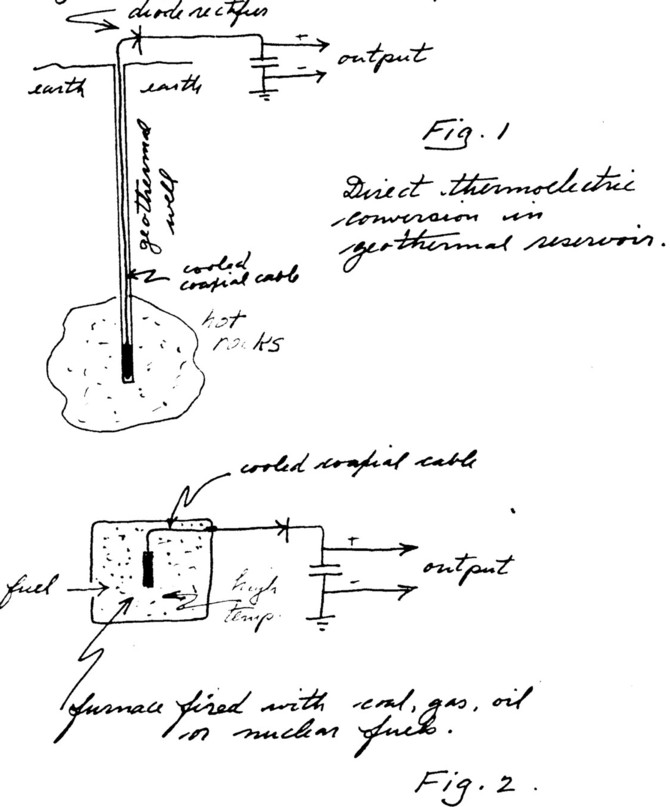
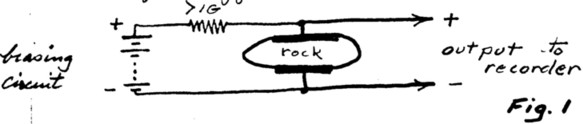
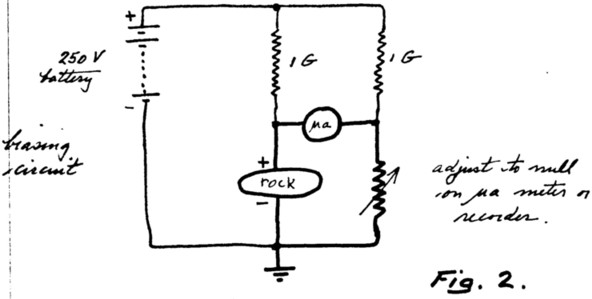
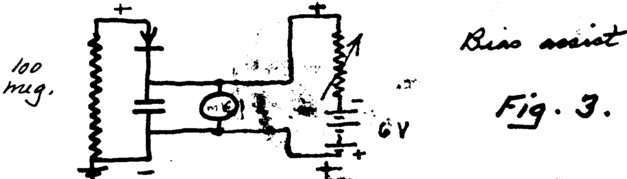
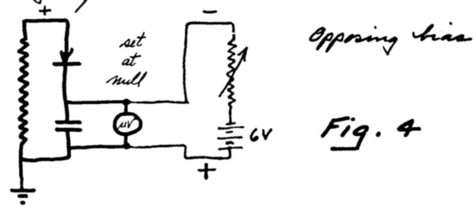
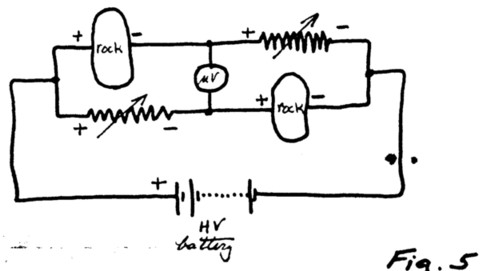
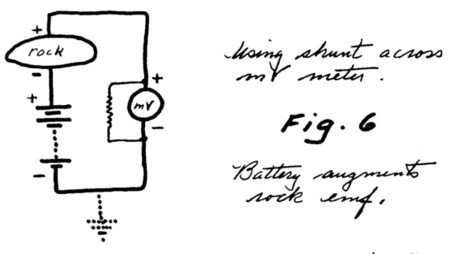
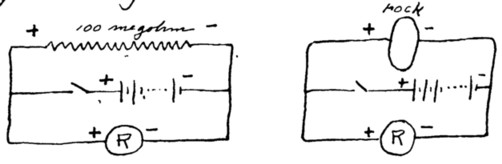
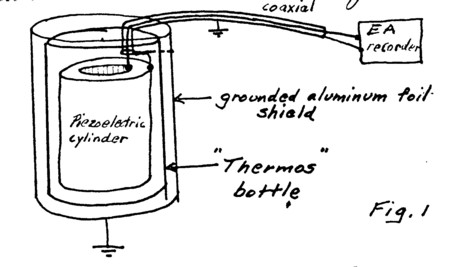
Polarized resistive rocks (e.g., granite) are claimed to emit broadband RF noise when exposed to ambient radiation. The RF is rectified by a diode and stored in a capacitor, providing DC output. Temperature may increase the effect, suggesting a thermal-noise contribution or enhanced susceptibility to the putative gravitational radiation.
Principles
- Ambient high-frequency radiation conversion
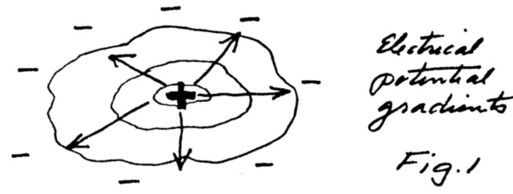
- Electrical polarization of resistive materials
- RF noise generation within resistive body
- Diode rectification to DC
- Thermal enhancement of noise
Scientific Domains
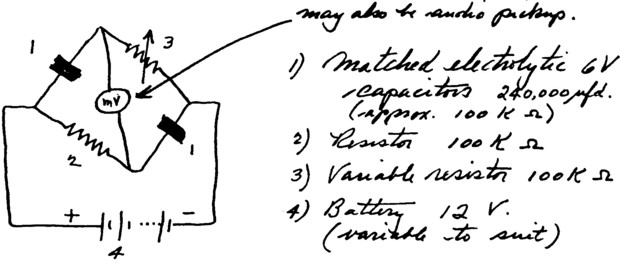
Materials
- Granite
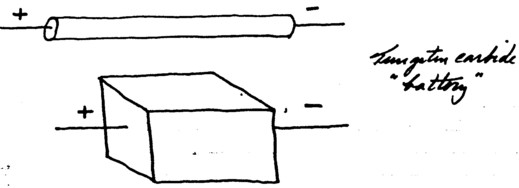
- Tungsten carbide
- Heavy metal oxides
- Ceramic capacitors
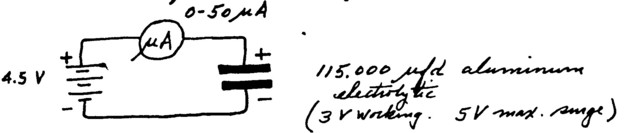
- Electrolytic capacitors
- Glycerin-litharge mixture
Mechanisms of Action
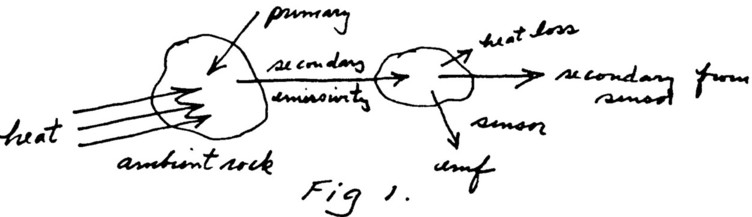
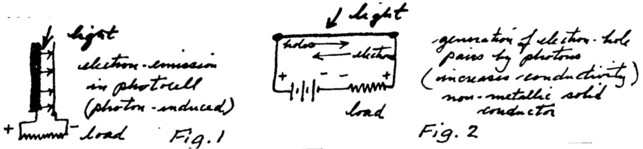
- Ambient radiation induces currents in polarized resistive rock
- Thermal noise or gravitational radiation generates broadband RF
- Diode rectifies RF to DC
- Capacitor stores DC for output
Energy Sources
Applications
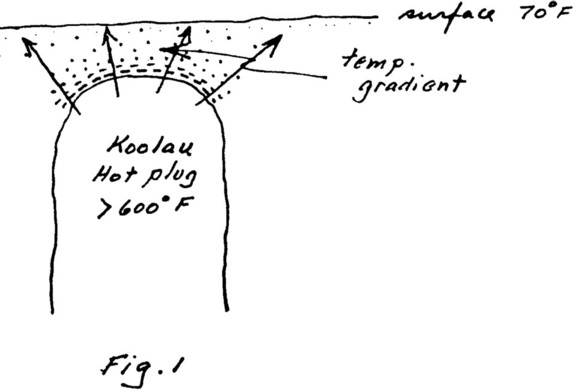
- Direct geothermal electricity generation
- Remote low-power power
- Sensor networks using ambient energy
Claimed Performance
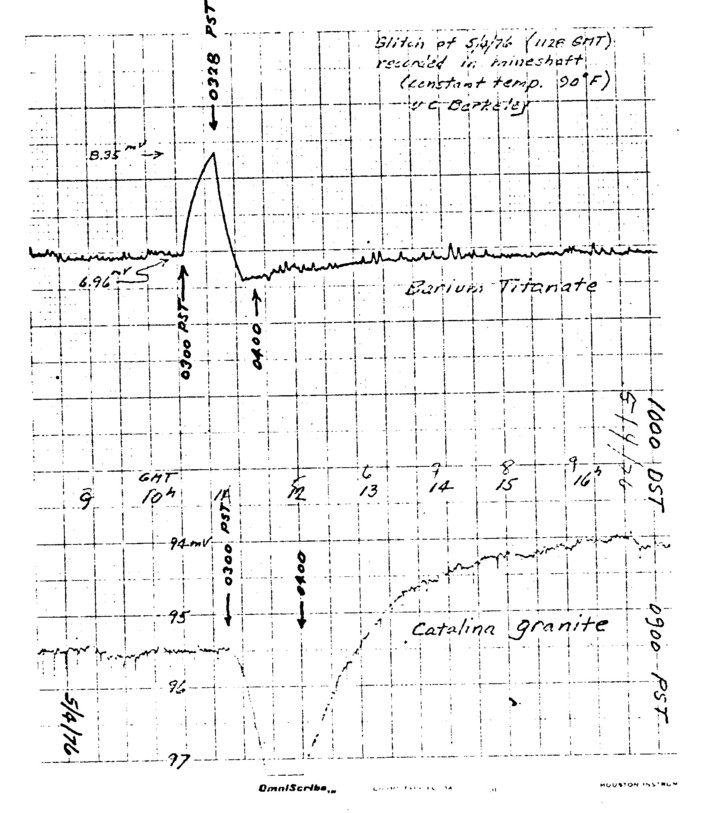
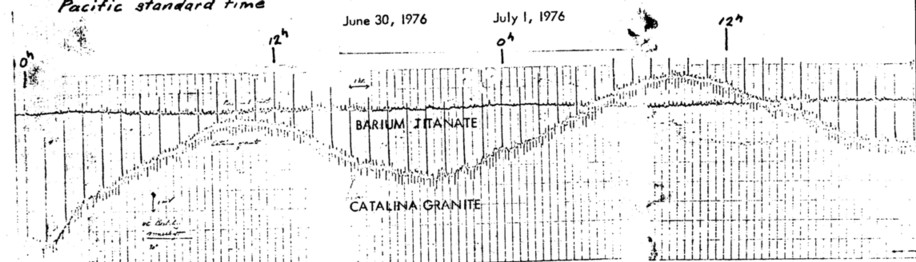
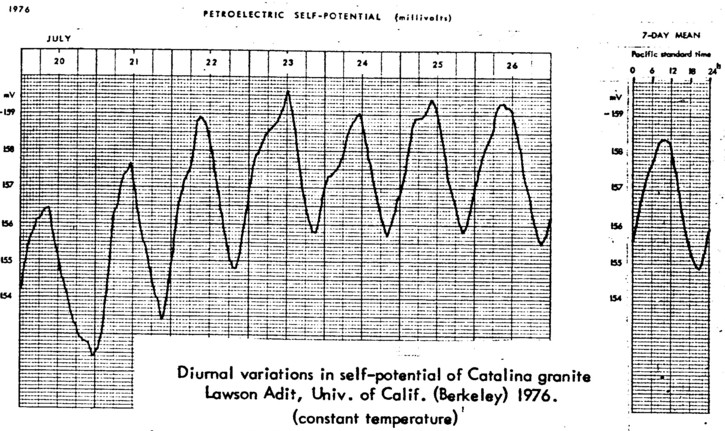
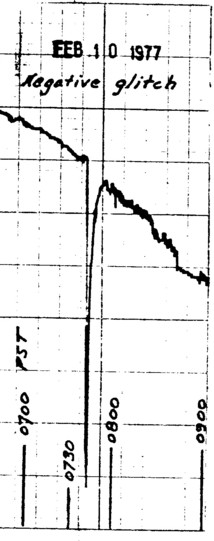
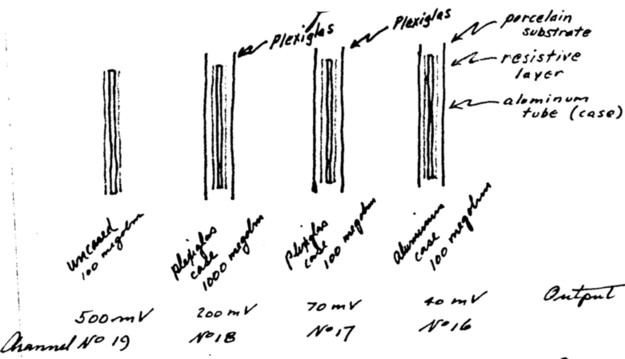
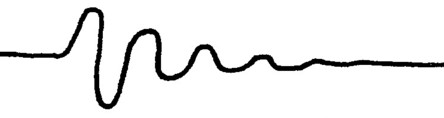
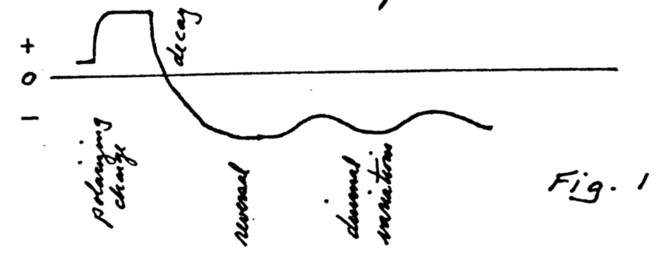
Voltage disturbances observed lasting several hours, with magnitudes increasing with temperature; specific values not quantified in the excerpt.
Experimental Evidence
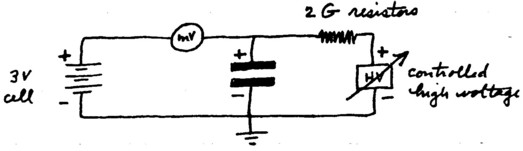
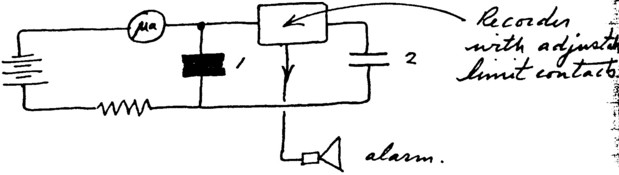
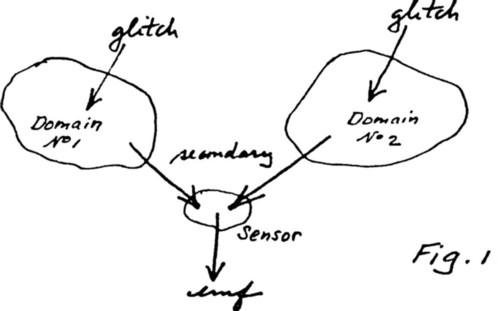
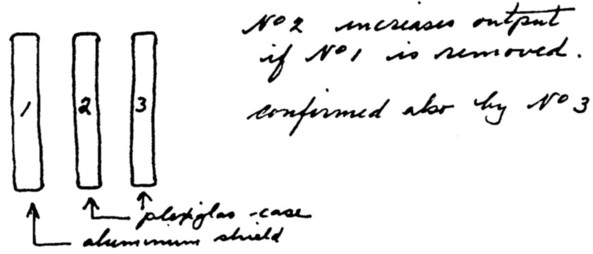
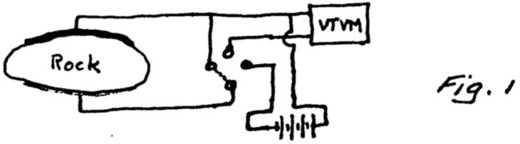
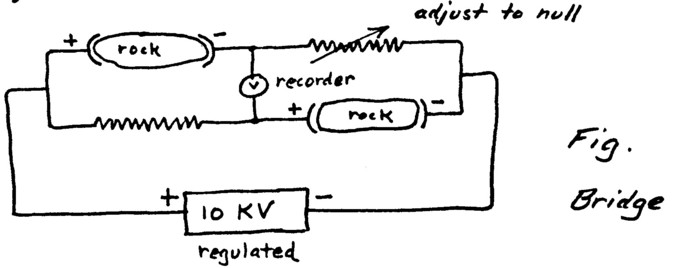
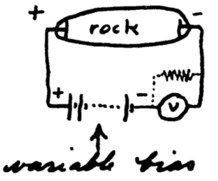
Notes describe sudden intense disturbances on sensor outputs lasting hours (Dec 21 1974 and Jan 7 1975) and voltage increases correlated with temperature in granite-based sensors.
Limitations
- No peer-reviewed validation
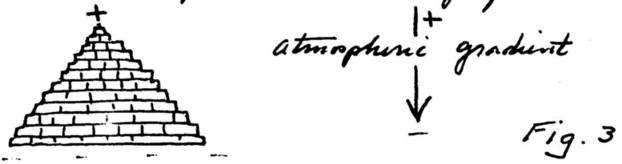
- Unclear physical mechanism of ambient radiation source
- Temperature sensitivity and lack of quantitative performance data
Red Flags
- Claims of energy extraction from gravitational radiation without independent verification
- Potential classification as pseudoscience or over-unity claim