Goal
Improve fuel economy and reduce exhaust emissions in existing gasoline and diesel vehicles.
Problem
High fuel consumption and pollutant emissions (CO, NOx, carbon deposits) from internal combustion engines.
Concept Summary
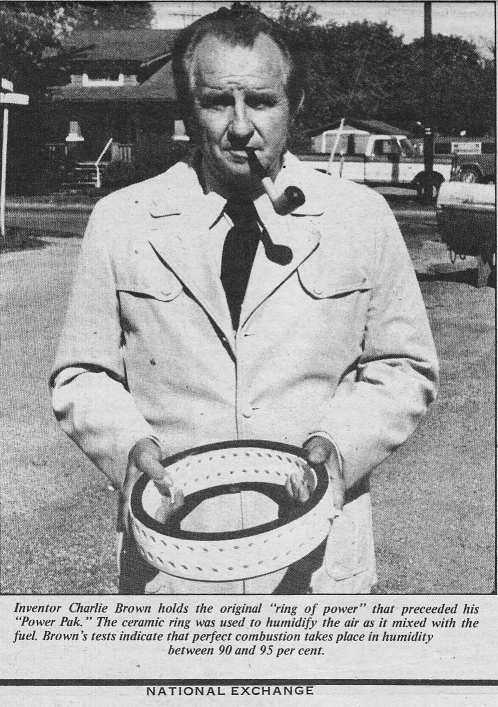
The Power Pak is an air-conditioning device for the combustion chamber that humidifies the intake air to an optimal 90-95 % relative humidity. By adding moisture to the air-fuel mixture, combustion becomes slower and more complete, reducing carbon deposits, carbon monoxide, nitrogen oxides and improving mileage, engine life, and smoothness.
Detailed Description
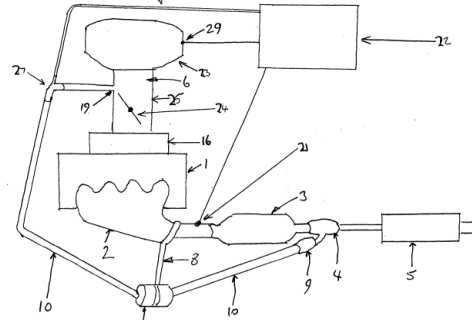
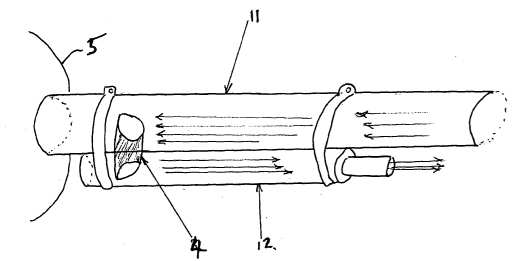
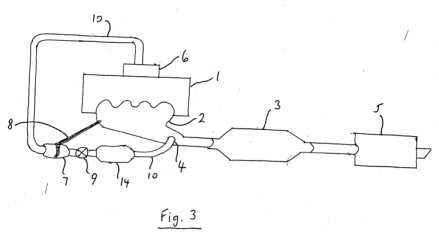
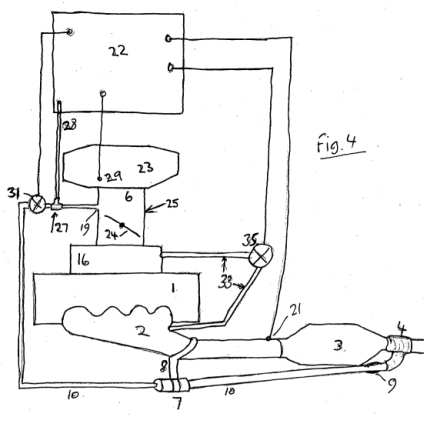
The Power Pak is installed in the intake tract of a car or truck. It draws a portion of exhaust gas through a heat-resistant silicone conduit into a vaporising chamber where the exhaust heat evaporates water. The resulting humidified air is mixed with the fresh intake air upstream of the throttle plate. The system may include a humidity sensor to control the amount of recirculated exhaust. Earlier versions used ceramic tiles (the "Ring of Power") which caused rust; the Power Pak uses more durable materials and is claimed to be inexpensive and easy to install on any vehicle.
Principles
- Humidification of intake air
- Heat exchange using exhaust gases
- Optimised fuel-air ratio
- Exhaust gas recirculation (EGR) for moisture
Scientific Domains
Materials
- Heat-resistant silicone plastic (conduit)
- Ceramic tile (earlier device, not used in Power Pak)
- Metal housing
- Humidity sensor
Mechanisms of Action
- Increasing intake air humidity to 90-95 % RH
- Slowing combustion rate for more complete fuel burn
- Reducing peak combustion temperature, lowering NOx formation
- Preventing carbon deposit formation on pistons and valves
Energy Sources
Applications
- Automotive fuel-efficiency retrofits
- Emission-control upgrades for existing vehicles
Claimed Performance
Increased gasoline mileage, reduction of carbon monoxide and NOx emissions, less carbon deposits, longer spark plug and engine life, quieter operation, and higher effective road horsepower.
Experimental Evidence
Brown states: "We have spent thousands of hours and many thousands of dollars in very thorough and precise testing" and reports observed reductions in emissions and improvements in mileage, but no quantitative data are provided.
Replication Status
No independent testing or replication reported; agencies and manufacturers declined to test the device.
Limitations
- Lack of quantitative performance data
- No independent verification or peer-reviewed testing
- Potential rust issues if ceramic components are used
- May require integration with modern engine control units
Red Flags
- Significant performance claims without supporting data
- Denial of testing by EPA and manufacturers
- Potential conflict with existing emissions-control hardware (catalytic converters)