Goal
Create a focused magnetic monopole beam that can emit pulses, levitate objects, degauss electronics, stop electronic devices, and separate materials.
Problem
Conventional magnets are large, heavy, and produce wide fields that interfere with nearby equipment; a need exists for a compact, efficient magnetic field source.
Concept Summary
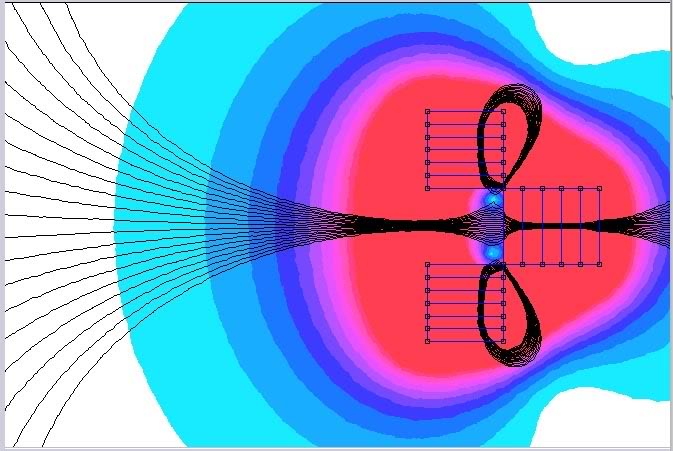
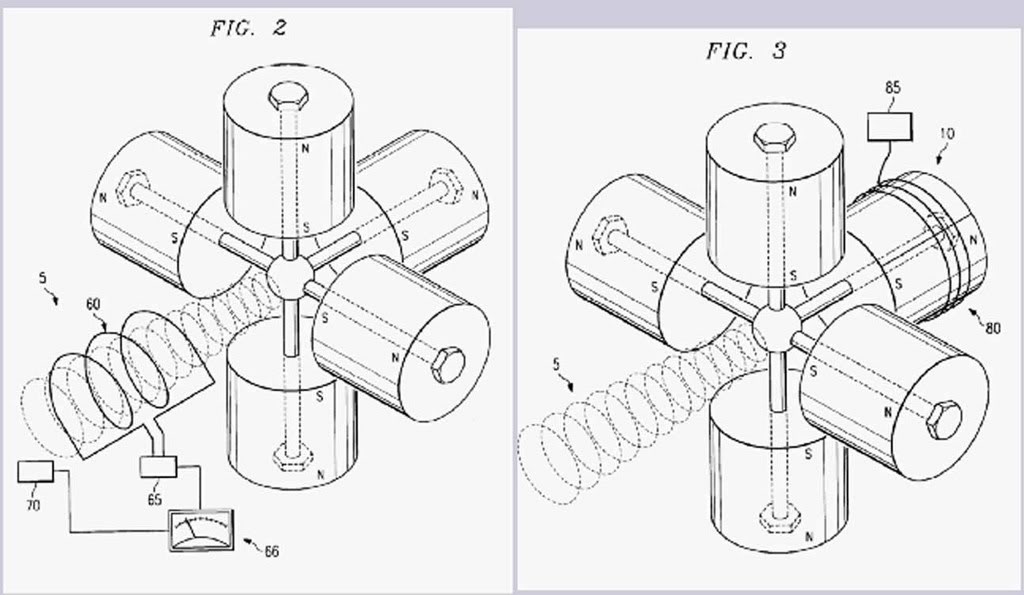
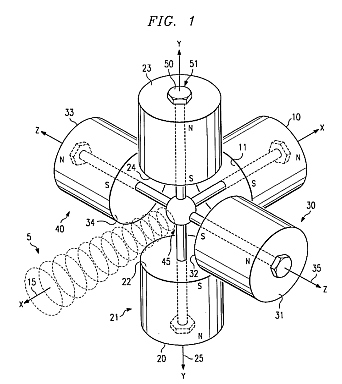
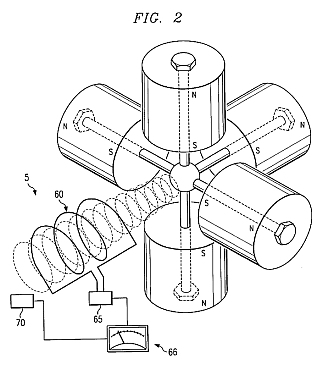
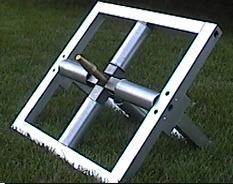
The invention uses opposing magnet pairs arranged in a focusing plane to align magnetic fields into a narrow beam (a magnetic monopole). The beam is claimed to emit pulses, generate conductive channels in air, and produce levitation and degaussing effects. The device may be coupled with high-voltage sources and conductive coils to induce voltages and modulate the beam.
Detailed Description
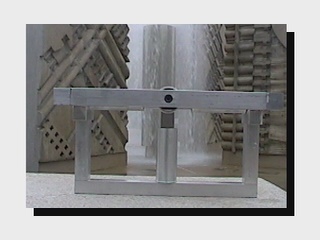
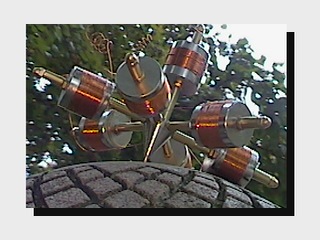
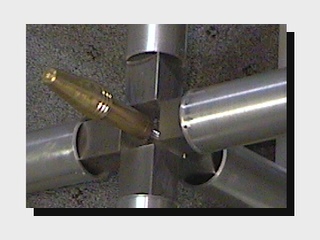
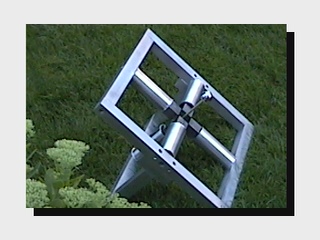
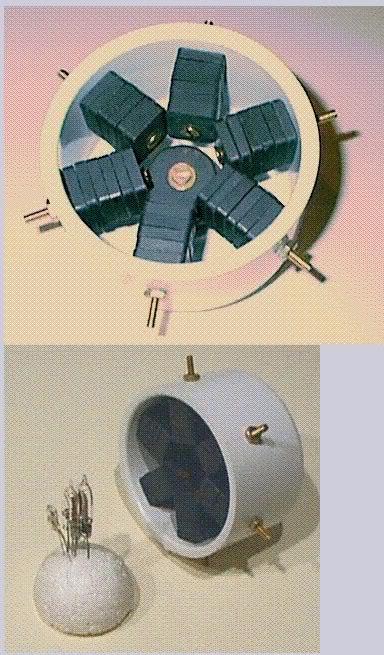
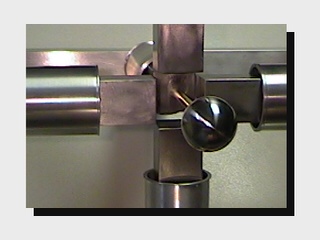
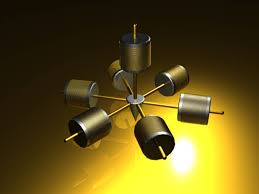
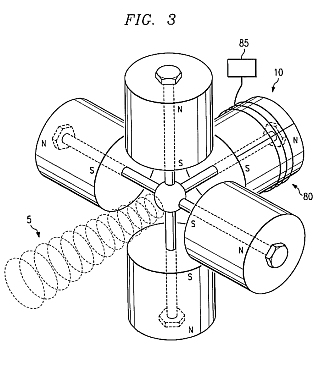
A focusing magnet assembly consists of two opposing magnet pairs whose like poles face the geometric center, forming an alignment path. An unopposed magnet can be added to produce a single magnetic beam. The beam is described as a magnetic monopole that emits pulses, levitates, degausses, stops electronics, and separates materials. Demonstrations include 5-foot arcs created with a Van de Graaff generator and rock-drop experiments where magnets inside rocks alter fall speed. The apparatus incorporates materials such as neodymium, brass, nickel, stainless steel, copper, and liquid mercury for spinning (CELT) to enhance magnetic forces.
Principles
- Magnetic field focusing using opposing magnet pairs
- Generation of a magnetic monopole beam
- Induced charge separation via nodal drift (PE theory)
- High-voltage arcing along the magnetic beam
Scientific Domains
Materials
- Neodymium magnets
- Brass
- Nickel
- Stainless steel
- Copper
- Liquid mercury
Mechanisms of Action
- Alignment of magnetic field lines into a narrow beam
- Interaction of the beam with conductive or quasi-conductive media to produce charge separation
- Magnetic levitation via repulsive forces
- Induction of voltage in coils/capacitors placed in the beam
Energy Sources
Applications
- Magnetic propulsion
- Levitation and hover systems
- De-gaussing of electronic equipment
- Material separation
- Energy generation (claimed via charge separation)
Claimed Performance
Produces a 5-foot long conductive spark, levitates objects, degausses electronics, stops electronic devices, and separates materials.
Experimental Evidence
Bushman demonstrated the device in video (YouTube) showing arcs and levitation; a rock-drop test showed altered fall speed when magnets were inside the rock; other users (William Alek, Michael Ellegion) reported similar results with opposing magnets affecting gravity.
Replication Status
Demonstrated by Bushman and independently replicated by hobbyists (e.g., YouTube video of rock-drop experiment).
Limitations
- Claims lack peer-reviewed validation
- Requires high-voltage power and toxic liquid mercury
- Beam range and strength not independently quantified
Red Flags
- Anti-gravity and free-energy claims
- Reliance on unverified PE (Primary Energy) theory
- Use of mercury, a hazardous material