Goal
Extinguish flames quickly and without water by applying high-voltage electric fields.
Problem
Fire suppression that reduces water usage and damage, especially in confined spaces such as submarines, ships, and buildings.
Concept Summary
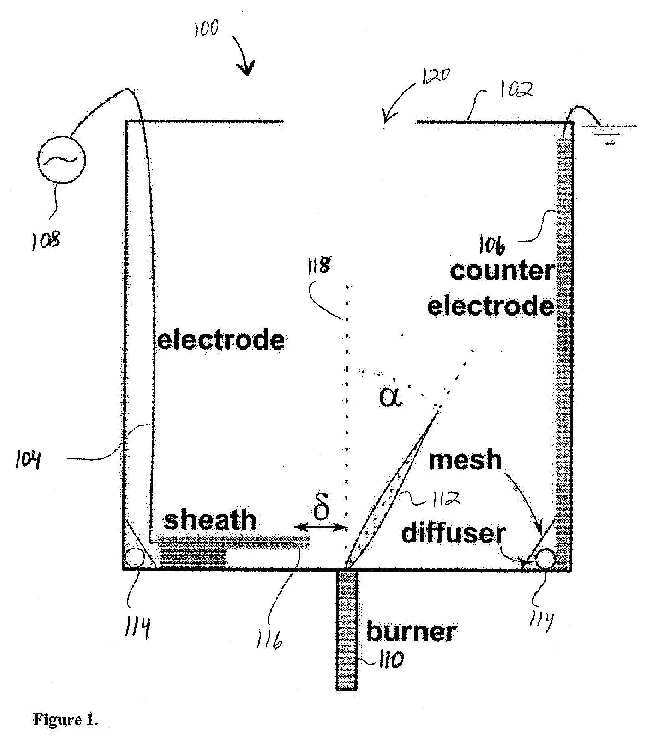
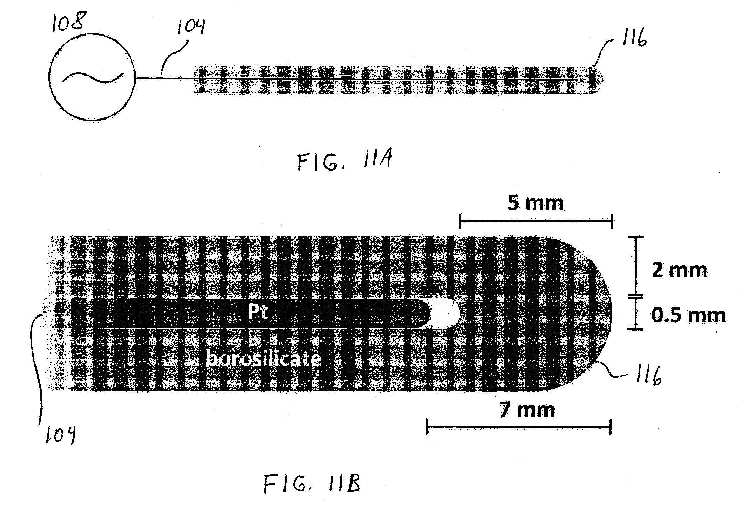
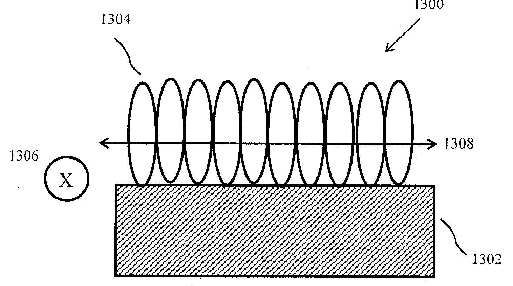
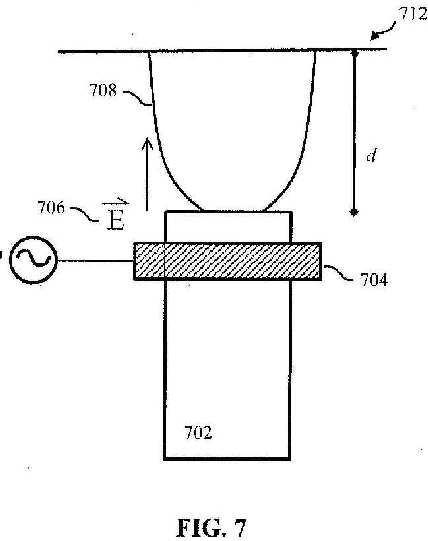
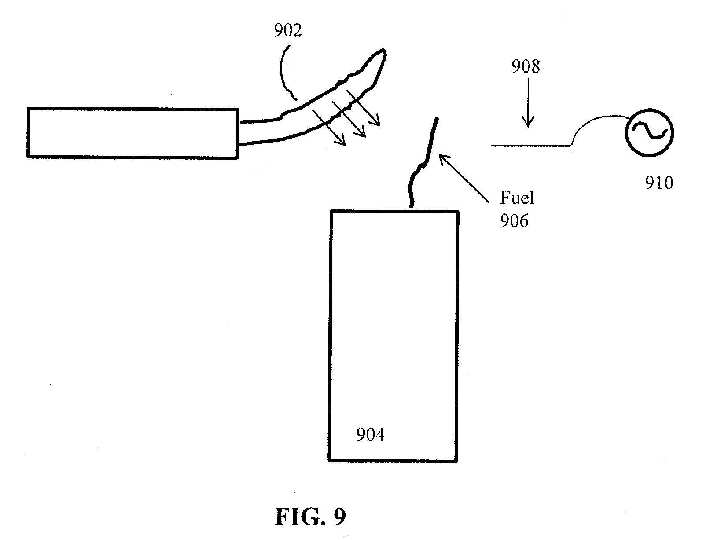
A high-voltage, time-varying electric field is applied to a flame via a wand-like probe. Charged soot particles in the flame become unstable under the altered electric field, causing rapid flame extinction. The system can be powered by a 600-W amplifier, with potential for lower-power portable versions.
Detailed Description
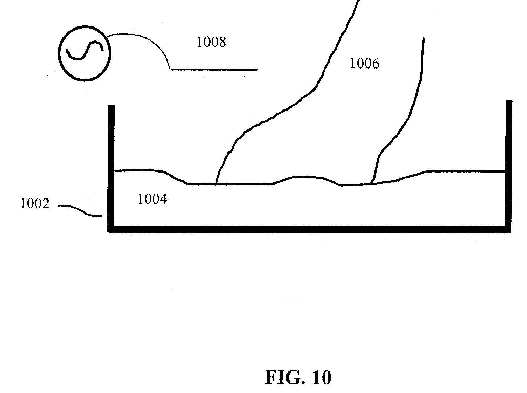
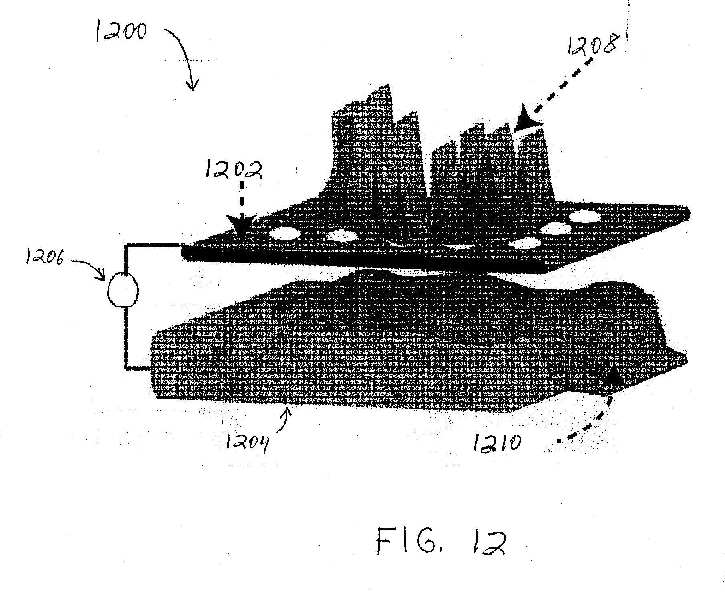
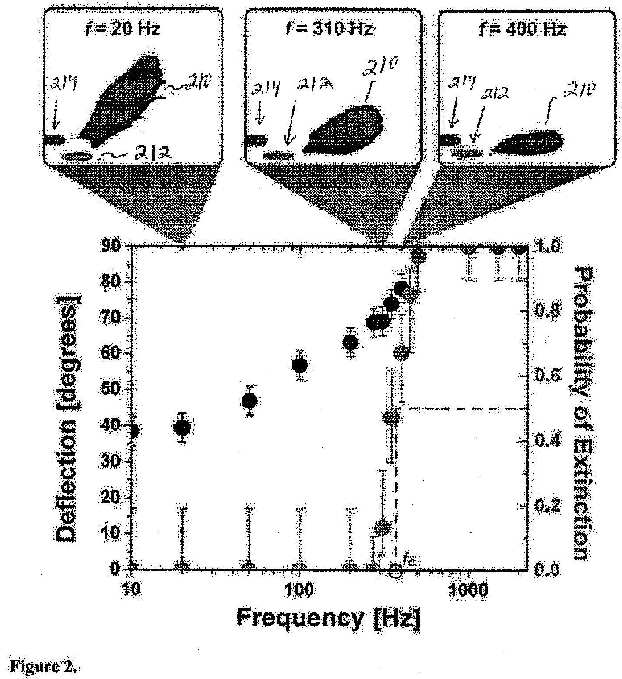
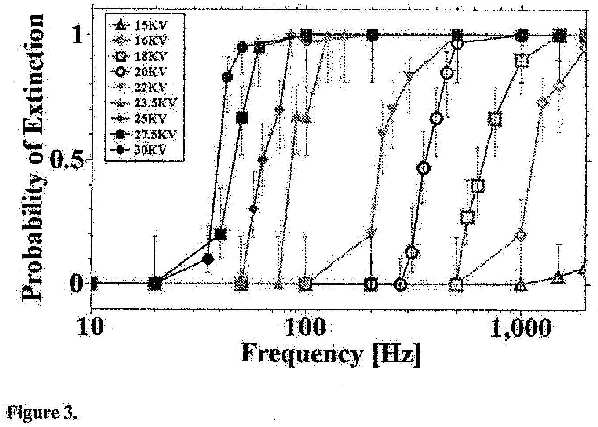
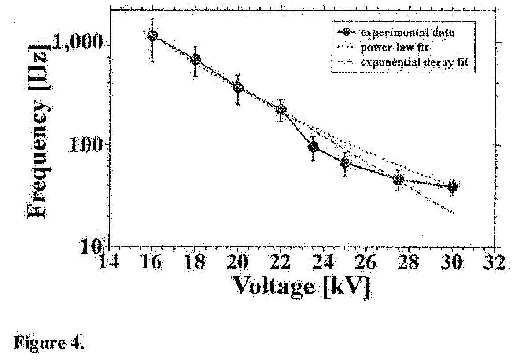
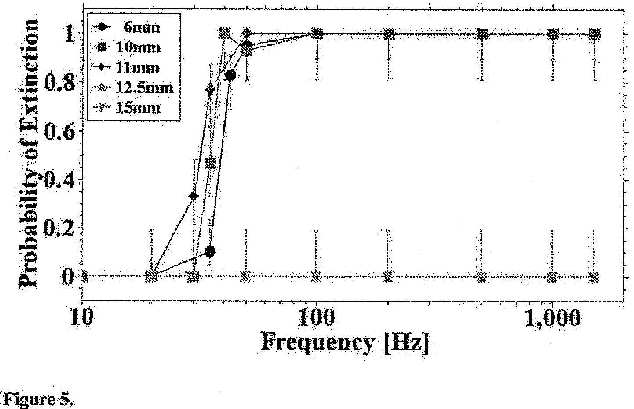
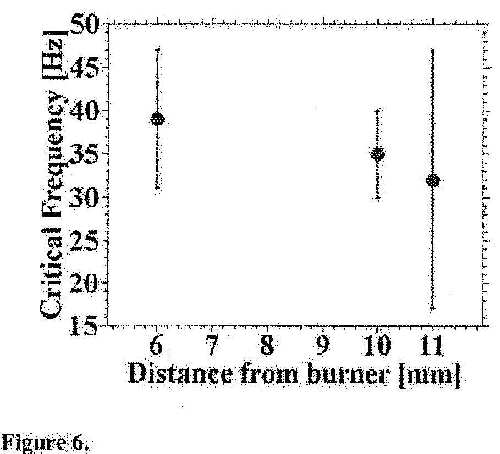
The Harvard team built a 600-W amplifier connected to a metal wand probe. When the probe delivers an oscillating gradient electric field (up to ~20 kV) to a flame taller than one foot, the flame is extinguished almost instantly. Experiments show that the probability of extinction depends on field frequency, voltage, and electrode distance. The mechanism is attributed to charging soot particles, which respond to the electric field and destabilize the combustion zone. The invention can be mounted on ceilings, carried in a backpack, or integrated into existing sprinkler systems. Funding came from DARPA and the U.S. Department of Energy.
Principles
- High-voltage electric field application
- Oscillating gradient electric fields
- Charging of soot particles
- Electric field-induced flame instability
Scientific Domains
Materials
- Metal electrode
- Platinum electrode
- Carbon soot (generated in flame)
- Insulating wand housing
Mechanisms of Action
- Soot particle charging
- Electric field gradient affecting flame stability
- Oscillating electric field causing rapid flame quenching
Energy Sources
Applications
- Firefighting in confined environments (submarines, ships, buildings)
- Portable backpack fire-taming devices
- Ceiling-mounted sprinkler replacements
- Improving combustion efficiency in engines and welding torches
Claimed Performance
Extinguishes a >1-foot-tall open flame almost instantly using a 600-W amplifier; authors suggest a tenth of that power (~60 W) could achieve similar results.
Experimental Evidence
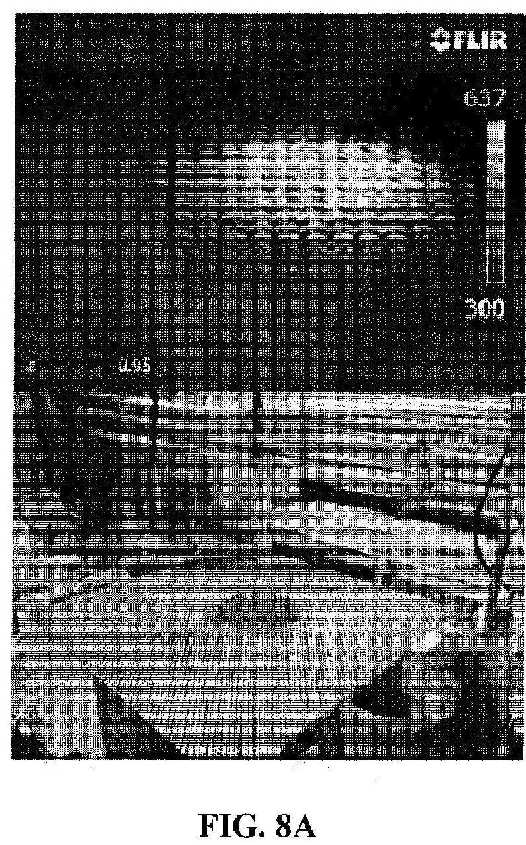
Demonstrations on open flames taller than one foot, repeated trials showing immediate extinction; figures showing probability of extinction versus frequency, voltage, and electrode distance.
Limitations
- Effectiveness limited to confined spaces; not suitable for large open-area fires
- Requires high-voltage equipment and safety precautions
- Power consumption may be significant for large-scale deployment
Red Flags
- High-voltage safety concerns for operators
- Potential for electrical hazards if used near conductive structures