Goal
Increase fuel efficiency and reduce emissions by delivering a vaporized fuel/air mixture to an internal combustion engine.
Problem
Inefficient combustion, high fuel consumption, and emissions in internal combustion engines.
Concept Summary
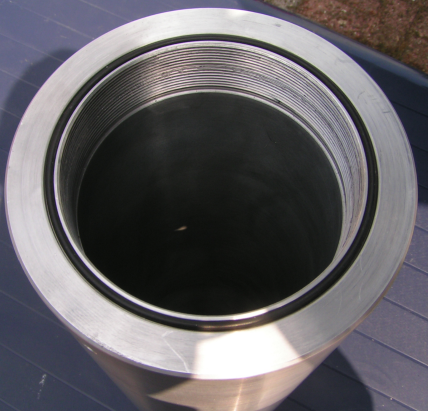
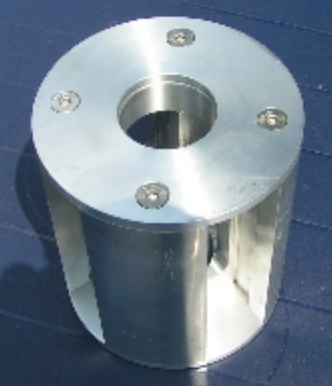
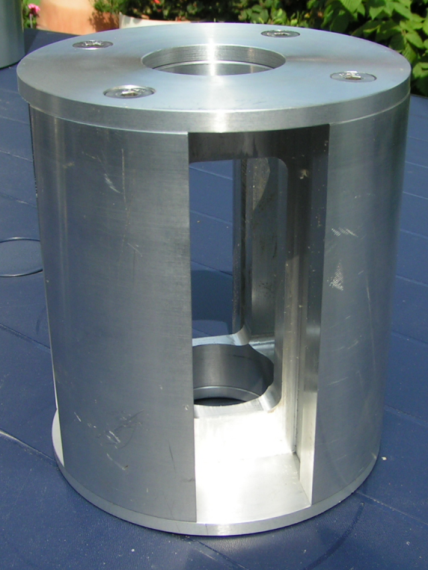
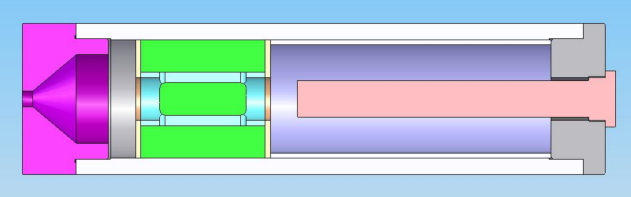
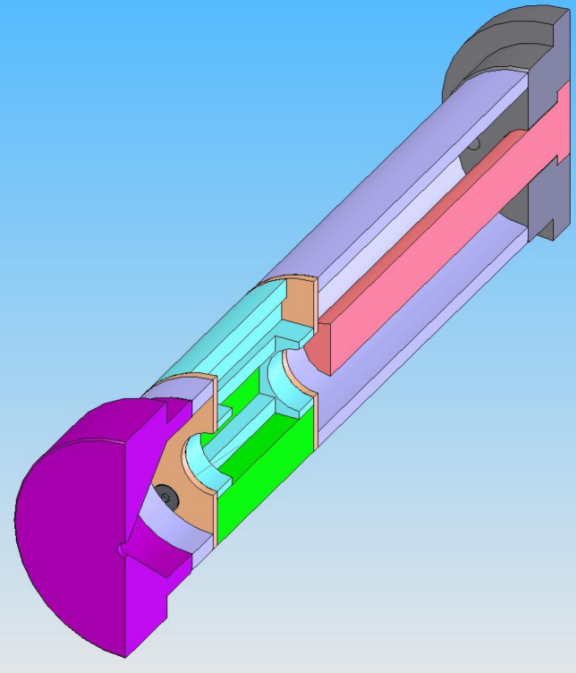
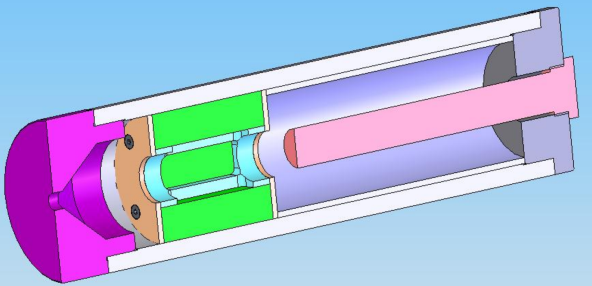
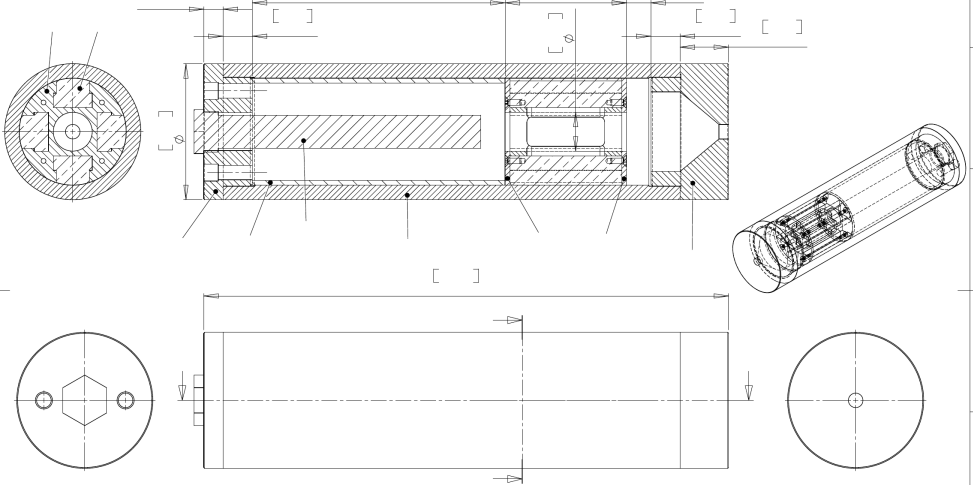
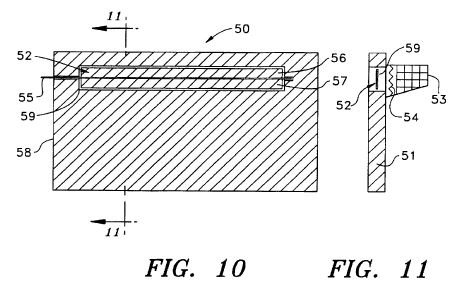
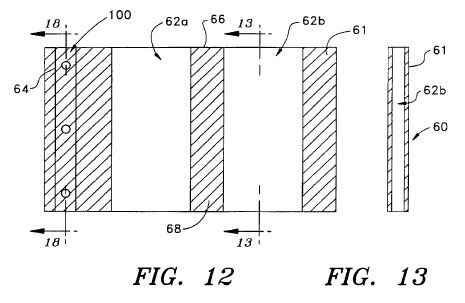
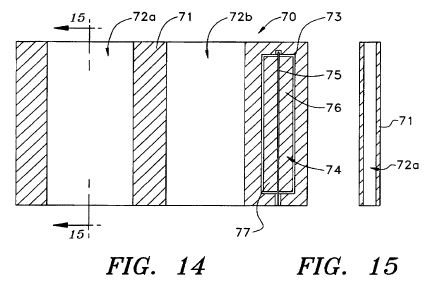
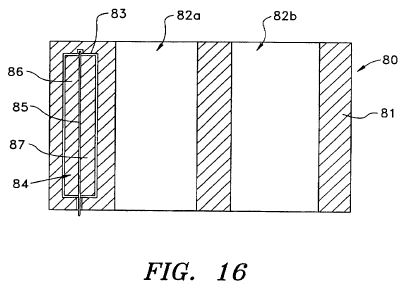
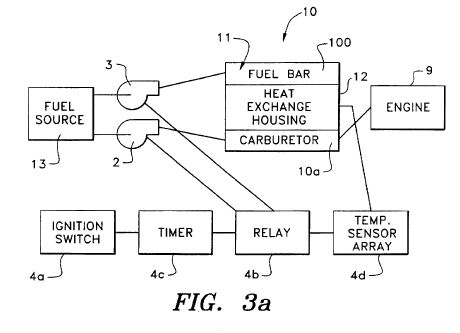
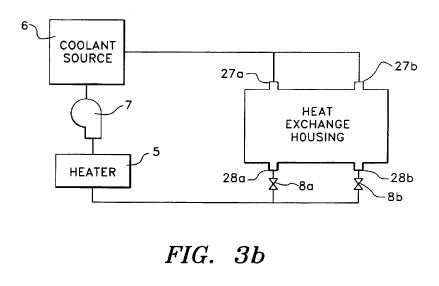
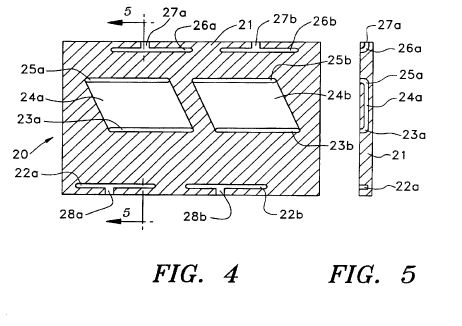
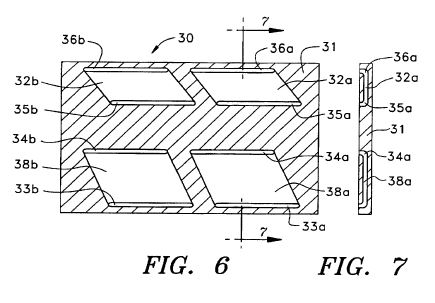
A fluid vaporization system that mixes air and liquid fuel, heats the mixture using a dual cross-counterflow heat exchanger supplied with a third fluid (e.g., exhaust gas or coolant), and discharges the mixture in a vaporized state to the engine intake, thereby improving fuel efficiency.
Detailed Description
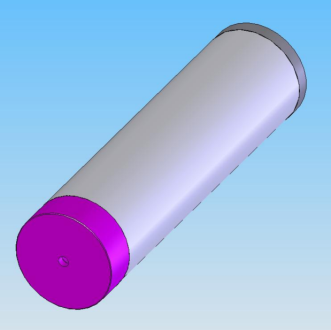
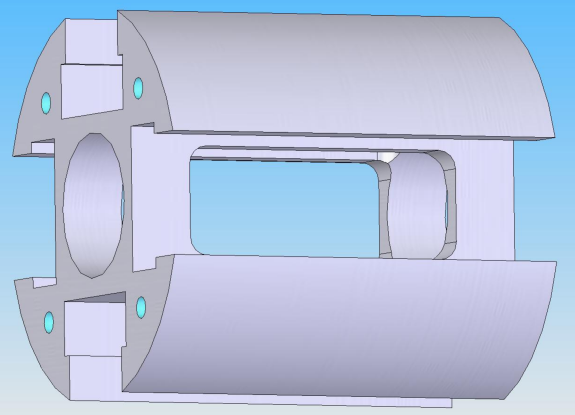
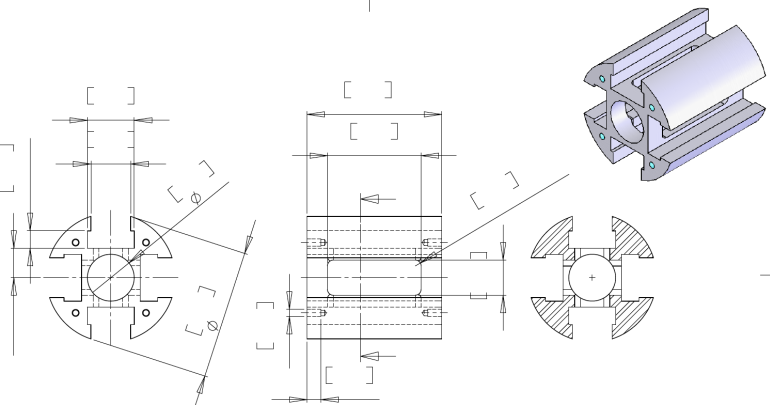
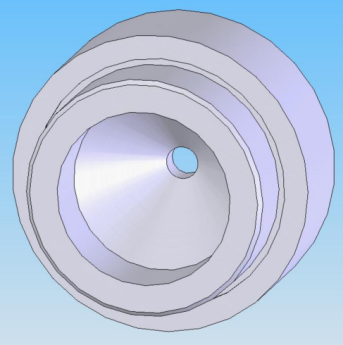
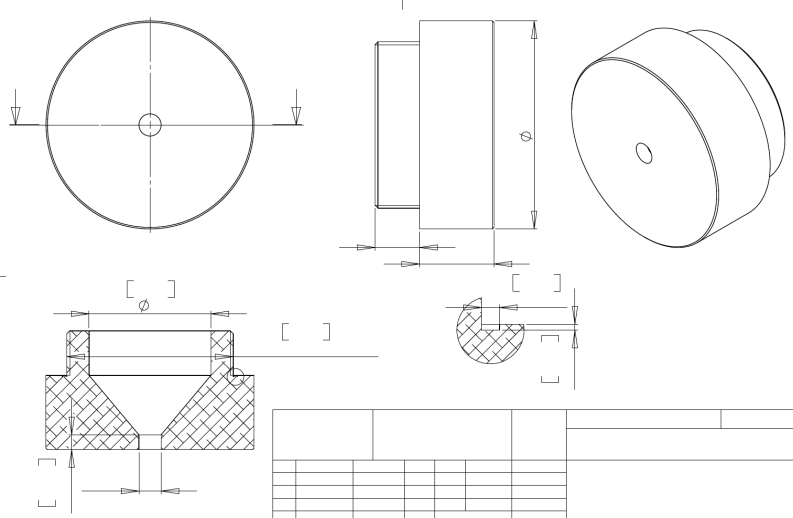
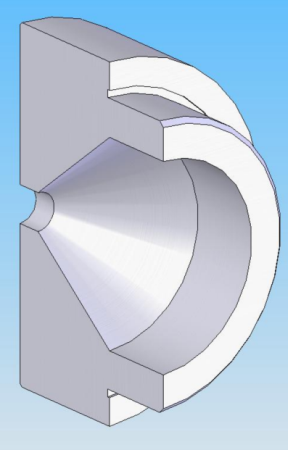
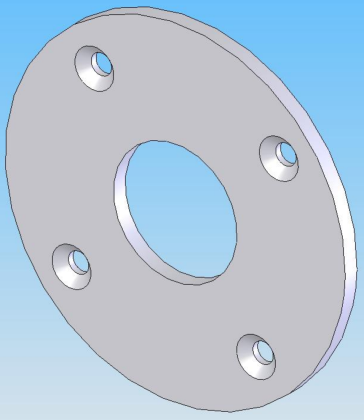
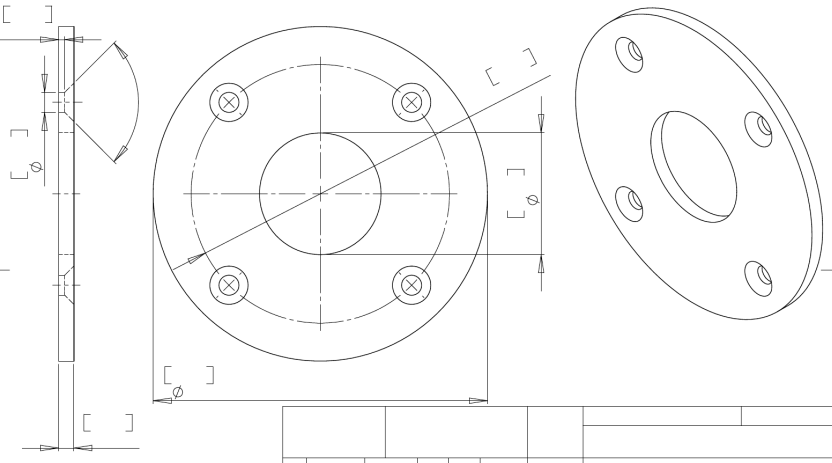
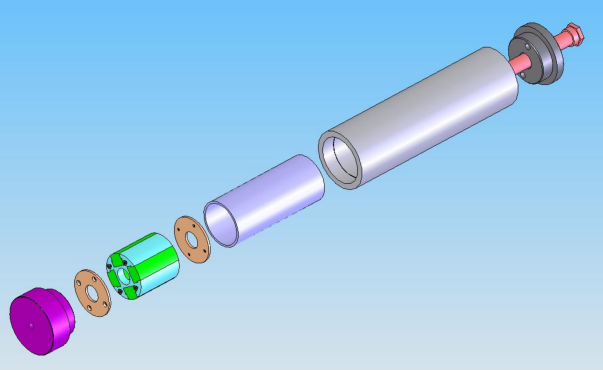
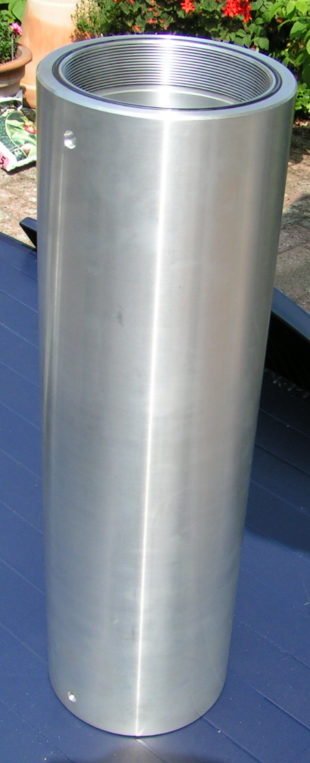
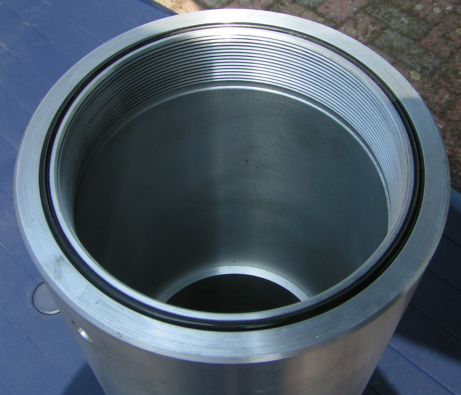
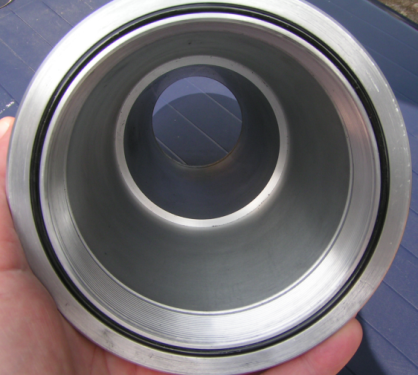
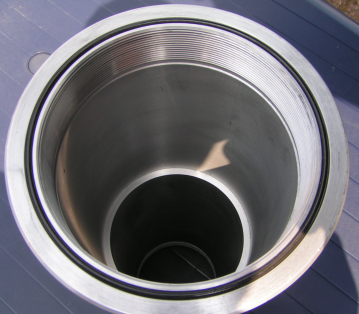
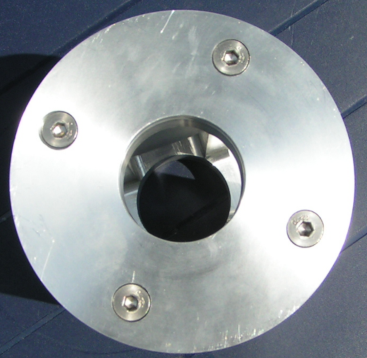
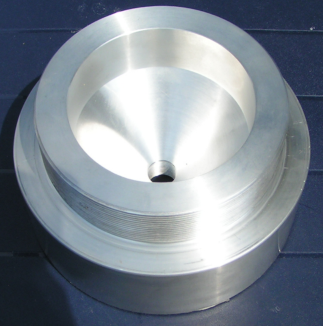
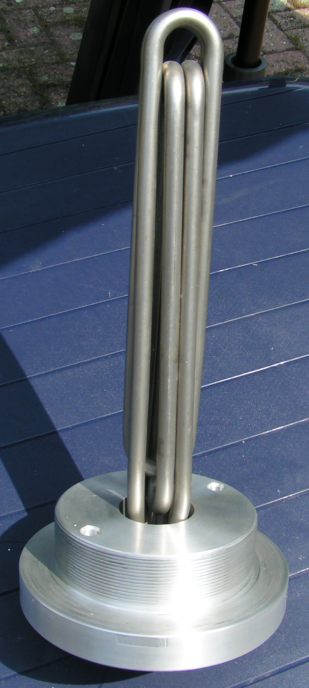
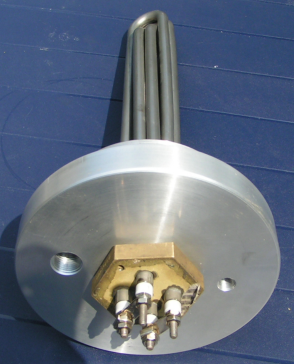
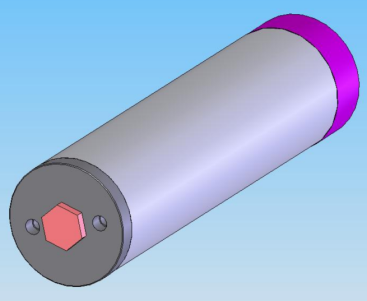
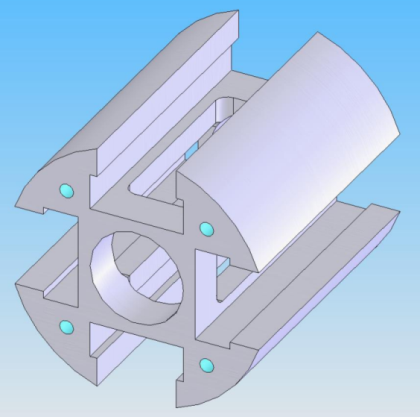
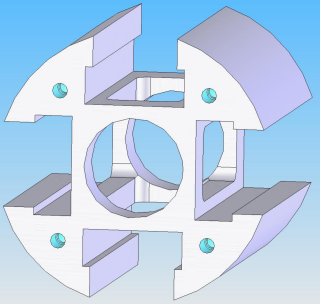
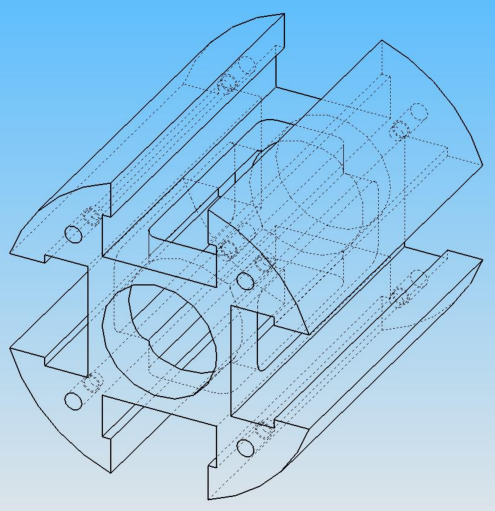
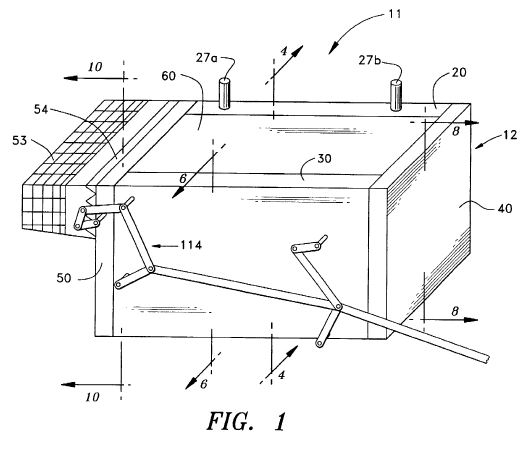
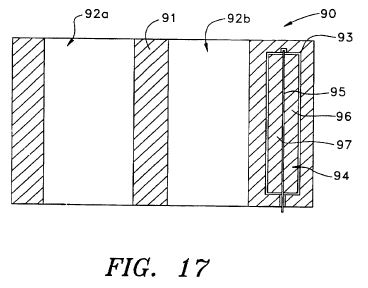
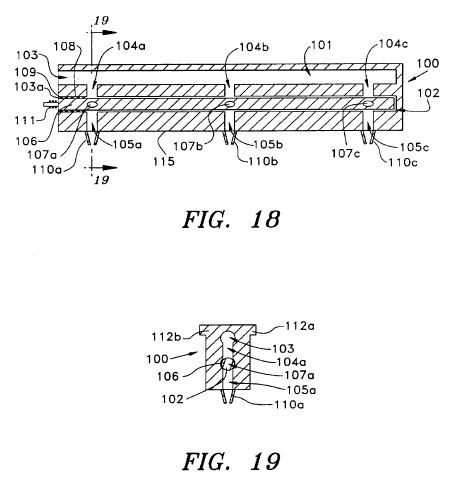
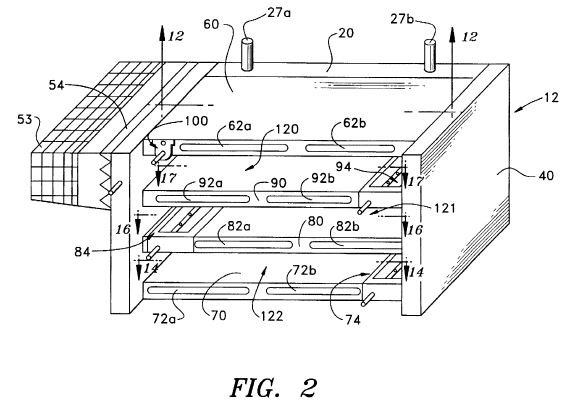
The invention comprises a first fluid inlet for liquid fuel, a second fluid inlet for air, and a third fluid inlet for a heat-transfer fluid. The first and second inlets mix to form a fuel/air mixture that passes through a first connecting passage to a discharge aperture. A second connecting passage, thermally coupled to the first, carries the third fluid to a second discharge aperture, transferring heat to the fuel/air mixture so that it exits vaporized. The system is intended for use in automotive engines to increase mileage (claimed 111-113 mpg) and lower emissions.
Principles
- Heat transfer
- Phase change (vaporization)
- Fluid mixing
- Counter-flow heat exchanger
Scientific Domains
Materials
- gasoline
- air
Mechanisms of Action
- Mix liquid fuel with air
- Heat the mixture via a counter-flow heat exchanger
- Vaporize the fuel/air mixture
- Deliver vapor to engine intake
Energy Sources
Applications
- Automotive fuel-efficiency improvement
- Emission reduction for internal combustion engines
Claimed Performance
Prototype achieved 111-113 mpg (over 100 mpg) in a 1973 Dodge station wagon; inventor claims potential 76 % reduction in national gasoline consumption over five years.
Experimental Evidence
The inventor reports a working prototype installed in a 1973 Dodge station wagon that delivered 111-113 mpg during testing.
Limitations
- Safety hazards associated with handling vaporized fuel
- Lack of independent, peer-reviewed testing
- Complexity of dual counter-flow heat exchanger design
Red Flags
- Claims of suppression by oil companies and law enforcement
- No publicly available, independent verification of performance
- Potential for dangerous operation without qualified personnel