Goal
Improve plant growth, health, and yield by exploiting the paramagnetic properties of rocks and soil to create beneficial ELF energy patterns.
Problem
Declining soil fertility, plant disease, and insect damage caused by loss of natural magnetic and mineral influences in agricultural soils.
Concept Summary
The article proposes that certain rocks (e.g., granite, sandstone) possess a paramagnetic force that can be focused into the ground, creating an ELF (extremely low-frequency) growth pattern. By placing these rocks or specially oriented towers in fields and planting seeds around them, growers can enhance root development, increase plant size, and reduce pest attraction.
Detailed Description
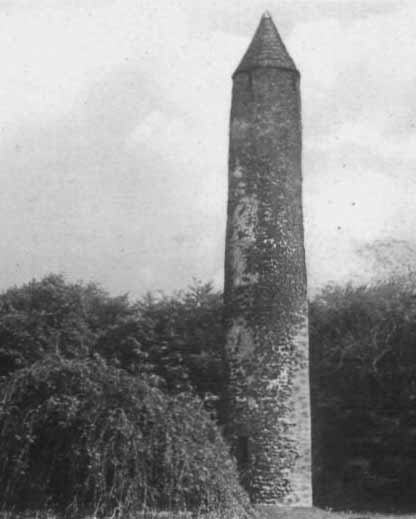
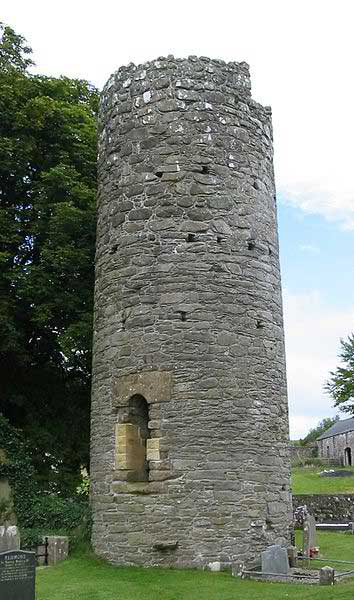
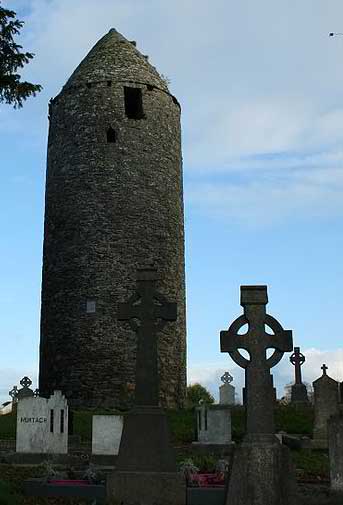
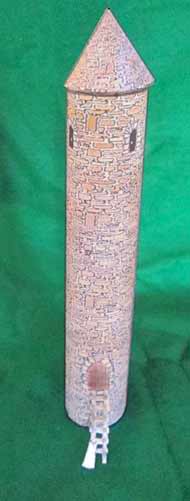
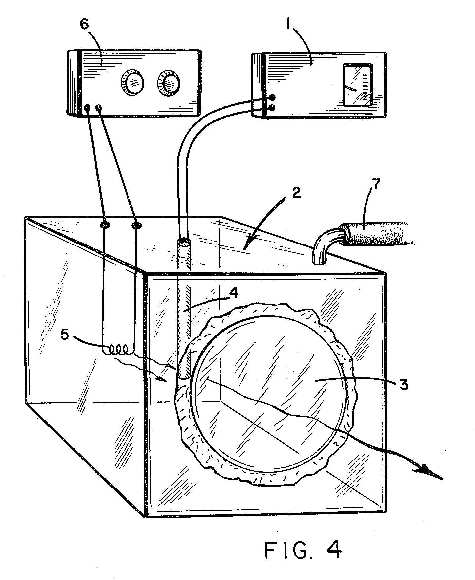
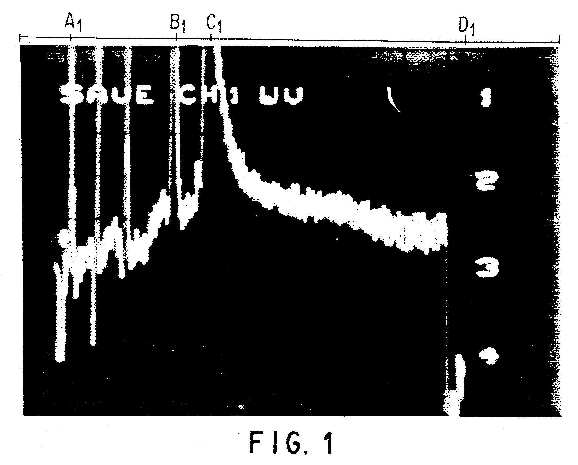
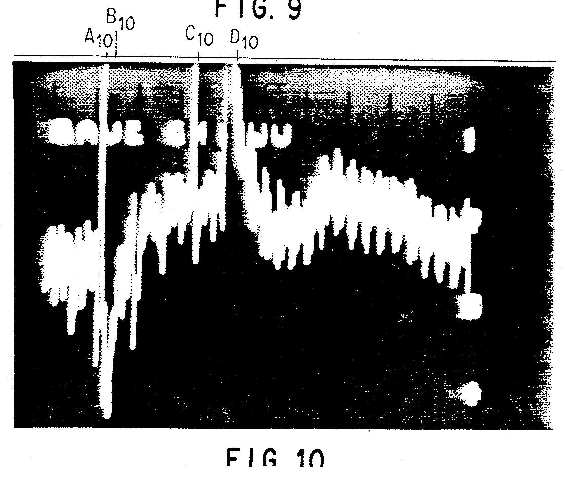
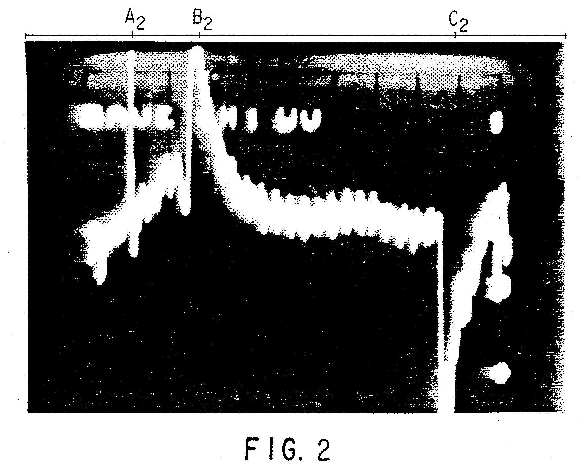
Callahan recounts historical perspectives on soil chemistry and argues that the missing element in modern agriculture is the paramagnetic force inherent in certain stones. He describes experiments in which radish seeds were planted around a red-sandstone tower oriented toward the sunrise. Observations indicated directional growth differences: the strongest growth occurred on the west side of the tower, with slower growth to the east. He suggests that the paramagnetic rock or tower acts as a focal point for ELF energy, analogous to the energy patterns of his WWII radio range station. The method involves selecting rocks rich in magnetic minerals, grinding them if needed, and arranging them (or constructing towers) in specific orientations to maximize the ELF field's impact on nearby plants. The claimed benefits include faster growth cycles, larger harvests, healthier plants, and reduced insect infestation. The approach is presented as a low-cost, natural alternative to chemical fertilizers and pesticides.
Principles
- Paramagnetism
- Extremely low-frequency (ELF) electromagnetic fields
- Magnetic alignment of minerals
- Natural electromagnetic spectrum interactions
Scientific Domains
Materials
- Granite
- Red sandstone
- Other paramagnetic rocks
Mechanisms of Action
- Paramagnetic rocks generate localized magnetic fields
- ELF energy is focused into the soil, influencing plant cellular processes
- Enhanced root development through magnetic field-stimulated nutrient uptake
Energy Sources
Applications
- Crop farming
- Sustainable agriculture
- Ecological land management
Claimed Performance
Plants grown near the west side of a paramagnetic tower exhibit noticeably larger size and more extensive root systems within eight days compared to those on the east side.
Experimental Evidence
Author reports anecdotal observations of radish seed plots around a red-sandstone tower, noting directional differences in growth and root development.
Limitations
- No quantitative data or peer-reviewed studies
- Evidence limited to author's anecdotal observations
- Unclear optimal rock composition and orientation
- Potential variability due to local geology
Red Flags
- Reliance on anecdotal evidence without controlled experiments
- Lack of scientific validation or replication by independent parties
- Use of vague terms such as "force called in the physics handbook paramagnetism" without clear definition
- Potential conflation of unrelated concepts (e.g., volcano formation, ELF energy) to support the claim