Goal
Generate usable electrical power from human urine and ambient air, potentially providing a low-cost, renewable energy source for devices ranging from watches to electric vehicles.
Problem
Need for inexpensive, waste-derived energy sources and alternative power generation methods that do not rely on conventional fossil fuels or large-scale nuclear reactors.
Concept Summary
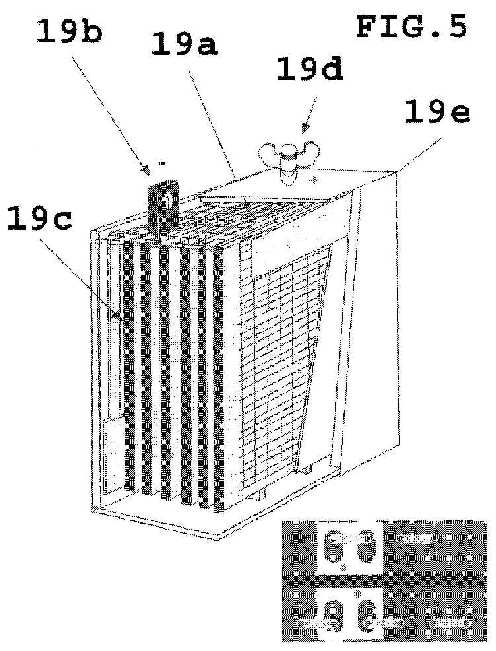
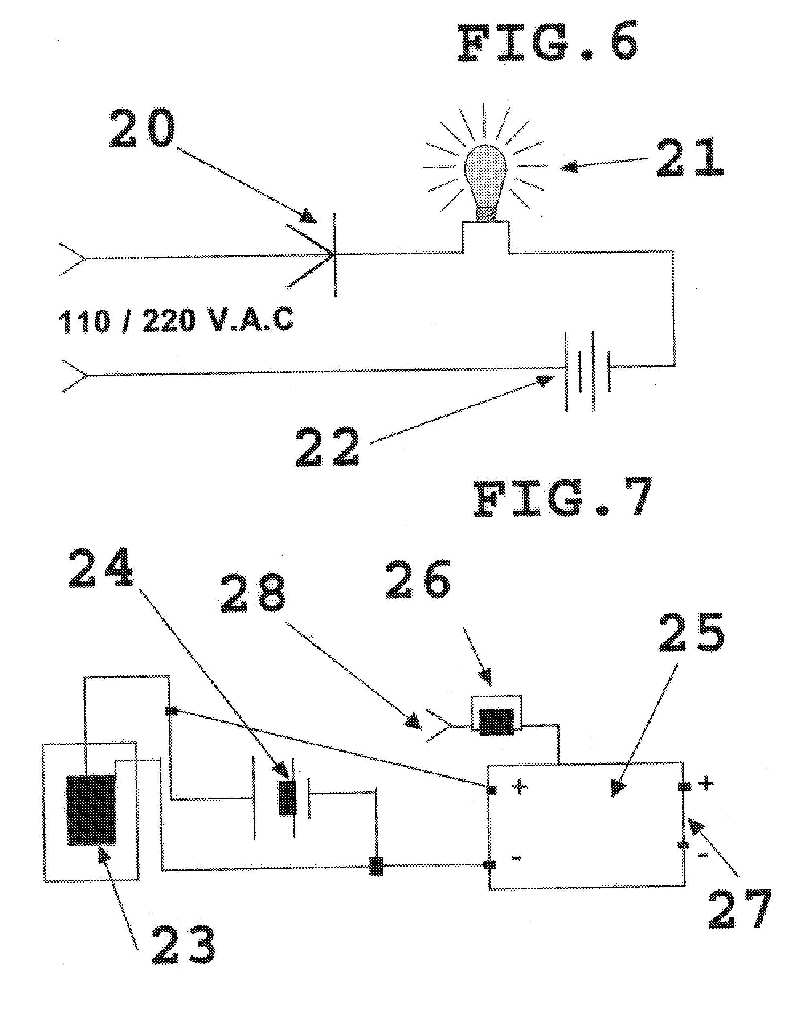
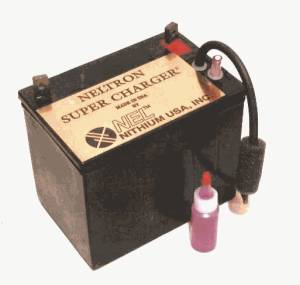
The invention claims that a chemical compound derived from human urine (called "Nithium") can be used in a reverse-ion fuel cell with a solid polymer membrane and a platinum catalyst. The cell separates electrons and protons, allowing electrons to flow as electricity while protons migrate through the membrane. The process is said to involve low-temperature cold-fusion reactions that transmute nitrogen and helium in the air, further augmenting energy output. Demonstrations reportedly produced several kilowatt-hours of electricity from a few gallons of urine.
Principles
- Electrochemical conversion of urine salts to a lithium-like material (Nithium)
- Platinum-catalyzed reverse-ion fuel cell operation
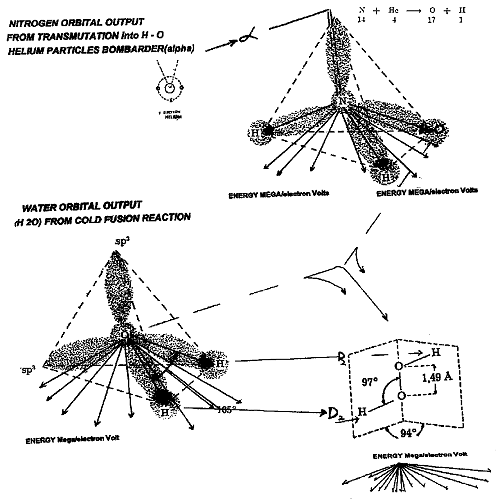
- Low-temperature cold-fusion transmutation of atmospheric nitrogen and helium
Scientific Domains
Materials
- Human urine (organic salts)
- Platinum (catalyst)
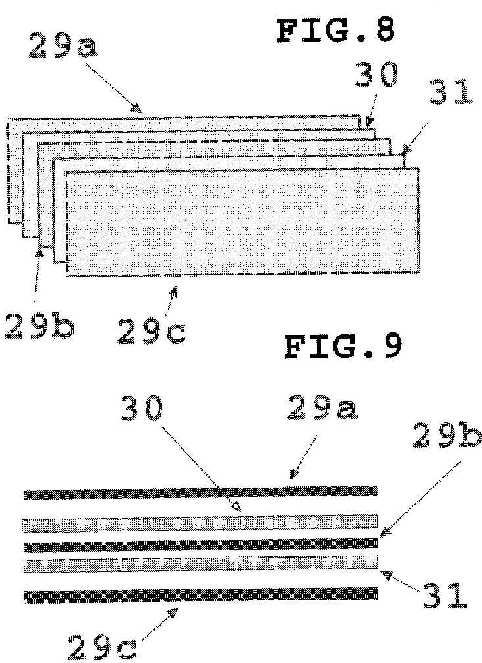
- Solid polymer electrolyte membrane
- Nithium (lithium-like compound derived from urine)
Mechanisms of Action
- Urine-derived ions react at the anode, releasing electrons
- Platinum catalyst separates electrons from protons, forcing electrons through an external circuit
- Protons migrate through a solid polymer membrane to the cathode where they combine with oxygen to form water
- Cold-fusion reactions (deuterium-helium transmutation) purportedly add extra heat and energy
Energy Sources
Applications
- Electric vehicle power source
- Home/industrial power generation
- Portable lighting (LEDs)
Claimed Performance
5 gallons of urine can generate ~5 kWh of electricity for a 24-hour period (~=5 kW continuous output).
Experimental Evidence
Prototype displayed at the Invention Convention (Pasadena) 1993; demonstration video links provided; reported demonstration at the Exotic Research Conference July 1998; several newspaper articles (e.g., Los Angeles Times, Sep 3 1993).
Replication Status
Only inventor-provided demonstrations; no independent peer-reviewed replication reported.
Limitations
- No peer-reviewed data or independent verification
- Exact chemical composition of "Nithium" not disclosed
- Cold-fusion claims lack reproducible experimental evidence
- Potential high cost of platinum catalyst
Red Flags
- Extraordinary energy density claims without quantitative peer-reviewed data
- Reliance on unverified cold-fusion mechanisms
- Skeptical commentary from qualified electrochemists in the source article