Goal
Generate a self-energizing, free-energy source that can produce thrust and weightlessness for spacecraft.
Problem
Need for a high-energy, low-mass propulsion system that can overcome gravity without conventional fuel.
Concept Summary
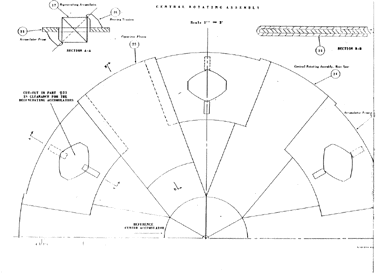
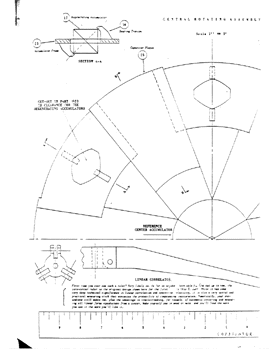
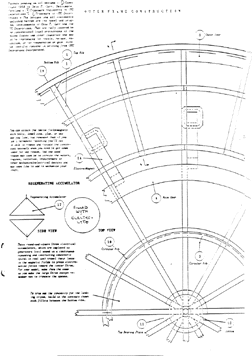
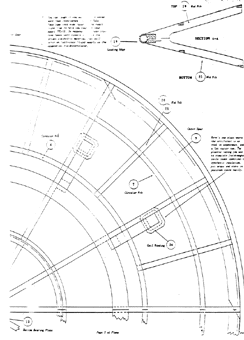
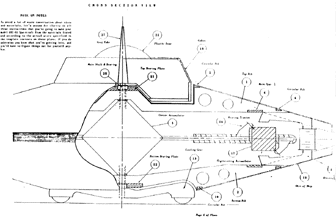
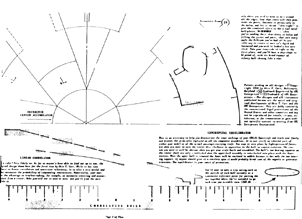
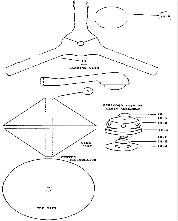
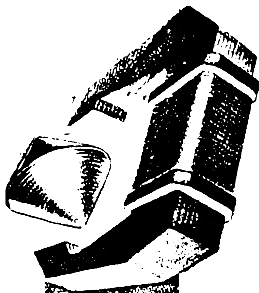
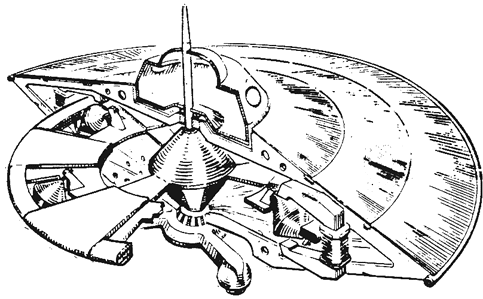
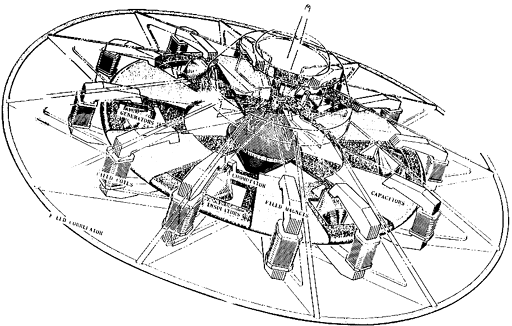
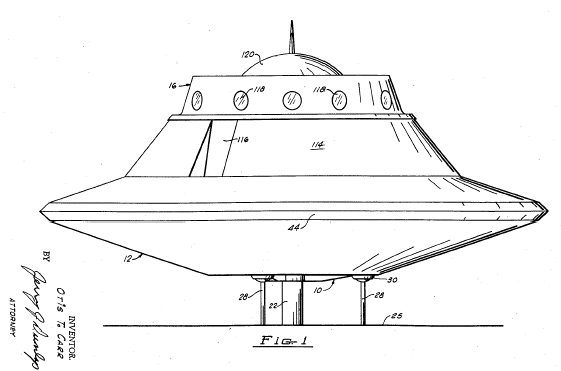
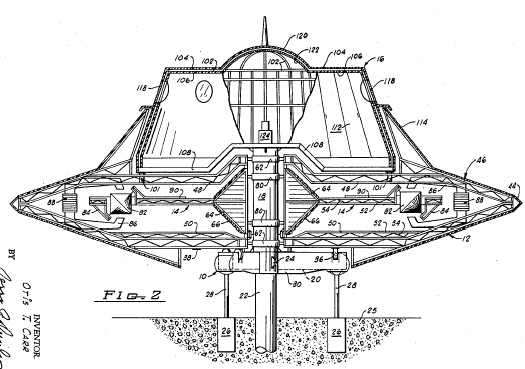
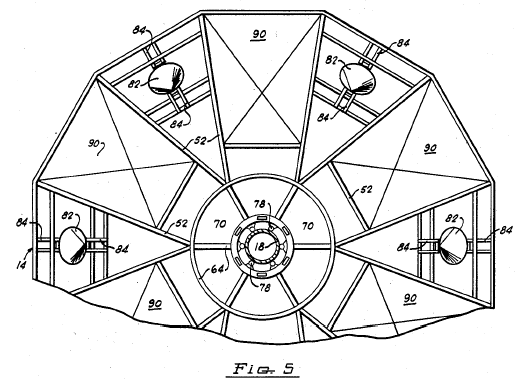
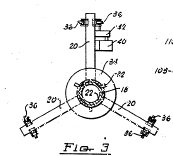
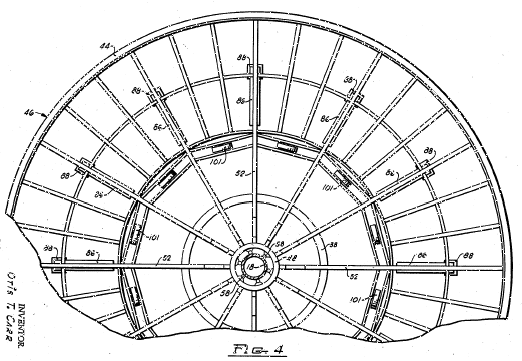
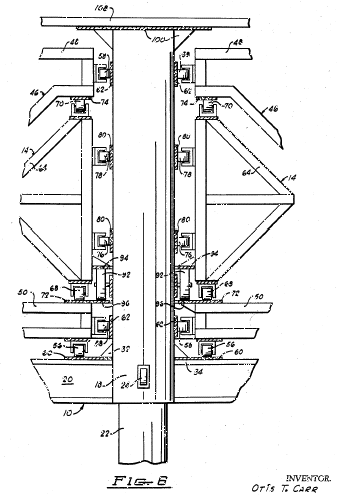
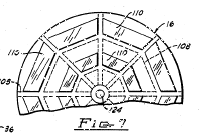
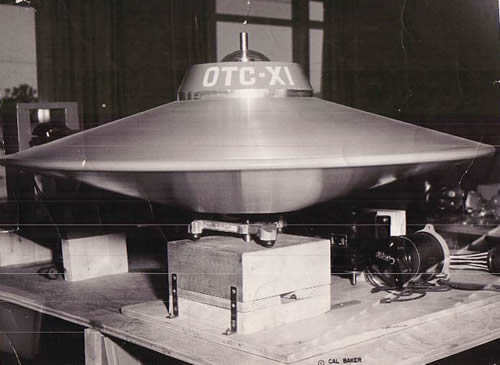
Carr's Utron is described as a rotating, charged "molecular shell" (a hemispherical accumulator) that, when counter-rotated with electromagnets and capacitor plates, allegedly creates tensor stresses in free space, cancels inertial mass, and provides continuous electromotive force. The system is claimed to recharge from atmospheric electricity and to enable weightless, high-speed travel.
Principles
- Electromagnetic induction
- Counter-rotating mass dynamics
- Inertial mass cancellation via tensor stresses
- Atmospheric electricity harvesting
Scientific Domains
Materials
- Bismuth (paramagnetic/diamagnetic element)
- Capacitor plates
- Electromagnets
- Battery cells
Mechanisms of Action
- Rotating charged masses produce opposing electromagnetic fields
- When counter-rotation matches forward rotation, polarity vanishes and the craft becomes weightless
- Capacitor plates and electromagnets regenerate charge from atmospheric electric fields
Energy Sources
Applications
- Spacecraft propulsion
- High-energy power storage
Claimed Performance
Weightless operation, ability to accelerate to "tremendous velocities up to the speed of light", gentle landing at ~100 ft/min.
Experimental Evidence
Engineer Ralph Ring reportedly flew a short test flight of a small model of the craft.
Replication Status
Only anecdotal single-model flight; no independent verification or scaling reported.
Limitations
- Lack of reproducible, peer-reviewed data
- Claims rely on unverified physics (tensor stresses, free-space energy)
- Historical allegations of fraud and stock scams
Red Flags
- Fraudulent stock offerings associated with the inventor
- No independent replication or third-party testing
- Extraordinary claims (speed of light travel, free energy) without quantitative data