Goal
Generate lift and thrust using an internal duct and Coanda effect to achieve high-speed flight without external wings.
Problem
Conventional aircraft rely on external wings for lift, which adds drag and structural complexity; the IWA aims to produce lift and thrust internally, reducing drag and enabling compact designs.
Concept Summary
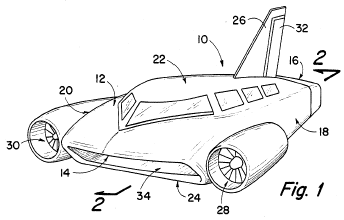
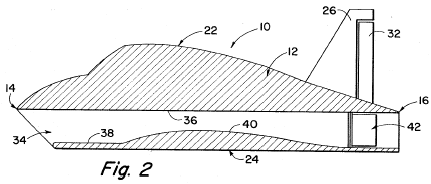
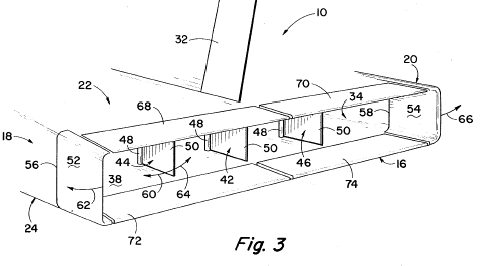
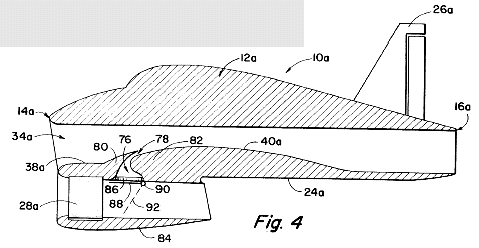
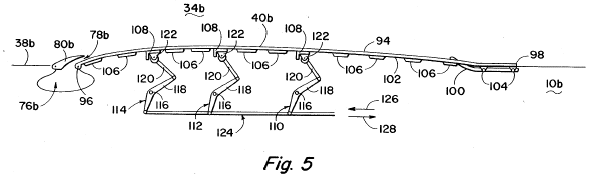
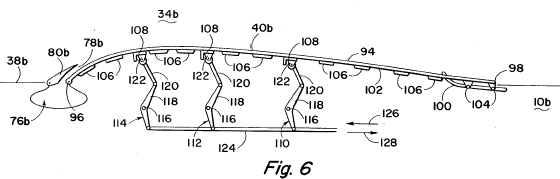
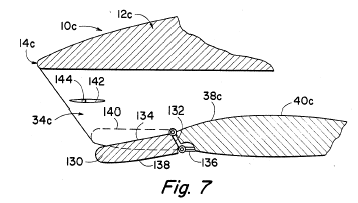
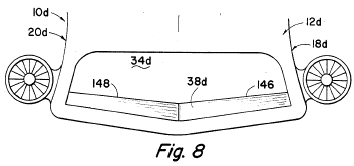
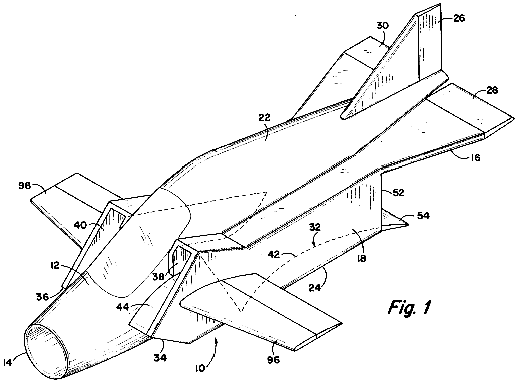
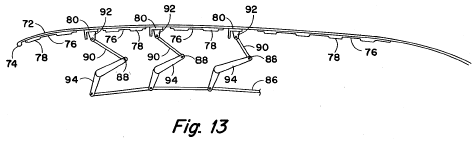
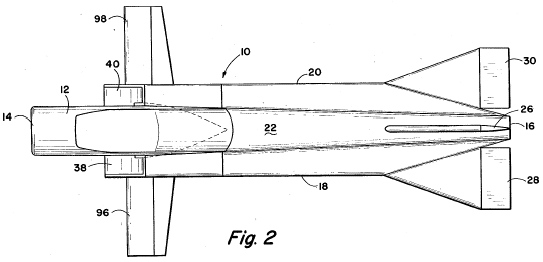
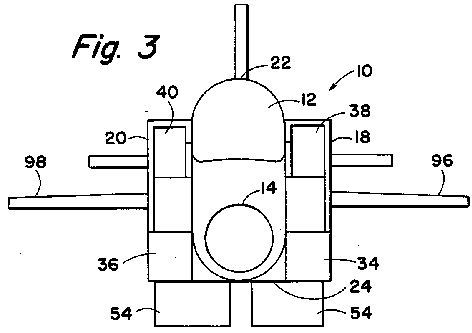
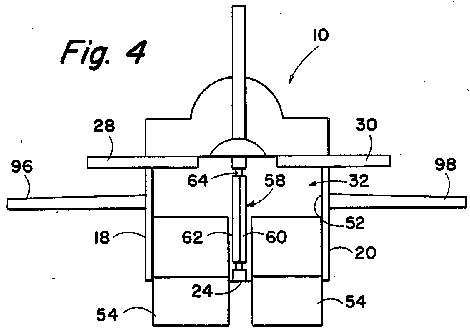
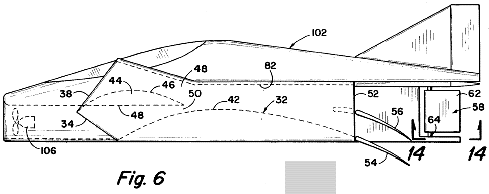
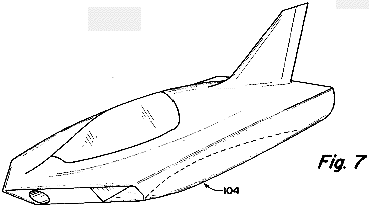
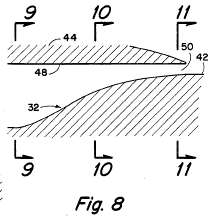
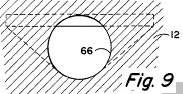
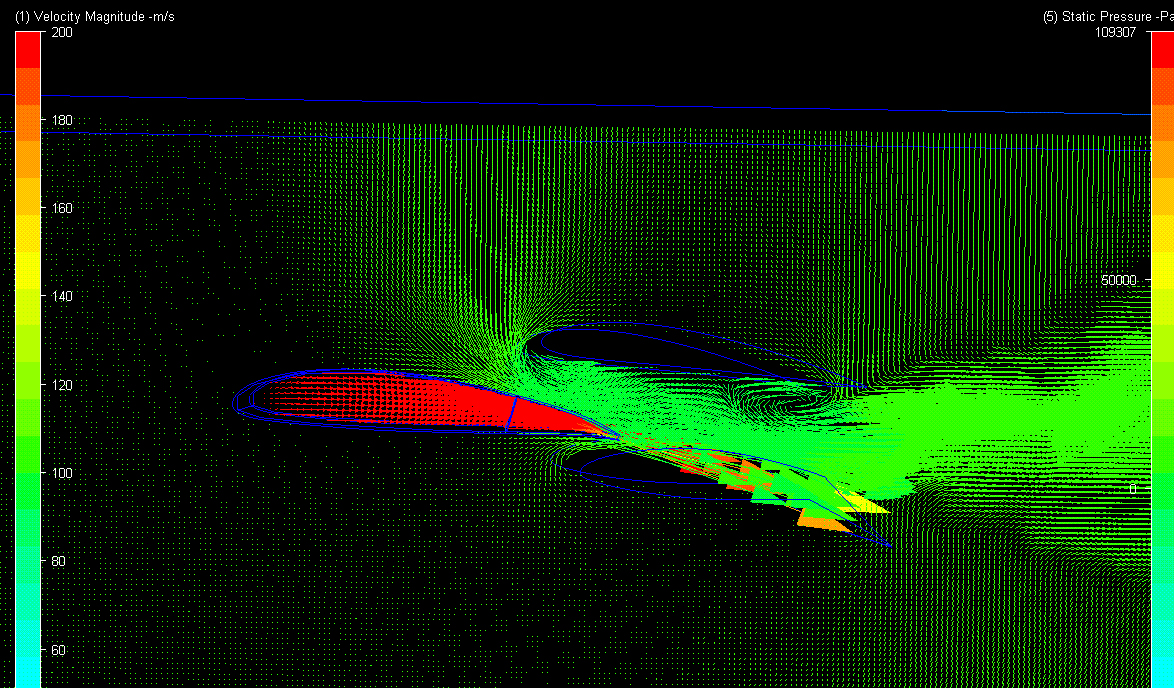
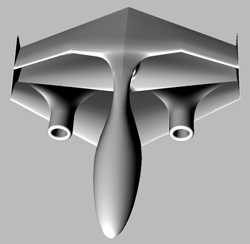
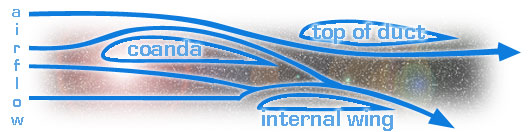
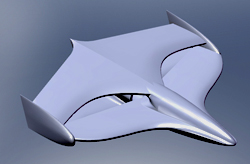
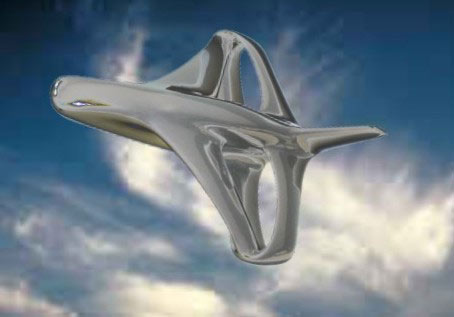
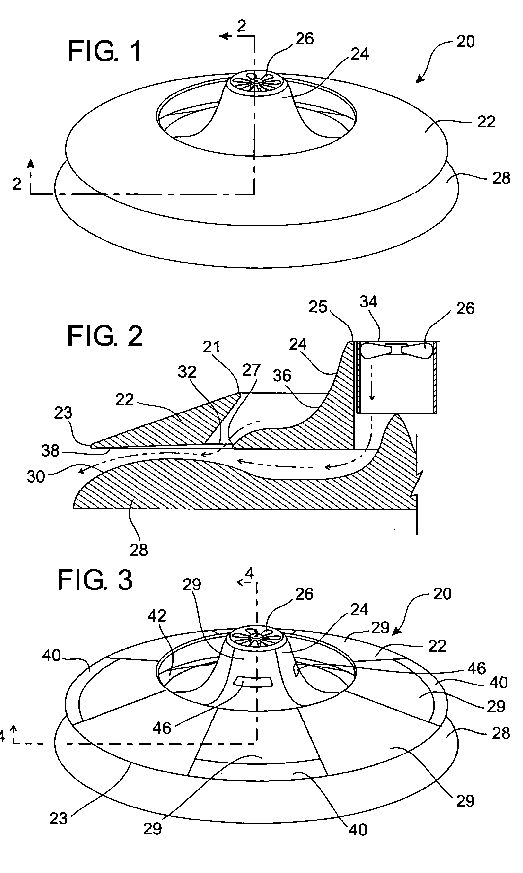
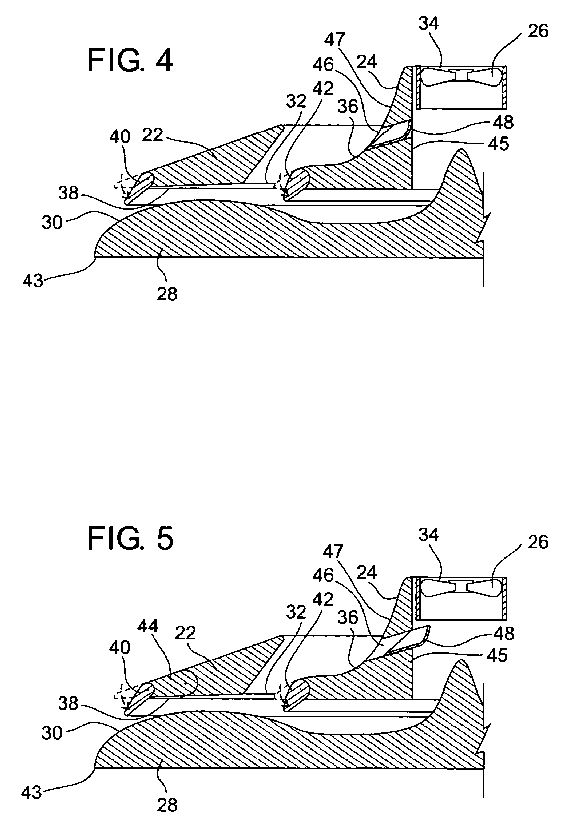
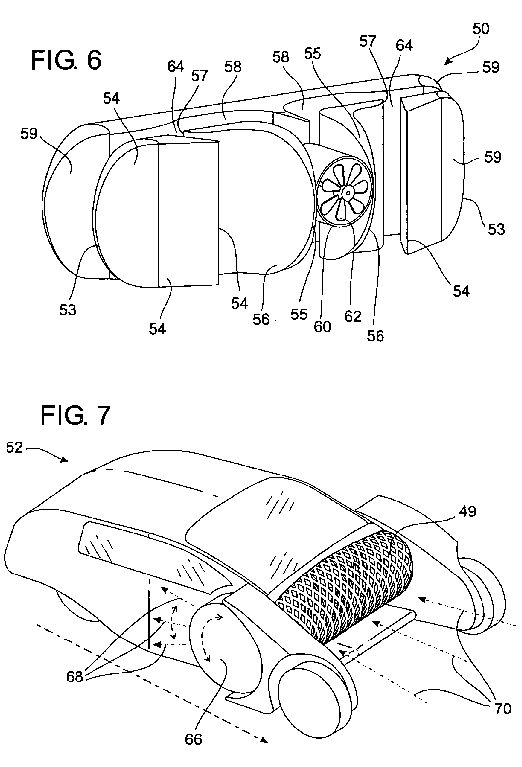
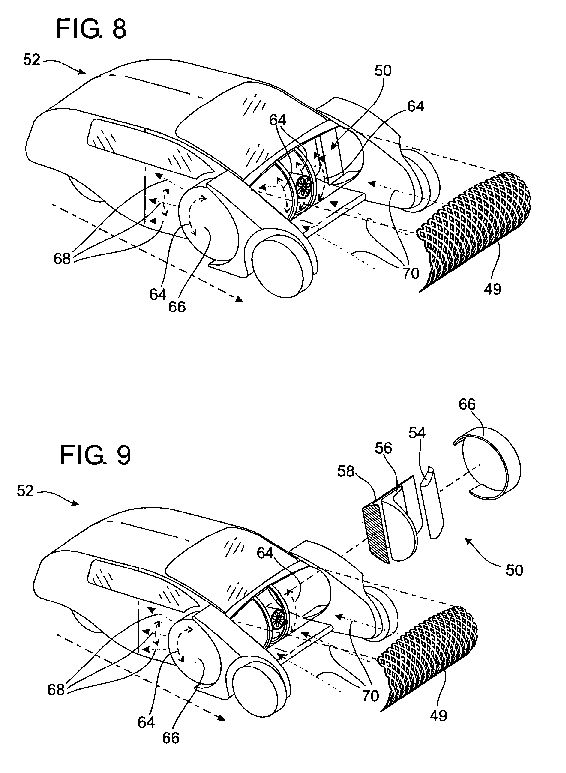
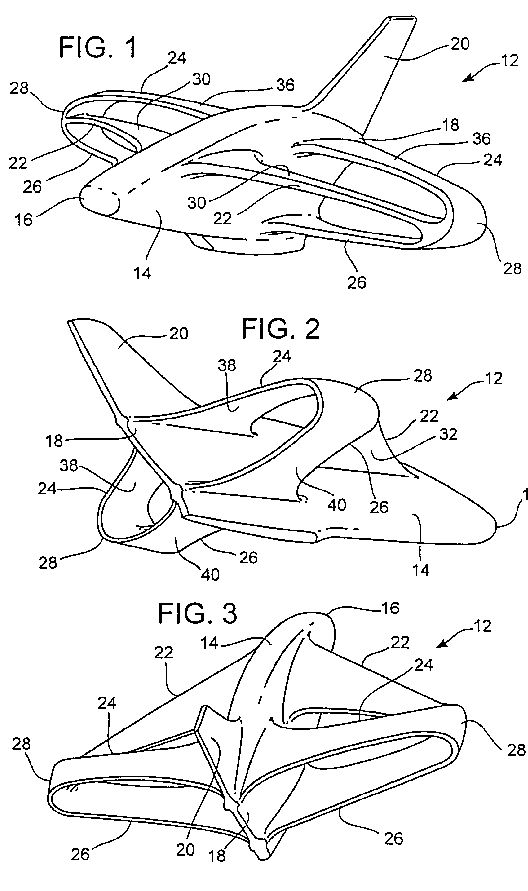
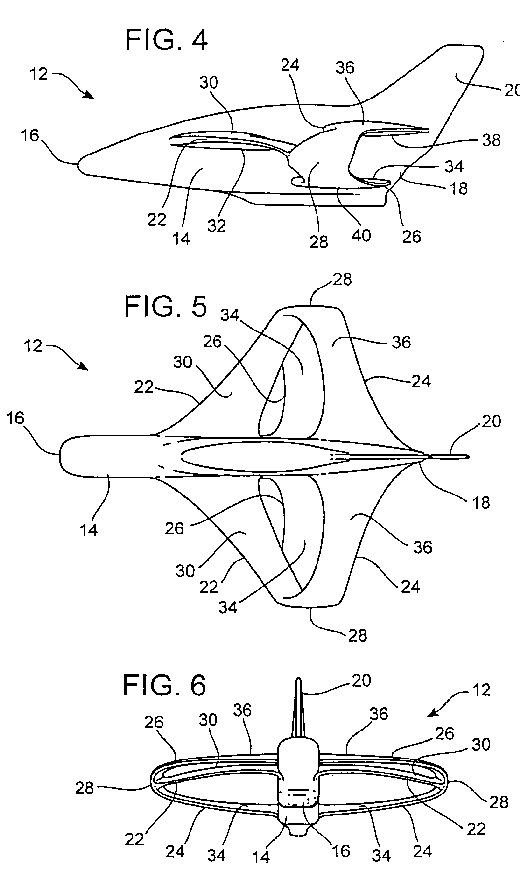
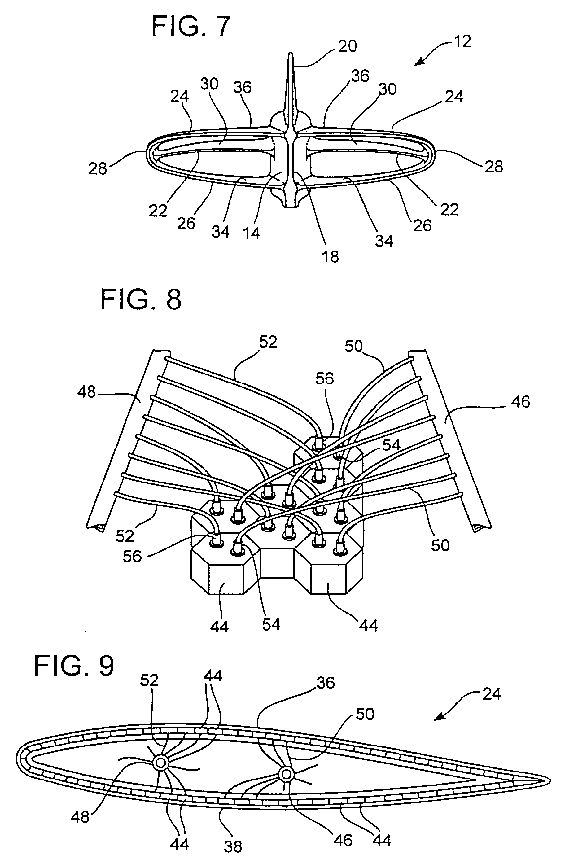
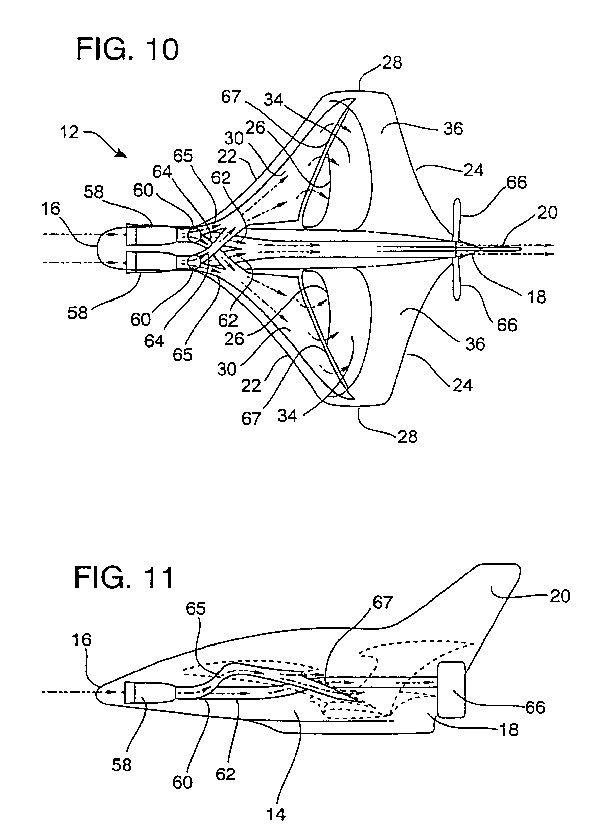
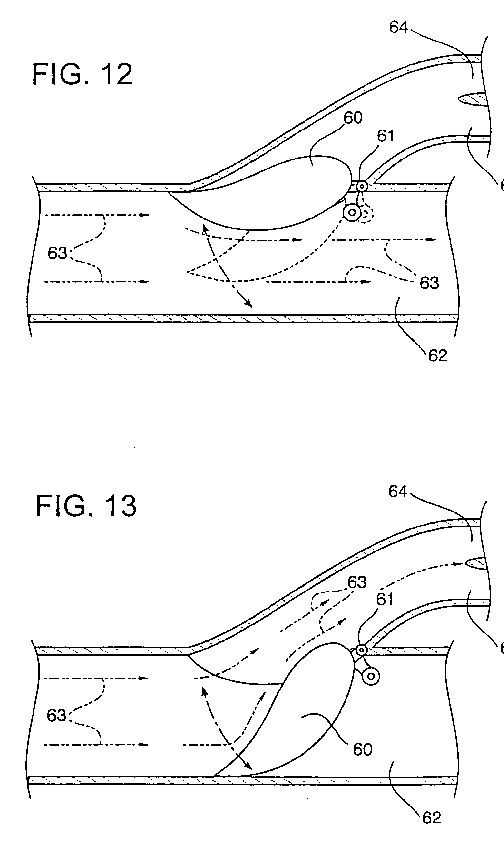
The Internal Wing Aircraft (IWA) uses a longitudinal duct through the fuselage whose floor acts as an internal wing. Air (or water) is directed over a Coanda surface, causing downward flow that separates the top-side flow, doubles the mass of fluid acting on the wing, and creates a Venturi-type acceleration. The resulting pressure gradient produces lift and, through dynamic natural propulsion, thrust.
Detailed Description
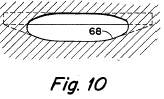
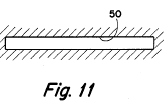
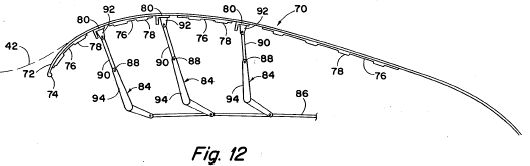
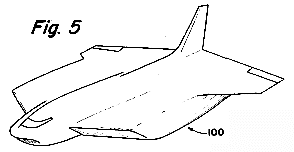
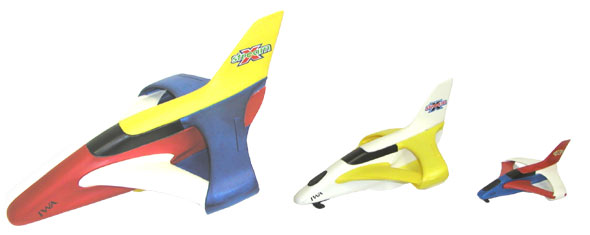
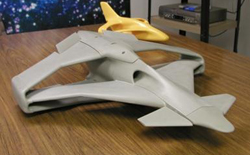
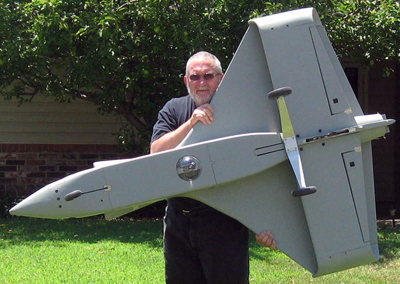
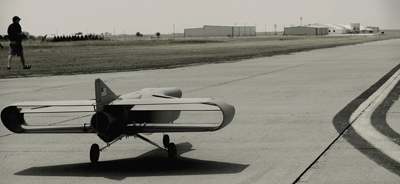
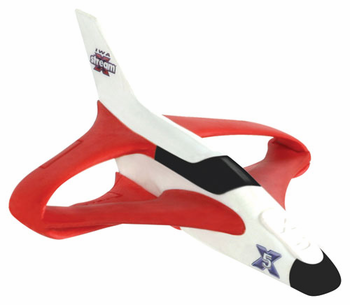
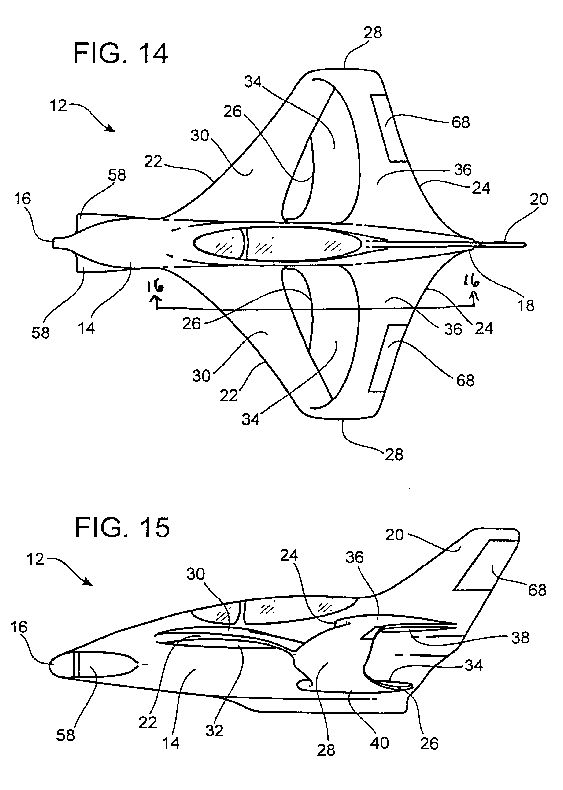
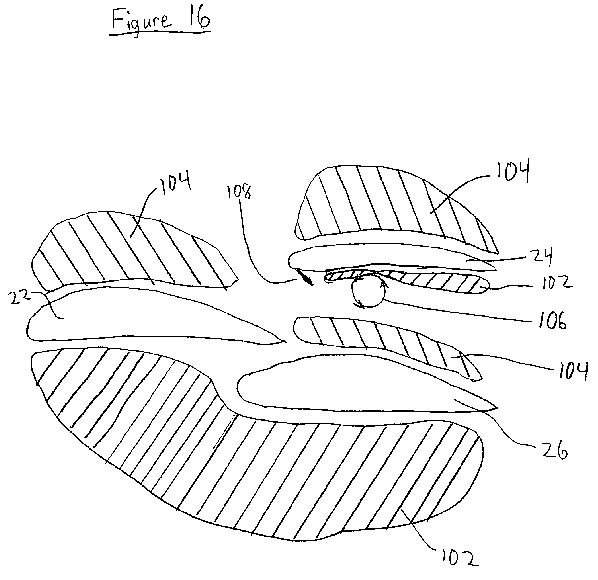
The IWA design incorporates a planar roof and a cambered floor within a duct that runs the length of the aircraft. A Coanda surface at the leading edge directs incoming flow downward onto the internal wing, laminating it with the incoming stream. This lamination and confinement squeeze the flow, producing a Venturi effect that raises velocity and pressure on the roof relative to the floor, generating lift. The same accelerated flow yields thrust (Dynamic Natural Propulsion). The concept is demonstrated in a hand-launched toy glider (Xstream Flyer) that can reach 100 mph, and the inventor claims the principle can be scaled to full-size aircraft and even underwater propulsion.
Principles
- Coanda effect
- Venturi effect
- Pressure gradient
- Laminar flow lamination
- Dynamic natural propulsion
Scientific Domains
Materials
- Flexible plastic (toy body)
- Fuselage structural material (unspecified)
Mechanisms of Action
- Downward deflection of flow by Coanda surface
- Separation of top-side flow to maintain pressure under roof
- Doubling of mass flow over internal wing
- Venturi-induced velocity increase
- Pressure differential creates lift
- Accelerated flow provides thrust
Energy Sources
Applications
- Hand-launched toy gliders
- Potential lift system for full-size aircraft
- Underwater propulsion concepts
Claimed Performance
Hand-launched glider reaches speeds up to 100 mph; the IWA design allegedly doubles the mass of fluid acting on the wing and yields exponential lift and thrust with increased flow velocity.
Experimental Evidence
The Xstream toy glider was reported to achieve up to 100 mph in hand-launch tests and was featured in Discover magazine; no independent data or peer-reviewed studies were provided.
Limitations
- Performance demonstrated only at toy scale
- No independent verification or peer-reviewed data
- Materials limited to soft plastic for safety
- Scalability to full-size aircraft not proven
Red Flags
- Claims of exponential lift without quantitative data
- Potential overstatement of capabilities for real aircraft