Goal
Provide an eco-friendly repellent and biocidal agent to prevent termite tunneling and damage to wood structures.
Problem
Termite damage to wood products and the environmental/health hazards of traditional synthetic termiticides such as chlordane and chlorpyrifos.
Concept Summary
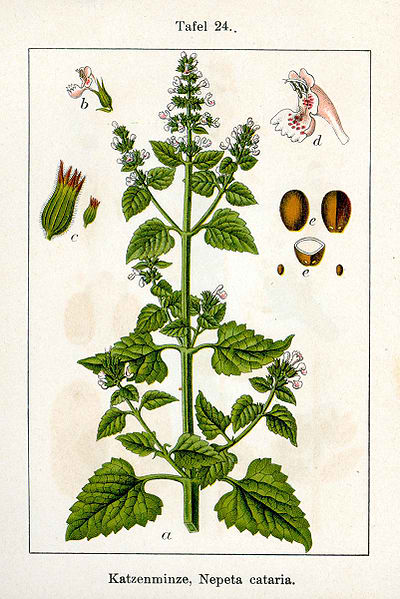
Essential oil extracted from Nepeta cataria (catnip) is infused into sand to create a chemical barrier that deters termite tunneling and, at higher concentrations, kills termites. Laboratory tests showed reduced or eliminated tunneling compared with untreated sand.
Principles
- Chemical repellency
- Direct insect toxicity
- Barrier formation
Scientific Domains
Materials
- Catnip essential oil (nepetalactone)
- Sand
- Yellow pine sapwood
Mechanisms of Action
- Disruption of termite tunneling behavior
- Neurotoxic effect of nepetalactone on termites
Applications
- Termite control in residential and commercial wood structures
- Barrier treatment for soil around foundations
Claimed Performance
Effective at doses lower than those reported for similar natural products; eliminates or greatly reduces termite tunneling in laboratory barrier tests.
Experimental Evidence
Laboratory barrier tests using catnip-treated sand showed elimination or reduction of termite tunneling both vertically (sand column with pine at bottom) and horizontally (treated sand strip across a box). Direct exposure tests demonstrated termite mortality at higher oil concentrations, though less effective than commercial termiticides.
Limitations
- Catnip oil degrades quickly in the environment
- High cost of oil at effective application rates
- No field-scale testing or safety certification yet
Red Flags
- Results are preliminary and limited to laboratory experiments
- No independent replication or field trials reported