Goal
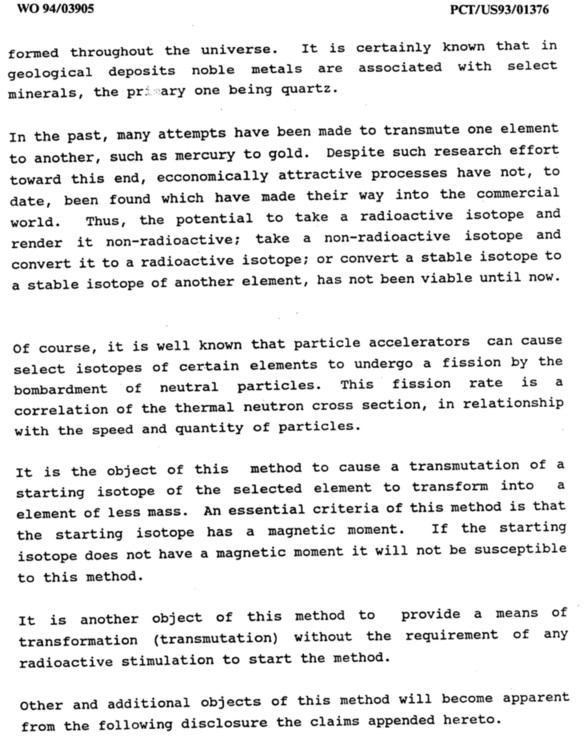
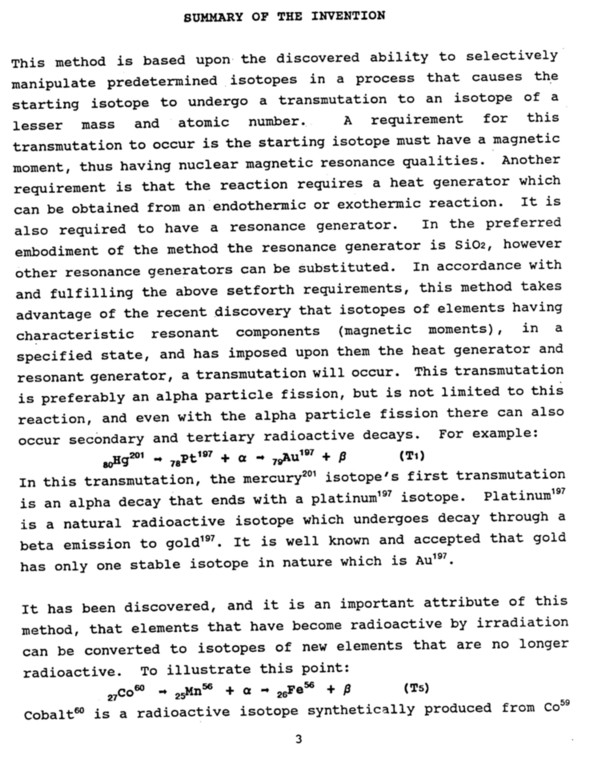
Convert base metals (e.g., silver, aluminum) into gold using low-energy phonon resonance and mutant microbe processes.
Problem
Lack of practical, low-energy methods for elemental transmutation and precious-metal recovery.
Concept Summary
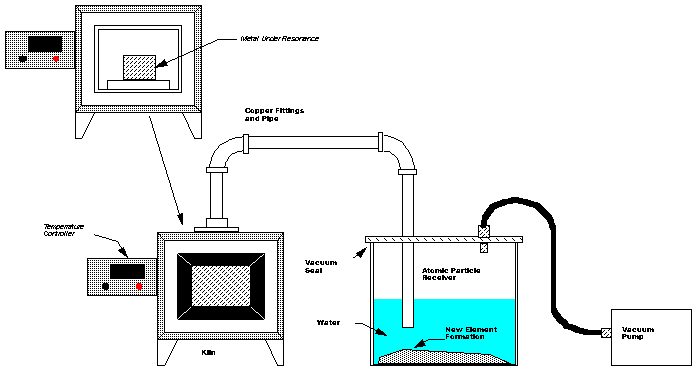
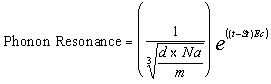
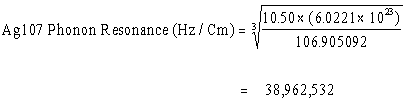
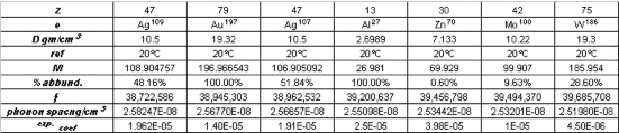
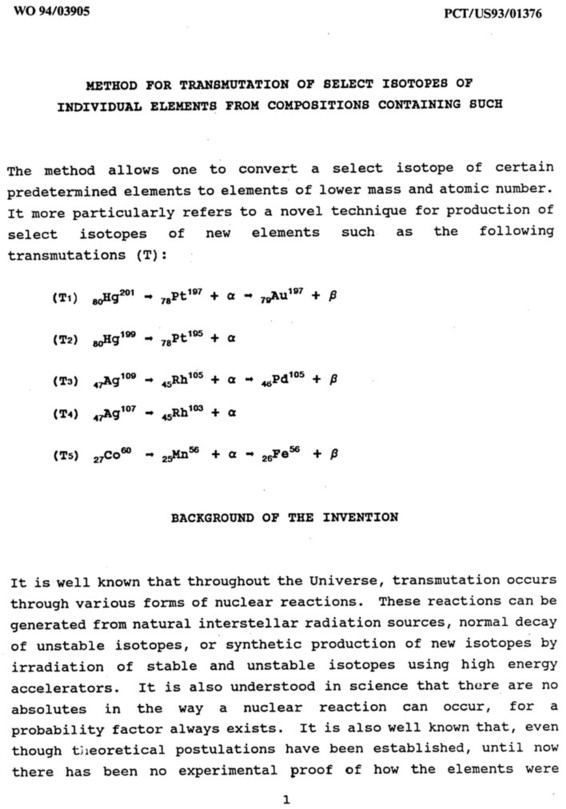
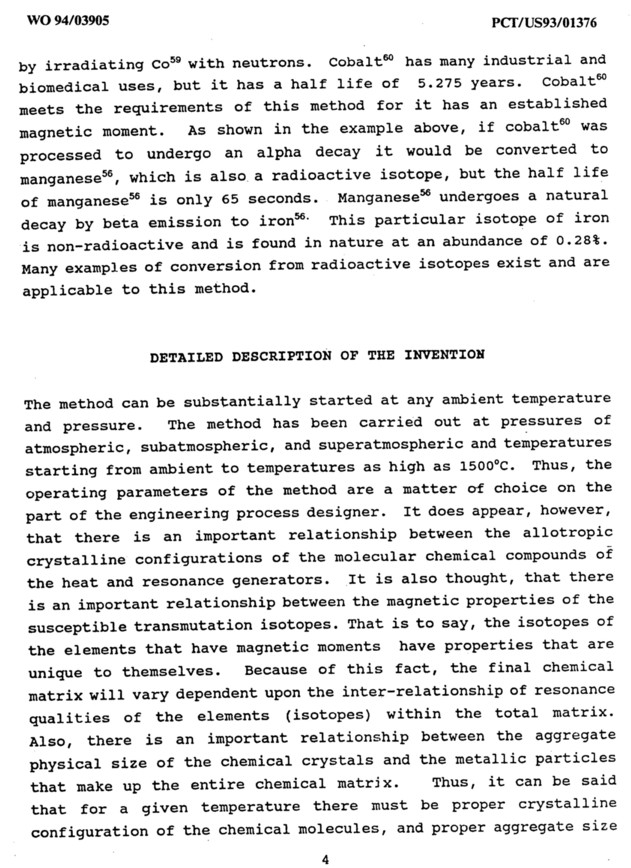
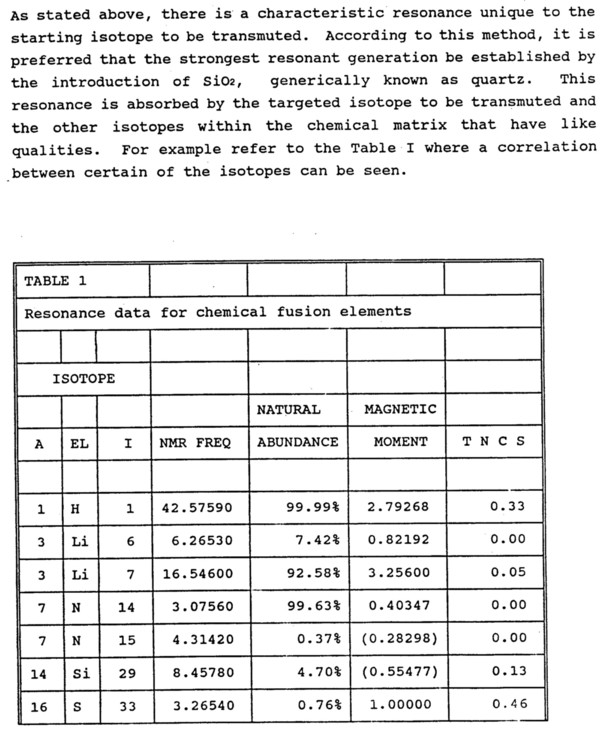
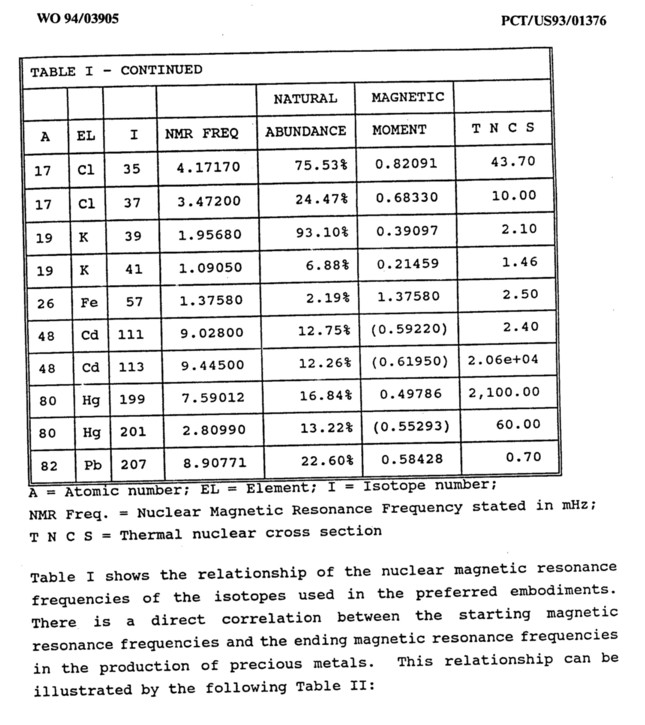
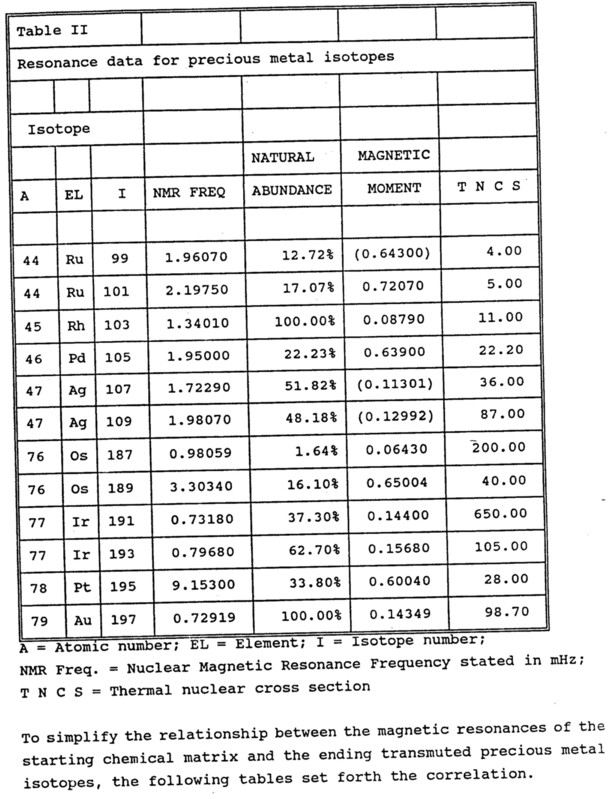
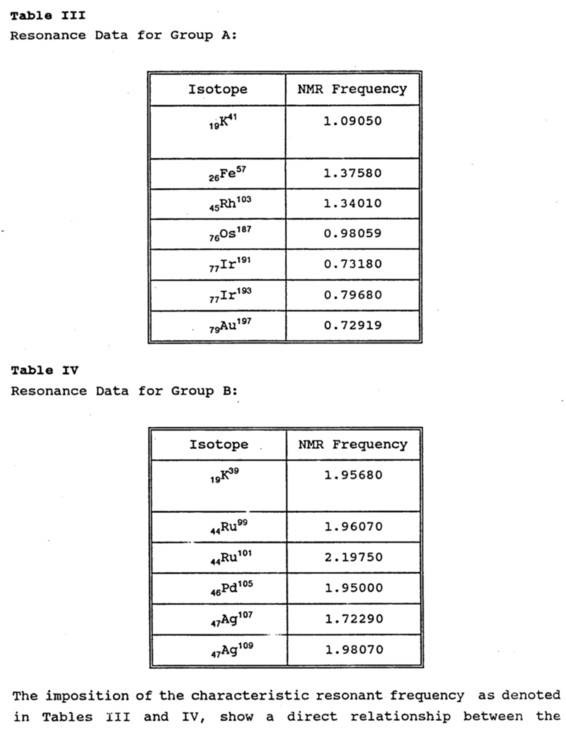
The article describes a low-temperature phonon-resonance process that allegedly aligns the atomic spacing of a source isotope with that of a target isotope, enabling conversion without nuclear signatures. It also outlines a biological route using mutant Saccharomyces yeasts to deposit nano-gold on silver surfaces.
Principles
- Phonon resonance dimensional reaction
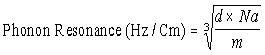
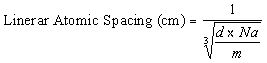
- Isotopic linear spacing matching
- Thermal expansion/contraction of isotopes
- Mutant microbe mediated nanoparticle formation
Scientific Domains
Materials
- Silver (Ag)
- Gold (Au)
- Aluminum (Al)
- Sand (silica)
- Distilled water
- Nitric acid (HNO_3)
- Saccharomyces yeast
- Mutant microbe culture
Mechanisms of Action
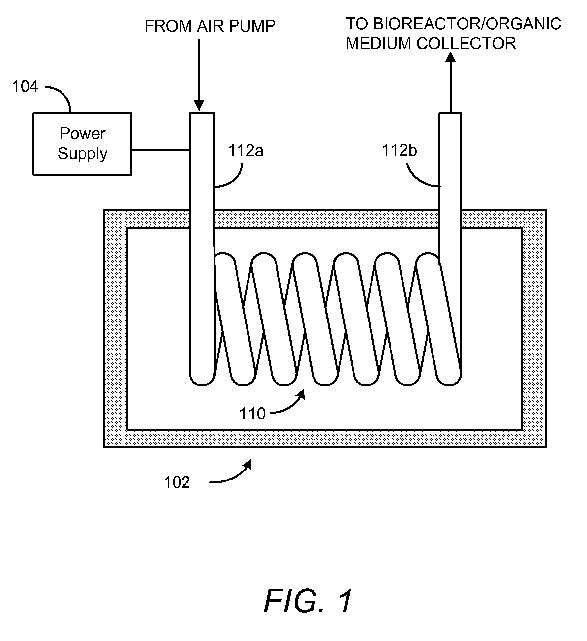
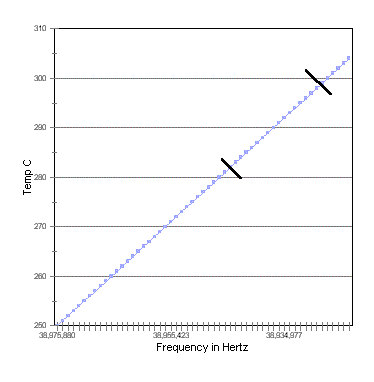
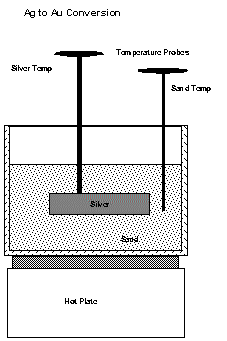
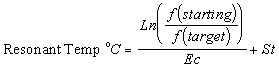
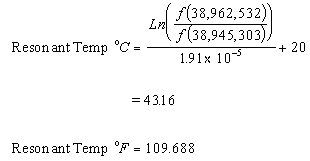
- Heating silver to a precise resonance temperature (~43.2 deg C) to induce dimensional phonon resonance
- Maintaining dwell time at resonance to allow atomic rearrangement
- Using sand as a thermal insulator for uniform heating
- Employing mutant Saccharomyces yeasts that interact with silver to precipitate nano-gold particles
Energy Sources
Applications
- Gold production
- Precious-metal recovery
- Bio-energy production
Claimed Performance
Typical conversion yields ~1 % Au from Ag; up to 2 % after 24 h; visible conversion observed in as little as 6 h.
Experimental Evidence
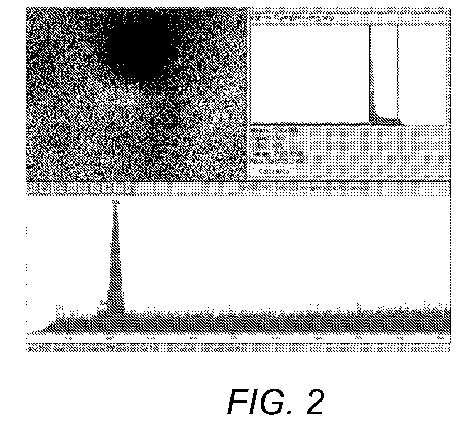
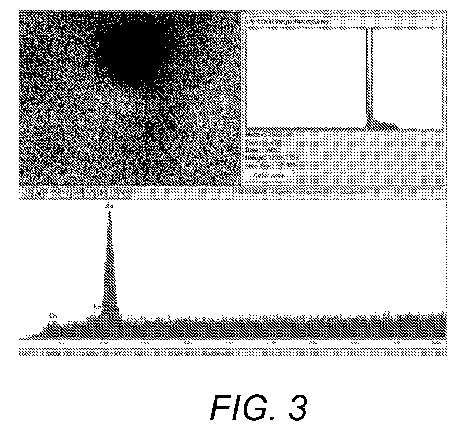
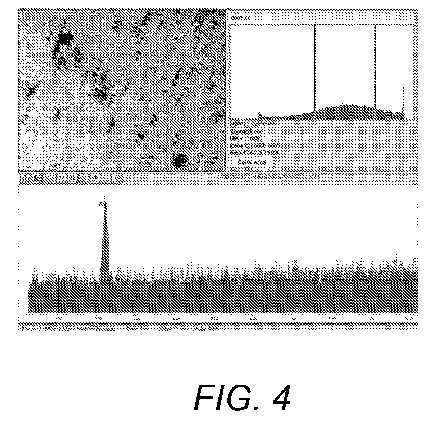
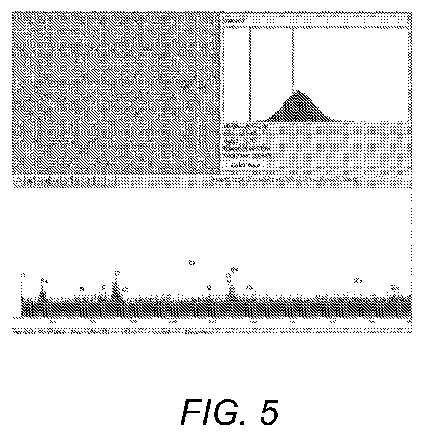
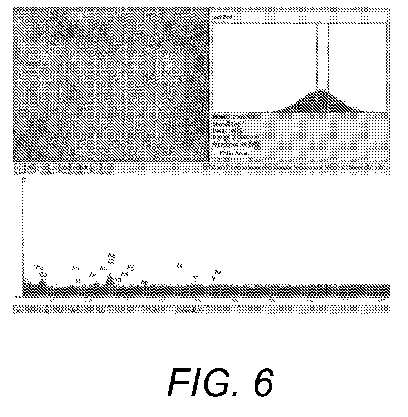
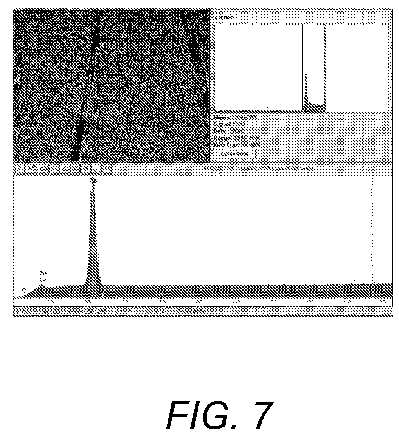
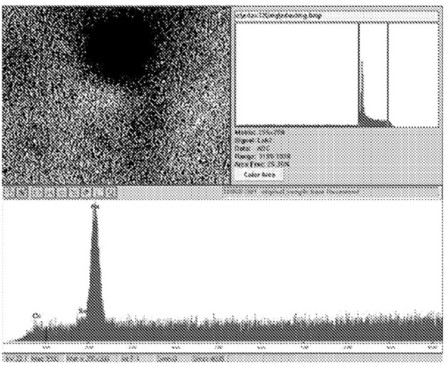
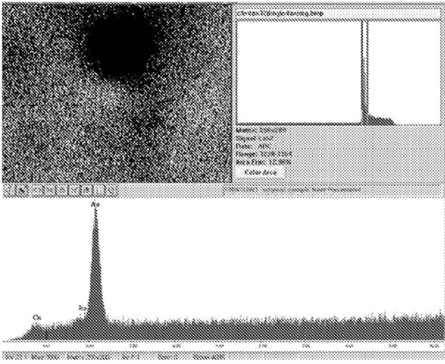
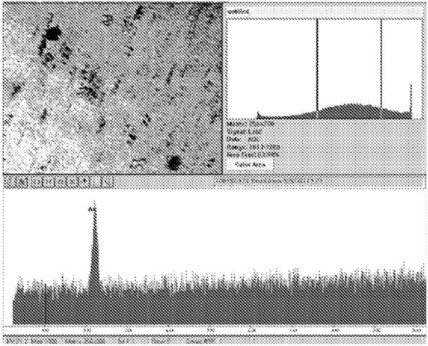
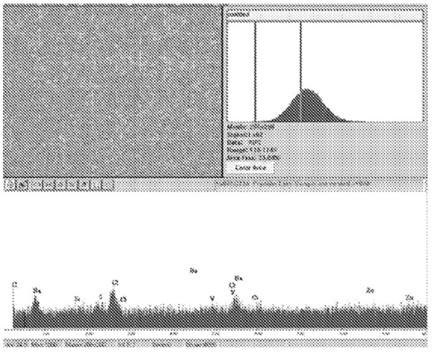
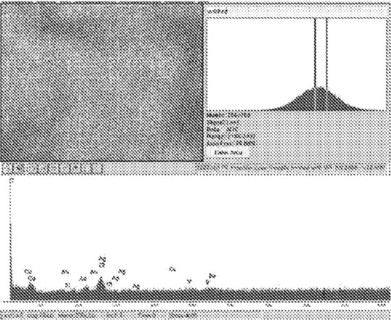
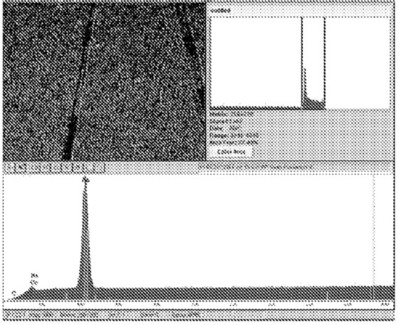
The author reports a test performed in September 2007 with 1 % conversion and visible conversion within 6 h; no independent data provided.
Replication Status
No independent replication reported.
Limitations
- Low conversion efficiency (<=2 %)
- Requires precise temperature control (+/-0.0009 deg C)
- No peer-reviewed or independently verified data
- Potential scalability issues
Red Flags
- Extraordinary claims of nuclear-free elemental transmutation
- Lack of quantitative experimental data or independent verification
- Reliance on proprietary mathematical models without peer review