Goal
Recycle waste motor oil (or metal/organic laminates) into gasoline-like fuel and recover metals.
Problem
Disposal of used motor oil and other waste laminates creates environmental pollution; existing recycling methods are inefficient and unevenly heat the material.
Concept Summary
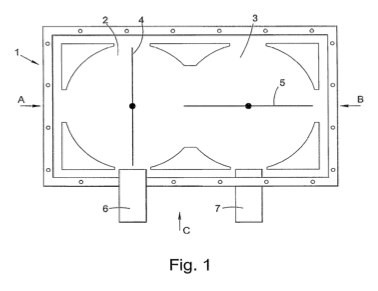
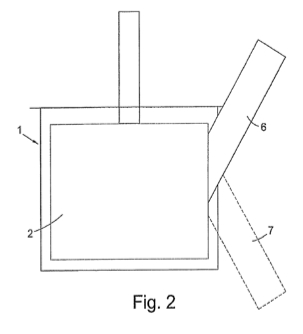
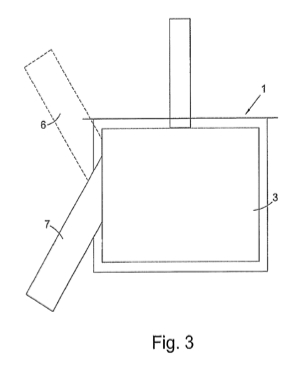
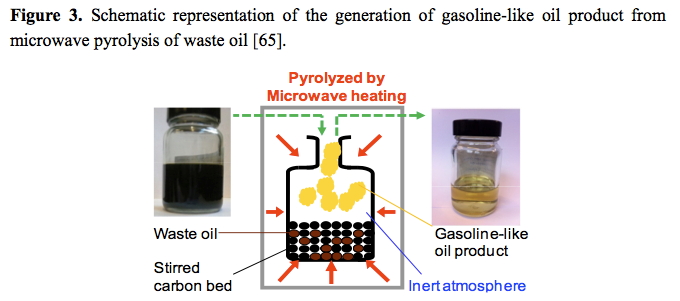
A continuous reactor uses a bed of microwave-absorbing particles (e.g., carbon black or activated carbon) that is heated by microwaves. Waste oil or metal/organic laminates are mixed with the bed, causing rapid, uniform heating and pyrolysis of the organic component. The resulting vapors are condensed into gasoline-like hydrocarbons, while the metal (e.g., aluminium) is recovered from the solid residue.
Principles
- Microwave heating of particulate absorbers
- Thermal pyrolysis of organic material
- Condensation of hydrocarbon vapors
- Fluidised-bed mixing and radial migration of metal particles
Scientific Domains
Materials
- Carbon black powder
- Activated carbon powder
- Silicon carbide
- Iron oxide (certain metal oxides)
Mechanisms of Action
- Microwave energy is absorbed by carbon-based particles, raising their temperature.
- Heat is conducted to the mixed waste oil or laminate, causing pyrolysis of the organic fraction.
- Pyrolysis gases are condensed to produce gasoline-like fuel.
- Metal layers separate and are recovered by sieving.
Energy Sources
Applications
- Production of gasoline/diesel from waste motor oil
- Recycling of aluminium/polymer packaging
- Recovery of valuable metals from laminates
Claimed Performance
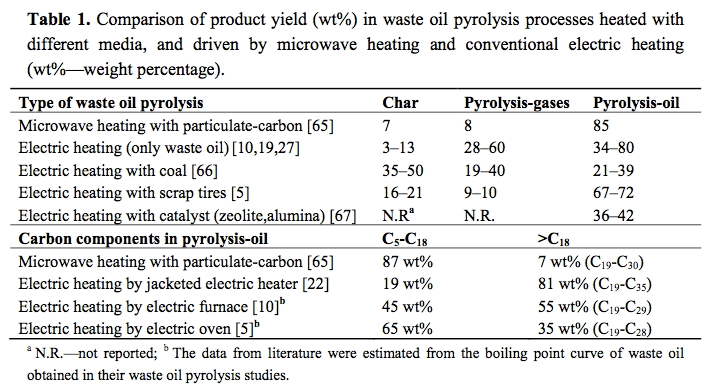
Lab studies reported ~90 % conversion of waste oil to fuel; reactor operates at 500-600 deg C; continuous processing demonstrated on bench scale.
Experimental Evidence
In lab studies, doctoral students mixed waste oil with a highly microwave-absorbent material and heated the mixture with microwaves, achieving nearly 90 % conversion to fuel. Bench-scale trials on aluminium/polymer laminates showed successful pyrolysis and metal recovery.
Replication Status
lab studies
Limitations
- Requires microwave-absorbing particulate bed and microwave source
- Scale-up to commercial continuous operation not yet demonstrated
- Energy consumption of microwave generation must be balanced against fuel yield
- Needs inert or reducing atmosphere control