Goal
Provide a multi-purpose alloy that can serve as a soldering/welding alloy, generate electricity in water, produce hydrogen, warm soil, and enhance plant growth.
Problem
Difficulty welding aluminum without flux, need for low-friction bearings, soil warming for seed germination, and simple hydrogen/electricity generation.
Concept Summary
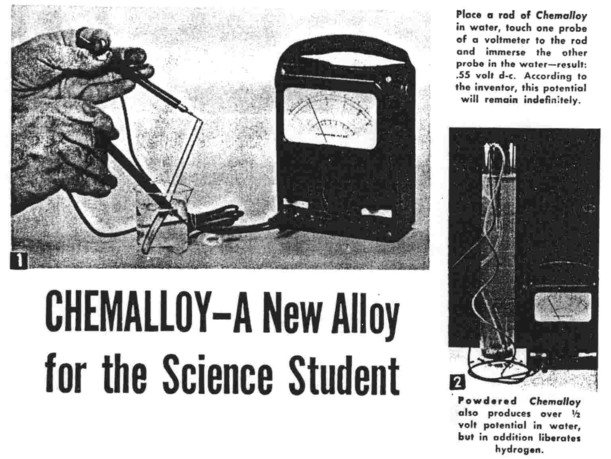
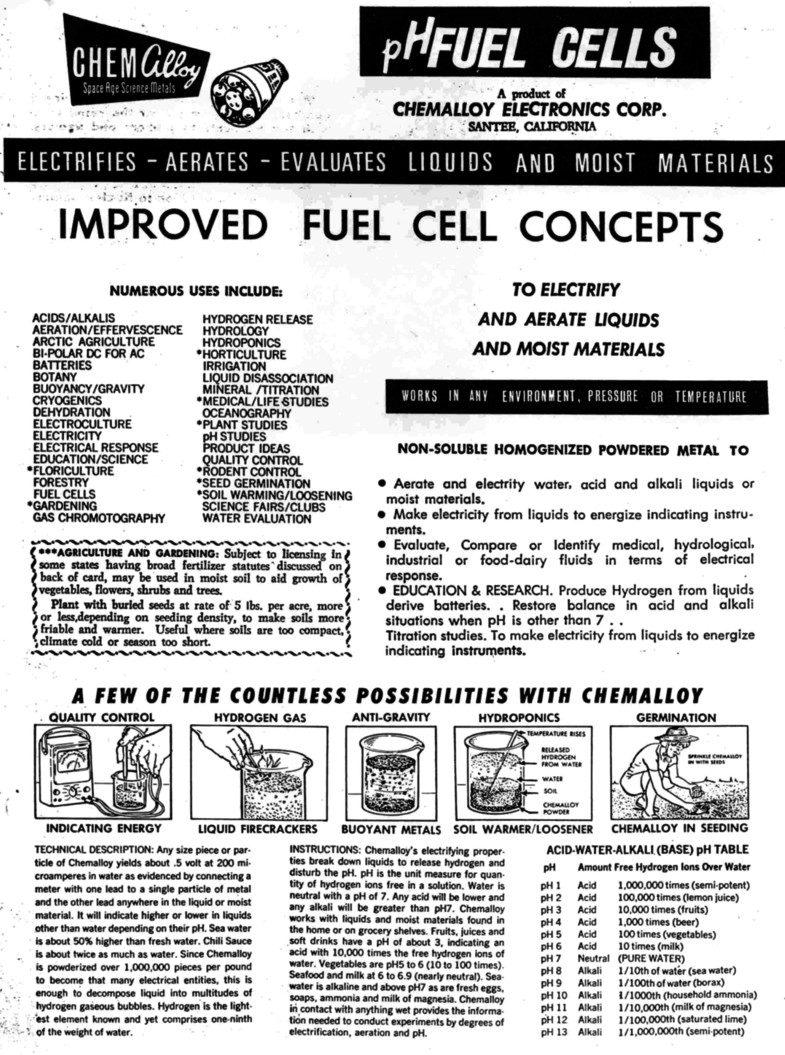
Chemalloy is a lead-zinc-copper-aluminum alloy containing added copper slag, sulphur, charcoal and hydrochloric acid. When immersed in water it produces a modest voltage (~=0.5-1.1 V) and evolves hydrogen, while the exothermic reaction warms the surrounding medium. In dry form it acts as a low-friction bearing material. Powdered alloy can be mixed into soil, raising its temperature and improving seed germination rates.
Principles
- Electrochemical potential generation when alloy contacts water
- Catalytic decomposition of water to hydrogen
- Exothermic chemical reaction producing heat
- Low-friction alloy composition
- Alloy metallurgy for soldering/aluminum bonding
Scientific Domains
Materials
- Lead
- Zinc
- Copper
- Aluminum
- Tin
- Silver
- Nickel
- Copper slag
- Sulphur
- Willow charcoal
- Hydrochloric acid
- Yellow brass
Mechanisms of Action
- Electrochemical cell formed by alloy in aqueous solution generates voltage
- Chemical constituents (copper slag, sulphur, acid) catalyze water splitting
- Heat released from the reaction raises soil temperature
- Alloy surface reduces friction without lubricants
Energy Sources
Applications
- Aluminum soldering/welding
- Soil warming and seed germination enhancement
- Small-scale hydrogen production
- Low-friction bearings
- Low-power electricity generation in water
Claimed Performance
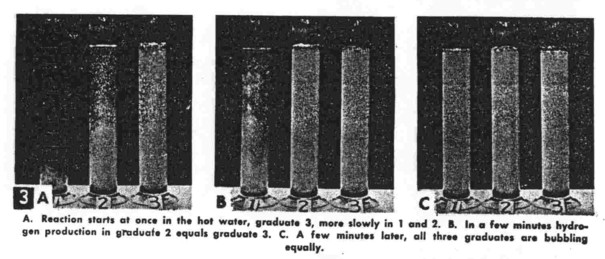
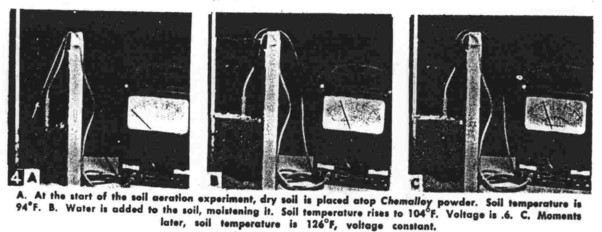
0.55 V continuous in plain water for up to seven years; up to 1.1 V in hot liquids; hydrogen evolution observed instantly in hot water; soil temperature rise from 94 deg F to 126 deg F with powder; seed germination percentages increased (e.g., cucumber 50 % vs 16 % untreated).
Experimental Evidence
Voltage measured with a voltmeter/oscilloscope; hydrogen bubbles observed in hot water; temperature increase recorded on soil samples; germination trial at a Provincial Horticulture Station showing higher germination rates for treated seeds.
Replication Status
Observed by the author and a Provincial Horticulture Station; no independent third-party replication reported.
Limitations
- Requires water to generate electricity/hydrogen
- Performance varies with liquid temperature
- Lead content poses toxicity concerns
- No commercial scaling demonstrated
- Long-term durability of alloy in field conditions unknown
Red Flags
- Use of lead and hydrochloric acid in the alloy preparation
- Claims of continuous electricity generation for years without external power
- Lack of peer-reviewed data or independent replication