Confidence
0.85
Practicability
0.60
Evidence
0.40
Fringe Score
0.70
Risk
0.20
TRL
4
Goal
Convert low-grade hydrocarbons (kerosene, solar oil, natural gas) into usable gasoline.
Problem
Rising gasoline prices and shortage of gasoline for internal-combustion engines.
Concept Summary
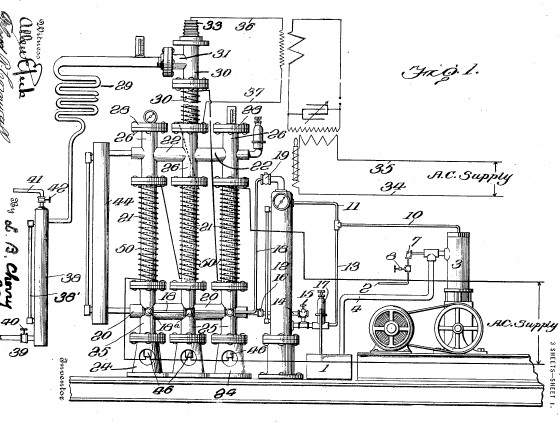
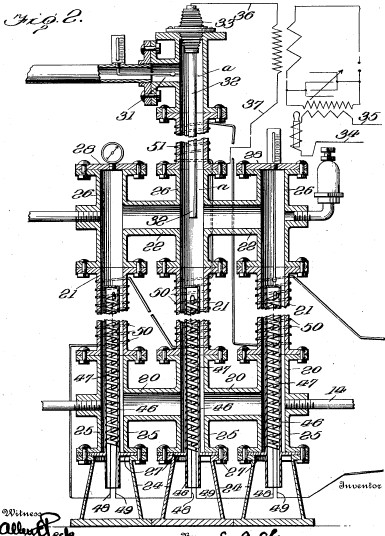
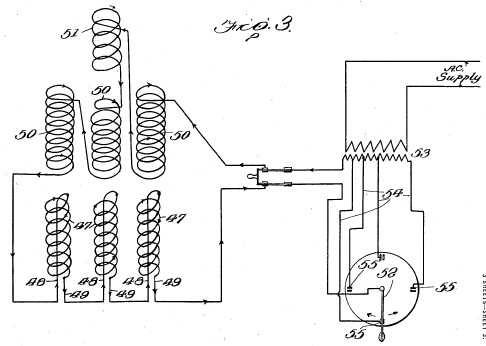
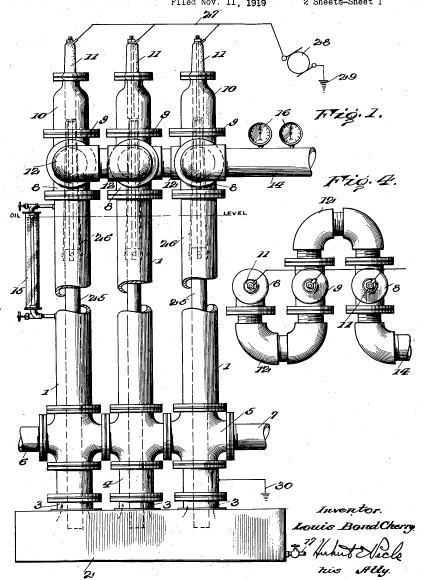
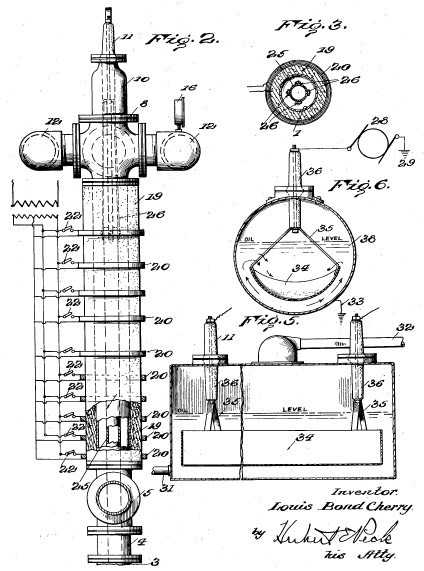
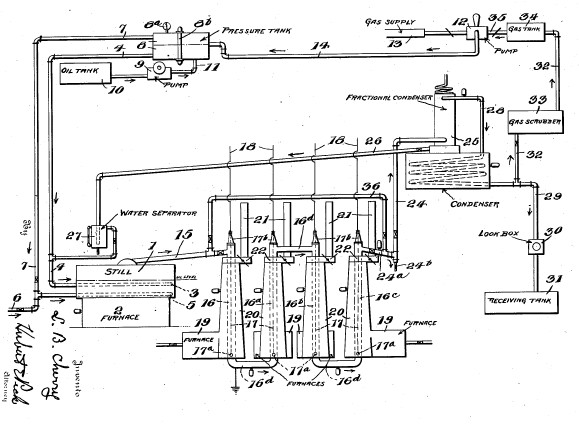
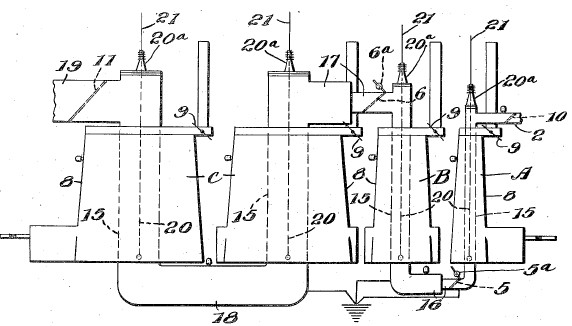
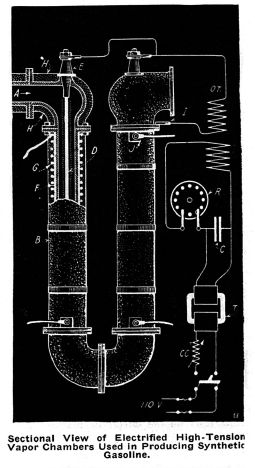
Kerosenes or other low-grade oils are vaporized, mixed with natural gas, and passed through electrically heated pipes where a high-tension (~=100 kV), high-frequency discharge alters the chemical structure, producing crude benzene that is then refined into gasoline.
Principles
- High-tension electric discharge
- Electrochemical conversion of hydrocarbons
- Fractional distillation
Scientific Domains
Materials
- Kerosene
- Natural gas
- Sulfuric acid
- Soda ash
- Water
Mechanisms of Action
- Electrochemical reaction induced by high-frequency, high-voltage current
- Thermal heating of vapors
- Mixing of natural gas with hydrocarbon vapors
Energy Sources
Applications
- Fuel production
- Refining of low-grade hydrocarbons
Claimed Performance
76.68 % conversion of kerosene to gasoline in a test; expected 98-100 % in full-scale plant; 60 000 gal/day with 75 kW electrical input; cost <= $0.01 per gallon of kerosene treated.
Experimental Evidence
A recent test achieved 76.68 % conversion; a plant under construction is claimed to reach 98-100 % conversion.
Limitations
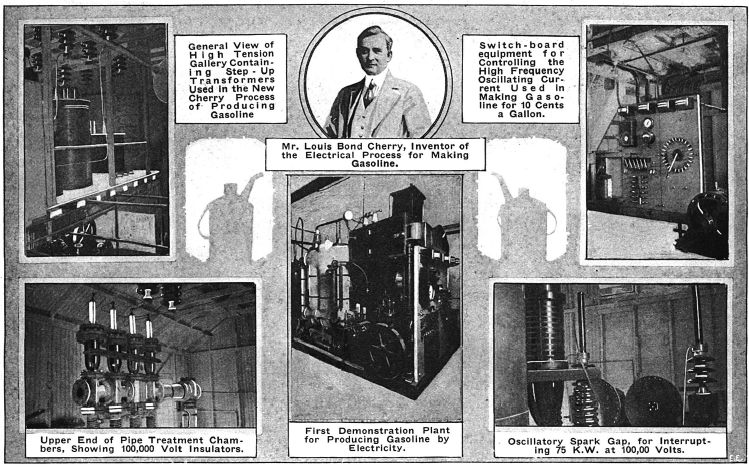
- Requires high-voltage, high-frequency electrical equipment
- Conversion efficiency not independently verified
- Potential energy balance concerns
Red Flags
- No independent replication or peer-reviewed data
- Claims of near-100 % conversion lack detailed supporting evidence