Goal
Collect clean drinking water from atmospheric fog for use in arid and water-scarce regions.
Problem
Lack of safe drinking water for hundreds of millions of people living in arid environments and remote villages.
Concept Summary
A permeable mesh structure coated with alternating hydrophobic and hydrophilic surfaces, inspired by the Namib beetle, that attracts fog droplets, coalesces them, and allows gravity-driven runoff into collection containers.
Detailed Description
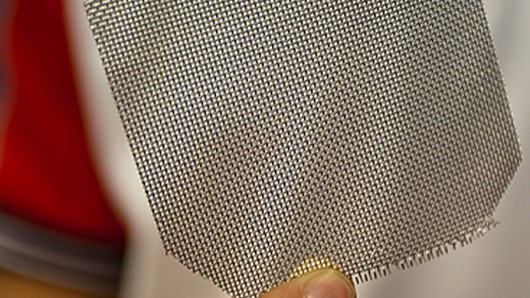
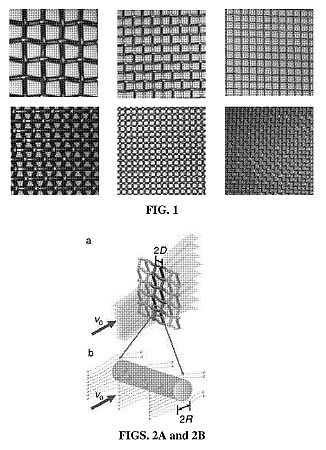
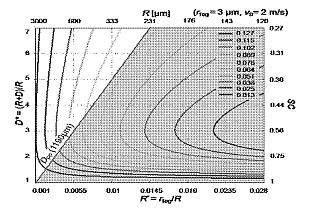
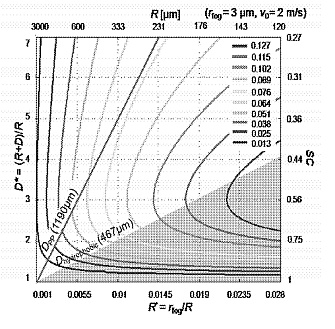
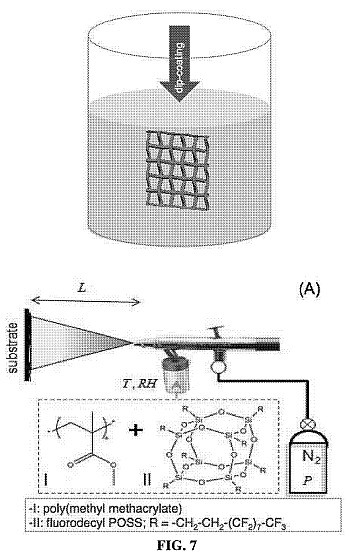
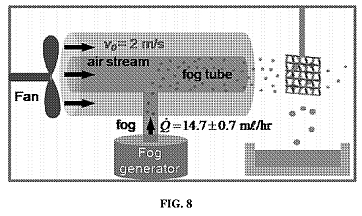
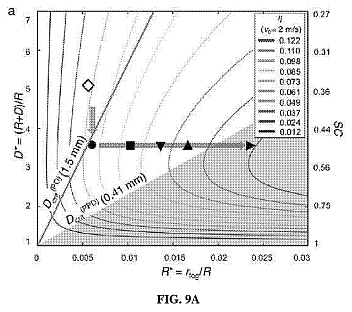
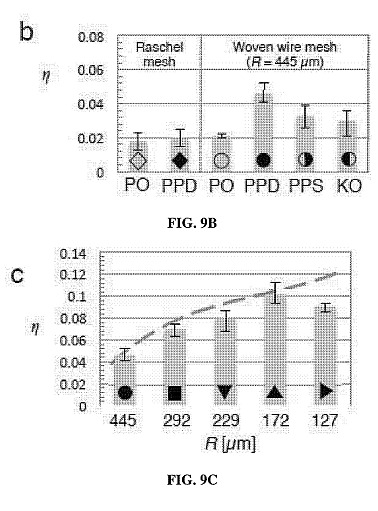
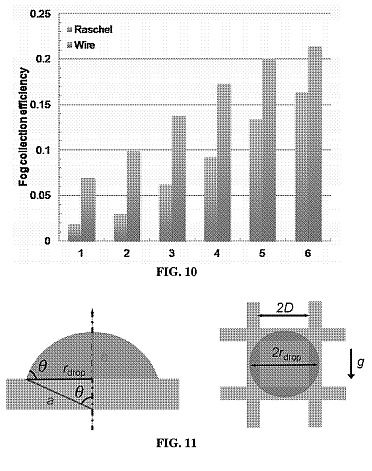
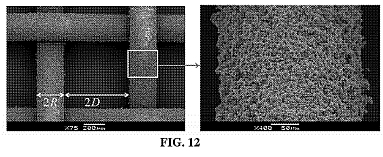
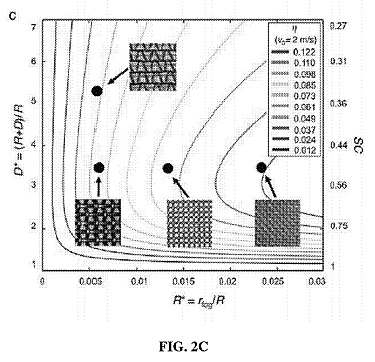
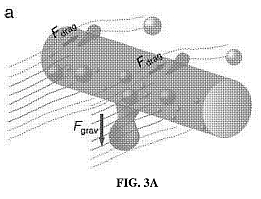
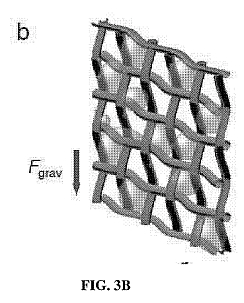
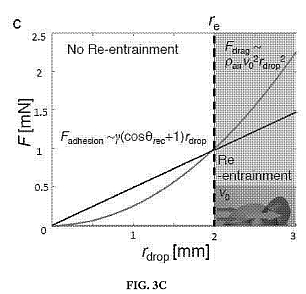
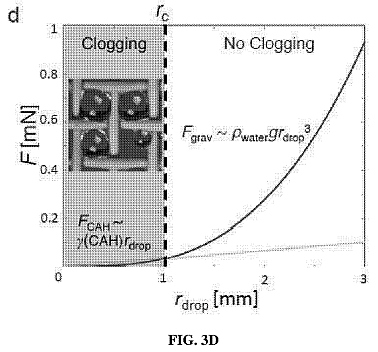
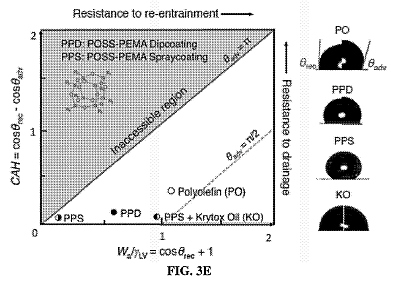
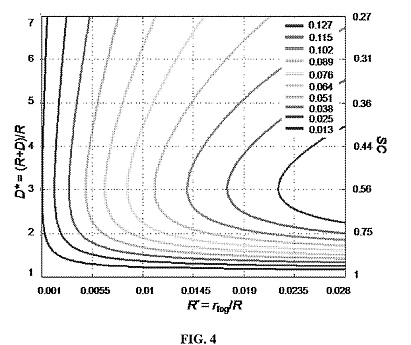
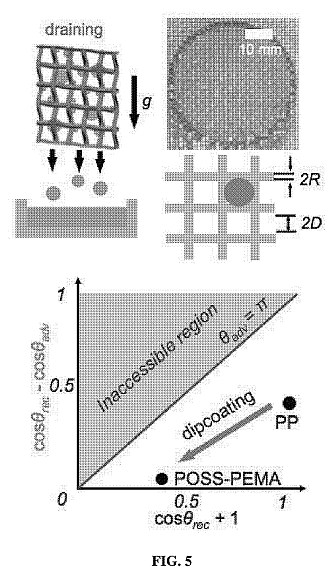
The device consists of a fence-like mesh panel whose strands are sized and spaced to maximize droplet capture. The mesh is coated with a low-contact-angle-hysteresis hydrophobic material on the outer surface and hydrophilic regions that promote droplet nucleation. Fog droplets impinge on the mesh, adhere to the hydrophilic bumps, grow, and then roll off the hydrophobic troughs into receptacles below. Laboratory tests aim to optimise strand radius, spacing, and coating chemistry to increase capture rates. Field deployments (e.g., FogQuest installations in Guatemala) have demonstrated ~1 L m^-^2 day^-^1 capture, while a proprietary hydrophobic coating from NBD Nano claims up to a 5x increase.
Principles
- Wettability contrast (hydrophobic vs hydrophilic surfaces)
- Surface tension driven droplet coalescence
- Gravity-driven runoff
- Capillary action on micro-textured bumps
- Mesh permeability to allow airflow
Scientific Domains
Materials
- Polymer or metal mesh strands
- Hydrophobic coating (e.g., wax, fluoropolymer)
- Hydrophilic coating (e.g., silica, functionalized polymers)
- Support frame (e.g., aluminum, PVC)
Mechanisms of Action
- Hydrophobic coating reduces droplet adhesion on troughs
- Hydrophilic bumps promote droplet nucleation and growth
- Gravity causes droplets to slide into collection containers
- Mesh geometry creates turbulent airflow that enhances droplet capture
Applications
- Rural drinking-water supply
- Agricultural fog harvesting
- Industrial mist removal
- Improved condensation in power-plant heat exchangers
Claimed Performance
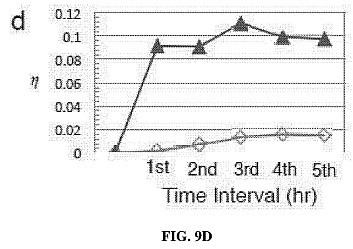
Field tests report ~1 L of water per square meter of mesh per day; NBD Nano coating claims up to a 5x increase in capture rate and 150-200% improvement in condensation heat transfer.
Experimental Evidence
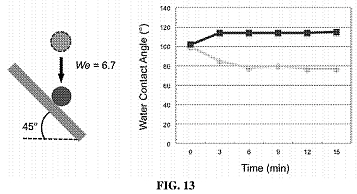
Fog-harvesting nets installed in Guatemala supplied water for ~150 people; laboratory tests on mesh spacing and coating chemistry are ongoing; NBD Nano coating demonstrated 500 h durability with little performance loss and 5x fog-capture improvement in recent trials.
Replication Status
Multiple independent deployments (FogQuest in Guatemala, pilot sites funded by USDA for NBD Nano) indicate the technology has been replicated in field conditions.
Limitations
- Performance depends on local fog frequency and density
- Coating durability under UV, salt spray, and abrasion
- Initial material and installation costs
- Scaling up mesh area while maintaining optimal airflow