Goal
Provide on-site generation of high-purity chlorine dioxide gas with controlled rate and minimal toxic by-products for disinfection, deodorization, bleaching and sanitization.
Problem
Existing chlorine dioxide generation methods produce toxic chlorates/chlorites, require large generators, and lack precise control of gas release.
Concept Summary
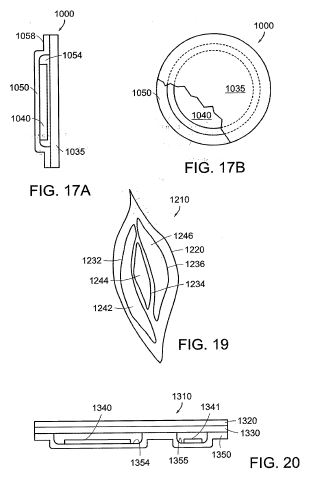
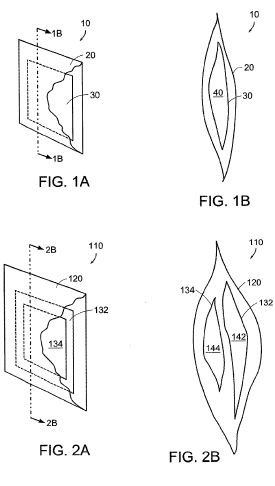
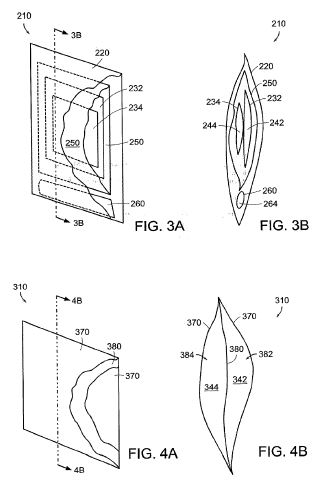
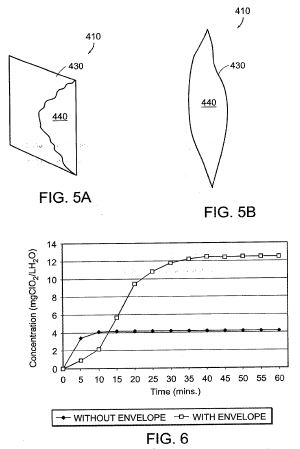
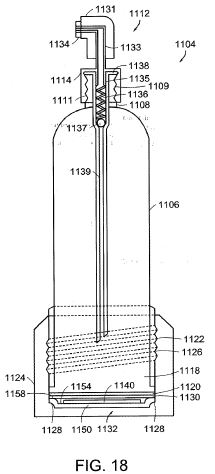
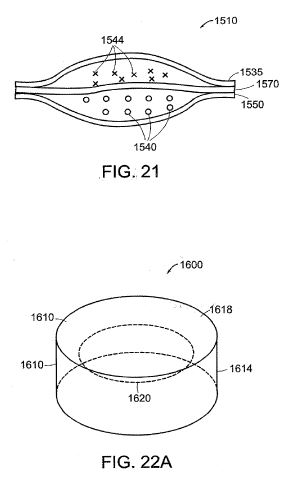
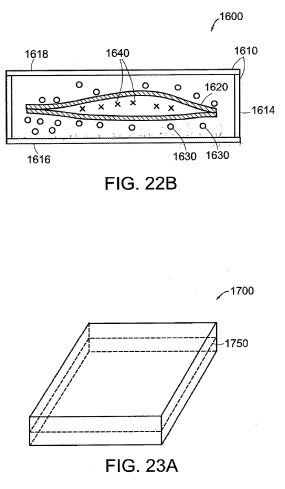
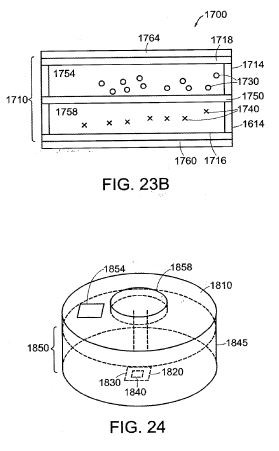
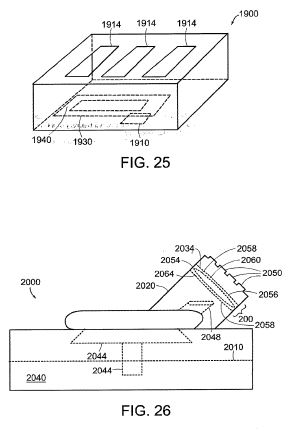
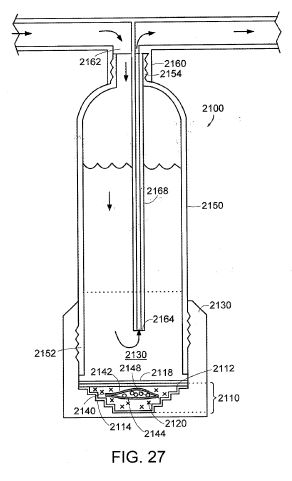
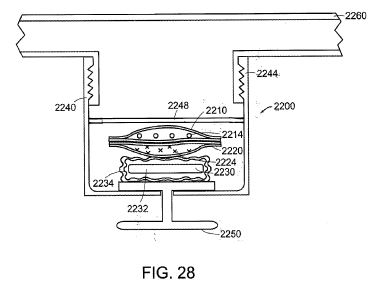
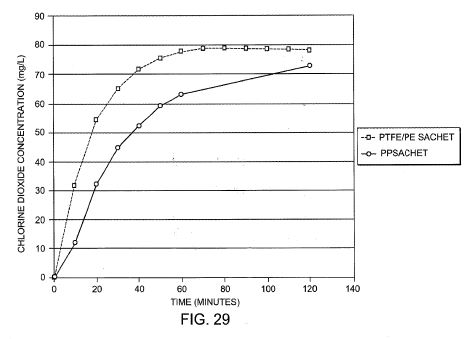
The invention uses a multi-layered sachet/ membranevelope system containing reactants that generate chlorine dioxide when exposed to water (or water vapor). A proprietary membrane traps harmful by-products, releasing only pure ClO_2 gas. The design allows controlled rate, duration, and dosage of gas delivery for various applications.
Principles
- Chemical oxidation reaction producing chlorine dioxide
- Selective membrane trapping of toxic by-products
- Multi-layer sachet structure for controlled reactant exposure
- Water-vapor selective material to regulate initiation
Scientific Domains
Materials
- Hydrophobic membrane material
- Water-vapor selective material
- Sachet polymer (e.g., polyester)
- Reactants (unspecified, typical chlorine dioxide precursors)
Mechanisms of Action
- Reactants (e.g., sodium chlorite + acid) react with water to generate ClO_2 gas
- Proprietary membrane allows ClO_2 to pass while retaining chlorates/chlorites
- Barrier layers and sachet geometry control diffusion rate and gas release
Energy Sources
Applications
- Water disinfection
- Food processing sanitation
- Medical instrument sterilization
- Odor elimination in confined spaces
- Bleaching of flour, fats and textiles
Claimed Performance
99.9% pure chlorine dioxide solution; odor elimination in confined spaces >6,000 ft^2 to >10,000 ft^2 per unit with a treatment period of at least 4 hours.
Experimental Evidence
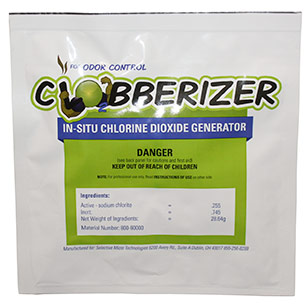
Fast-release products are reported to be widely used in laboratory and clinical settings; the CLO2BBERIZER odor eliminator is specified for spaces >6003 ft to 10003 ft per unit with a minimum 4-hour treatment period.
Replication Status
Patented (US2004022676) - no independent replication reported.
Limitations
- Requires safe handling of reactive chemicals
- Generation of chlorine dioxide must be on-site; not transportable as a concentrated gas
- Potential residues if membrane fails