Goal
Reduce visible signs of aging and improve metabolic health by lowering cholesterol, triglycerides, inflammatory damage, and enhancing tissue microcirculation and oxygen transport.
Problem
Age-related skin deterioration, elevated cholesterol/triglycerides, sub-clinical inflammation, impaired microcirculation, and metabolic syndrome.
Concept Summary
A cocoa-based chocolate enriched with carotenoid antioxidants (astaxanthin, lycopene) and flavanols that, when consumed daily, delivers antioxidant and anti-inflammatory effects, improves endothelial function and microcirculation, and lowers lipid markers, thereby reversing biochemical signs of aging.
Detailed Description
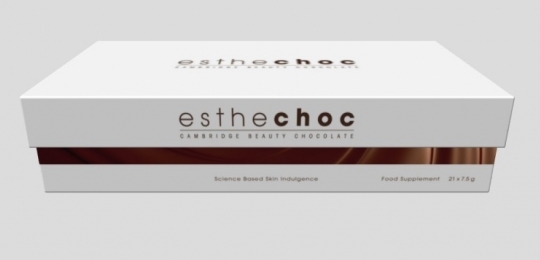
The invention (US2014288187) describes a food product comprising one or more cocoa-bean derivatives (cocoa solid, butter, liquor) combined with a carotenoid compound such as astaxanthin or lycopene. The product is formulated as a chocolate bar (~=7.5 g) delivering flavanol levels equivalent to 100 g dark chocolate and astaxanthin levels equivalent to 300 g wild Alaskan salmon. Clinical trials involving >3,000 volunteers aged 50-60 years reported suppression of inflammatory markers, restoration of microcirculation, and skin biomarkers comparable to those of 20-30-year-olds after 3-4 weeks of daily intake. Lycotec has licensed the product and plans market launch.
Principles
- Antioxidant activity of carotenoids
- Anti-inflammatory effects of flavanols
- Improved endothelial function and microcirculation
- Cholesterol and triglyceride reduction
Scientific Domains
Materials
- Cocoa solid (cocoa powder)
- Cocoa butter
- Cocoa liquor
- Astaxanthin
- Lycopene
Mechanisms of Action
- Scavenging of free radicals by astaxanthin/lycopene
- Modulation of lipid metabolism
- Enhancement of nitric-oxide mediated vasodilation
- Reduction of oxidative inflammatory damage
Applications
- Anti-aging skin care
- Cardiovascular health
- Metabolic syndrome management
- Weight management
Claimed Performance
After 3-4 weeks of daily intake, skin biomarkers were restored to those of a 20-30-year-old; inflammatory markers suppressed; microcirculation and blood supply to peripheral tissues improved.
Experimental Evidence
Large clinical trials with >3,000 participants aged 50-60 years; 3-4 weeks daily intake; reported suppression of sub-clinical inflammatory damage and reversal of age-related microcirculation decline.
Replication Status
clinical trial completed
Limitations
- Claims based on proprietary clinical trials; limited independent peer-reviewed data
- Long-term safety and efficacy not yet established
- Dosage and daily intake guidelines not fully defined
- Regulatory approval pending
Red Flags
- Strong claim of reversing skin biomarkers to a 20-year-old without peer-reviewed publication
- Potential over-statement of clinical trial results