Goal
Extend the freshness and shelf-life of perishable foods by reducing dehydration, bacterial growth and oxidation.
Problem
Rapid spoilage of meat, seafood and other foods due to water loss and microbial activity, leading to large food waste.
Concept Summary
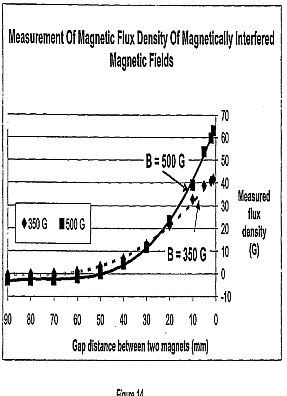
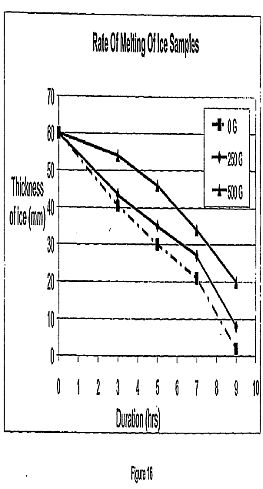
A palm-sized permanent magnet (the EsmoSphere) creates a dome-shaped magnetic field that strengthens the bonds between water molecules in food, lowering water activity, slowing dehydration, bacterial growth and oxidation. The field remains effective for years without external power.
Detailed Description
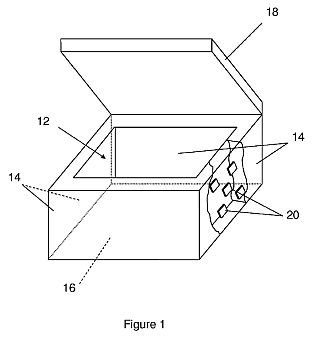
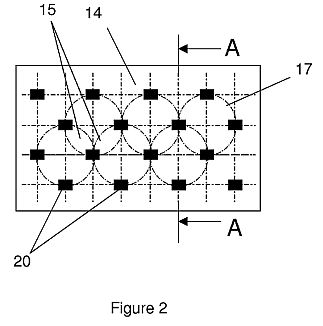
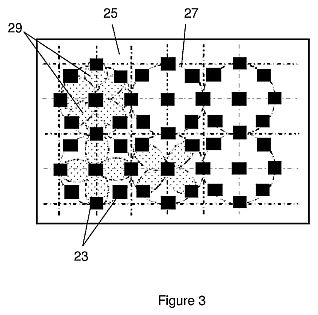
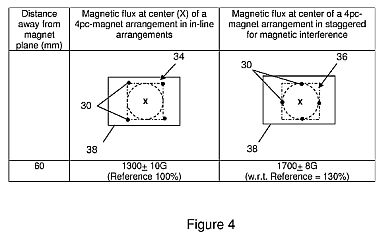
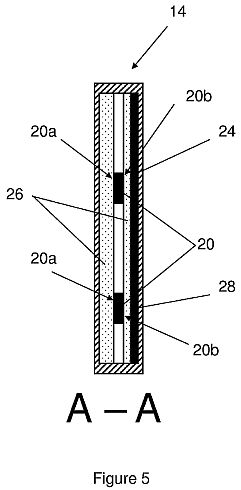
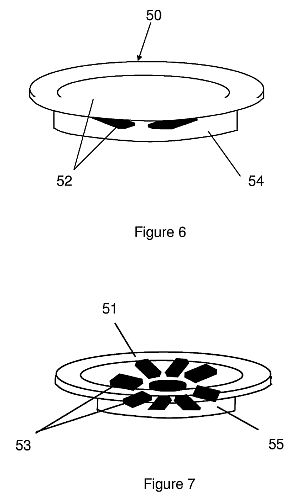
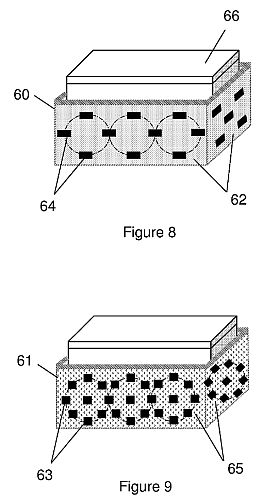
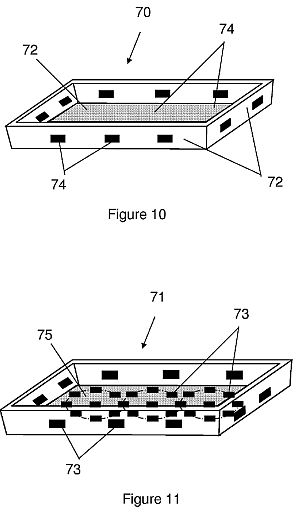
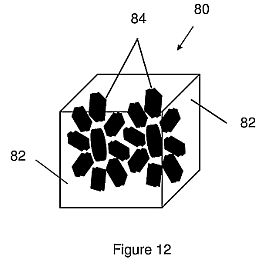
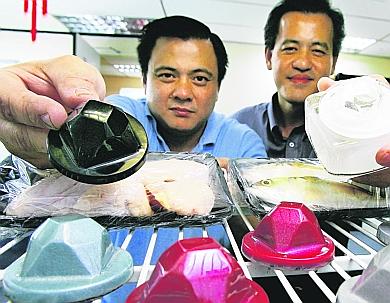
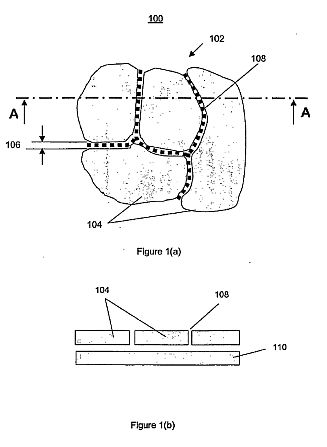
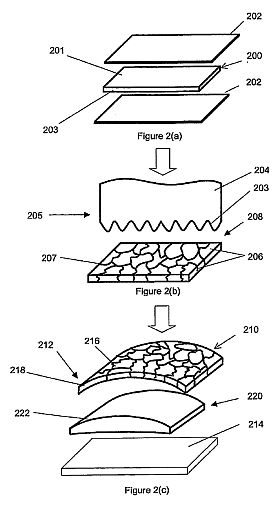
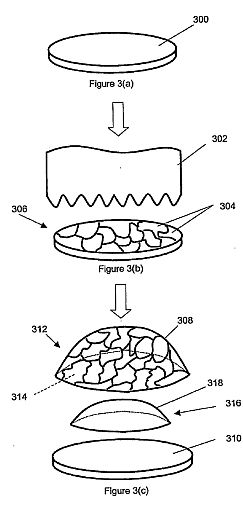
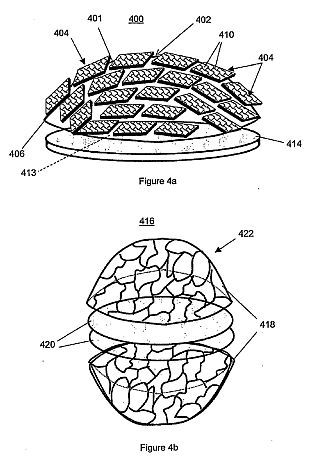
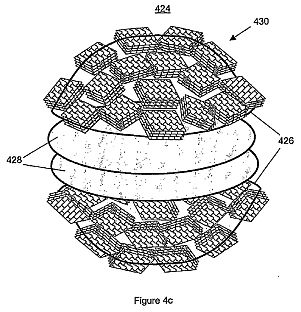
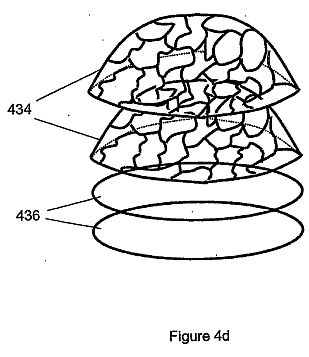
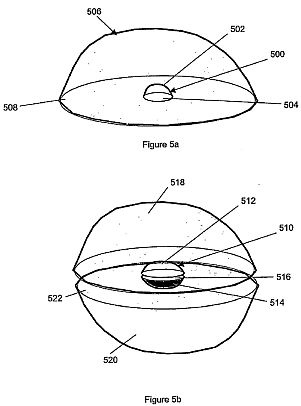
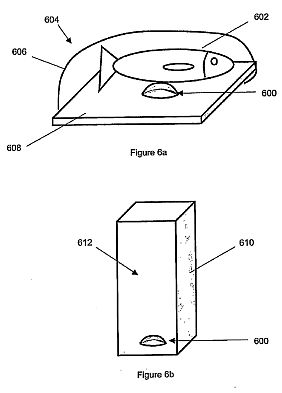
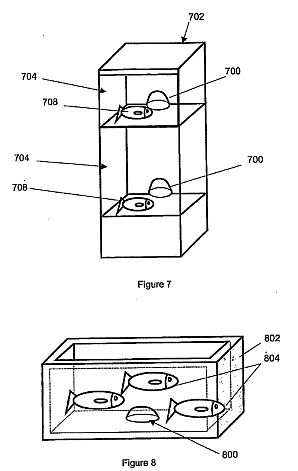
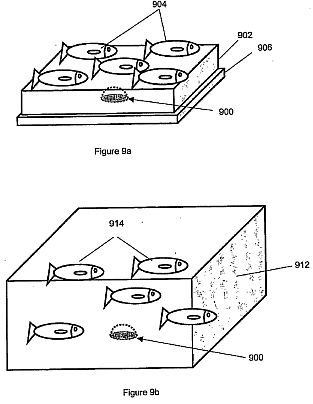
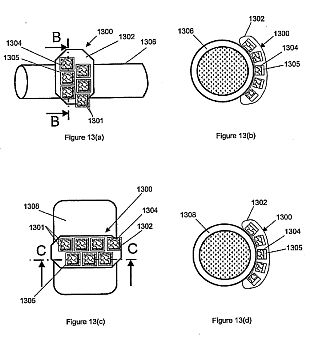
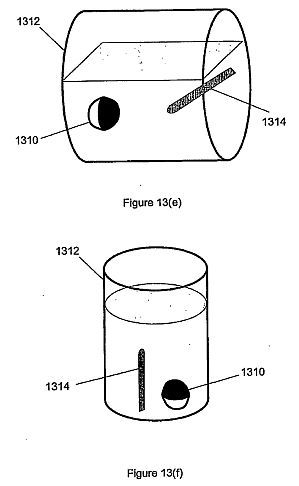
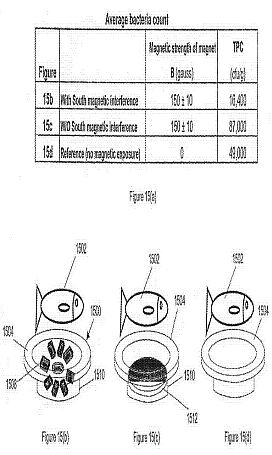
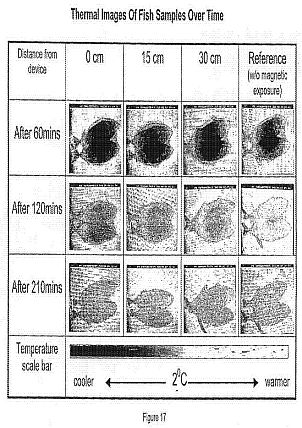
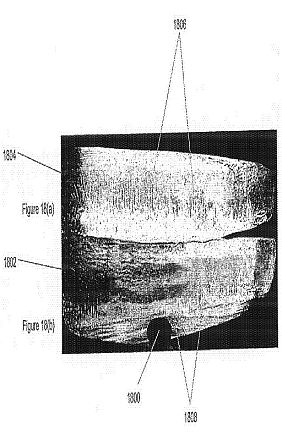
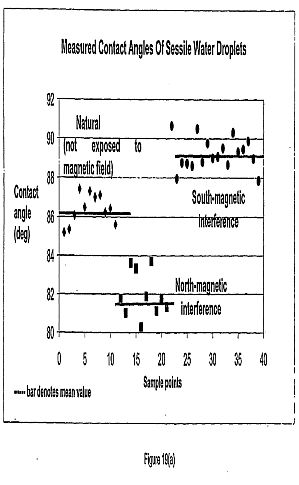
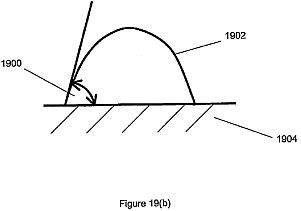
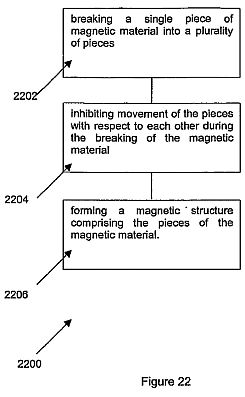
The EsmoSphere is a small, permanent-magnet device placed next to perishable items in a refrigerator. Its magnetic field is dome-shaped and is claimed to increase water-binding strength within the food, thereby reducing water loss. The reduced water activity slows microbial growth and oxidation, extending the recommended shelf-life of raw meat from two to three days and cutting seafood waste by about 40 %. The device costs $40-$80, requires no electricity, and is safe according to WHO guidelines. A later patent (US8257539) describes a method of fabricating a magnetic structure by breaking a single piece of magnetic material into many pieces, restraining them with adhesive sheets, and shaping them into dome- or globe-shaped configurations that produce the desired field.
Principles
- Magnetic field induced increase in water binding strength
- Bio-magnetics (magnetic influence on biological processes)
- Magnetic interference cloud (swirling magnetic fields around objects)
Scientific Domains
Materials
- Permanent magnetic material (e.g., NdFeB or ferrite)
- Adhesive elastic plastic sheet
- Support structure for shaping (e.g., molded plastic or metal frame)
Mechanisms of Action
- Strengthens hydrogen-bond network in food water
- Reduces water activity
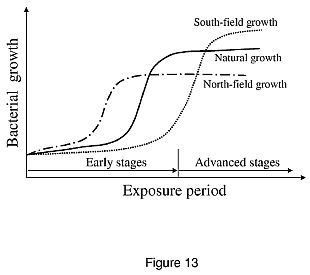
- Delays bacterial proliferation
- Slows oxidative discoloration
Applications
- Food preservation in domestic refrigerators
- Cold-chain storage for supermarkets and hotels
- Reduction of food waste in supply chains
Claimed Performance
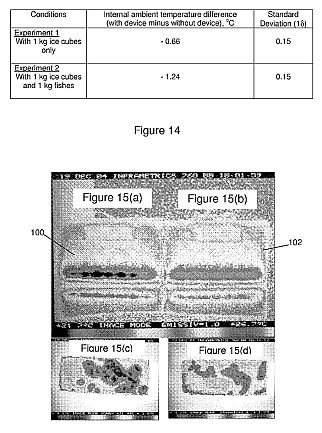
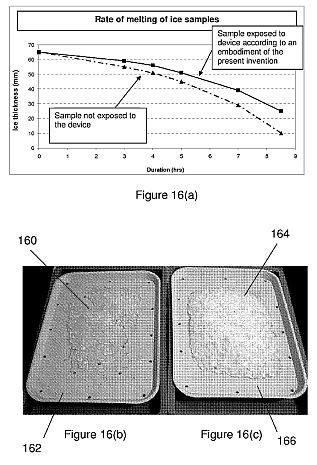
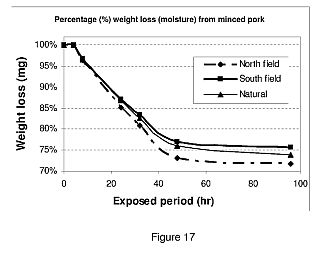
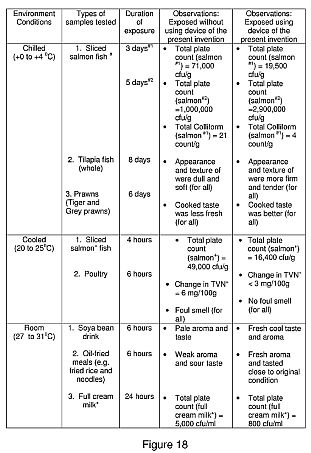
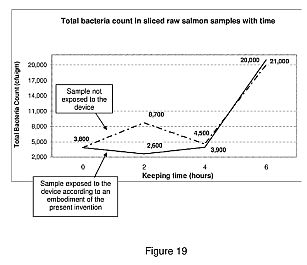
In supermarket trials the device reduced spoiled raw meat by roughly one-third, kept meat fresh for three days versus two, and cut seafood waste by about 40 %. Savings of a few thousand dollars per outlet were reported over a three-month period.
Experimental Evidence
A three-month supermarket trial with Indoguna reported the above performance improvements; no peer-reviewed data were provided.
Replication Status
Trial conducted with Indoguna; no independent replication or large-scale commercial deployment reported.
Limitations
- Magnetic field strength limited to that of a typical fridge magnet
- Effectiveness not quantified for a wide range of food types
- Lack of peer-reviewed or independently verified data
Red Flags
- Claims are based on proprietary trials without independent verification
- No published scientific studies or peer-reviewed literature supporting the mechanism