Goal
Generate mechanical power continuously from a closed-system fluid engine and replace conventional gasoline with vegetable oil.
Problem
Need for alternative fuel sources and claims of free-energy/over-unity power generation.
Concept Summary
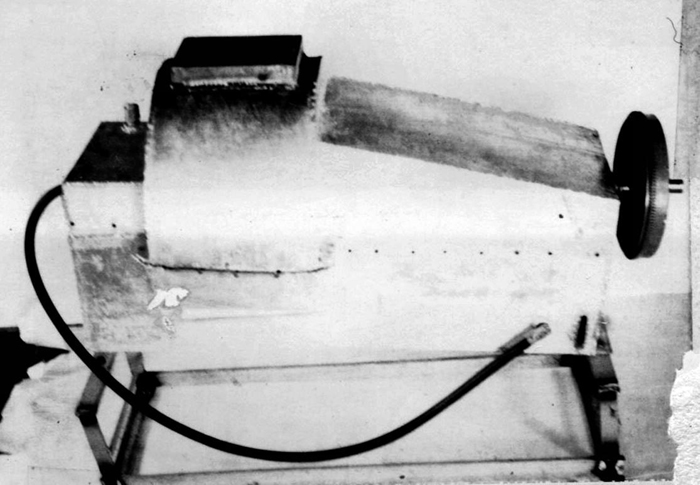
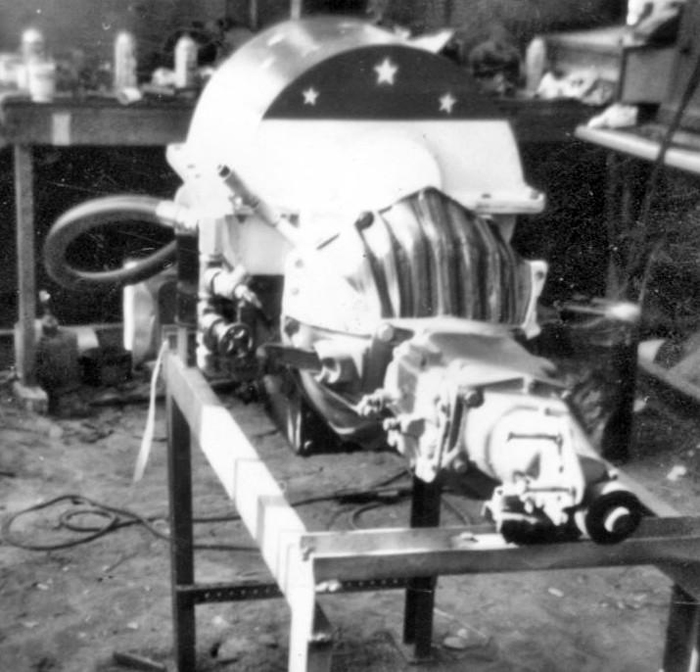
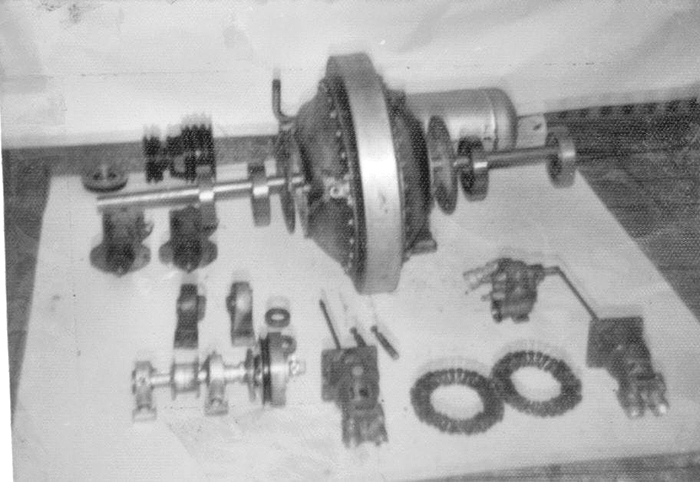
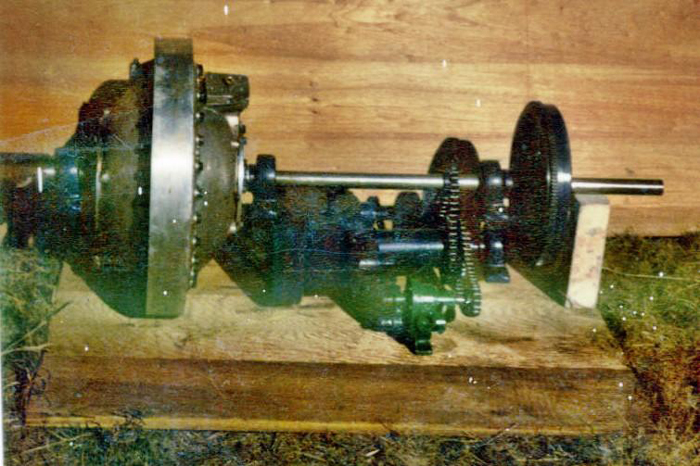
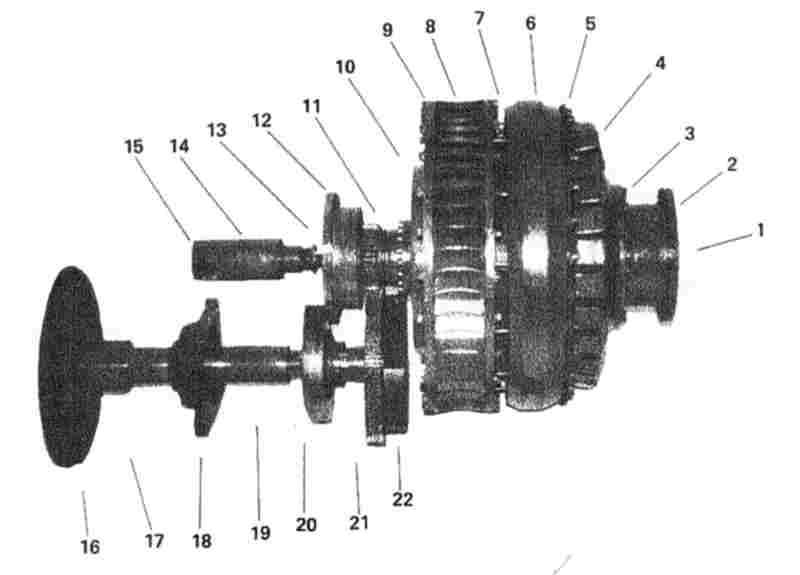
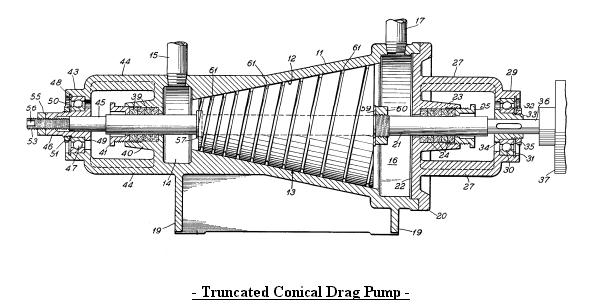
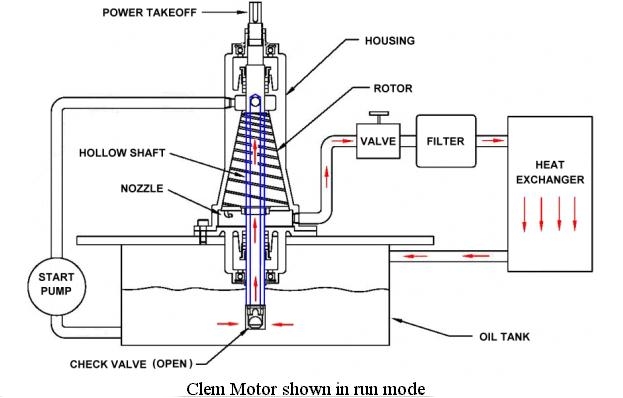
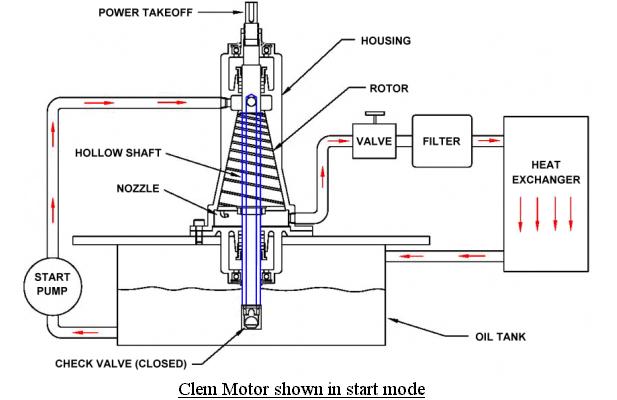
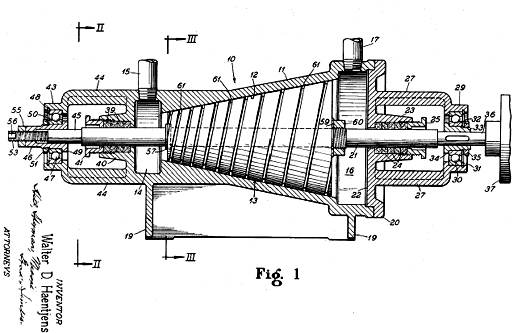
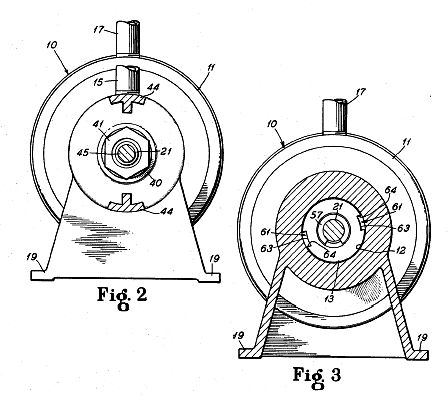
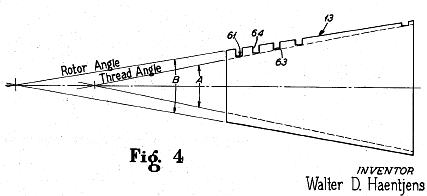
The Clem Engine is a closed-system hydraulic motor that uses a hollow shaft to pump cooking oil (or water/air) at high pressure into spiralling channels cut into a cone. The fluid exits through rim-jets, creating thrust that spins the cone. At high rotational speeds the system is claimed to become self-sustaining, delivering up to 350 HP (or higher) without additional fuel input, aided by a heat-exchange and filtering system.
Principles
- Boundary layer drag
- Centrifugal thrust
- Fluid dynamics
- Thermodynamic heat exchange
- Over-unity claim
Scientific Domains
Materials
- vegetable oil
- steel
- water
- air
Mechanisms of Action
- High-pressure fluid pumped into hollow shaft
- Spiral channels direct fluid to rim-jets
- Jet thrust spins cone
- Centrifugal forces increase fluid velocity
- Heat exchanger removes excess heat
- Self-sustaining rotation claimed at critical speed
Energy Sources
Applications
- Alternative-fuel vehicles
- Standalone power generation
- Industrial pumping
Claimed Performance
350 HP generated continuously for 9 days in a Bendix dynamometer test; later claims of 1 500 HP and self-running operation at 1 800-2 300 RPM.
Experimental Evidence
Bendix Corporation allegedly attached the engine to a dynamometer and measured a consistent 350 HP for nine consecutive days. The engine was also said to have run buried under concrete for several years.
Limitations
- No independent, peer-reviewed verification
- Claims rely on anecdotal reports
- Potential material fatigue at high temperatures
- Heat management not fully described
Red Flags
- No patents or formal technical documentation
- Plans sold as "bogus" and linked to alleged scams
- Heavy reliance on anecdotal testimony
- Over-unity claims contradict established thermodynamics