Goal
Provide an efficient, low-cost, multi-fuel internal combustion engine with minimal moving parts and reduced emissions.
Problem
Complexity, high manufacturing cost, valve train wear, and emissions associated with conventional piston engines.
Concept Summary
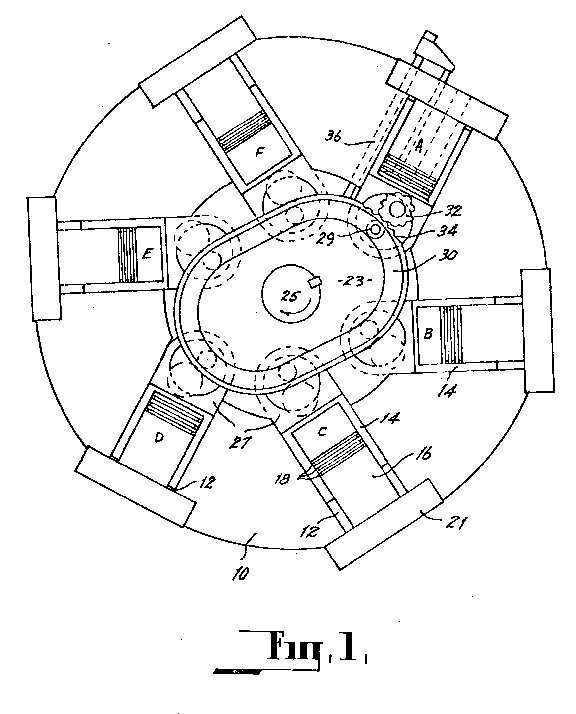
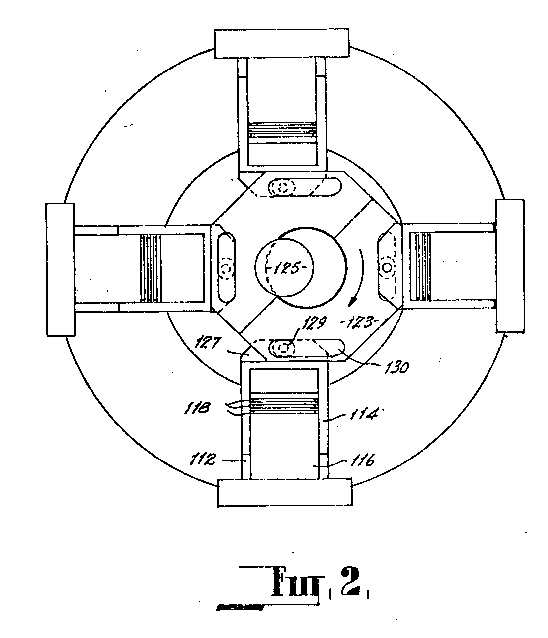
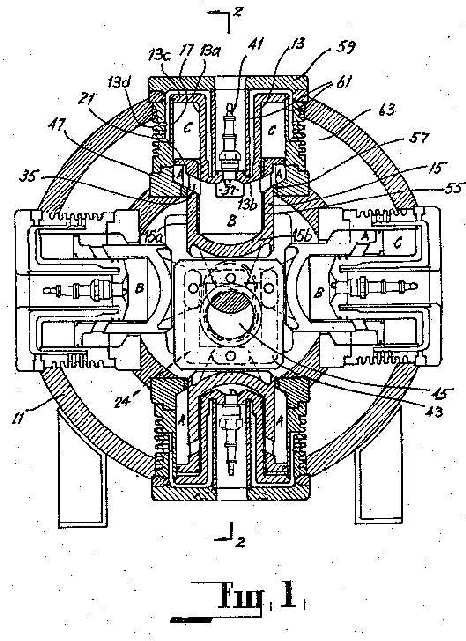
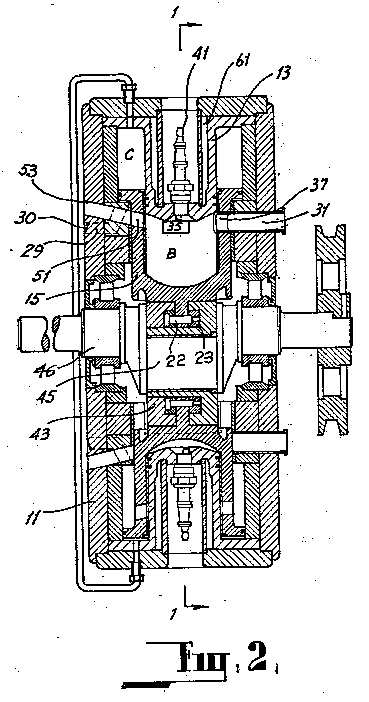
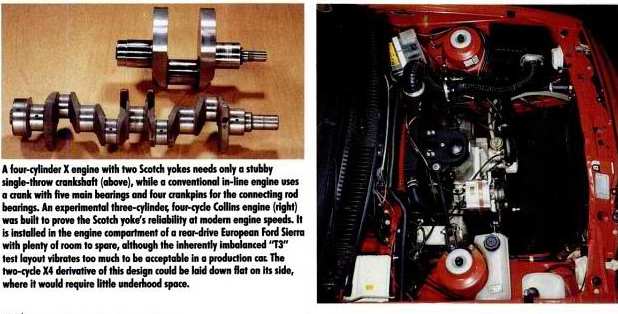
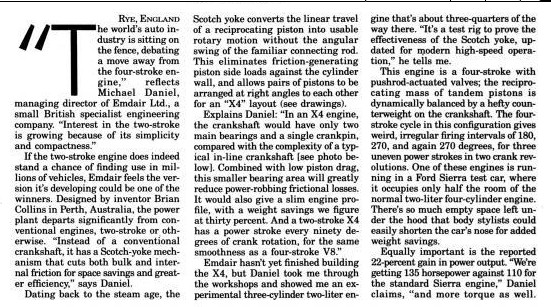
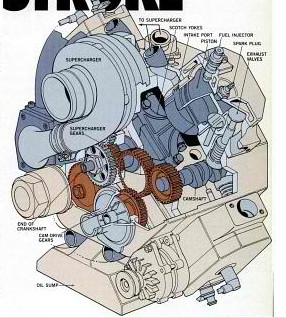
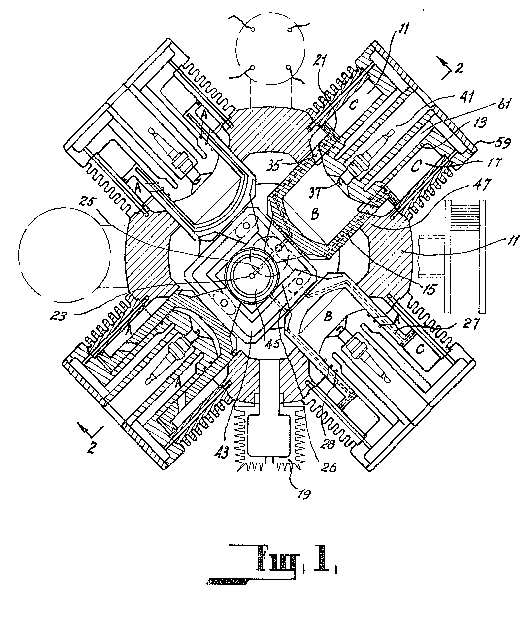
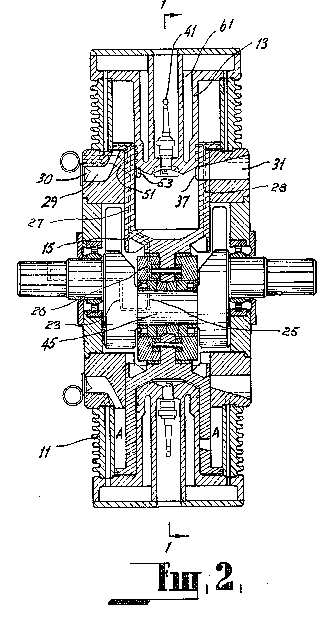
The Collins Engine uses a novel 'Collins Cycle' where four radially arranged firing chambers operate on a pressure-scavenged two-stroke principle. An orbiting yoke drives reciprocating chambers within a circular aluminum alloy block, eliminating traditional valve trains. The design allows operation on many fuels, uses conventional automotive components, and claims low emissions and simple manufacturing.
Principles
- Collins Cycle combustion
- Four-firing system
- Pressure scavenging (2-stroke principle)
- Adiabatic cooling of intake air
- Variable compression ratio via adjustable junk heads
Scientific Domains
Materials
- Aluminum alloy (engine block)
- Cast iron (firing chamber liners)
- Standard automotive rings and bearings
- Oil (lubrication)
- Water (liquid cooling system)
Mechanisms of Action
- Air is drawn into a pumping chamber and mixed with fuel in a turbulent stream
- Spark ignition (or diesel injection for compression ignition) initiates combustion
- Reciprocating chambers create pressure differentials that pump air and exhaust gases
- Adiabatic expansion of intake air cools the combustion chamber
Energy Sources
Applications
- Vehicle propulsion
- Handheld power tools
- Pneumatic control systems (brakes, air motors)
Claimed Performance
Instant start on multiple fuels, idle and acceleration from 250-3000 rpm, low carbon-monoxide emissions (below measurement limits), and the ability to produce work equivalent to an 8-cylinder engine with only five moving parts.
Experimental Evidence
Prototype MK1 ran for many accumulated hours without problem; an emission test on LPG showed CO levels too minute to record. A 16 cc miniature version and a 2 L Mk II were also built and tested.
Replication Status
Prototypes built and tested by Collins Motor Corporation Ltd; no independent replication reported.
Limitations
- Performance data limited to manufacturer-provided prototypes
- No independent verification of efficiency or emissions
- Optimization required for full potential
Red Flags
- Claims based on internal testing only
- Lack of peer-reviewed publications or third-party validation