Confidence
0.85
Practicability
0.80
Evidence
0.20
Fringe Score
0.10
Risk
0.20
TRL
9
Goal
Provide a water-less, low-maintenance sanitation solution that turns human waste into usable compost.
Problem
Dependence on water-based sewage systems, high water consumption, and the need for safe waste disposal in off-grid or low-resource settings.
Concept Summary
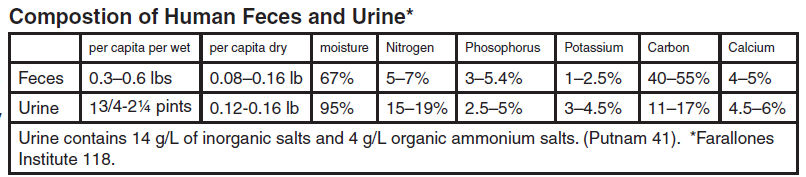
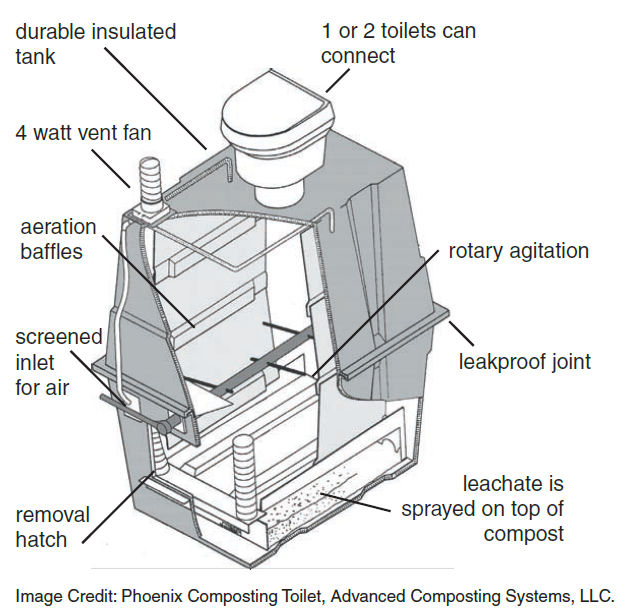
The article lists a series of PDFs and manufacturer links describing the design, construction, and operation of water-less composting toilets. These devices use aerobic biological processes to convert feces and urine into stable compost, eliminating the need for flush water and reducing sewage infrastructure requirements.
Principles
- Composting
- Aerobic biological decomposition
- Urine diversion
Scientific Domains
Materials
- Human feces
- Urine
- Carbon-rich bulking material (e.g., sawdust, straw)
- Plastic housing
- Paper or biodegradable liners
Mechanisms of Action
- Microbial breakdown of organic matter
- Aerobic oxidation
- Urine separation to control moisture
Applications
- Rural household sanitation
- Eco-lodges and campsites
- Emergency relief shelters
- Off-grid homes
Claimed Performance
Eliminates water use for flushing, produces usable compost, reduces pathogen load through thermophilic phases.
Limitations
- Requires regular maintenance and bulking material replacement
- Performance depends on ambient temperature for thermophilic composting
- Potential odor issues if not properly ventilated