Goal
Provide an automatic, gearless transmission that adjusts to load and speed, eliminating conventional gears and clutch, improving fuel efficiency and vehicle performance.
Problem
Conventional gearboxes and clutches cause fuel waste, require manual shifting, and produce shocks to engines; need for a simpler, more efficient transmission.
Concept Summary
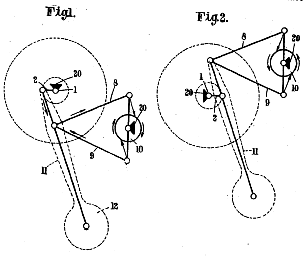
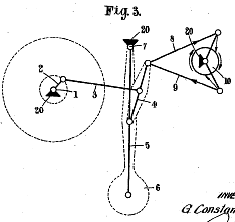
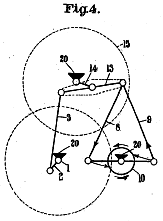
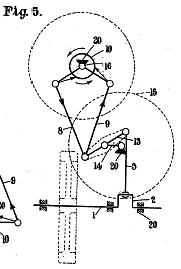
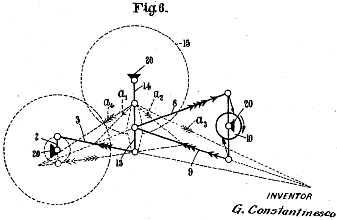
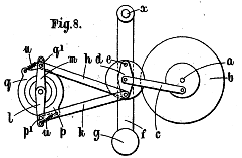
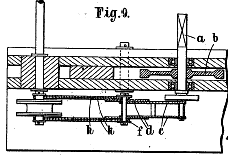
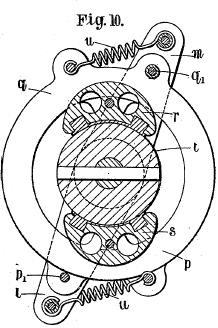
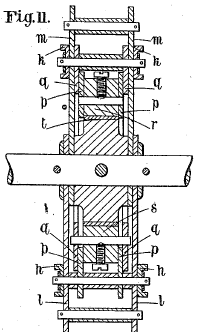
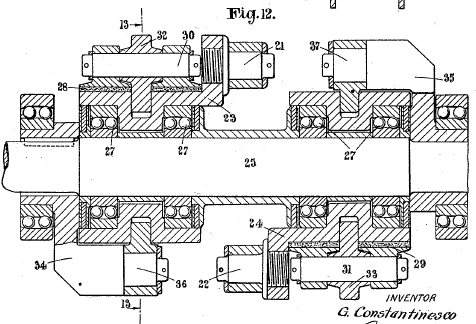
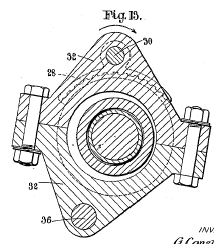
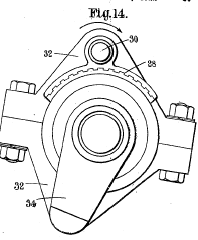
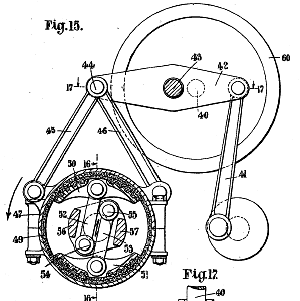
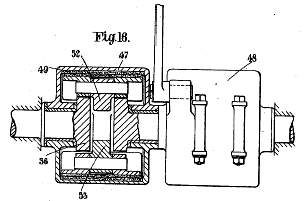
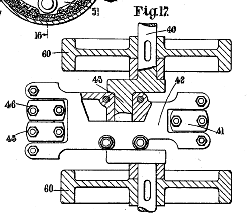
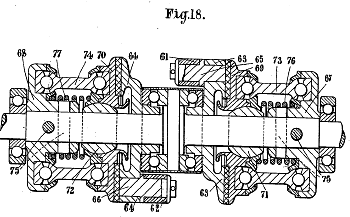
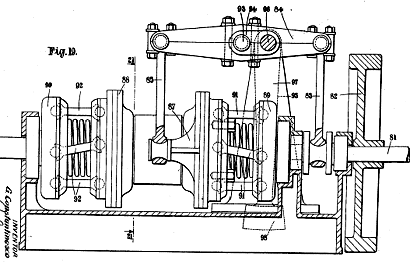
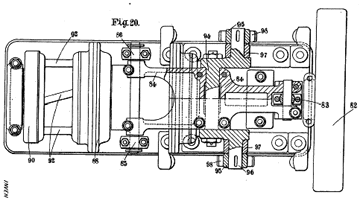
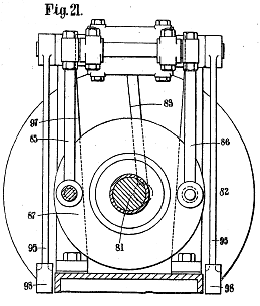
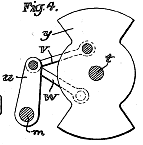
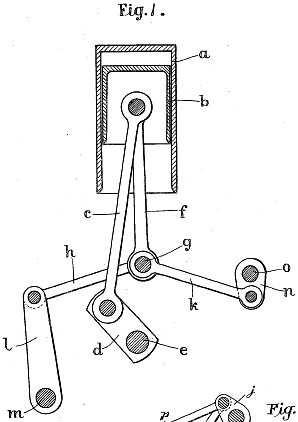
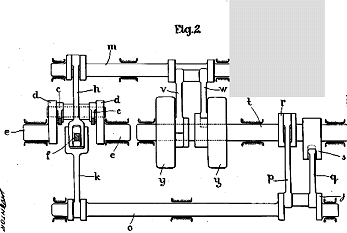
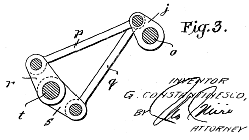
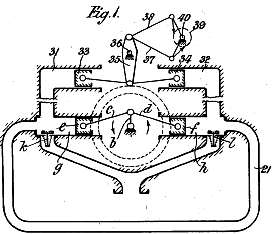
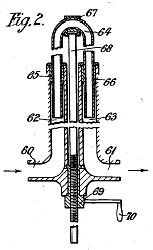
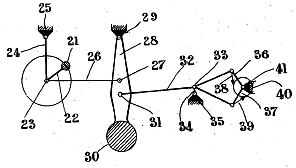
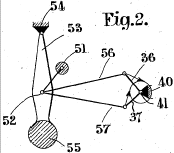
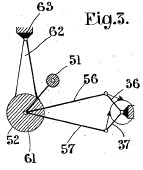
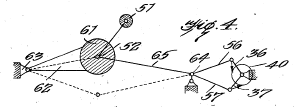
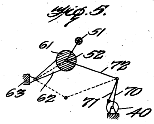
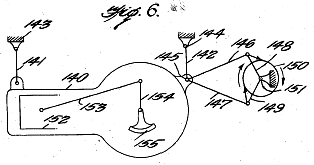
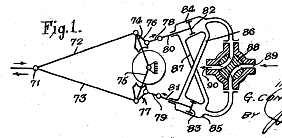
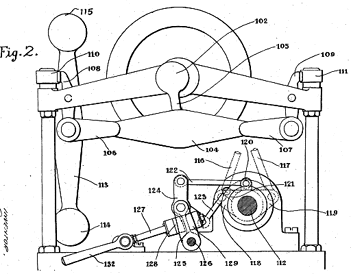
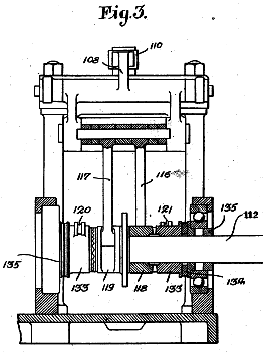
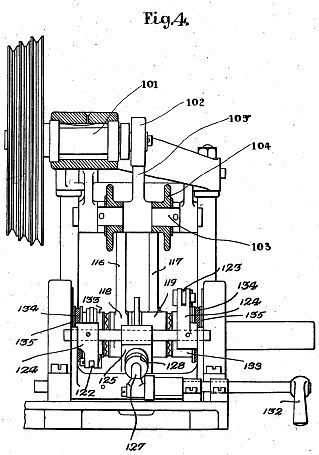
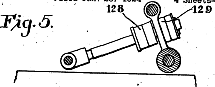
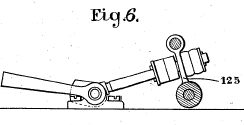
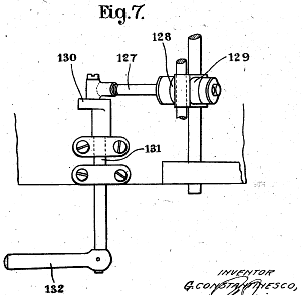
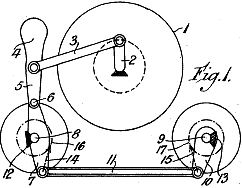
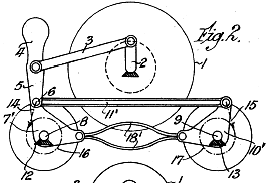
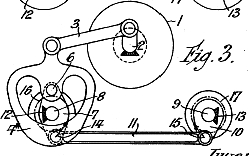
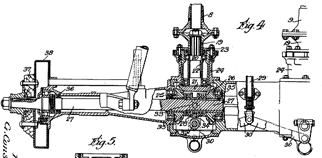
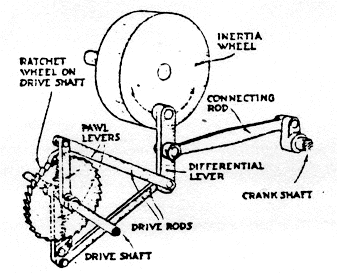
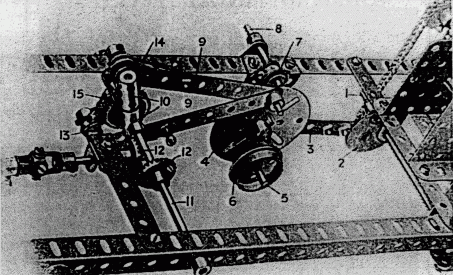
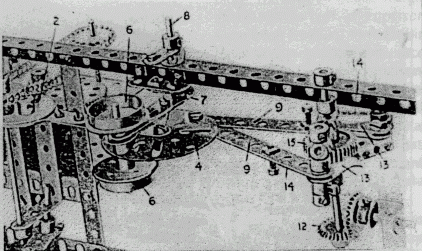
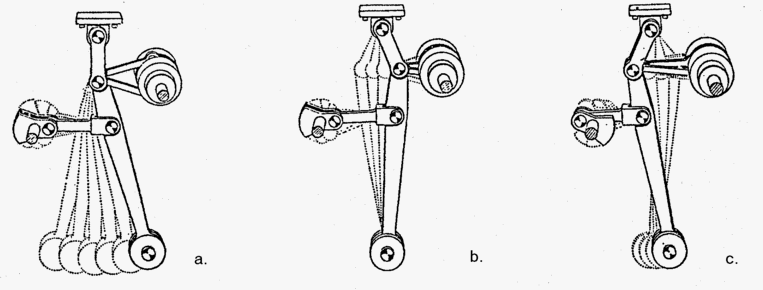
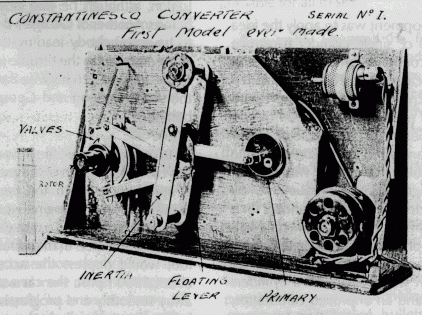
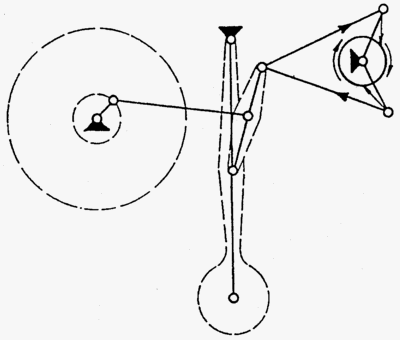
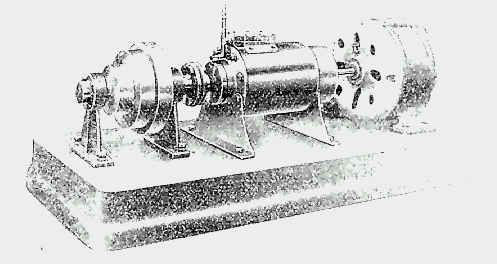
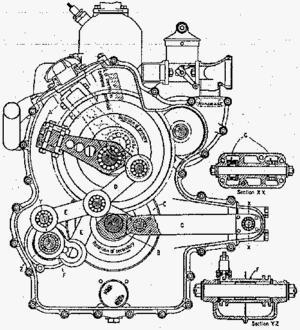
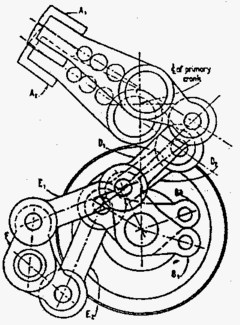
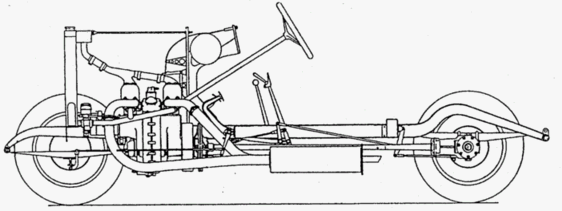
A mechanical torque converter using an heavy inertia wheel that oscillates under engine crank motion. The oscillation is transferred via a differential lever and over-running clutches (ratchet wheels) to produce unidirectional torque on the drive shaft. The system automatically varies transmission ratio according to engine speed and load, allowing smooth acceleration, hill climbing, and the ability to tow heavy loads without a conventional gearbox.
Principles
- Inertia wheel oscillation
- Oscillating levers
- Ratchet/over-running clutch rectification
- Variable transmission ratio
- Hydrosonic power transmission concepts
- Mechanical rectification of reciprocating motion
Scientific Domains
Mechanisms of Action
- Inertia resistance to rapid oscillation creates torque opposition
- Differential lever converts oscillatory motion into rotary motion
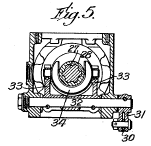
- Over-running clutches act as unidirectional ratchets, rectifying alternating impulses
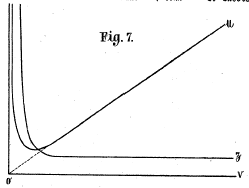
- Automatic adjustment of output torque based on load and engine speed
Energy Sources
Applications
- Automobiles
- Rail locomotives
- Military vehicles
- Agricultural tractors
Claimed Performance
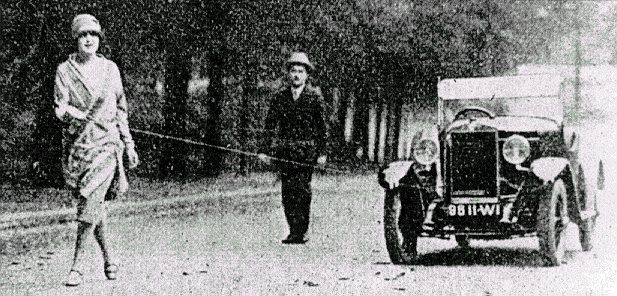
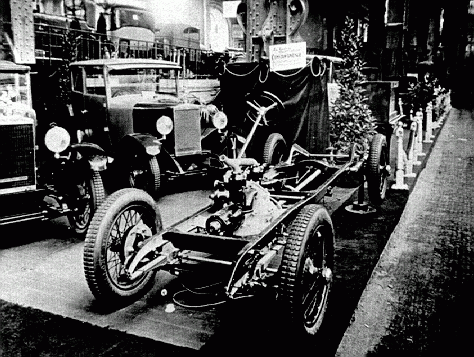
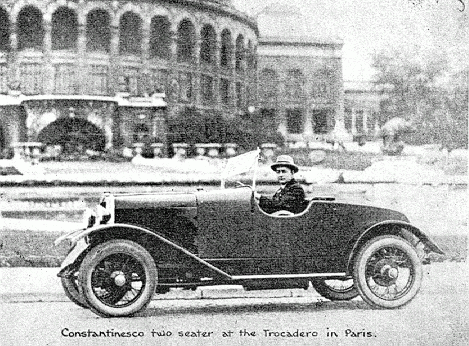
Car can tow a 5-ton truck up a steep hill, travel 100 km on 2.5 L of petrol, and exhibit an "infinite ratio" transmission allowing smooth acceleration without jerks.
Experimental Evidence
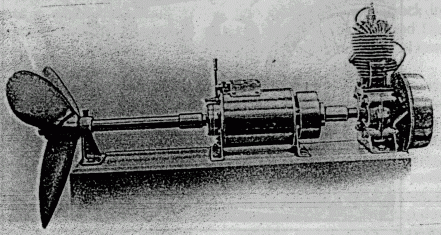
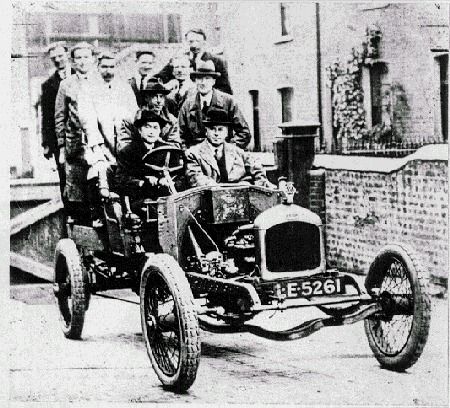
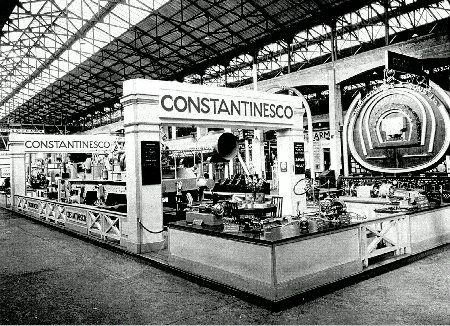
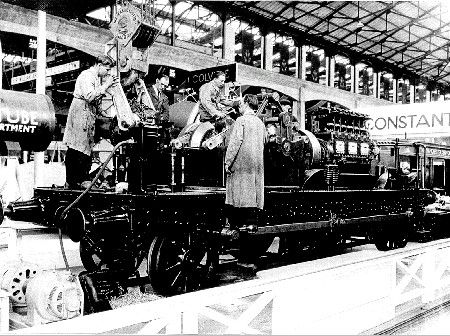
Demonstrated at London and Paris motor shows in 1925; General Motors acquired a licence to build the car in 1926; the torque converter was used in self-propelling railcars.
Replication Status
Licensed
Limitations
- Heavy inertia wheel adds mass and size
- Requires a separate reverse gear for backward motion
- Precision mechanical tolerances needed for reliable operation
Red Flags
- Claims of an "infinite ratio" transmission may be overstated
- Lack of quantitative performance data and independent testing