Goal
Create an airplane that can automatically adjust its wings to maintain stable flight without pilot input, eliminating stall, spin and sideslip.
Problem
Conventional aircraft can stall, spin, and require continuous pilot control; fixed wings do not adapt to turbulence or changes in flight attitude.
Concept Summary
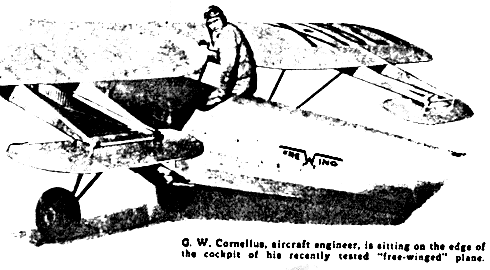
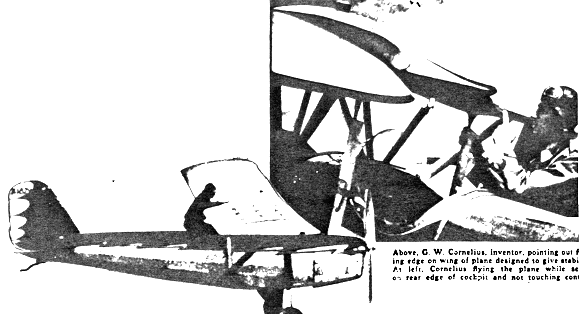
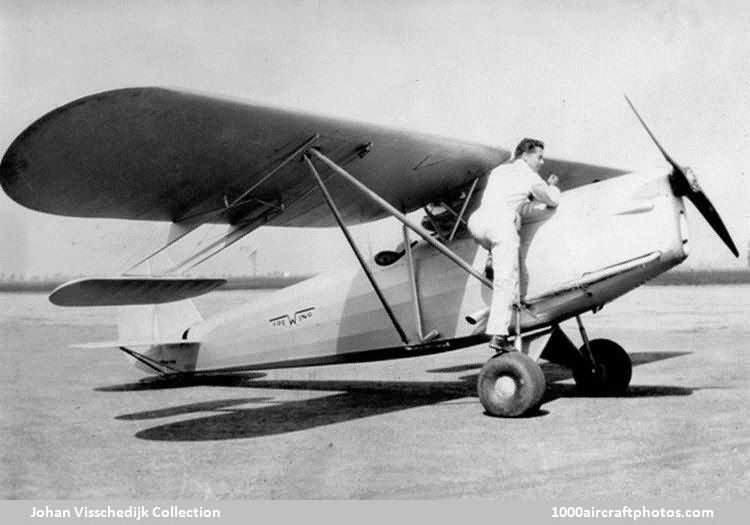
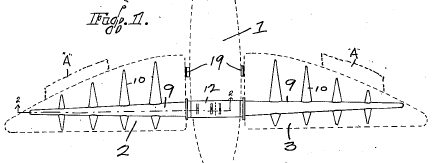
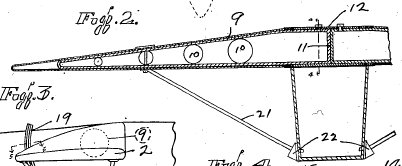
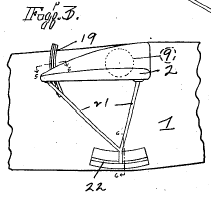
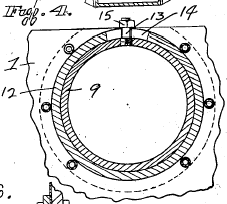
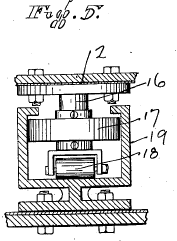
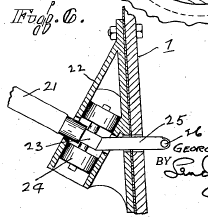
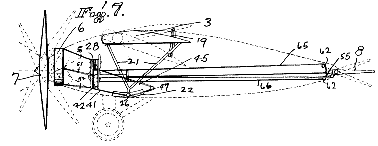
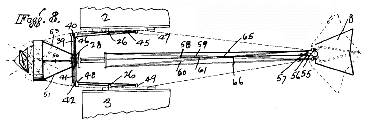
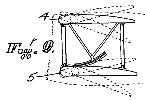
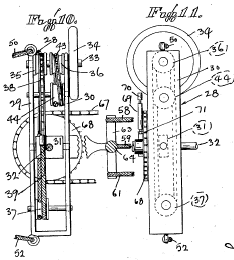
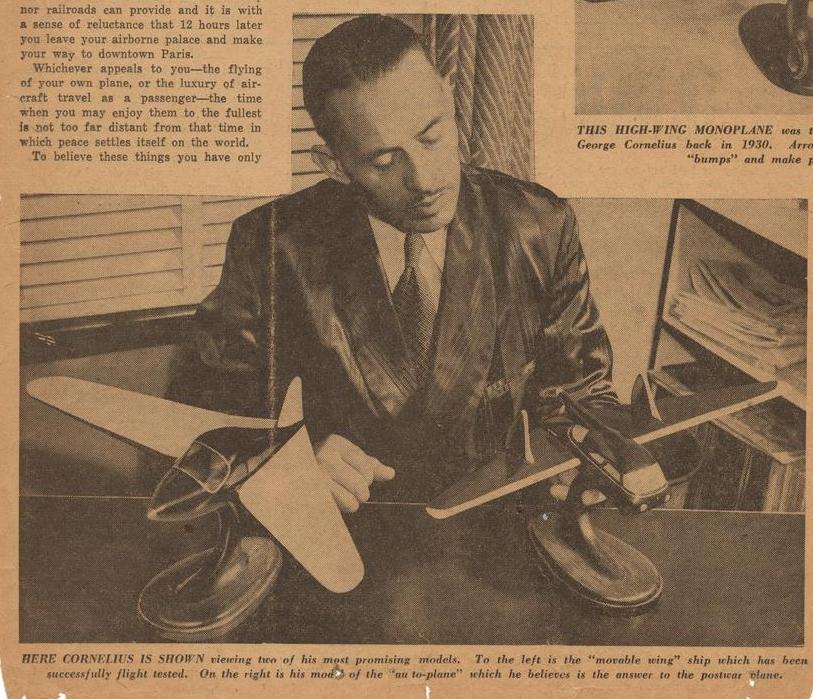
The Fre-Wing uses wings hinged at the fuselage that can change incidence automatically in response to aerodynamic loads. Paddle-like "stabilators" on the trailing edge set the desired glide or climb angle. The system keeps the aircraft in a self-stabilising attitude, allowing it to take off, cruise and land with minimal pilot action.
Principles
- Variable-incidence wing geometry
- Automatic aerodynamic feedback
- Stabilator-controlled glide angle
Scientific Domains
Mechanisms of Action
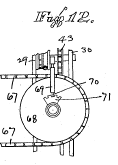
- Wing hinges allow the whole wing to rotate up or down, changing lift coefficient
- Stabilators act as combined elevators/ailerons to set glide angle
- Center-of-gravity placement ensures wings self-correct to prevent loss of speed
Energy Sources
Applications
- Civil aviation
- Pilot-assisted or autonomous aircraft
Claimed Performance
Aircraft cannot stall, spin, or sideslip; can fly itself, land or take off with pilot only cutting engine and setting stabilators.
Experimental Evidence
Test flights in 1931-1932 demonstrated self-stabilising flight, landing without pilot throttle control, and inability to stall.
Replication Status
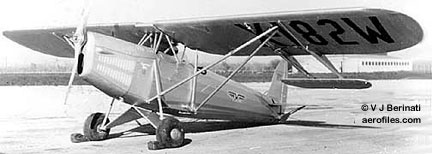
Only a single prototype (PW-1, NX182W) was built and flown; no independent replication reported.
Limitations
- Only one prototype built
- No published technical data or peer-reviewed testing
- Complex moving-wing mechanisms may increase maintenance
Red Flags
- Claims of "cannot stall" lack quantitative verification
- No independent replication or modern testing