Goal
Generate clean electrical power that exceeds the input power (over-unity) using pulsed cold-plasma discharges.
Problem
Need for non-polluting, high-efficiency power generation and self-sufficient energy for electric vehicles and remote applications.
Concept Summary
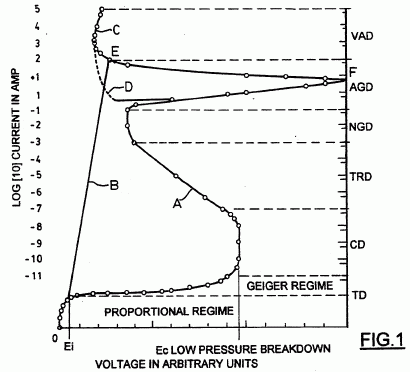
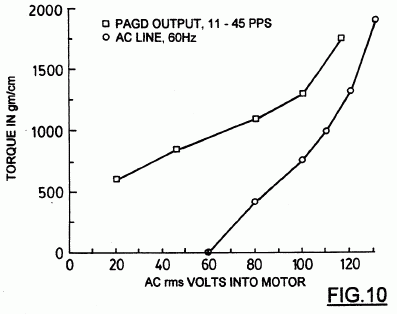
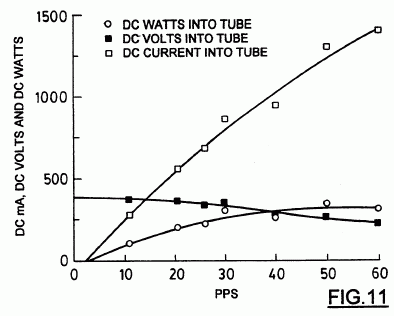
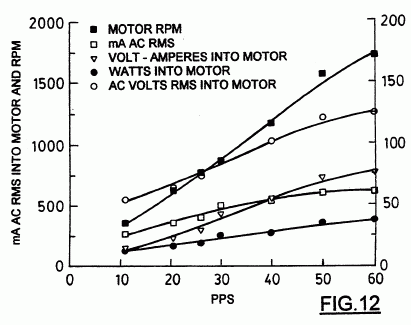
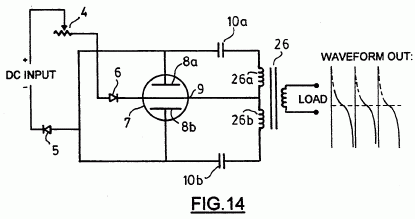
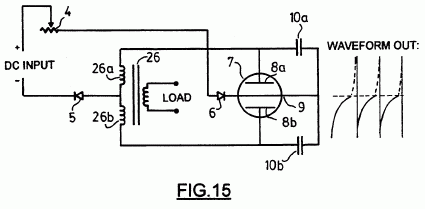
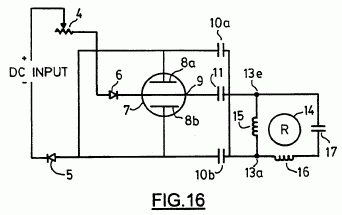
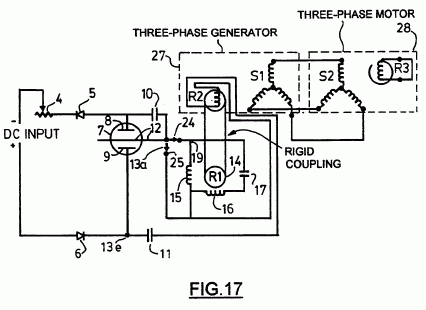
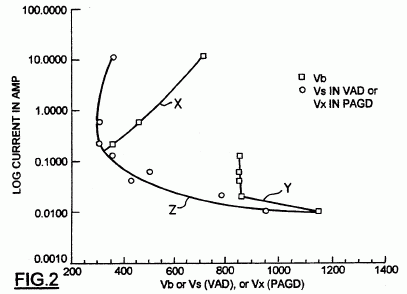
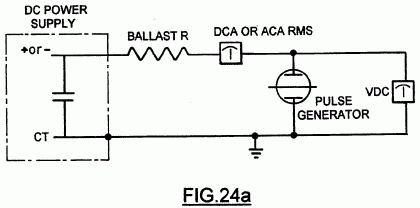
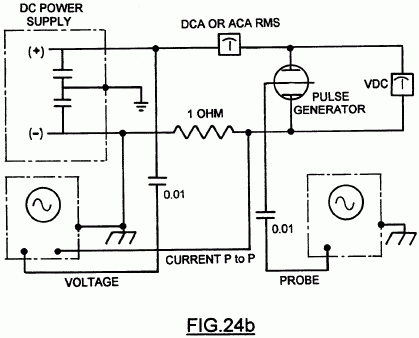
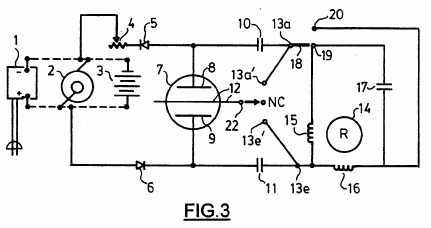
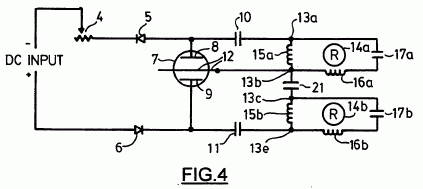
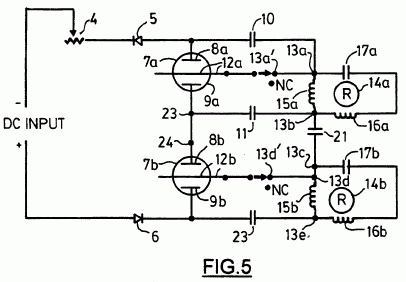
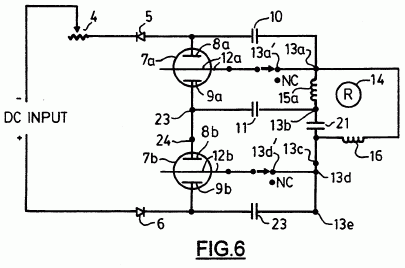
The Correa system uses cold-cathode vacuum discharge plasma reactors that self-excite pulsed abnormal glow discharges via auto-electronic emissions. An anomalous cathode reaction force (Aspden's Law) allegedly extracts more energy from the vacuum plasma than is supplied, producing net electrical output and driving a motor.
Principles
- Cold-cathode vacuum discharge
- Auto-electronic emission
- Anomalous cathode reaction force (Aspden's Law)
- Self-exciting oscillations
- Field emission in vacuum-arc tubes
Scientific Domains
Materials
- Metals (cathode material)
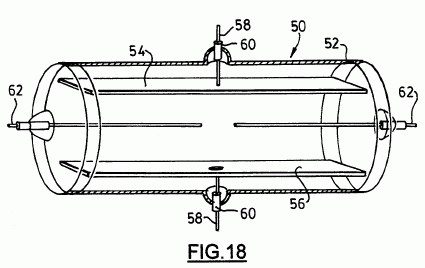
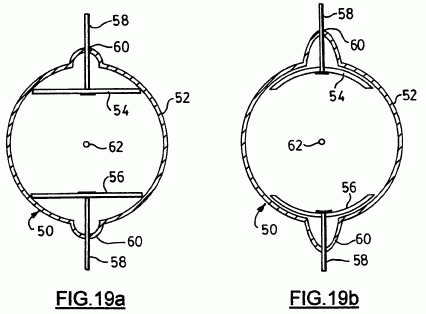
- Glass vacuum tube
- Cathode and anode electrodes
Mechanisms of Action
- Pulsed abnormal glow discharge
- Auto-electronic emission to trigger discharge
- Anomalous cathode reaction force converting plasma energy to electrical energy
Energy Sources
Applications
- Electric vehicles
- Stand-alone power supplies
- Autonomous housing
- Pulsed lasers
- Inverters
- Transformer and motor circuits
Claimed Performance
Net energy output greatly exceeds net energy input (over-unity operation).
Experimental Evidence
The inventors have demonstrated that "it is possible to release from charged metals in a vacuum amounts of free energy which exceed the amounts of energy put into the system" and that an "Aether Motor ... could deliver electrical power without any external power input save its connections to two 'orgone accumulator' boxes or to either our insulated bodies or a ground pipe."
Limitations
- No peer-reviewed quantitative data
- Potential electrode burnout in high-current operation
- Requires vacuum glass tubes and precise control
Red Flags
- Claims of over-unity without independent verification
- Reliance on proprietary patents and anecdotal demonstrations
- Use of terms such as 'orgone' and 'Aether' that lack scientific acceptance