Goal
To treat and cure viral and bacterial infections such as AIDS by using a natural anti-microbial peptide derived from crocodile blood/skin.
Problem
Viral diseases (e.g., HIV/AIDS) and bacterial infections that are resistant to conventional antibiotics.
Concept Summary
The article describes a natural anti-microbial peptide extracted from the blood or skin of the crocodile species Crocodylus Porusus. The peptide is claimed to destroy viruses and bacteria by penetrating their membranes and to act as an immune-system additive. A related patent outlines a method for producing crocodile-skin collagen peptide for cosmetic and antioxidant applications.
Principles
- Anti-microbial peptide activity
- Membrane disruption of pathogens
- Antioxidant and DNA-protective effects
Scientific Domains
Materials
- Crocodylus Porusus skin
- Crocodile blood
- Water (distilled)
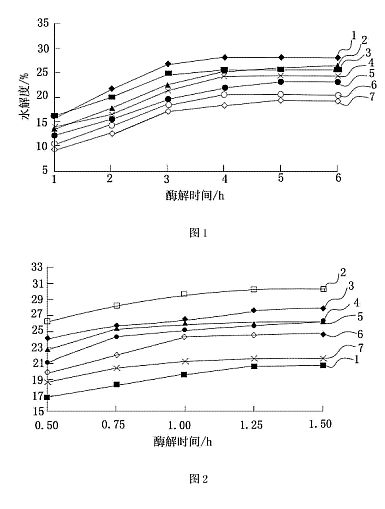
- Proteases (trypsin, neutral protease, alkaline protease from Bacillus licheniformis)
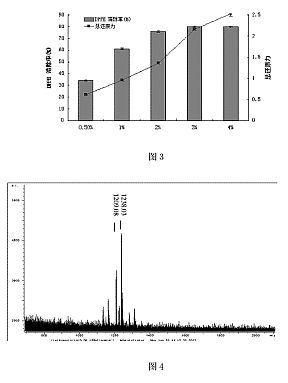
- Collagen peptide (~=1.2 kDa)
Mechanisms of Action
- Peptide penetrates and disrupts viral and bacterial membranes
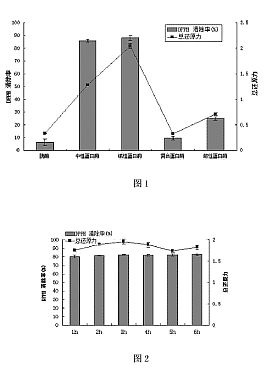
- Scavenges free radicals (DPPH assay)
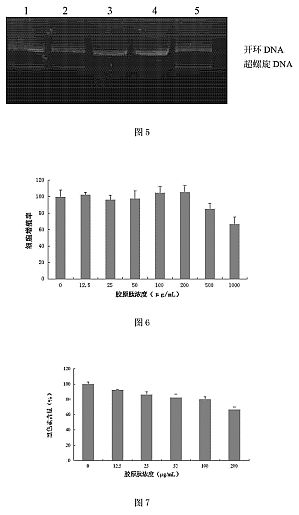
- Protects DNA from hydroxyl-radical damage
- Inhibits tyrosinase activity and melanin synthesis in melanoma cells
Applications
- Therapeutic treatment of viral and bacterial infections
- Cosmetic antioxidant and whitening formulations
Claimed Performance
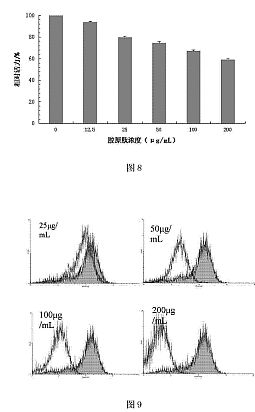
The peptide is claimed to kill all known deadly viruses and bacteria, act as an antioxidant, moisturiser, anti-whitening agent, and DNA-damage protector. In vitro tests showed DPPH clearance, DNA protection, reduced melanin content, and inhibition of tyrosinase activity in mouse B16 melanoma cells.
Experimental Evidence
In vitro assays demonstrated DPPH radical scavenging, protection of DNA from hydroxyl-radical damage, and dose-dependent inhibition of melanin synthesis and tyrosinase activity in B16 melanoma cells (see Figures 1-8).
Limitations
- No peer-reviewed clinical data supporting cure of AIDS
- Efficacy demonstrated only in vitro
- Potential safety and dosage unknown for human use
Red Flags
- Extraordinary claim of curing AIDS without clinical evidence
- Reliance on anecdotal testimonials and non-scientific websites
- Lack of independent replication or regulatory approval