Goal
Produce fresh drinking water from seawater by removing salts using an electrochemical micro-device.
Problem
High energy consumption, expensive membranes, and infrastructure requirements of conventional desalination methods.
Concept Summary
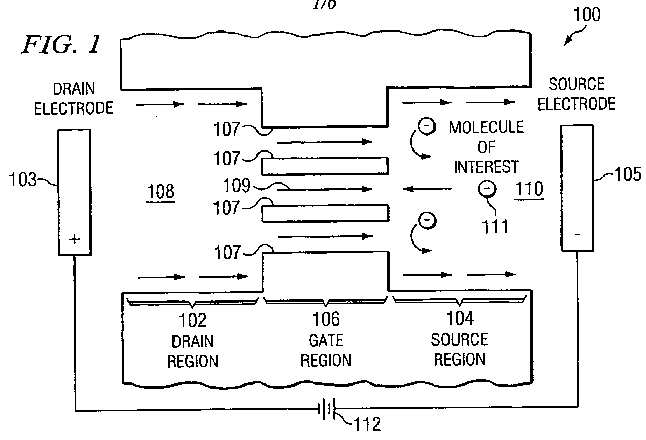
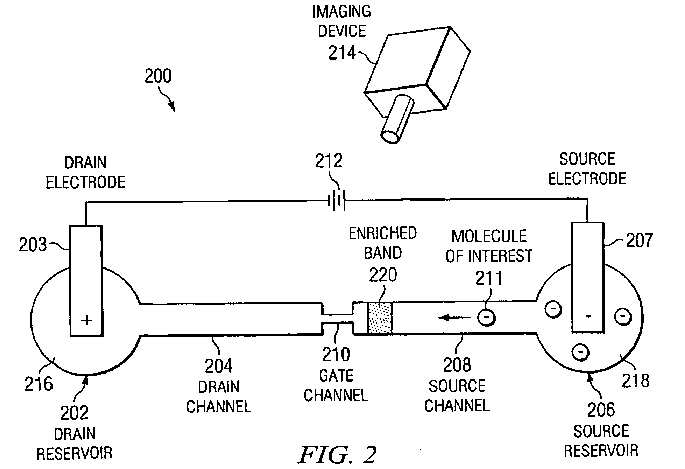
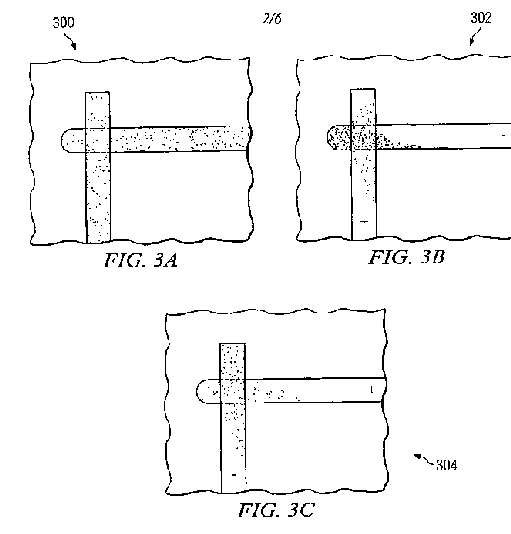
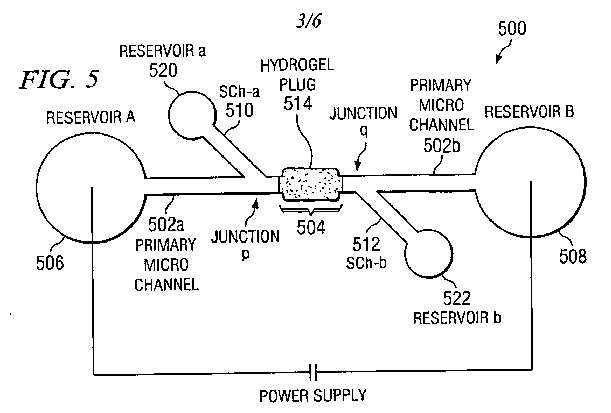
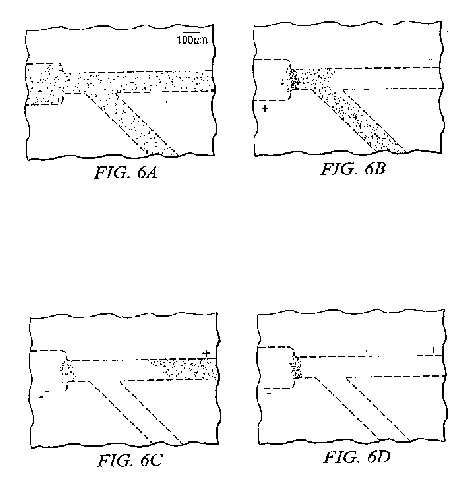
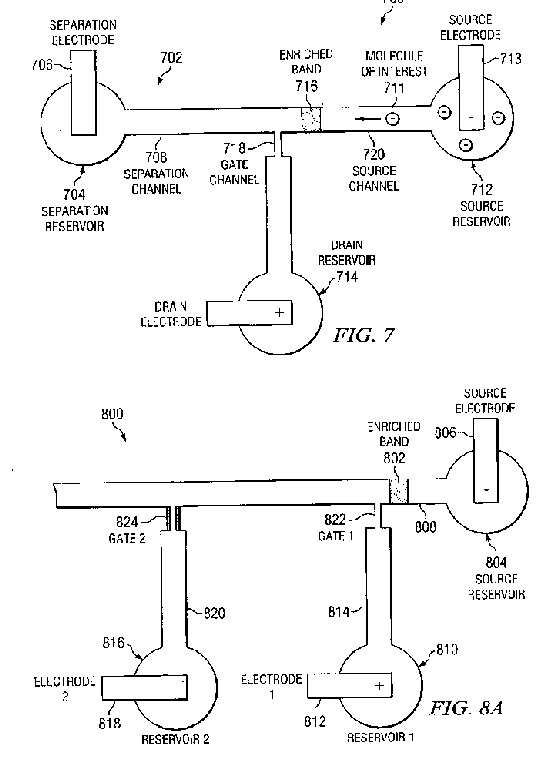
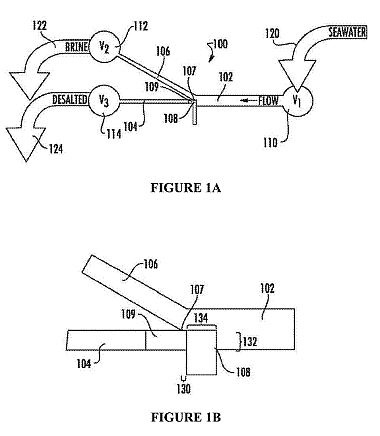
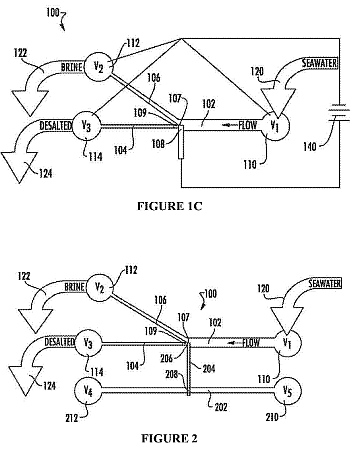
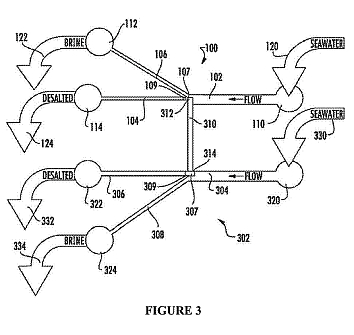
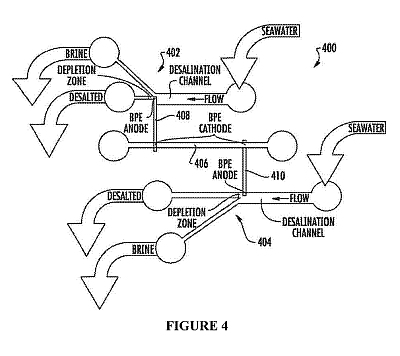
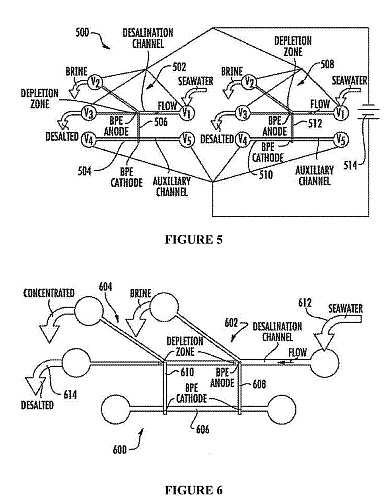
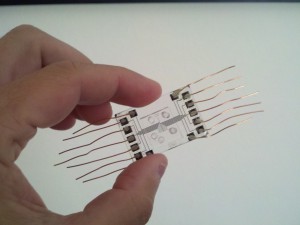
A micro-fluidic chip with an embedded electrode creates an ion-depletion zone and a strong local electric field that redirects salt ions into one branch of a bifurcating channel, allowing fresh water to exit through the other branch. The process operates at low voltage (~=3 V) and can be powered by a simple battery.
Principles
- Electrochemical field gradient
- Ion depletion zone formation
- Micro-fluidic flow control
- Electrophoretic ion steering
- Chloride oxidation at bipolar electrode
Scientific Domains
Materials
- Polymer (plastic) microchip
- Metal electrode (e.g., platinum or carbon)
- Fluorescent tracer (for visualization)
Mechanisms of Action
- Applied voltage creates electric field gradient at channel junction
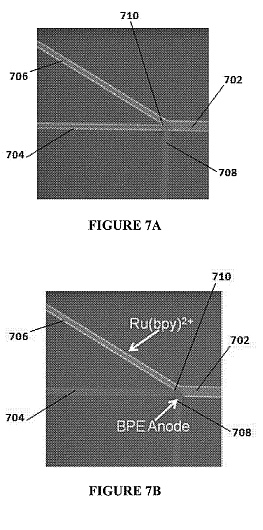
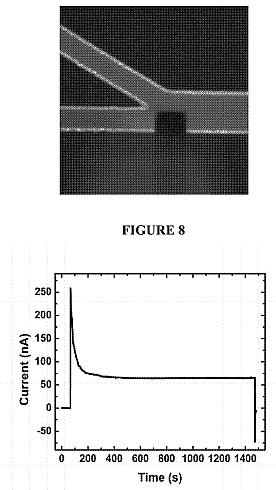
- Electrode oxidizes chloride, generating ion-depletion zone
- Ion-depletion zone redirects salt ions into concentrated branch
- Fresh water flows into dilute branch
Energy Sources
Applications
- Drinking water supply
- Disaster-relief water generation
- Municipal desalination units
- Portable water purification
Claimed Performance
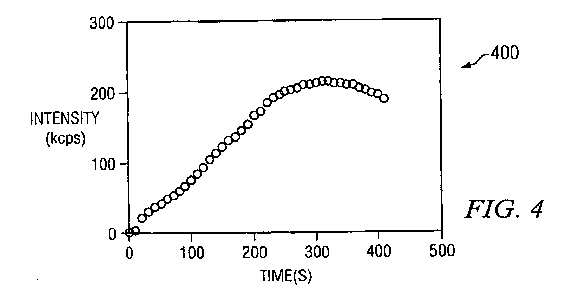
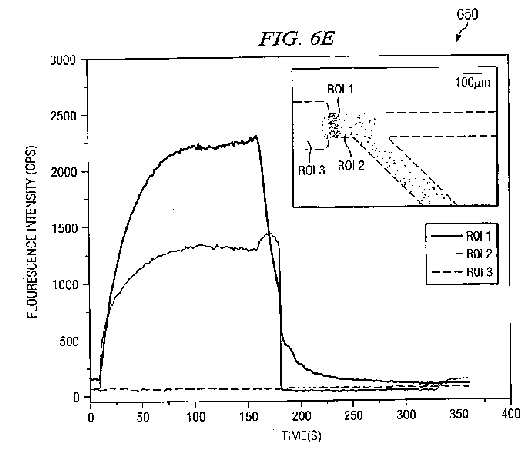
25 % salt removal demonstrated; device produces ~40 nanoliters of desalinated water per minute; goal of 99 % desalination and liters-per-day throughput.
Experimental Evidence
Proof-of-principle experiments reported in Angewandte Chemie (2013) and US patent US2014183046 showing ion-depletion-driven salt separation in a micro-fluidic chip at 3 V bias.
Limitations
- Very low throughput (nanoliters per minute)
- Scaling to liters-per-day requires massive parallelization
- Electrode durability and fouling not yet demonstrated
- Performance demonstrated only in laboratory conditions