Goal
Increase vehicle fuel efficiency and performance by generating a hydrogen-containing gas mixture (HHO) on-board and injecting it into the engine intake.
Problem
High fuel consumption and emissions of internal combustion engine vehicles; limited mileage and engine efficiency.
Concept Summary
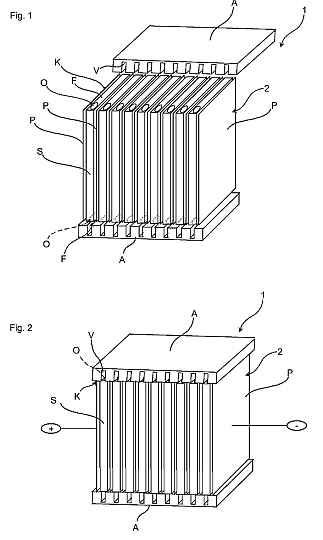
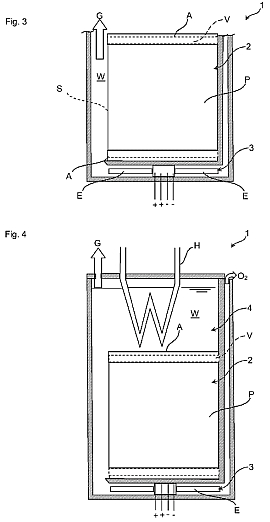
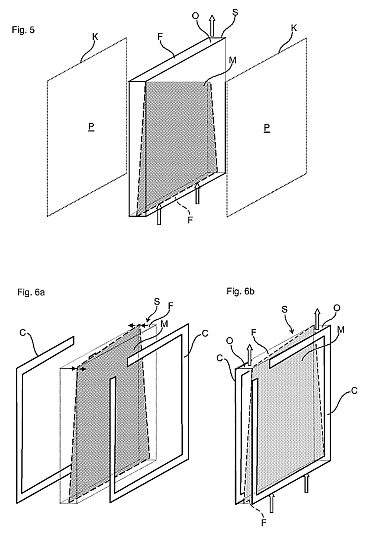
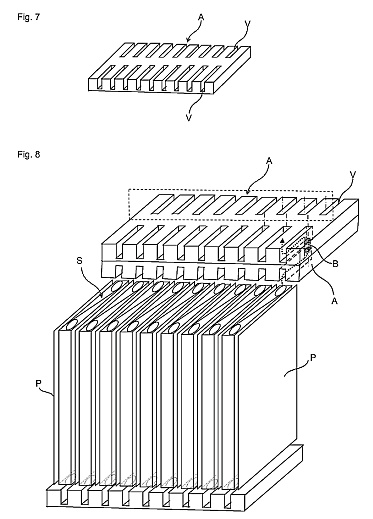
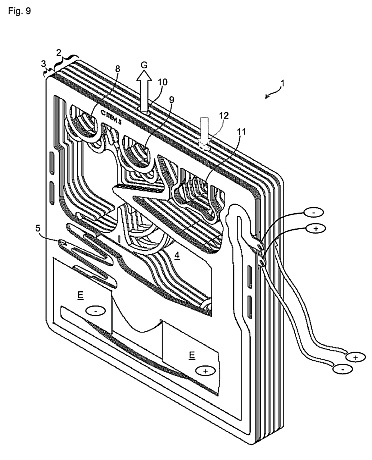
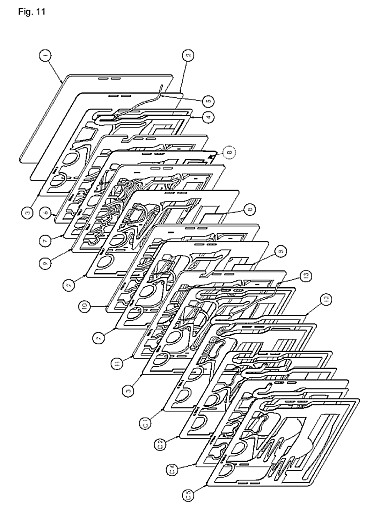
The H2HyPod system electrolyzes water onboard using electricity from the vehicle battery to produce a proprietary blend of hydrogen-oxygen gas (often called Brown's gas or HHO). The gas is injected into the engine where it enriches the fuel-air mixture, breaking larger hydrocarbon chains into smaller, more readily burned molecules. The system includes insulated charge plates, a water-electrolyte mixture, a separator membrane, and a square-wave power driver to improve electrolysis efficiency. The device is marketed as a retrofit kit for motorcycles up to 16 L engines and claims typical mileage gains of 35 % with occasional higher improvements.
Principles
- Electrolytic decomposition of water
- Fuel enrichment via HHO injection
- Electrical insulation of charge plates
- Square-wave current drive (30-80 Hz, preferably 48 Hz)
- Use of electrolyte gel to prevent freezing
Scientific Domains
Materials
- Stainless steel plates (charge surfaces)
- Water
- Electrolyte (gel form, composition unspecified)
- Insulating separator (plastic or composite)
- Comb-like cover with slotted openings
- Membrane for gas separation
- Frame-shaped electrically insulating separator
Mechanisms of Action
- Electric current applied to insulated electrode plates causes water-electrolyte mixture to split into hydrogen and oxygen gases.
- The resulting HHO gas (and possibly additional hydrogen from a secondary cell) is mixed with intake air, promoting more complete combustion.
- The proprietary gas blend is designed to trick the vehicle's engine control unit (ECU) into accepting the mixture without triggering fault codes.
- Square-wave modulation of the current increases gas production efficiency.
Energy Sources
Applications
- Vehicle fuel-efficiency improvement
- Hybrid conversion for motorcycles and cars
- Engine performance enhancement
Claimed Performance
Typical mileage improvement of 35 % (average), with 75 % of customers achieving at least 35 % gain, some reporting up to 225 % improvement; 40 % minimum advantage over previously patented technologies.
Experimental Evidence
The company reports over 400 installations, a seven-year development period, and reams of data supporting the mileage gains, but no independent peer-reviewed data or quantitative test results are provided in the article.
Replication Status
Installed on over 400 customer vehicles (as claimed by the inventor).
Limitations
- No independent verification of mileage claims
- Potential warranty voiding due to ECU manipulation
- Safety concerns related to on-board hydrogen generation
- Unclear composition and safety of the claimed "new species" of gas
Red Flags
- Large mileage improvement claims (up to 225 %) without peer-reviewed data
- Implication of "tricking" the vehicle computer, which may void warranties
- References to "new species" of gas not characterized by academia
- Marketing language suggests over-unity or free-energy implications