Goal
Convert ambient electromagnetic wave energy (microwave, Wi-Fi, satellite signals) into usable direct current electricity.
Problem
Loss of ambient electromagnetic energy and the need for wireless, low-cost power sources for small electronic devices.
Concept Summary
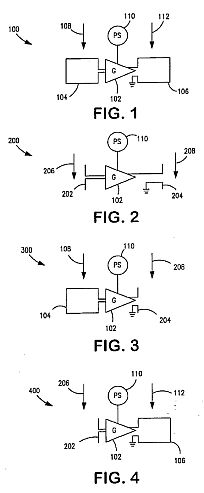
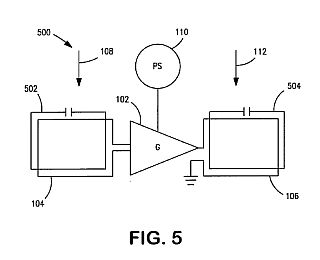
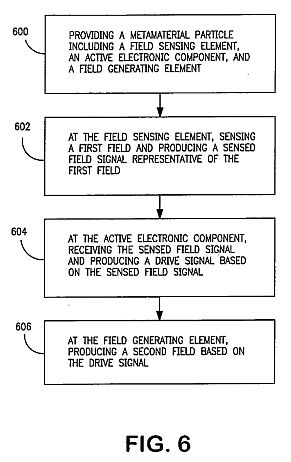
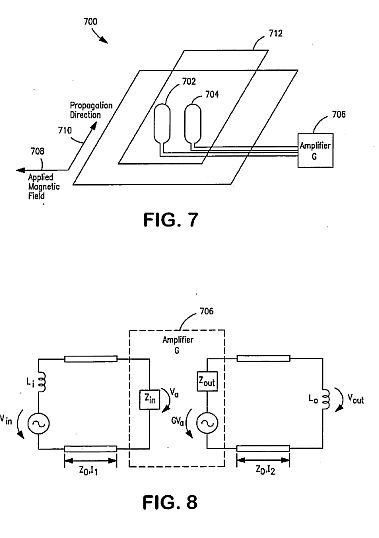
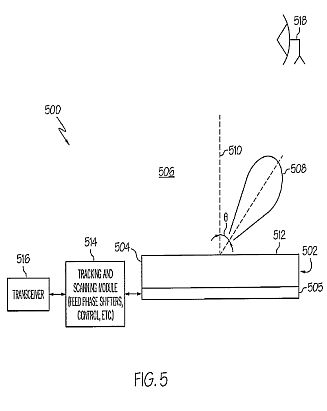
A resonant metamaterial array captures microwave-frequency electromagnetic waves and rectifies them to DC using integrated active electronic components, achieving efficiencies comparable to solar panels.
Detailed Description
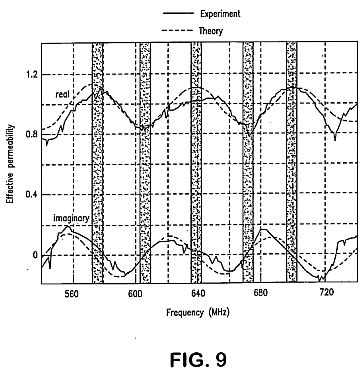
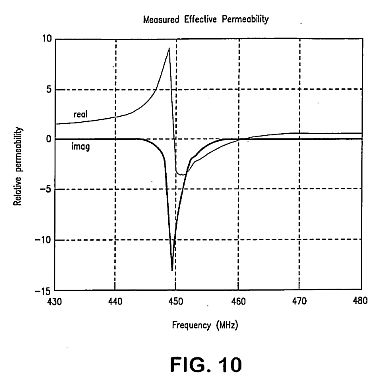
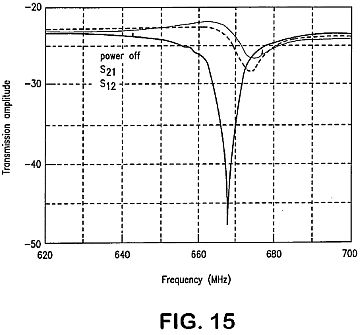
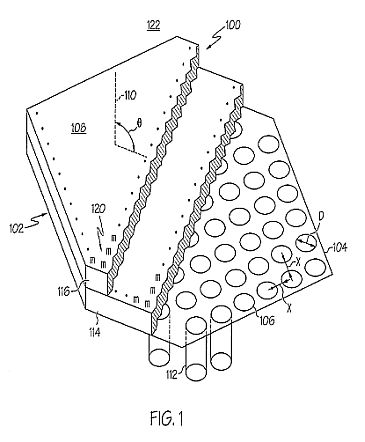
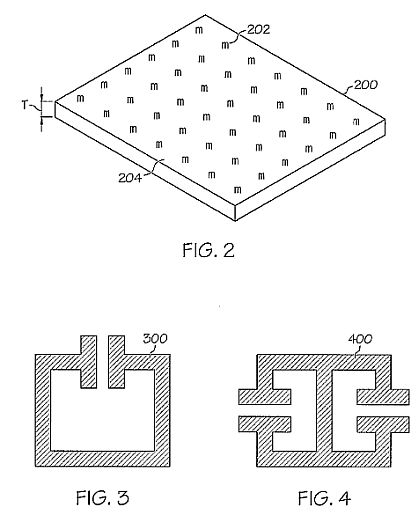
The researchers built an array of five fiberglass-copper conductors patterned as metamaterial unit cells on a circuit board. The structure resonantly absorbs incident microwave energy (e.g., 900 MHz) and, through integrated diodes and amplifiers, rectifies the signal to produce a DC output of up to 7.3 V. Laboratory tests reported a peak conversion efficiency of 36.8 % (~=37 %). The design is modular, allowing additional cells to be added for higher power, and can be tuned for other frequencies such as Wi-Fi, satellite, or even acoustic vibrations.
Principles
- Resonant absorption of electromagnetic waves by metamaterial structures
- Rectification of RF signals to DC
- Impedance matching to maximize power transfer
Scientific Domains
Materials
- Fiberglass
- Copper
- Semiconductor diodes
- Operational amplifiers
- Transistors
Mechanisms of Action
- Resonant capture of microwave energy
- Conversion of AC wave energy to DC via rectifier circuit
- Use of active electronic components for gain and impedance tuning
Energy Sources
Applications
- Cell-phone wireless charging
- Remote sensor networks
- Energy recovery from Wi-Fi or satellite signals
Claimed Performance
Experimental conversion efficiency up to 36.8 % (~=37 %) and 7.3 V DC output from a 900 MHz source.
Experimental Evidence
Laboratory measurements showed 36.8 % of incident 900 MHz power rectified by the metamaterial array, producing a 7.3 V DC output under test conditions.
Replication Status
Laboratory demonstration; no independent replication reported.
Limitations
- Narrow bandwidth around resonant frequency
- Requires line-of-sight or proximity to RF source
- Limited power output for high-energy devices