Goal
Explore the potential of turmeric and its active compound curcumin for treating a wide range of diseases.
Problem
Need for effective, low-cost treatments for cancer, Alzheimer's disease, diabetes, inflammatory and infectious conditions.
Concept Summary
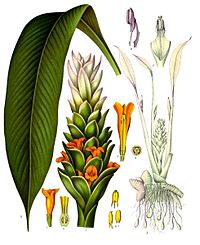
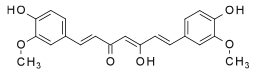
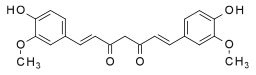
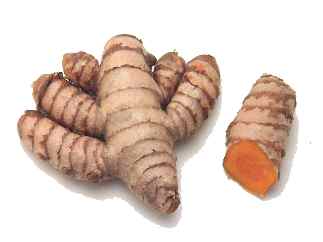
Turmeric is a plant whose rhizomes are dried and powdered; the active ingredient curcumin is a polyphenol with anti-inflammatory, antioxidant, antitumor, antibacterial and antiviral activities. The article surveys traditional uses, biochemical composition, and preliminary scientific research, noting limited clinical evidence but many in-vitro and animal studies suggesting therapeutic potential.
Principles
- anti-inflammatory
- antioxidant
- antitumor
- antibacterial
- antiviral
Scientific Domains
Materials
- turmeric rhizome
- curcumin powder
- curcumin extract
- turmeric oil (turmerone, atlantone, zingiberene)
Mechanisms of Action
- inhibition of inflammatory pathways
- scavenging of free radicals
- modulation of cell signaling and apoptosis
- interaction with vitamin D receptor
Applications
- Medical treatment of chronic diseases
- Food coloring and spice
- Traditional ceremonial uses
Claimed Performance
Potential anti-cancer, anti-inflammatory, neuroprotective, anti-diabetic, and antimicrobial effects.
Experimental Evidence
In-vitro studies show curcumin suppresses tumor cell proliferation and induces apoptosis; animal models demonstrate anti-inflammatory and neuroprotective effects; limited human clinical trials have been conducted with mixed results.
Replication Status
No definitive replication; ongoing clinical trials are evaluating efficacy for several diseases.
Limitations
- Low oral bioavailability of curcumin
- Insufficient high-quality clinical data
- Variability in plant composition
Red Flags
- Claims of curing cancer without robust clinical proof