Goal
Provide vertical lift and thrust with omnidirectional control for small UAVs, improving maneuverability and efficiency over conventional helicopters.
Problem
Helicopter blade speed dead-space, limited lateral thrust control, and inefficiency at small scales.
Concept Summary
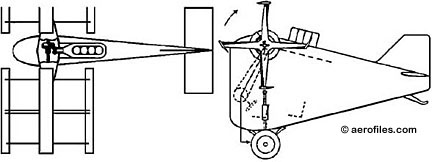
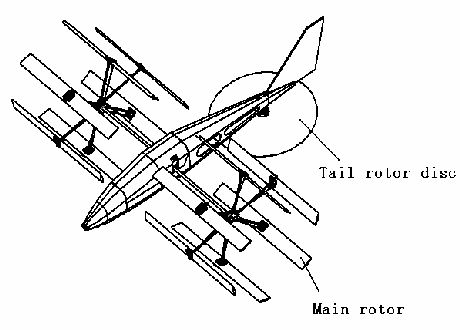
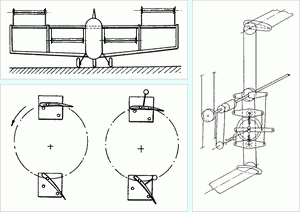
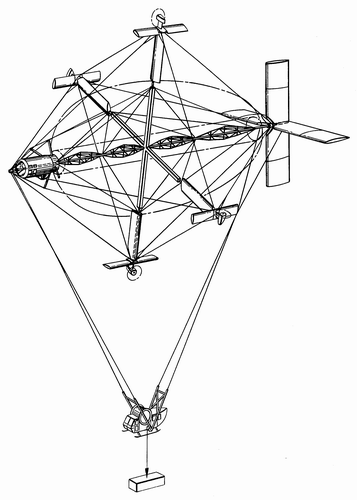
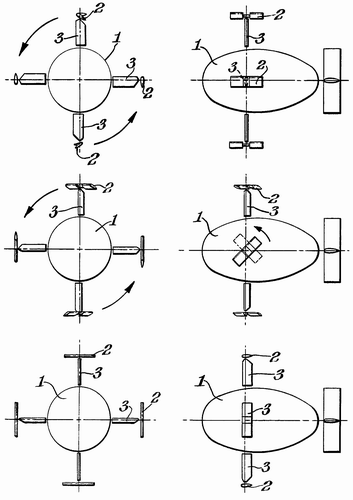
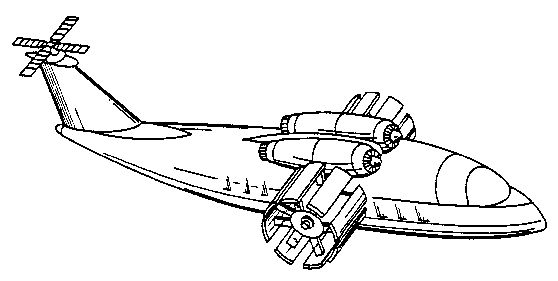
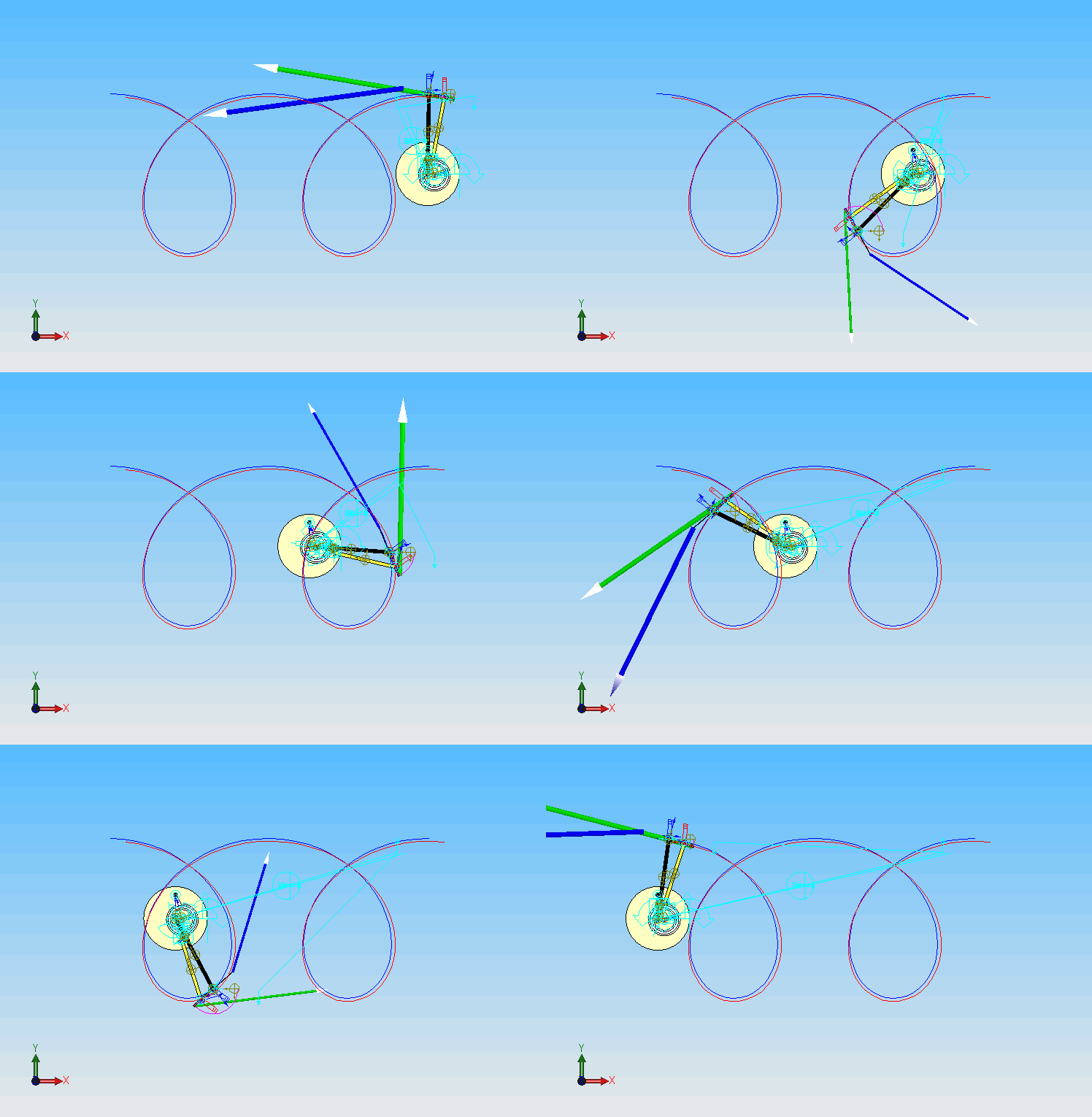
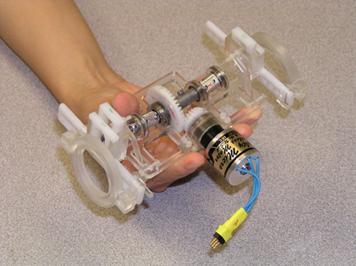
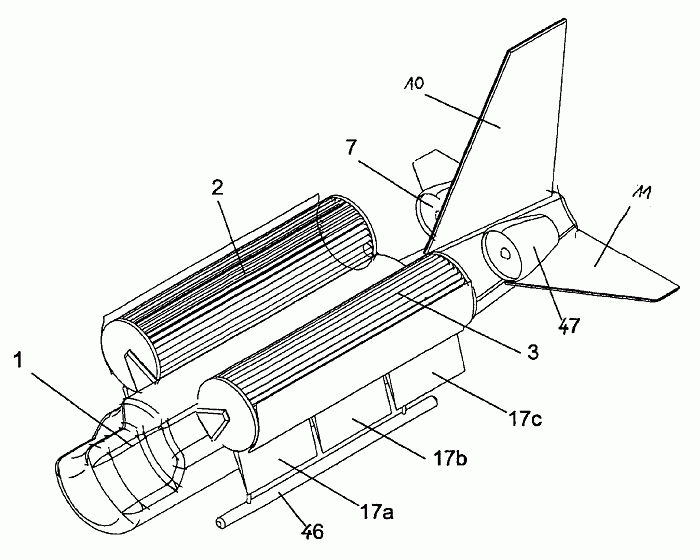
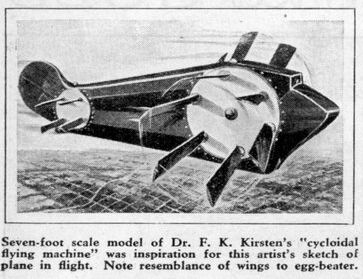
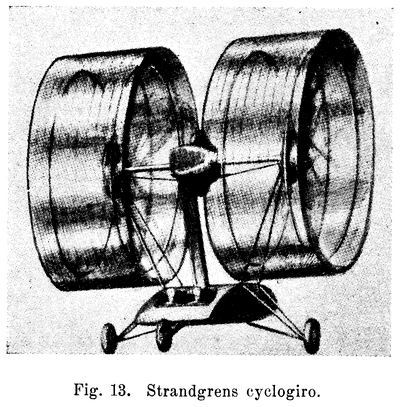
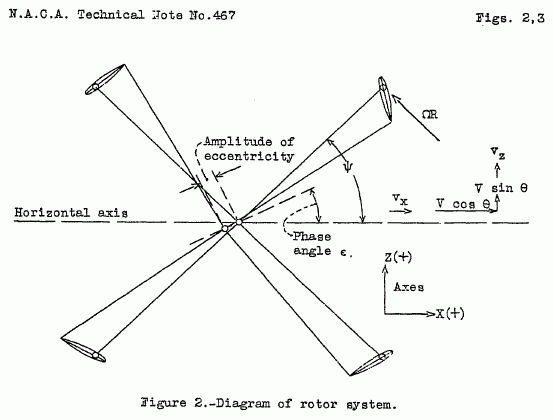
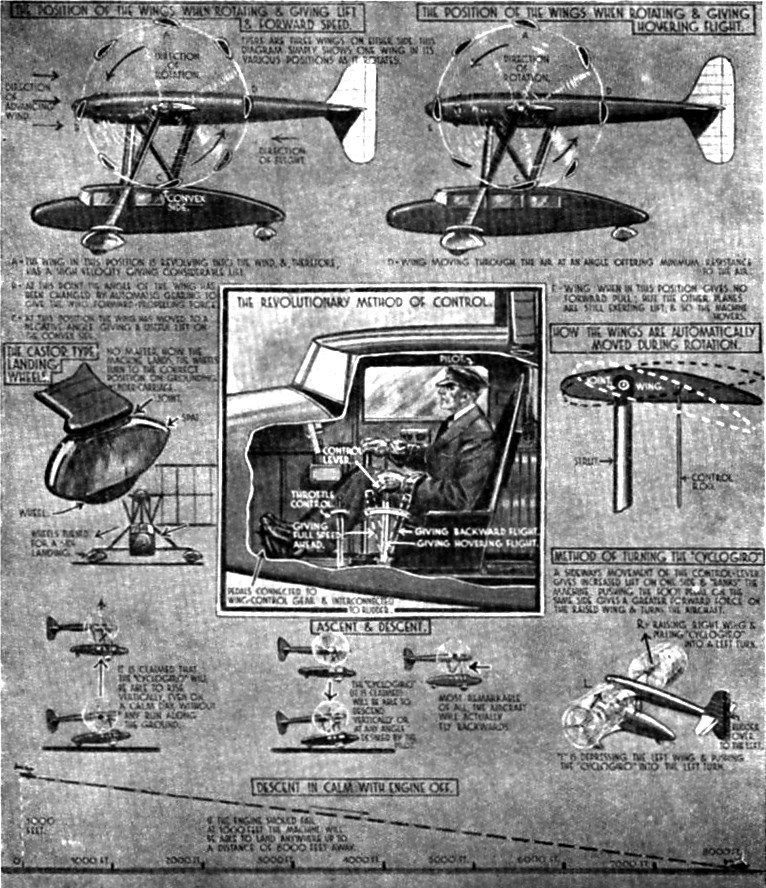
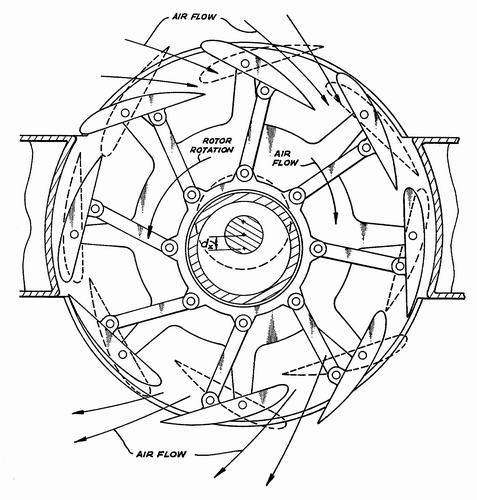
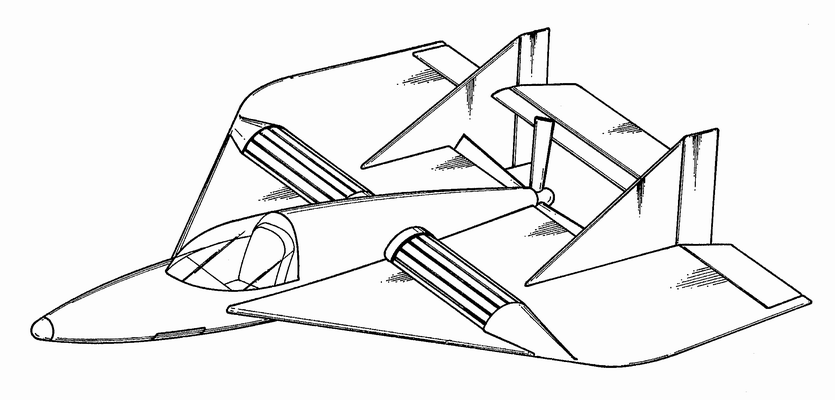
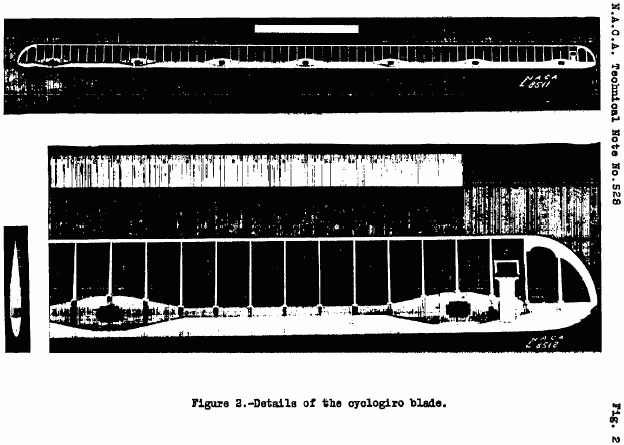
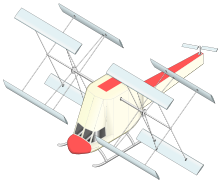
A cyclogyro uses a rotating cylindrical hub with multiple airfoil blades (cycloidal propellers). Each blade's pitch is varied cyclically, generating lift and thrust in any direction as the hub rotates. By synchronising pairs of rotors, the craft can hover, ascend/descend, and move laterally without tilting the whole vehicle.
Principles
- Aerodynamic lift from rotating airfoils
- Variable pitch control of individual blades
- Thrust vectoring through cyclic pitch modulation
- Cycloidal rotor kinematics
Scientific Domains
Materials
- lightweight composite
- plastic
- carbon-fiber reinforced polymer
Mechanisms of Action
- Rotating airfoil blades generate lift and thrust
- Blade pitch is adjusted continuously to control force direction
- Differential thrust between left/right rotors provides yaw control
Energy Sources
Applications
- Small UAVs
- VTOL drones
- Micro air vehicles
Claimed Performance
More efficient and maneuverable than helicopters at small scales; tethered prototype demonstrated vertical and horizontal flight.
Experimental Evidence
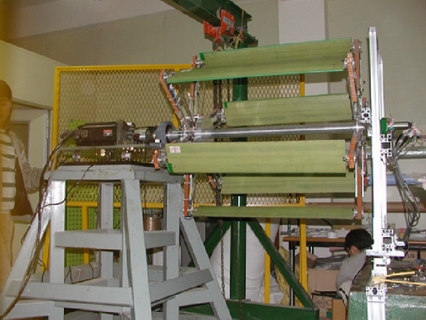
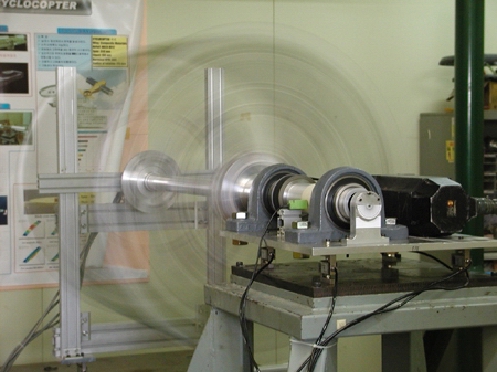
Tethered flight of a cyclogyro prototype by the National University of Singapore (2007); micro cyclocopter free flight by University of Maryland (2011); several other university teams have built tethered or short-duration free-flight models.
Replication Status
Prototype tethered flight achieved; limited free-flight demonstrations; no large-scale commercial deployment.
Limitations
- Only tethered flight demonstrated for most prototypes
- Power loading (lift per power) not better than helicopters
- Blade bending due to centrifugal forces
- Scale limitation - impractical above ~0.5 m rotor diameter
Red Flags
- Lack of independent, peer-reviewed performance data
- No quantitative thrust or efficiency figures provided
- Claims of superiority without rigorous testing