Goal
Efficiently separate oil from water and enable rapid, water-only cleaning of oil-contaminated membranes for oil-spill remediation.
Problem
Conventional oil-water separation membranes become fouled by oil, lose effectiveness, and require complex wetting or detergent cleaning.
Concept Summary
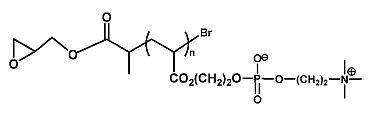
A steel mesh (or other porous substrate) is coated with a zwitterionic poly(2-methacryloyloxylethyl phosphorylcholine) (PMPC) brush layer that provides underwater super-oleophobicity and strong water binding. Oil is repelled when the surface is water-wetted, and any oil fouling that occurs in the dry state can be removed simply by rinsing with water, restoring the membrane's separation capability.
Detailed Description
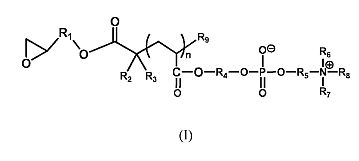
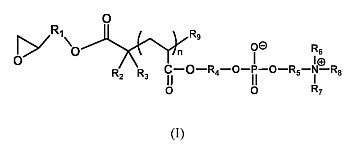
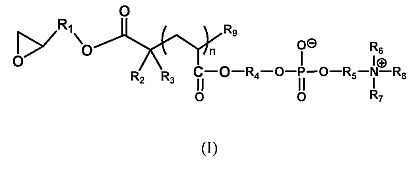
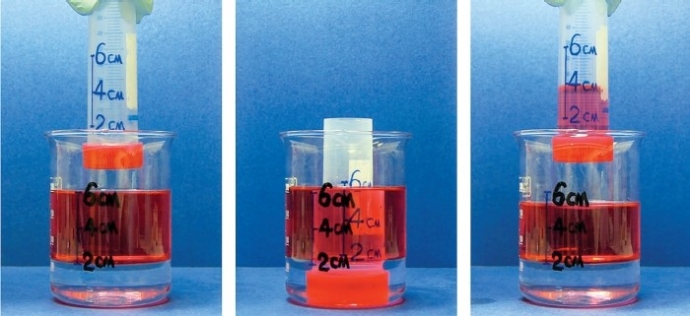
The invention comprises a porous substrate (metal mesh, fabric, sponge, foam, or ceramic) coated with an epoxy-functionalised polyelectrolyte, most notably a PMPC brush layer. The zwitterionic phosphorylcholine groups bind water molecules tightly, creating a hydrated layer that prevents oil adhesion underwater. When oil contaminates the dry surface, water can still displace the oil because the coating remains highly hydrated, allowing a simple water rinse to restore oil-repellency. Laboratory demonstrations show the coated mesh separating oil from water by gravity, skimming oil from a mixture, and retaining performance after multiple rinses. The coating can be applied to a wide range of substrate materials, making it adaptable for various oil-spill cleanup configurations such as booms or skimmers.
Principles
- Underwater super-oleophobicity
- Hydrophilic zwitterionic surface chemistry
- Self-cleaning via water rinsing
Scientific Domains
Materials
- Poly(2-methacryloyloxylethyl phosphorylcholine) (PMPC) brushes
- Epoxy-functionalised polyelectrolyte
- Poly(ammonium phosphate)
- Polyamine cross-linkers (poly(allylamine), polyethylenimine, poly(vinyl)ine))
Mechanisms of Action
- Strong water binding by zwitterionic groups
- Oil repellency in water-wetted state
- Oil displacement by water rinsing
Applications
- Oil spill cleanup
- Industrial wastewater treatment
- Marine oil skimming
Claimed Performance
The PMPC-coated mesh separates oil from water by gravity, can skim oil from a mixture, and can be restored after oil fouling simply by a water rinse, enabling repeated use without detergents.
Experimental Evidence
Laboratory tests showed oil-contaminated meshes becoming clean after water immersion, optical time-series photographs of oil removal, and successful oil skimming from an oil-water mixture using the coated mesh, while uncoated mesh failed.
Limitations
- Performance depends on water-wetted condition
- Long-term durability of the coating not demonstrated
- Scale-up and cost of coating process not addressed