Goal
Inhibit tumor growth and stimulate anti-cancer immune responses
Problem
Cancer cell proliferation and lack of safe, non-toxic therapies
Concept Summary
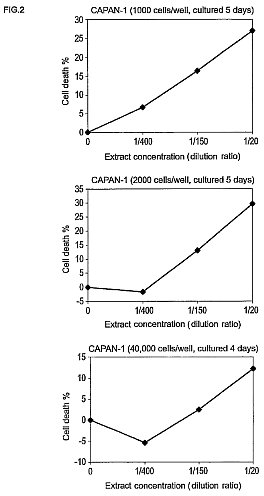
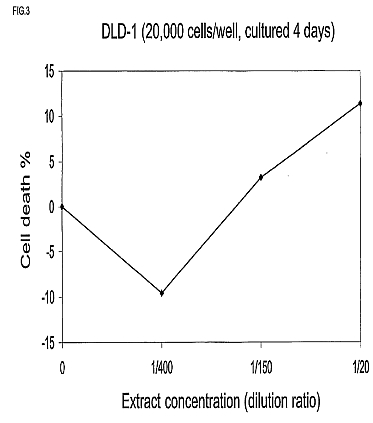
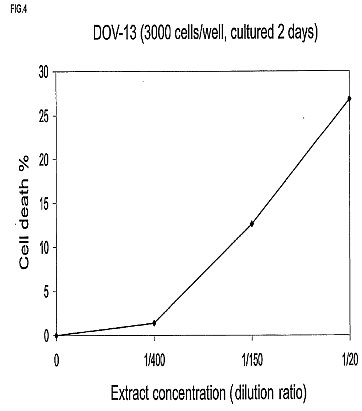
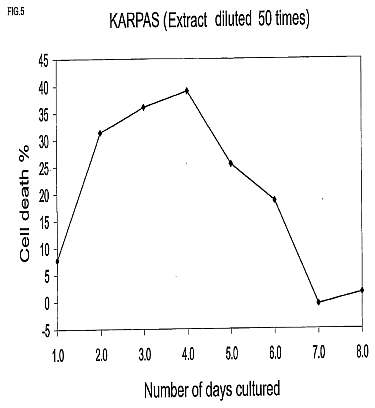
Aqueous extracts from dried Carica papaya leaves are shown to slow the growth of a broad range of laboratory-grown tumor cell lines and to shift immune signaling toward a Th1-type response, suggesting a dual anticancer and immunomodulatory effect.
Detailed Description
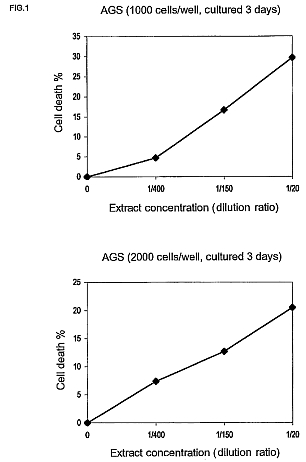
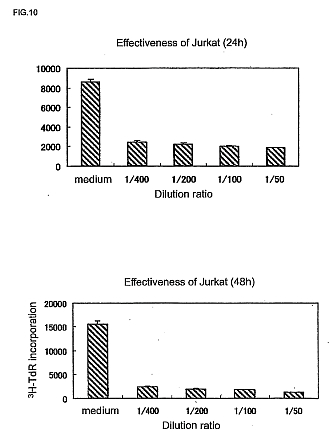
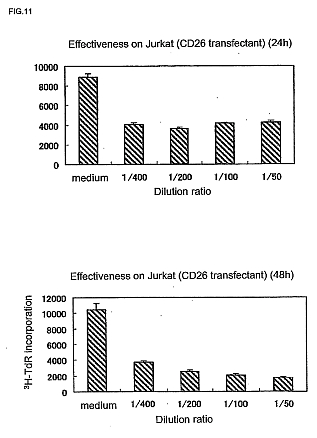
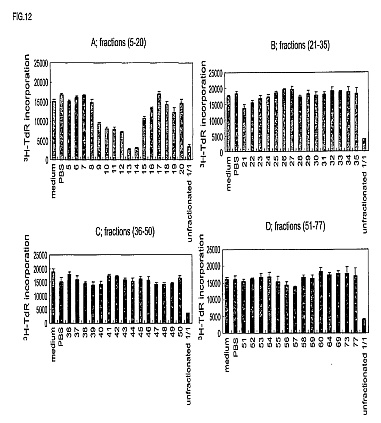
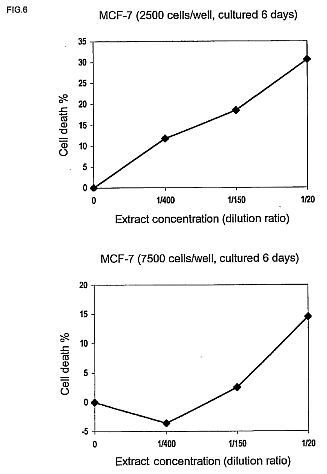
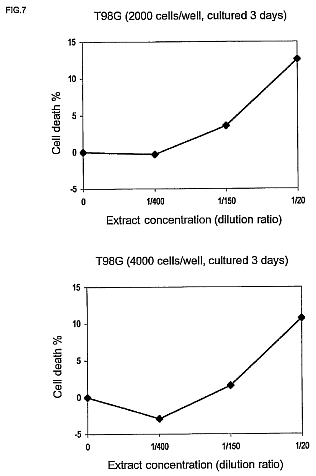
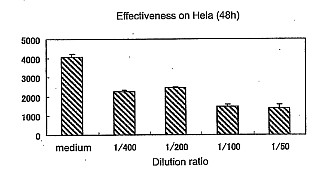
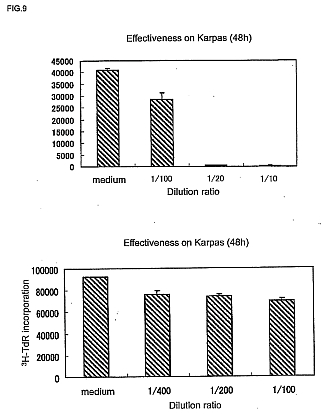
Researchers prepared four concentrations of papaya leaf tea from dried leaves and exposed ten different cancer cell cultures (cervix, breast, liver, lung, pancreas, etc.) to the extracts for 24 hours. Dose-dependent inhibition of cell proliferation was observed. Mechanistic studies indicated induction of apoptosis (caspase-3/7 activation) and increased production of Th1-type cytokines (IFN-gamma, TNF-alpha, IL-12). Normal cells showed no toxicity. The active fraction was identified as components with molecular weight < 1000 Da. The work is limited to in-vitro assays; animal and human studies are pending.
Principles
- Immunomodulation (Th1 cytokine induction)
- Apoptosis induction
Scientific Domains
Materials
- Dried papaya leaves
- Aqueous papaya leaf extract
Mechanisms of Action
- Induction of tumor cell apoptosis
- Boosting Th1-type cytokine production
Applications
- Cancer treatment
- Immunomodulatory therapy
- Functional food for health promotion
Claimed Performance
Significant, dose-dependent inhibition of tumor cell proliferation in vitro within 24 h; enhanced Th1 cytokine production without toxicity to normal cells.
Experimental Evidence
In-vitro experiments on ten cancer cell lines showed slowed growth after 24 h exposure to papaya leaf extract; flow cytometry and caspase assays confirmed apoptosis; ELISA demonstrated increased IFN-gamma, TNF-alpha, IL-12p40/70; microarray showed up-regulation of 23 immunomodulatory genes.
Replication Status
No animal or human replication reported; findings limited to cell-culture studies.
Limitations
- Lack of in-vivo (animal) data
- No human clinical trials yet
- Active compounds not fully identified
Red Flags
- Claims of clinical efficacy based solely on cell-culture data
- Potential over-statement of safety without long-term studies