Goal
Provide a non-invasive method to ablate tumors and enable high-resolution imaging and material testing using focused high-energy acoustic pulses.
Problem
Current invasive surgical techniques and limited non-invasive tumor ablation methods; need for precise, localized energy delivery in medicine and nondestructive evaluation.
Concept Summary
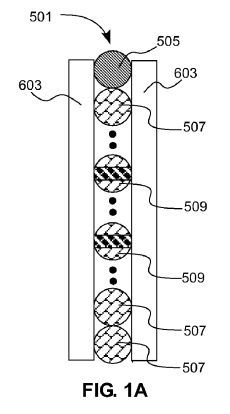
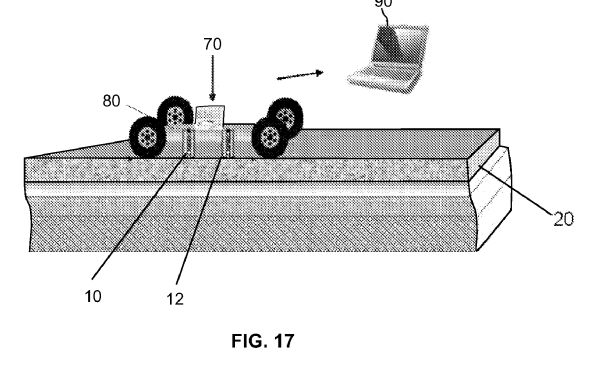
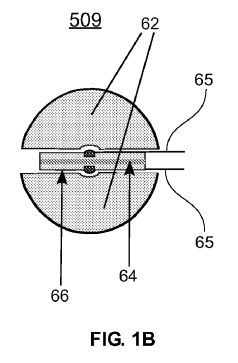
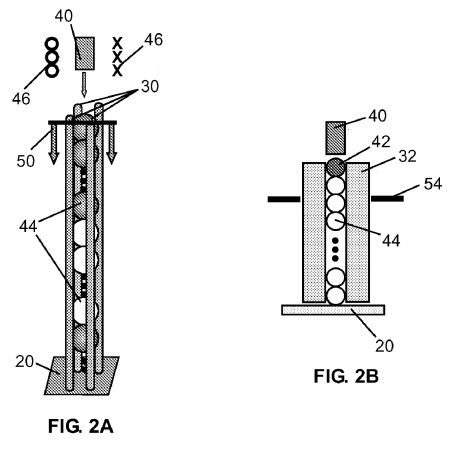
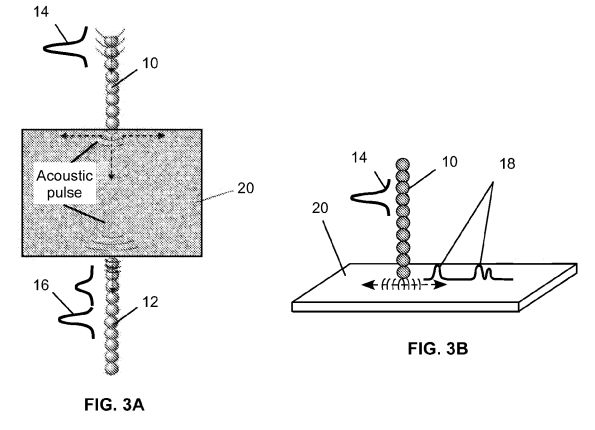
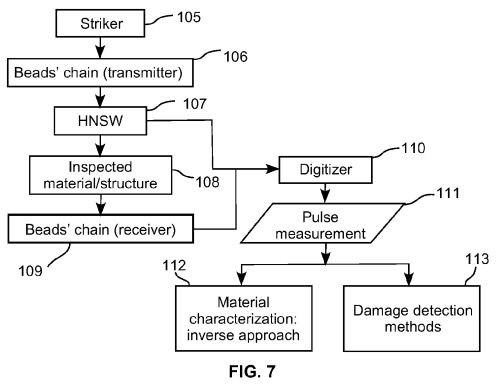
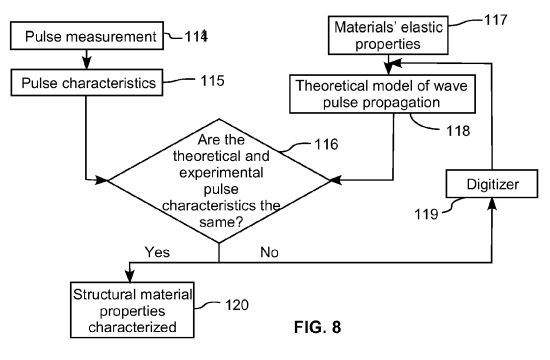
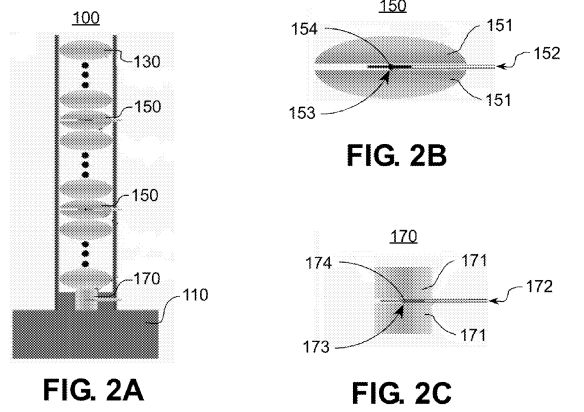
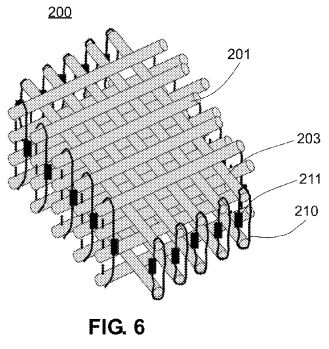
A prototype acoustic lens composed of an array of granular steel spheres (or other shaped particles) is pre-compressed to tune the speed of sound in each chain. By exciting the chains, acoustic waves coalesce into a compact, high-energy "sound bullet" that can be focused to a small region, delivering localized hyperthermia or mechanical disruption. The same principle can be applied to imaging and material testing.
Principles
- Highly nonlinear wave propagation in granular media
- Acoustic lens focusing via tunable sound speed
- Sonic vacuum concept (zero linear sound speed when uncompressed)
- Compact solitary wave (soliton) formation
Scientific Domains
Materials
- Stainless steel spheres
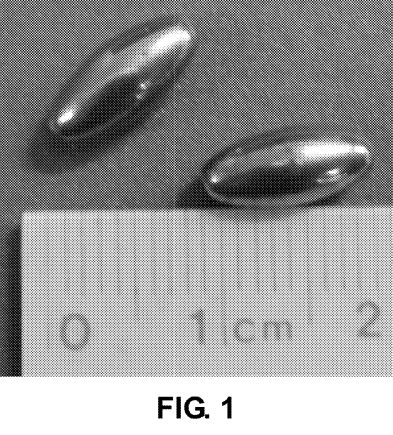
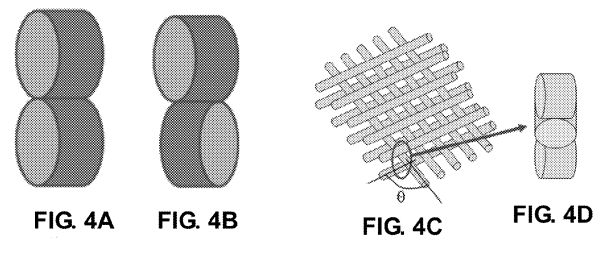
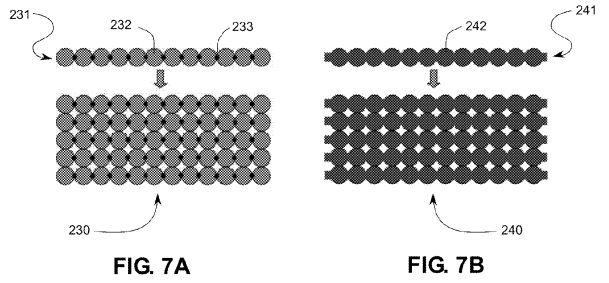
- Elliptical stainless steel beads
- Cylindrical steel particles
- Teflon particles
Mechanisms of Action
- Focused high-energy acoustic pulses generate localized heating (hyperthermia) and mechanical stress that can destroy tumor cells
- Acoustic waves overlapping at a focal point amplify to form a compact solitary wave (sound bullet)
- Adjusting static pre-compression and particle geometry tunes pulse amplitude and speed
Energy Sources
Applications
- Cancer treatment (non-invasive hyperthermia)
- Medical imaging
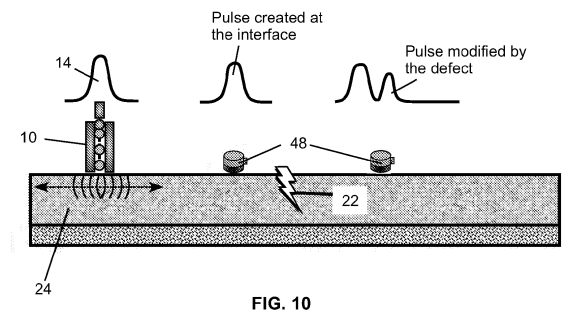
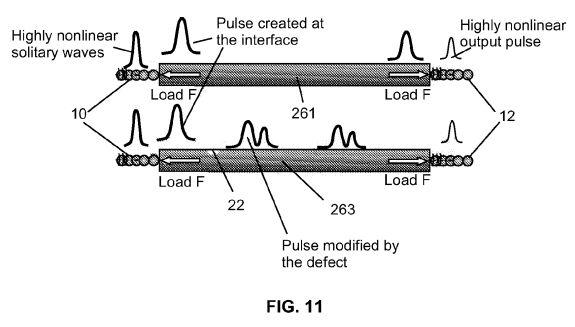
- Non-destructive material evaluation
- Defense systems
Claimed Performance
Generation of compact sound bullets with very large amplitudes capable of non-invasive tumor ablation and high-resolution imaging.
Experimental Evidence
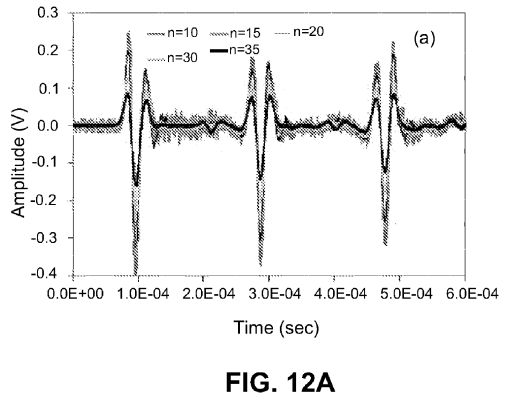
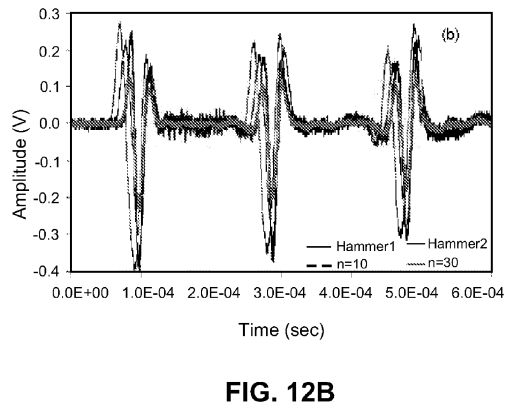
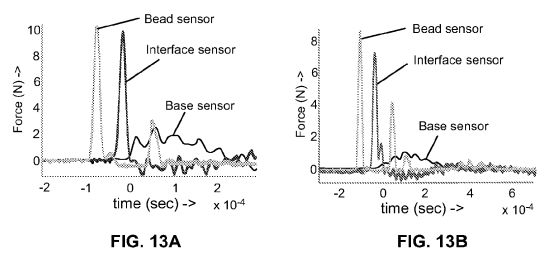
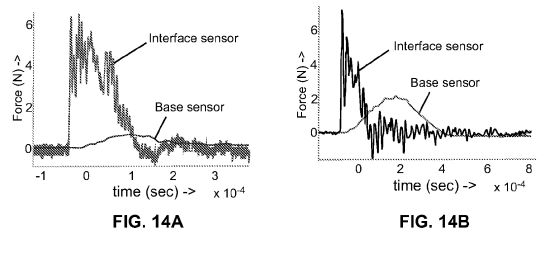
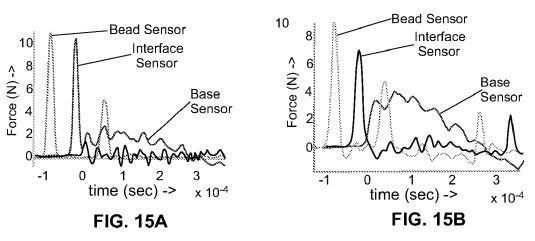
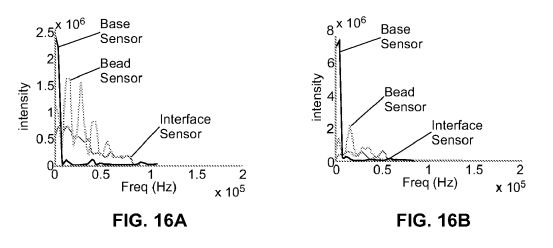
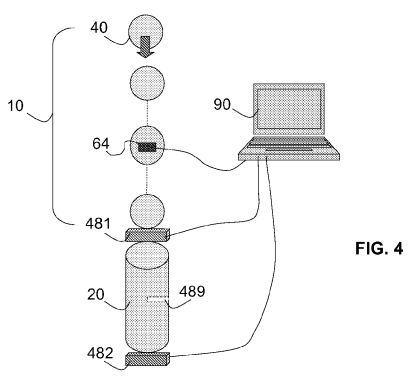
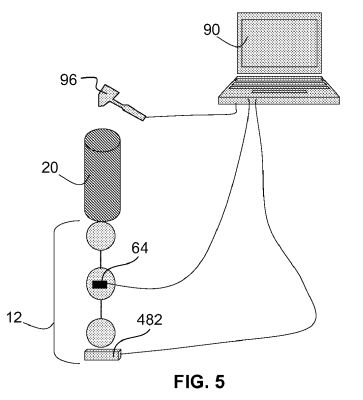
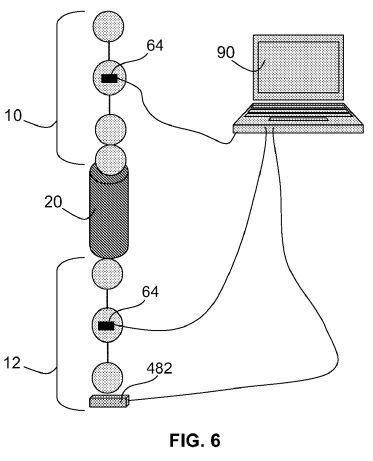
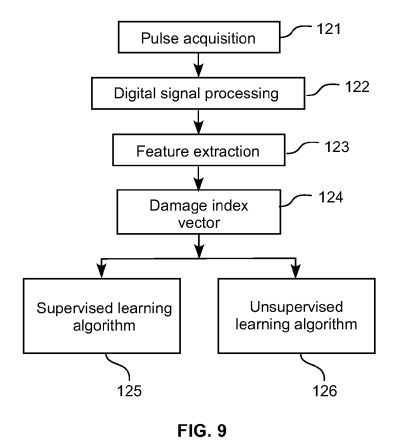
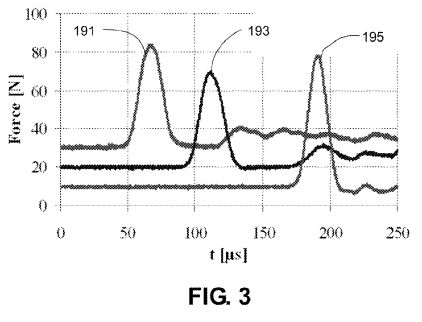
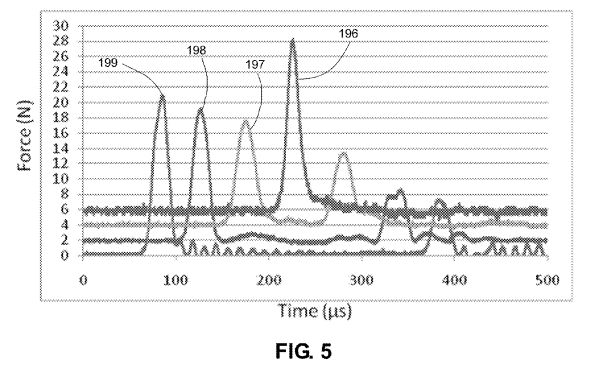
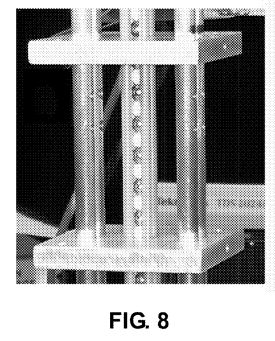
Prototype demonstrated generation of compact sound bullets; experimental data shown for vertically stacked chains of stainless steel elliptical beads and cylindrical contacts; figures illustrate solitary wave formation and amplitude measurements.
Limitations
- Requires precise static pre-compression and alignment of granular chains
- Limited penetration depth in biological tissue
- Potential heating of surrounding healthy tissue if not properly focused