Goal
Generate excess heat as an inexpensive, inexhaustible, low-hazard fuel source.
Problem
Need for clean, abundant energy without hazardous by-products.
Concept Summary
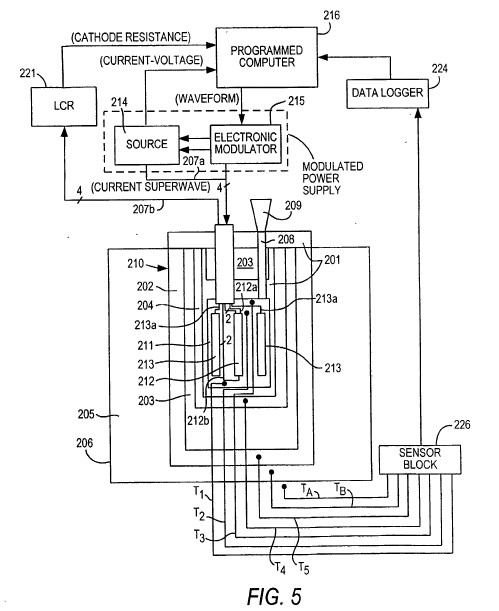
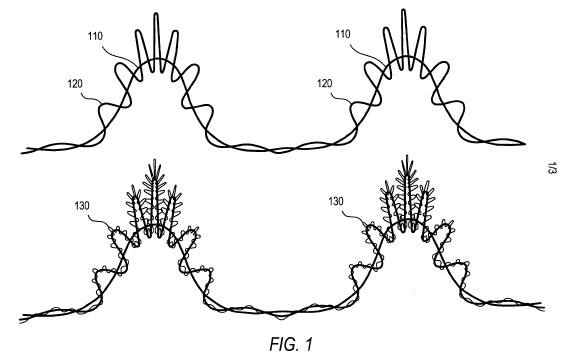
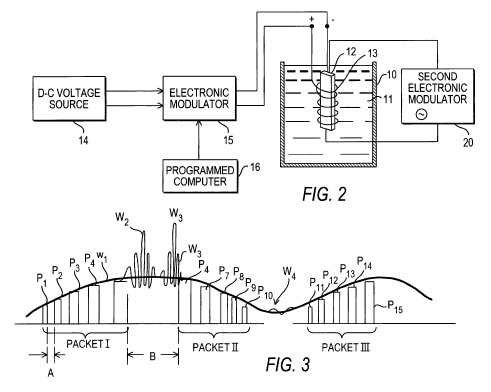
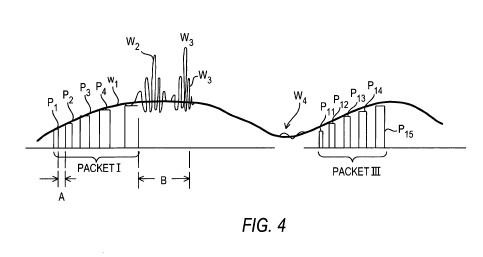
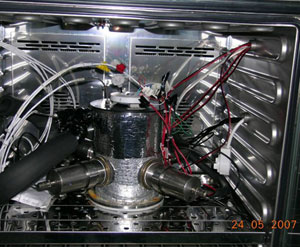
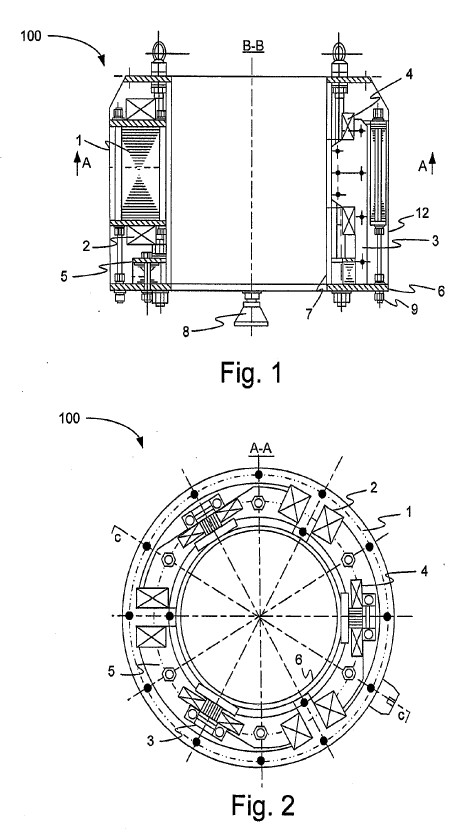
SuperWave Fusion uses a proprietary, pulse-modulated electric signal (the "SuperWave") applied to an electrolytic cell containing a palladium cathode and heavy water (D2O). The signal, combined with ultrasonic excitation, drives deuterium atoms into the palladium lattice where wave-based interactions purportedly cause low-energy nuclear reactions, releasing heat and small amounts of helium-4.
Detailed Description
In the described apparatus, an electric current delivers a nested, wave-within-wave signal to a custom module. The module houses a palladium cathode immersed in D2O. Deuterium atoms dissociate from the heavy water, load into the palladium lattice, and interact via the SuperWave-induced energy structures. The process is said to produce excess heat (reported >2500 % of input energy) and trace helium-4. Ultrasonic excitation is also employed to enhance ion packing and reaction rates. Multiple conference papers and patents document the design and experimental runs.
Principles
- Low Energy Nuclear Reactions (LENR)
- SuperWave pulse-modulation
- Electrolytic decomposition of heavy water
- Ultrasonic cavitation
Scientific Domains
Materials
- Palladium
- Platinum
- Deuterium oxide (D2O) - heavy water
- Electrolyte solution
- Gas (for glow discharge cell)
Mechanisms of Action
- Loading of deuterium into palladium lattice
- Wave-induced energy transfer via nested SuperWave signal
- Pulse-modulated electric fields creating high ion flux
- Ultrasonic excitation increasing atom packing
Energy Sources
Applications
- Green energy generation
- Heat production for industrial or residential use
Claimed Performance
SuperWave driven cells have generated over 25 times (2 500 %) the amount of energy used to operate the system.
Experimental Evidence
Demonstrated production of extraordinary amounts of excess heat in multiple conference presentations (ICCF-11, ICCF-13, ICCF-14) and a replication study reported by M. C. H. McKubre et al. in the American Chemical Society Low Energy Nuclear Reactions Sourcebook (2008).
Replication Status
Replication reported in ACS Low Energy Nuclear Reactions Sourcebook (2008).
Limitations
- Lack of independent, peer-reviewed calorimetry data
- Potential measurement errors in excess heat claims
- Scalability and reproducibility not demonstrated
Red Flags
- Claims of >2500 % energy gain without detailed calorimetric methodology
- Association with controversial wave theory and non-mainstream scientific publications