Confidence
0.80
Practicability
0.60
Evidence
0.30
Fringe Score
0.20
Risk
0.20
TRL
4
Goal
Enhance nutrient uptake and photosynthesis in plants by treating water with radio-frequency electromagnetic energy.
Problem
Low nutrient availability and poor water quality for agricultural and hydroponic systems.
Concept Summary
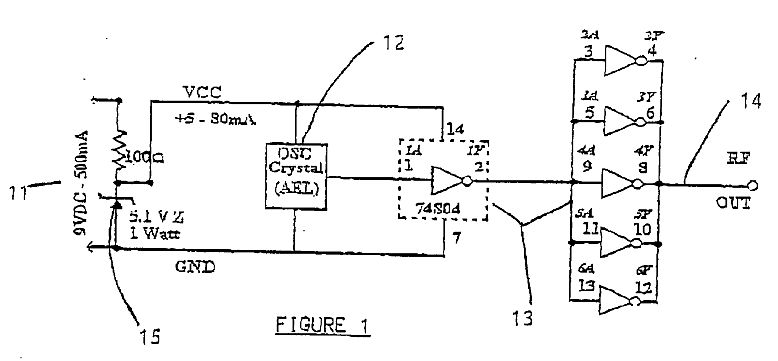
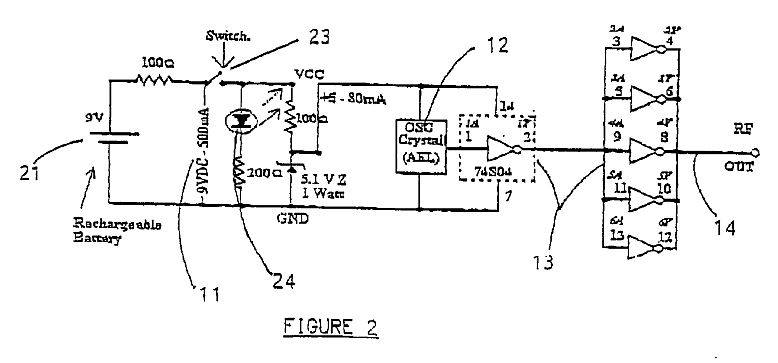
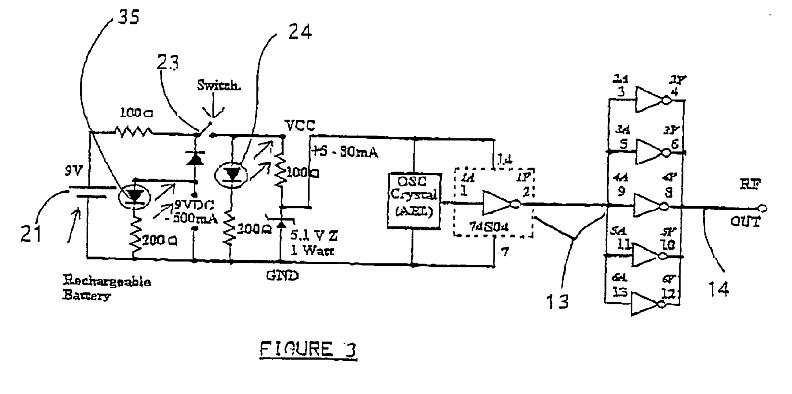
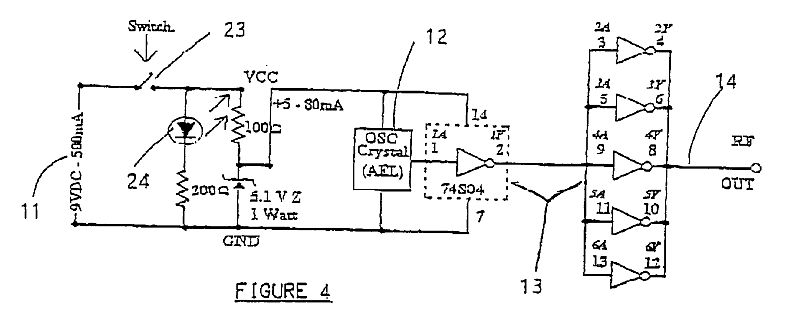
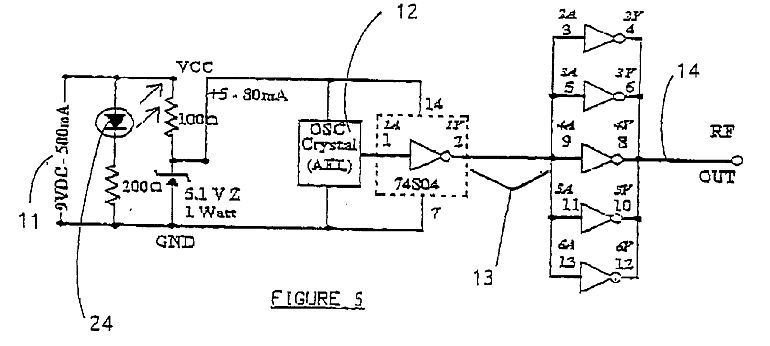
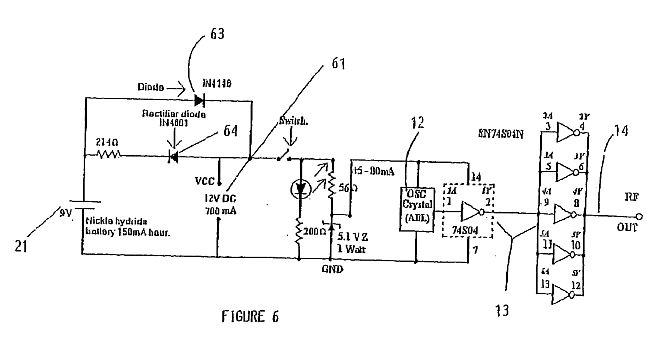
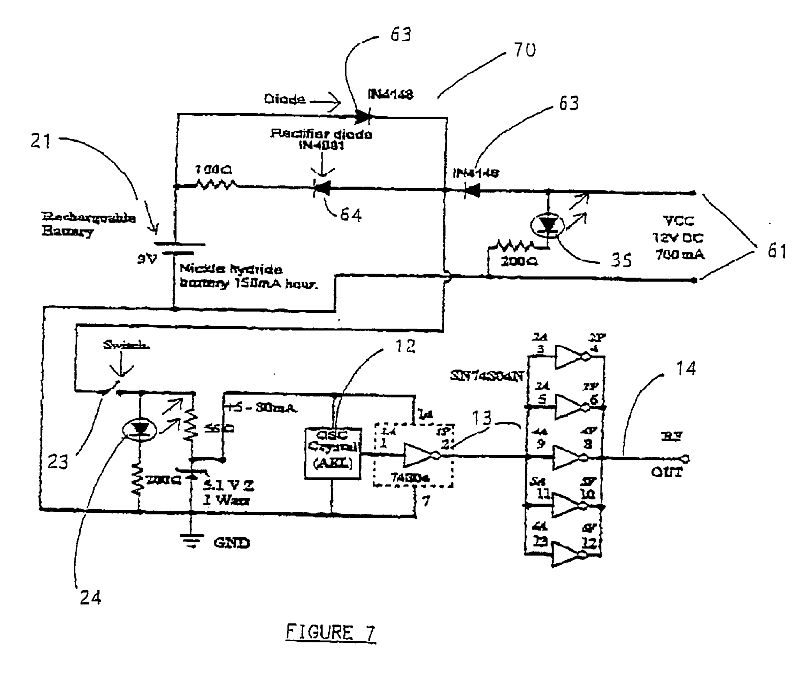
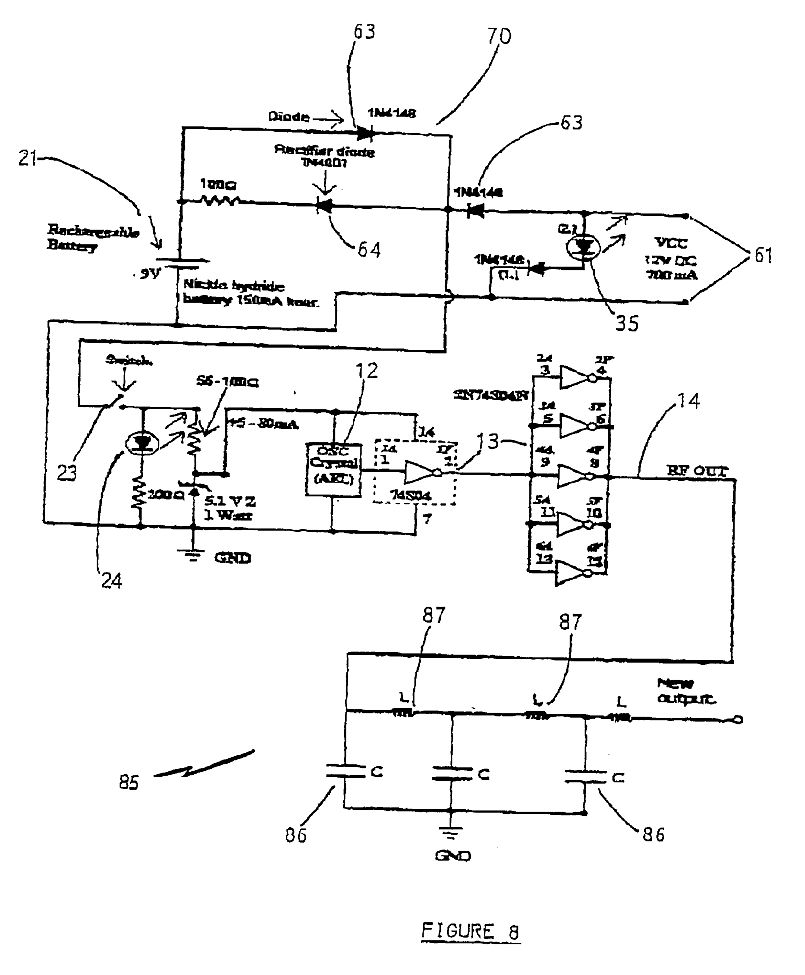
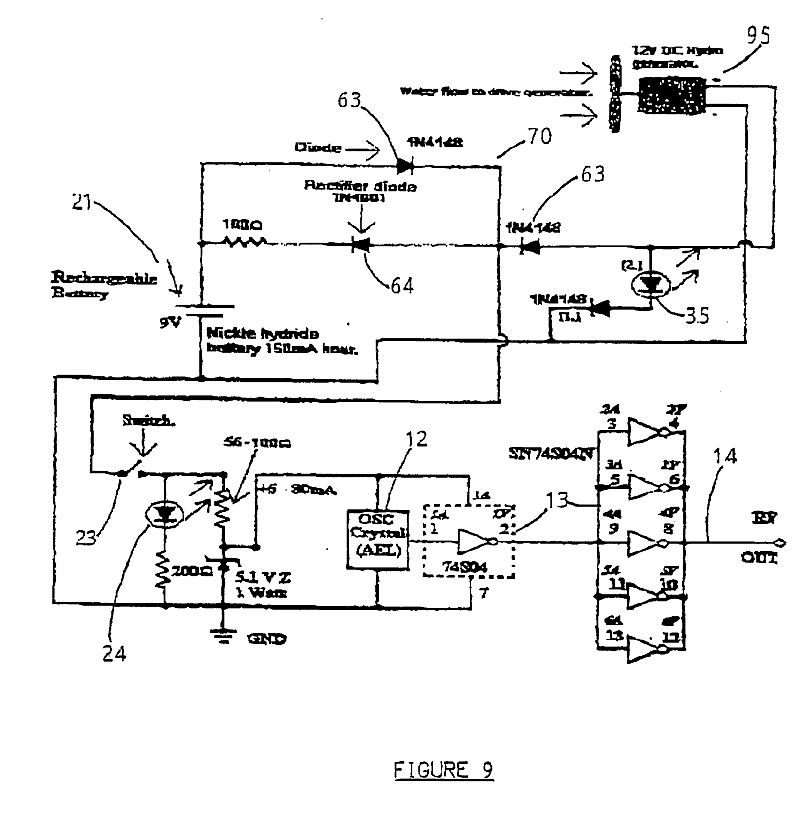
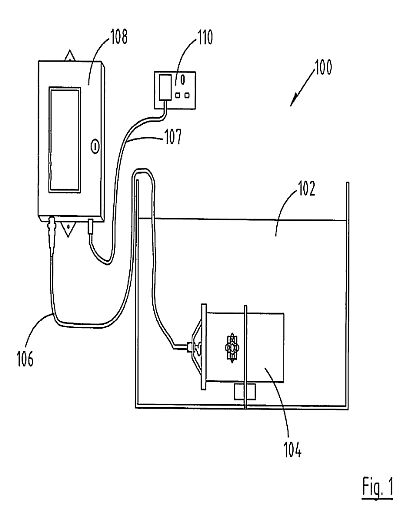
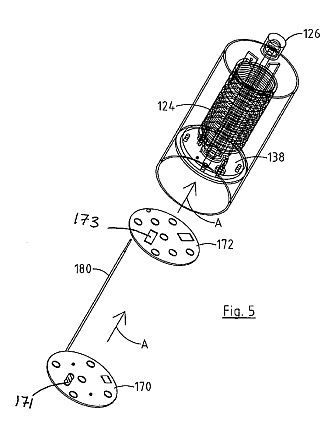
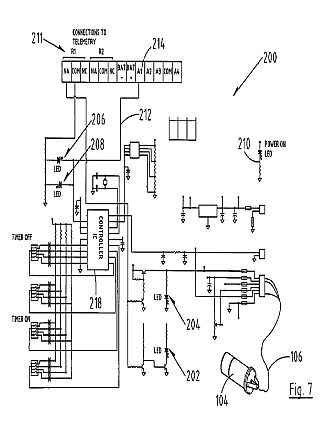
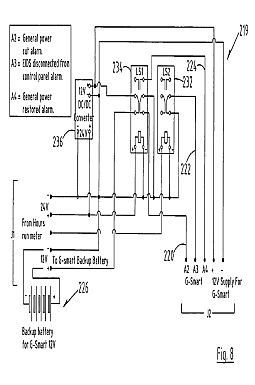
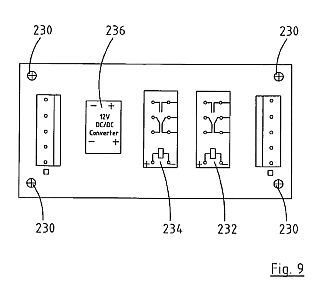
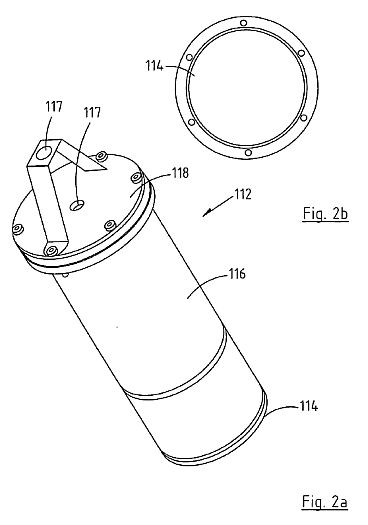
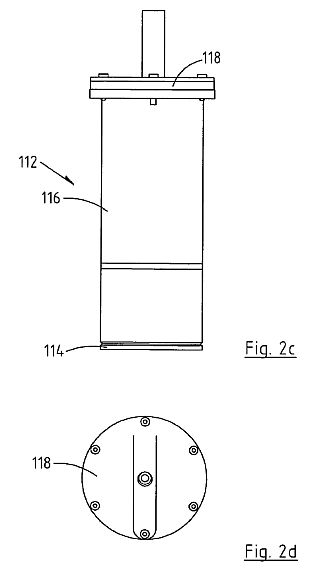
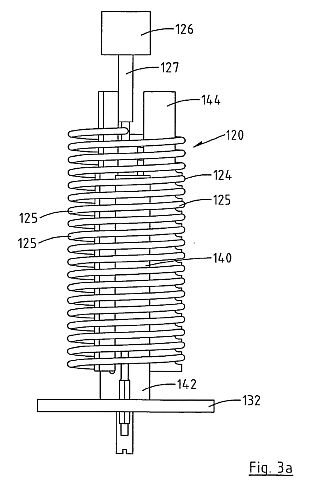
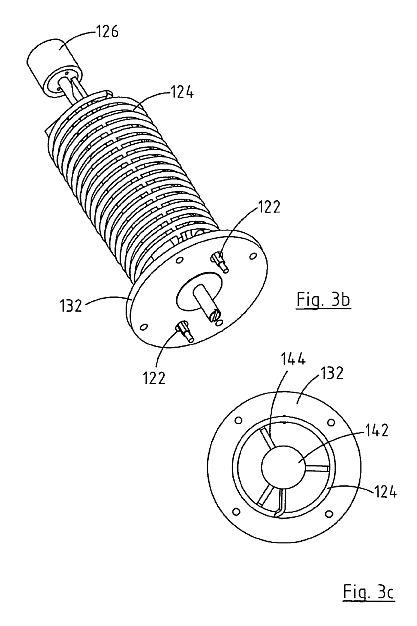
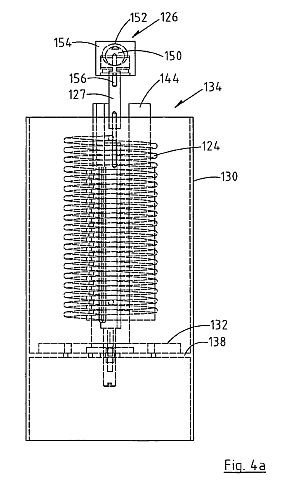
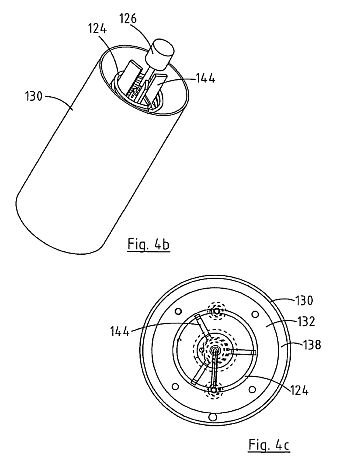
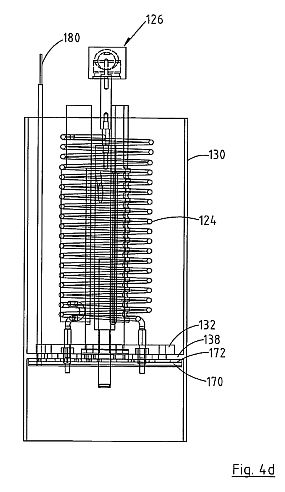
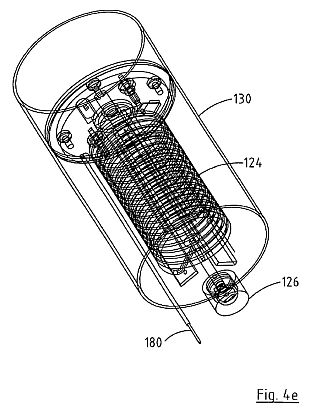
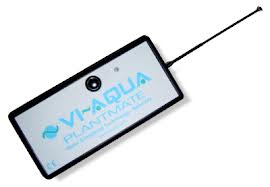
The Vi-Aqua system uses a 27 MHz radio-frequency (RF) field delivered by a coil and voltage probe assembly immersed in water. The RF energy alters the hydrogen configuration, increases the formation of oxides/peroxides, reduces surface tension, and modifies the Zeta potential of suspended particles, thereby improving solute availability and plant nutrient uptake.
Principles
- Radio-frequency electromagnetic fields
- Zeta potential modification
- Surface tension reduction
- Electrostatic repulsion between particles
- Hydrogen bonding alteration
Scientific Domains
Materials
- copper
- aluminium
- metal alloy
- polyvinylchloride (PVC)
- silver coated refrigeration tubing
Mechanisms of Action
- RF field induces charge redistribution on suspended particles
- Alters hydrogen bonding in water, producing more oxides/peroxides
- Reduces water surface tension, increasing solute availability
- Modifies Zeta potential to enhance suspension stability
Energy Sources
Applications
- Agricultural water treatment
- Hydroponic nutrient enhancement
- Aquaculture water conditioning
Claimed Performance
Stimulates photosynthesis, increases availability of oxides/peroxides, reduces surface tension, and improves nutrient uptake in crops.
Limitations
- No quantitative performance data provided
- Requires continuous electrical power
- Effectiveness depends on precise RF frequency and exposure time
Red Flags
- Claims of enhanced photosynthesis without independent data