Goal
Destroy cancerous tissue non-thermally using short intense electric pulses while preserving surrounding healthy structures.
Problem
Current tumor ablation methods (heat, freezing, chemicals) damage healthy tissue or lack precise control; a minimally invasive, non-thermal technique is needed.
Concept Summary
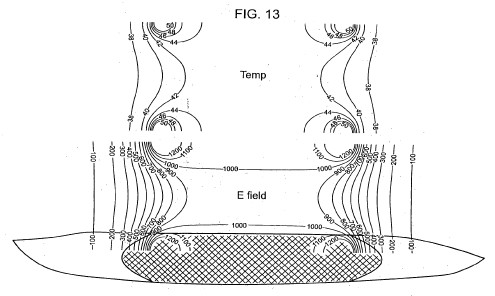
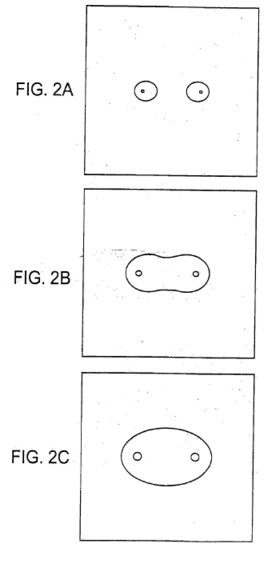
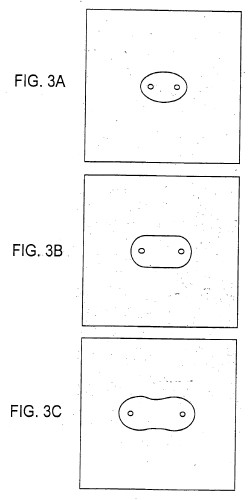
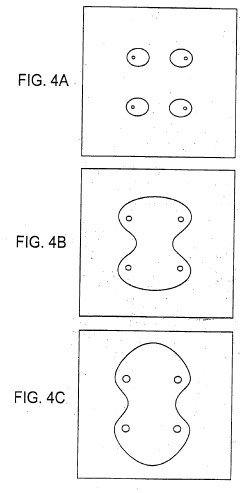
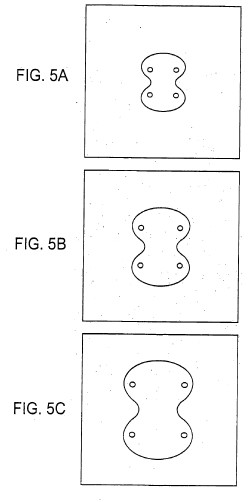
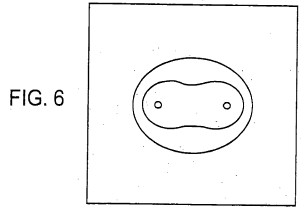
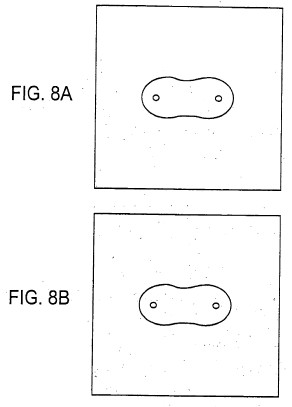
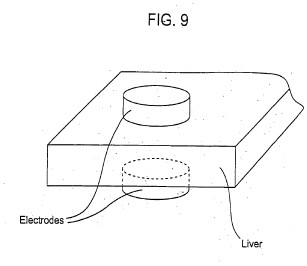
Irreversible electroporation (IRE) applies a series of short, high-voltage electric pulses through needle-like electrodes placed in or around a tumor. The pulses create permanent nanopores in cell membranes, leading to cell death without significant Joule heating, thus preserving blood vessels and extracellular matrix.
Detailed Description
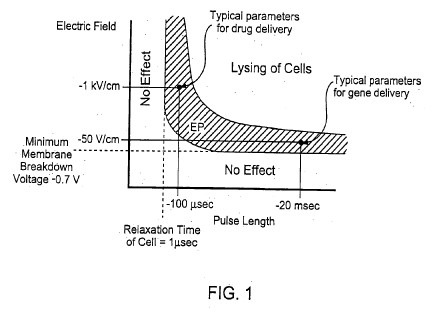
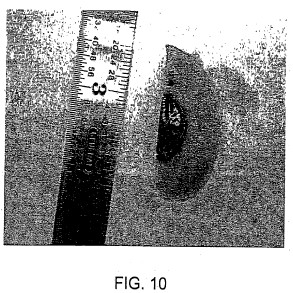
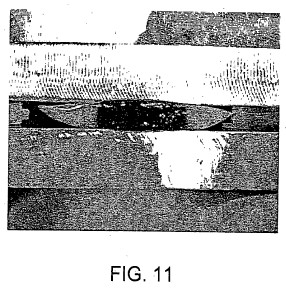
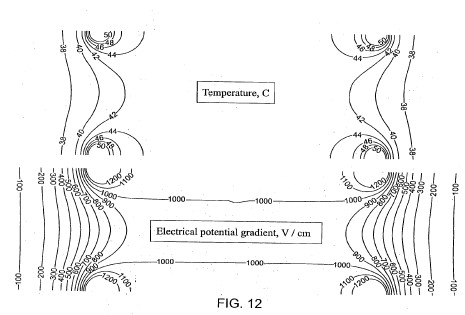
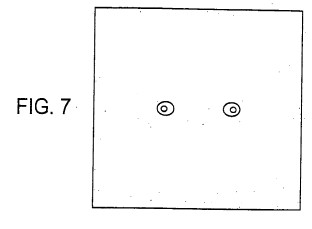
The invention consists of a set of percutaneous electrodes (typically metal such as platinum or stainless steel) connected to a pulse generator capable of delivering micro-second to millisecond pulses at amplitudes sufficient to exceed the electroporation threshold (~kV/cm). The electrode array is positioned using imaging (ultrasound, CT, MRI) to encompass the target lesion. Pulse parameters (amplitude, duration, number, repetition rate) are tuned to achieve irreversible membrane permeabilization while keeping temperature rise below thermal damage levels. In vivo studies in Sprague-Dawley rats and mice demonstrated >90 % tumor cell kill and preservation of vascular architecture. The device is intended for clinical use in prostate, liver, breast, kidney, and brain tumors, either alone or in combination with chemotherapeutic agents.
Principles
- Irreversible electroporation
- Membrane permeabilization
- Electric field-induced cell death
Scientific Domains
Materials
- Platinum electrodes
- Stainless steel electrodes
- Insulating polymer coating (e.g., PTFE) for needle shafts
Mechanisms of Action
- Creation of permanent nanopores in cell membranes
- Disruption of cellular homeostasis leading to apoptosis/necrosis
- Preservation of extracellular matrix and vasculature due to non-thermal mechanism
Energy Sources
Applications
- Ablation of solid tumors (prostate, liver, breast, kidney, brain)
- Adjunct to chemotherapy (enhanced drug delivery)
- Minimally invasive surgical oncology
Claimed Performance
Destroyed 92 % of tumors in mice in a one-minute test; successful ablation of liver tissue in male Sprague-Dawley rats without drug use; selective killing of tumor cells with minimal thermal damage.
Experimental Evidence
In-vivo animal experiments reported in IEEE Transactions on Biomedical Engineering (June 2006) and UPI news (July 2007) showing tumor ablation in rats and mice; patent application describing the method and device.
Limitations
- Potential collateral damage to healthy cells within the electric field
- Requirement for precise imaging and electrode placement
- Limited penetration depth for larger tumors
- No published human trial data at time of article